
Carbamazepine (Australian Product Information Guide)
Carbamazepine is a long-established medicine used to treat certain seizure disorders and nerve-related pain. It belongs to a class of medicines often described as anticonvulsants, and it can also help control specific types of pain caused by damaged or overactive nerves. This guide explains how carbamazepine works, how it behaves in the body, what it’s commonly used for, and important safety and interaction considerations for people in Australia.
Quick Facts
- Medicine name: Carbamazepine
- Common forms: Tablets (immediate-release) and some extended/modified-release formulations
- Typical uses: Epilepsy/convulsions, trigeminal neuralgia, and other nerve pain conditions (as determined by your clinician)
- Key safety considerations: Blood count and liver monitoring in some situations; serious skin reactions are rare but important to recognise early
- Major interactions: Enzyme-modifying medicines (e.g., some antidepressants, antibiotics, antifungals), and alcohol (increases risks such as dizziness/sedation)
Basic Product Information
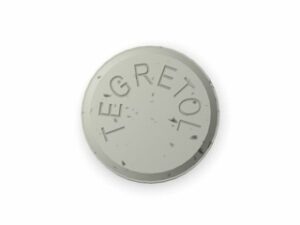
Carbamazepine is an oral medicine. Different brands and formulations may be available, including immediate-release and modified-release versions. Your exact dosing schedule depends on the formulation, the condition being treated, and your individual response.
Important: Always follow the dosing plan provided with your specific product and seek advice for changes, especially if you switch brands or formulations.
How Carbamazepine Works (Mechanism of Action)
Carbamazepine helps stabilise overactive nerve cells in the brain and nervous system. While the precise mechanisms are complex, carbamazepine is best understood as a medicine that:
- Blocks voltage-gated sodium channels in nerve cell membranes, helping reduce rapid repetitive firing.
- Reduces abnormal electrical activity that contributes to seizures.
- Helps dampen nerve signalling involved in certain forms of nerve pain, such as trigeminal neuralgia.
For many people, symptom control improves after steady blood levels are reached—often requiring several days to weeks when starting or adjusting treatment.
Pharmacokinetics (How the Body Handles Carbamazepine)
Pharmacokinetics describes absorption, distribution, metabolism, and elimination. Key points include:
- Absorption: Carbamazepine is absorbed after oral dosing. Food may affect the rate but not always the overall amount absorbed.
- Distribution: It distributes into body tissues and can cross into the central nervous system.
- Metabolism: Carbamazepine is primarily metabolised in the liver by enzyme systems (notably CYP3A4).
- Protein binding: Carbamazepine binds to plasma proteins; however, clinically important interactions may occur when other medicines also bind or alter metabolism.
- Auto-induction: Carbamazepine can increase its own metabolism over time. This means blood levels may change as treatment continues.
- Half-life: The elimination half-life varies. It is often longer at the start of therapy and can shorten after enzyme induction develops.
- Excretion: Metabolites are eliminated primarily through the kidneys.
Clinical implication: Because metabolism can change and interactions can occur, dose adjustments may be needed when starting, stopping, or changing other medicines.
Typical Uses in Australia
Carbamazepine is used for several conditions where controlling nerve electrical activity or nerve pain is important. Common indications include:
- Epilepsy: Certain seizure types, including partial (focal) seizures and generalised tonic-clonic seizures in some regimens.
- Trigeminal neuralgia: A condition characterised by episodes of severe facial pain.
- Other nerve pain syndromes: Sometimes used for neuropathic pain in selected cases under clinical guidance.
Use depends on your diagnosis, medical history, and potential risks (for example, genetic factors that affect drug metabolism or blood cell function).
Indications and When It Might Be Considered
Carbamazepine is generally considered when:
- Seizures are ongoing despite other strategies, or when carbamazepine is appropriate based on seizure type.
- Nerve pain is severe and episodic, especially trigeminal neuralgia.
- Other medicines are unsuitable due to interactions, side-effect profiles, or individual response.
Clinicians may choose alternative medicines for some patients depending on age, pregnancy considerations, liver function, blood count results, and interaction risks.
Timing and How to Take Carbamazepine
Carbamazepine is usually taken by mouth, one to several times per day depending on formulation and prescribed dose.
General timing tips
- Try to take doses at consistent times to maintain steady levels.
- Use a daily routine (e.g., breakfast and evening) to reduce missed doses.
- If you start treatment or change dose, expect possible dizziness, drowsiness, or blurred vision—be cautious with driving until you know how it affects you.
- Do not stop suddenly without medical advice, particularly if you take it for seizures (sudden stopping may worsen control).
Missed dose guidance
If you miss a dose, take it when you remember unless it is close to the time of the next dose. Avoid doubling up. If you’re unsure, check your medicine’s consumer information leaflet or speak with a pharmacist.
Food Interactions (Food and Carbamazepine)
Food can influence how quickly carbamazepine is absorbed, which may affect how soon you feel effects—especially with immediate-release tablets. In many cases:
- Carbamazepine can often be taken with or without food, but it may be more comfortable with food if it upsets your stomach.
- Consistency helps—if you typically take it with meals, try to keep that pattern.
Practical tip: If you notice stomach discomfort, taking carbamazepine after food may help. If symptoms persist, ask your pharmacist for advice.
Alcohol and Medicine Interactions
Alcohol can increase certain side effects of carbamazepine, such as:
- Dizziness
- Drowsiness or sedation
- Impaired coordination
- Reduced alertness
Recommendation: Avoid or minimise alcohol while adjusting to carbamazepine, especially when starting or changing dose.
Interactions with other medicines (high-level)
Carbamazepine is metabolised in the liver and can affect liver enzymes. This can change blood levels of carbamazepine or other medicines. Key interaction categories include:
- Antiepileptic drugs: Some can increase or decrease carbamazepine levels.
- Antidepressants and antipsychotics: Some may alter carbamazepine metabolism and increase side-effect risk.
- Antibiotics and antifungals: Certain agents can raise carbamazepine levels (increasing toxicity risk) or lower them (reducing effectiveness).
- Oral contraceptives: Carbamazepine may reduce effectiveness of hormonal contraception by inducing metabolism.
- Blood thinners (anticoagulants): Interaction potential requires careful monitoring.
Always check: Provide a complete list of medicines (including over-the-counter products and herbal supplements) to your pharmacist or prescriber before starting carbamazepine.
Carbamazepine Dosing (Typical Approaches)
Dosing varies based on the indication, patient factors, and formulation. Many schedules begin at a low dose and increase gradually to reduce side effects and reach effective control.
Important: The following is general information and not a personalised dosing instruction. Your clinician will determine the dose and adjustments.
Common dosing principles
- Start low, go slow: gradual titration helps improve tolerability.
- Split dosing may be used: especially with immediate-release products to maintain symptom control.
- Modified-release requires adherence: tablets must be taken as directed; do not alter the tablet unless the product information specifically allows it.
- Blood level monitoring: Some people may require serum level checks, particularly if there are toxicity concerns, adherence issues, drug interactions, or pregnancy.
Typical dosing ranges (illustrative)
Many treatment regimens fall within a broad dosing range depending on indication and patient response. Because carbamazepine can be prescribed in different ways, your dose should be confirmed from your product instructions or clinician plan.
| Condition | Typical dosing approach | Notes |
|---|---|---|
| Focal/partial seizures | Low initial dose, gradual increase | Often split doses; may require monitoring for effectiveness and side effects |
| Generalised tonic-clonic seizures (selected regimens) | Gradual titration | May be used as part of a combination strategy |
| Trigeminal neuralgia | Start low; adjust to pain control | Some people respond quickly; others need gradual adjustments |
Safety Profile and Important Risks
Like all medicines, carbamazepine can cause side effects. Many are mild, especially after a gradual dose increase. However, some rare but serious reactions require immediate medical attention.
Common side effects
- Dizziness
- Drowsiness or fatigue
- Nausea
- Headache
- Blurred or double vision
- Unsteady walking (especially early in treatment or after dose changes)
Serious side effects—seek urgent help if they occur
- Signs of severe skin reactions: widespread rash, blistering, peeling skin, mouth sores, or fever with rash
- Allergic reaction: swelling of face/lips, breathing difficulty
- Blood disorders: unusual bruising/bleeding, persistent fever, severe sore throat
- Severe liver problems: yellowing of eyes/skin (jaundice), dark urine, severe fatigue, right upper belly pain
- Severe dizziness or confusion that is rapidly worsening (possible toxicity)
Practical reminder: If you experience symptoms consistent with these serious reactions, contact emergency services or seek urgent medical care right away.
Monitoring that may be recommended
Your healthcare provider may request tests such as:
- Full blood count (to check white blood cells and platelets)
- Liver function tests
- Sodium levels (carbamazepine can rarely contribute to low sodium)
- Carbamazepine blood levels in some cases
Monitoring may be more important during the first months, after dose changes, or when interacting medicines are started/stopped.
Practical Use Tips (Getting the Best Results Safely)
- Plan your start: consider avoiding driving or operating machinery until you know how carbamazepine affects you.
- Track side effects: note dizziness, sleepiness, rash, or vision changes and report them promptly.
- Stay consistent with meals: taking with food can improve tolerability if it causes stomach upset.
- Check your full medicine list: include prescription medicines, non-prescription products, vitamins, and herbal supplements.
- Be cautious with contraception: carbamazepine may reduce the effectiveness of some hormonal contraceptives—ask for advice about reliable alternatives.
- Keep an eye on alcohol: avoid heavy drinking and limit alcohol to reduce dizziness and sedation risks.
- Do not change formulations without guidance: switching between immediate-release and modified-release can change how the medicine is released.
Alternative Options (Other Medicines and Approaches)
Depending on your diagnosis, clinicians may consider alternative medicines. Alternatives can include:
- Other antiepileptic medicines for seizure control
- Other treatments for trigeminal neuralgia and neuropathic pain, which may include different nerve-pain medicines
- Non-medicine options such as specialist referral and tailored pain management strategies
Your best alternative depends on seizure type, pain characteristics, medical history, and interaction risks. A pharmacist can help you understand what’s commonly used for your condition and what to discuss with your clinician.
Carbamazepine in the Australian Market: Legal and Guidance Context
Carbamazepine is an established medicine in Australia and is supplied through regulated pharmaceutical channels. Availability, brand naming, and formulation strengths may vary. In Australia:
- Medicines are regulated by the Therapeutic Goods Administration (TGA) under the national medicines framework.
- Pharmacy supply follows Australian regulatory requirements, including product information and consumer medicine guidance.
- Safety communications may be updated as new information becomes available, including guidance around rare but serious adverse reactions and interaction risks.
Because carbamazepine has complex interaction potential, Australian medicines guidance emphasises careful review of other therapies and appropriate monitoring where clinically indicated.
Recent guidance and safety trends (general overview)
Over time, carbamazepine-related safety guidance globally has emphasised:
- Recognising serious skin reactions early
- Drug–drug interaction awareness due to liver enzyme effects
- Consideration of genetic risk factors in some populations (your clinician may check genetic testing where relevant)
- Monitoring blood counts and liver function particularly in the early phase or if symptoms develop
Your pharmacist can provide the latest consumer medicine information and explain how it applies to you.
Delivery and Availability (Online Pharmacy Considerations in Australia)
Availability may vary by brand and formulation strength. When ordering online in Australia, key factors include:
- Stock levels: some strengths may be held more readily than others
- Formulation type: immediate-release vs modified-release affects what you should receive
- Packaging and labeling: ensure the product name and strength match what you normally use
Delivery expectations: Delivery times depend on your location and current courier schedules. Your order confirmation should include an estimated timeframe and tracking details where available.
Storage: follow the storage instructions on the pack (typically room temperature, protected from moisture and heat). Keep medicines out of reach of children.
FAQ: Carbamazepine
1) How long does it take for carbamazepine to work?
Some people notice improvements in seizure control or nerve pain within days, especially after dose stabilisation. For others, full effect may take several weeks, particularly when titrating slowly to reduce side effects.
2) Can I take carbamazepine with food?
Often yes. Food may help reduce stomach upset for some people. For best tolerability, many people take carbamazepine with or after meals—aim for a consistent routine.
3) What should I do if I miss a dose?
Take it when you remember unless it is close to the next dose. Do not double up. If you’re unsure, ask a pharmacist for guidance based on your dosing schedule.
4) Is it safe to drink alcohol while taking carbamazepine?
Alcohol can increase dizziness, drowsiness, and impaired coordination. It’s recommended to avoid heavy drinking and to minimise alcohol—especially at the start of treatment or after a dose change.
5) Are there medicines that should not be combined with carbamazepine?
Carbamazepine has many potential interactions. This includes certain antibiotics, antifungals, antidepressants, antipsychotics, and hormonal contraceptives. Tell your pharmacist about all medicines you take (including non-prescription items and herbal supplements).
6) What side effects are most common?
Common side effects include dizziness, drowsiness, nausea, headache, and blurred vision—often more noticeable early in therapy or after dose increases.
7) What are red-flag symptoms that require urgent medical help?
Seek urgent care for severe rash (especially with blistering/peeling), breathing difficulty, swelling of the face/lips, jaundice, severe weakness/confusion, or signs of blood problems such as persistent fever or unusual bruising.
8) Can carbamazepine affect driving or operating machinery?
It can. Dizziness and drowsiness are possible, especially early on or after dose changes. Avoid driving or machinery until you know how you respond.
9) Do I need regular blood tests?
Often clinicians may recommend tests such as blood counts and liver function depending on your health profile, dose, and duration of use. Follow your healthcare provider’s plan.
10) What are alternatives if carbamazepine doesn’t suit me?
There are other medicines for epilepsy and nerve pain. Your clinician can discuss alternatives based on your condition, side effects, and interaction risks.
Summary
Carbamazepine is a widely used medicine in Australia for epilepsy and certain nerve pain conditions such as trigeminal neuralgia. It works by stabilising overactive nerve activity, and it is metabolised by liver enzymes that can be affected by other medicines. Because carbamazepine has important interaction potential and a safety profile that includes rare but serious reactions, it’s essential to take it exactly as directed, be alert to side effects, and keep your pharmacist and clinician informed about all medicines and supplements you use.
If you’d like, share the condition you’re interested in (e.g., seizures or trigeminal neuralgia) and whether you’re considering immediate-release or modified-release—then I can tailor a more specific “what to expect” section for timing, side-effect patterns, and interaction checks.