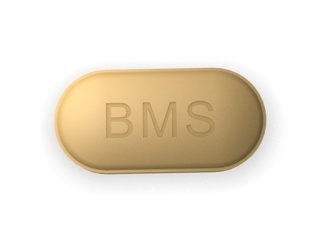
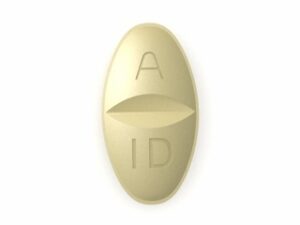

Isosorbide (Isosorbide) – Patient-Friendly Guide
Isosorbide is a medicine used to prevent and treat chest pain related to reduced blood flow to the heart. In Australia, it is commonly used as part of a broader treatment plan for certain cardiovascular conditions, especially angina. This guide explains how Isosorbide works, how it is typically taken, expected effects, key safety information, and practical tips to help you use it effectively.
Note: Product names and strengths can vary (for example, some brands may be “isosorbide” products such as isosorbide mononitrate). Always check the exact active ingredient and strength on your packaging and follow the directions given for your specific product.
Basic product information
| Category | Details |
|---|---|
| Medicine name | Isosorbide (various isosorbide nitrate products) |
| Common uses | Prevention of angina; some types may be used for chronic heart-related symptoms |
| How it works | Nitrate that helps widen blood vessels and improve blood flow |
| Availability | Typically available via pharmacy dispensing in line with Australian regulatory requirements |
| Typical forms | Tablets and modified-release preparations (brand-specific) |
How Isosorbide works (mechanism of action)
Isosorbide belongs to the nitrate group of medicines. Nitrates are converted in the body to active compounds that increase levels of nitric oxide (NO), which then relaxes smooth muscle in blood vessel walls.
- Vasodilation: Blood vessels widen, which can reduce resistance and ease the heart’s workload.
- Reduced cardiac oxygen demand: When the heart has to work less, it typically needs less oxygen.
- Improved blood flow: Wider vessels can help improve circulation to heart muscle.
In practical terms, Isosorbide helps prevent chest pain episodes in people with certain forms of angina. It does this by improving the balance between the heart’s oxygen supply and demand.
Pharmacokinetics (how the body processes it)
“Pharmacokinetics” describes what the body does with a medicine: absorption, distribution, metabolism, and elimination. Exact values may vary depending on the specific isosorbide product (immediate-release vs modified-release).
- Absorption: Nitrates are absorbed after oral dosing. Modified-release formulations are designed to maintain a steady effect over time.
- Onset of action: Some products may begin working within about 30–60 minutes, while others (especially modified-release) provide a longer, steadier effect.
- Metabolism: Isosorbide is metabolised in the body (largely in the liver), producing active metabolites that contribute to the overall effect.
- Elimination: Metabolites are removed primarily via the kidneys (urine).
If you are unsure whether your product is immediate-release or modified-release, check the label or ask your pharmacist. This matters because dosing schedules differ.
Typical use and indications
Isosorbide is used to help manage conditions where improved blood flow and reduced heart workload can relieve symptoms. The most common indication is:
- Angina (chest pain): Prevention of angina attacks, including chronic stable angina
Depending on the specific product and your clinical situation, a clinician may also use nitrates for other heart-related conditions. Your pharmacist can help confirm the intended purpose of your specific medicine.
Timing: when to take Isosorbide
Timing depends on the formulation:
- Modified-release products are usually taken on a schedule designed to provide symptom control throughout the day, often with specific dosing intervals.
- Immediate-release products may be taken more frequently, depending on the directions provided.
Important practical principle: Nitrate medicines can lose effectiveness if there is continuous exposure. Many regimens include a “nitrate-free interval” (a break during which nitrates are not taken), particularly for long-term prevention. Your prescribed schedule should already reflect this need.
Take your dose at the times your product label or pharmacy instructions indicate. Try to be consistent daily. If you miss a dose, take it when you remember unless it is close to the time of your next dose. Do not take extra doses to “catch up.”
Dosing: what is typical?
Dosing varies by:
- the specific isosorbide product and strength
- your age, blood pressure, and response to treatment
- whether the formulation is immediate-release or modified-release
- other medicines you take
Because of these variables, dosing guidance must be based on the exact product you receive. As a patient-friendly guide, your pharmacist will usually provide a clear schedule on the label.
Common dosing patterns
- Prevention of angina: Often taken regularly (e.g., once or multiple times daily depending on formulation).
- Maintenance regimens: May include a nitrate-free interval, commonly in the evening or overnight.
Always follow your label directions. If you are unsure whether your product is modified-release, ask your pharmacist or check the packaging.
Food interactions
Many nitrate preparations can be taken with or without food. However, individual products may differ. To help avoid stomach upset and improve adherence:
- If your dose upsets your stomach, take it with a small meal or snack (unless your product instructions say otherwise).
- Avoid taking doses in a way that accidentally changes the schedule (e.g., shifting by many hours each day).
There are no widely recognised “must-avoid” foods for isosorbide in most routine circumstances, but it’s still important to follow your product-specific instructions and consult your pharmacist if you have concerns.
Alcohol interactions
Alcohol can increase the risk of side effects from Isosorbide, particularly light-headedness and low blood pressure (postural hypotension). Both alcohol and nitrates can dilate blood vessels, so their effects may add up.
- Limit alcohol, especially when you first start treatment or if your dose was recently changed.
- Use extra caution when standing up after drinking.
If you experience dizziness, fainting, or unusual weakness after alcohol, seek advice from a healthcare professional.
Medicine interactions (what to watch)
Some medicines can interact with Isosorbide by increasing the risk of significant blood pressure drops or other adverse effects. The most important interaction involves medicines used for erectile dysfunction.
Major interaction: erectile dysfunction medicines
Do not take Isosorbide with medicines that contain tadalafil, sildenafil, or vardenafil (and similar medicines) unless a clinician has specifically advised it. Combining nitrates and phosphodiesterase-5 (PDE5) inhibitors can cause a dangerous fall in blood pressure.
If you are planning to use an erectile dysfunction medicine, discuss it with your pharmacist first.
Other medicines that may interact
- Blood pressure medicines (antihypertensives): may increase the risk of low blood pressure.
- Other vasodilators: can add to blood pressure-lowering effects.
- Some medicines affecting liver enzymes: may alter how nitrates are broken down (product- and drug-specific).
- Riociguat (for certain lung/circulatory conditions): may interact and is often contraindicated with nitrates.
This list is not exhaustive. Always tell your pharmacist about all medicines you take, including: over-the-counter products, herbal supplements, and vitamins.
Safety profile: side effects and when to seek help
Like all medicines, Isosorbide can cause side effects. Many are related to blood vessel dilation (for example, headache or dizziness). Most side effects improve as your body adjusts, but some symptoms require prompt medical advice.
Common side effects
- Headache (often the most common)
- Dizziness or light-headedness
- Flushing
- Low blood pressure (especially when standing)
- Nausea
Less common but important concerns
- Fast heartbeat or palpitations
- Fainting (syncope)
- Marked weakness or confusion
- Severe dizziness
When to seek urgent help
Seek urgent medical help (or call emergency services) if you experience any of the following:
- Fainting or severe dizziness
- Chest pain that is severe, new, or not relieved as expected
- Signs of a serious allergic reaction (swelling of face/lips, difficulty breathing, hives)
- Very low blood pressure symptoms such as inability to stand, extreme drowsiness, or collapse
If you are at risk for low blood pressure or have had dizziness before, speak to your pharmacist about ways to reduce risk (for example, rising slowly from sitting/lying positions).
Practical use tips (to get the best results)
- Stand up slowly: Dizziness can occur, particularly after the first dose or after dose changes.
- Track timing: Use a daily reminder so you don’t accidentally take doses too close together.
- Don’t stop suddenly: If you stop nitrates without advice, angina may return. Discuss changes with a pharmacist or clinician.
- Keep tablets in the original packaging: Protect from moisture and heat as directed.
- Manage headaches: If headaches occur, you can discuss options with your pharmacist (many headaches settle over time).
- Check your blood pressure if advised: If you have been told to monitor, follow the plan.
How to handle missed doses
- If you miss a dose and it’s close to the next dose, skip the missed dose.
- Do not double up unless your pharmacist or product instructions specifically say so.
Alternative options
Treatment for angina often involves more than one medicine. Alternatives depend on your diagnosis, symptom pattern, heart function, and other risk factors.
Possible alternative medicines may include:
- Beta-blockers (help reduce heart workload)
- Calcium channel blockers (improve vessel tone and reduce symptoms in some patients)
- Antiplatelet medicines (e.g., for overall cardiovascular risk management)
- Statins and other lipid-lowering treatments
- Other nitrate preparations (depending on formulation needs)
Lifestyle strategies can also reduce angina frequency for many people, such as: smoking cessation, regular gentle activity as advised, blood pressure and cholesterol control, and managing diabetes if relevant. Your pharmacist can help discuss which options may be suitable to ask about.
Market and legal context in Australia
In Australia, medicines are regulated through the Therapeutic Goods Administration (TGA). Medicines may be supplied under different scheduling categories and may require specific prescribing or dispensing arrangements depending on the product. Availability can also vary by formulation and strength.
For an online pharmacy purchase, expect that the service will follow Australian requirements for:
- identity verification (where applicable)
- medication safety checks (including interactions)
- appropriate supply conditions and labeling
- delivery controls and storage guidance
If you’re unsure about eligibility or the correct product for your needs, contact the online pharmacy support team.
Recent guidance and ongoing safety considerations
Guidance for nitrate medicines commonly emphasises:
- avoiding dangerous drug combinations (especially with PDE5 inhibitors used for erectile dysfunction)
- monitoring for hypotension (low blood pressure) and symptoms like dizziness
- using correct dosing schedules, including nitrate-free intervals for certain long-term regimens
- patient education about side effects and when to seek help
Safety recommendations can be updated as new information emerges. Your pharmacist can confirm the most relevant advice for your specific Isosorbide product and the medicines you currently use.
Delivery and availability (Australia)
Online pharmacies in Australia typically deliver cardiovascular medicines to eligible customers with careful packaging and clear instructions on storage and use.
- Availability: Stock can vary by brand and strength. If your preferred product is unavailable, the pharmacy may offer an alternative that contains the same active ingredient (only if appropriate).
- Delivery times: Depend on location and courier service. Delivery options may vary between standard and express.
- Packaging: Medicines are usually supplied in sealed containers or blister packs to protect from moisture.
When your order arrives, check:
- the name and strength on the label match what you expected
- the expiry date
- any storage instructions (e.g., keep below a certain temperature)
If something seems incorrect or damaged, contact the pharmacy before use.
FAQ – Isosorbide
1) What is Isosorbide used for?
Isosorbide is used primarily to prevent angina (chest pain) by helping blood vessels relax and improving the balance between oxygen supply and demand for the heart.
2) How quickly does Isosorbide work?
Onset can depend on the exact formulation. Some products start working within about 30–60 minutes, while modified-release forms provide longer-lasting effects. Check your product packaging for details.
3) Can I take Isosorbide with food?
Many people can take it with or without food. If it upsets your stomach, taking it with a small meal may help. Always follow the instructions for your specific product.
4) What should I do if I miss a dose?
If you remember soon after, take it if it’s still appropriate for your schedule. If it’s close to the next dose, skip the missed one. Do not double up unless your pharmacist instructs you to.
5) Is it safe to drink alcohol?
Alcohol may increase dizziness and the risk of low blood pressure when combined with nitrates. Limit alcohol and be extra cautious, especially after starting or when your dose has changed.
6) Can I take Isosorbide if I use medicines for erectile dysfunction?
This is a critical interaction. PDE5 inhibitors (such as sildenafil, tadalafil, or vardenafil) can interact with nitrates and cause dangerously low blood pressure. Discuss with your pharmacist before using erectile dysfunction medicines.
7) What side effects are most common?
Common side effects include headache, dizziness, flushing, and low blood pressure, especially when standing.
8) Do I need a nitrate-free interval?
Many long-term nitrate regimens include a nitrate-free period to help maintain effectiveness. Follow your prescribed schedule and speak to your pharmacist if you are unsure why your dosing times are specific.
9) Who should be extra careful when taking Isosorbide?
Extra caution is often needed if you:
- have low blood pressure or are prone to dizziness
- take other medicines that lower blood pressure
- have severe liver disease or kidney problems (product- and patient-specific)
- are older or at higher risk of falls
10) What should I do if I get severe dizziness or faint?
Stop and seek urgent medical advice. Fainting or severe dizziness can indicate a significant blood pressure drop.
Summary
Isosorbide is a nitrate medicine used to help prevent angina by relaxing blood vessels and reducing the heart’s workload. Its effect depends on the exact product formulation, and it is typically taken on a structured schedule that may include a nitrate-free interval. While common side effects include headache and dizziness, it’s important to recognise warning signs, avoid high-risk interactions (especially with erectile dysfunction medicines), and follow your dosing instructions consistently.
If you have questions about how to take your Isosorbide product, what to expect, or how it interacts with your other medicines, speak with your pharmacist before making changes.