
Prograf (Tacrolimus) — Patient Guide (Australia)
Prograf is a brand of tacrolimus, an immunosuppressant medicine used to prevent organ transplant rejection and to treat certain immune-related conditions under specialist care. This guide explains how Prograf works, how it’s used, what to expect, and important safety information for patients in Australia.
Always follow the instructions provided by your transplant team or treating specialist and read the Consumer Medicine Information (CMI) supplied with your medicine. If you have questions about your personal treatment, ask your doctor or pharmacist.
Basic product information
- Medicine name: Prograf (tacrolimus)
- Type: Immunosuppressant
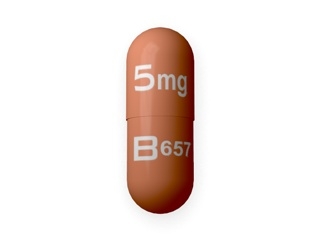
- How it’s taken: Usually oral capsules (strengths vary; dosing must be individualised)
- Therapeutic role: Reduces the activity of the immune system to help prevent rejection after transplant
- Availability: Typically supplied through authorised channels in Australia
Important: Tacrolimus has a narrow therapeutic index, meaning blood levels must be carefully balanced. Your prescriber may require regular blood tests and dose adjustments.
How Prograf works (mechanism of action)
Tacrolimus works by blocking T-lymphocyte activation, which are key immune cells involved in transplant rejection. It binds to an intracellular protein (FKBP-12), forming a complex that reduces activity of calcineurin. This leads to decreased production of inflammatory signals (such as interleukin-2), lowering the immune response.
The result is a reduction in the likelihood that your body will attack the transplanted organ, while still allowing enough immune function for day-to-day health.
Pharmacokinetics (how the body handles it)
Understanding pharmacokinetics can help explain why dose timing, consistency, and blood level monitoring matter.
- Absorption: Tacrolimus is absorbed from the gut, but absorption can vary between people.
- Metabolism: It is primarily metabolised by liver enzymes (notably CYP3A4/5).
- Distribution: It distributes into tissues and binds to blood proteins.
- Elimination: Metabolites are mainly eliminated via the liver and bile; the kidneys play a smaller role.
- Blood level monitoring: Because absorption and metabolism can vary, clinicians often monitor tacrolimus trough levels (blood level just before the next dose).
Why trough levels matter: If levels are too low, rejection risk increases; if too high, the risk of toxicity increases. Dose adjustments are therefore typically based on your blood tests and clinical status.
Typical use in Australia
Prograf is used as an immunosuppressant in transplant medicine and may be used for other immune-related conditions as determined by a specialist. Use depends on your transplant type, overall regimen, and your personal risk factors.
Common scenarios
- Prevention of organ transplant rejection (often used with other immunosuppressants)
- Treatment of certain rejection episodes or adjustments when other regimens are not suitable (always clinician-directed)
- Other specialist-indicated immune conditions in select cases
Indications (what it’s used for)
Indications are determined by your doctor and are described in the approved product information for tacrolimus formulations available in Australia. In practice, tacrolimus is commonly indicated for:
- Prevention of rejection in patients receiving organ transplants
- Prophylaxis and management of graft rejection as part of a broader immunosuppressive strategy
Your transplant team will confirm the intended use for your situation.
Dosing and timing
Individual dosing varies based on organ type, time since transplant, other medicines, and measured blood tacrolimus levels. Only your clinician can set the correct regimen for you.
General dosing principles
- Take doses at consistent times each day.
- Do not change the dose or dosing schedule without medical advice.
- Regular blood tests are commonly scheduled to measure trough levels and monitor kidney function, liver tests, electrolytes, and blood counts.
- Adherence is critical—missed doses or irregular timing can affect blood levels.
Timing and blood test coordination
Many clinicians measure tacrolimus trough levels, typically taken right before your next dose. Ask your clinic whether your blood draw should occur at a specific time relative to your last dose.
How to take Prograf safely
- Follow the instructions on your prescription and the CMI.
- Consistency: aim for the same daily timing and the same approach to food intake (see below).
- Capsules: do not open, crush, or change your formulation unless your healthcare team specifically instructs you.
- Missed dose: take it as soon as you remember unless it’s close to the next dose. Do not take double doses. Ask your pharmacist if you’re unsure.
If you are unsure about your exact schedule, contact your transplant clinic or pharmacist for guidance.
Food interactions and nutrition
Food—especially meals that differ in fat content—can affect how much tacrolimus is absorbed. For many patients, consistent food habits help maintain stable blood levels.
Practical advice
- Try to take Prograf in the same way each day (with or without food, as advised by your clinician).
- Inform your team if your diet changes significantly (for example, moving to high-fat meals or starting weight-loss dietary plans).
- If you have been switched between brands or formulations, discuss food timing and follow-up blood levels, because consistency is important.
Alcohol use and certain supplements can also influence metabolism and overall safety, so keep your medication list up to date for your clinicians.
Alcohol and medicine interactions
Tacrolimus is metabolised in the liver and can be affected by medicines that alter liver enzymes and transport proteins. This can cause tacrolimus blood levels to rise (increasing toxicity risk) or fall (increasing rejection risk).
Alcohol
Moderate alcohol may be tolerated by some patients, but alcohol can worsen dehydration risk, affect liver health, and interact with other medicines you may be taking. For transplant recipients, liver function can be particularly important.
- Speak to your doctor or pharmacist about whether alcohol is appropriate for you personally.
- Avoid binge drinking and be mindful of symptoms such as dizziness, sleepiness, vomiting, or changes in urine output.
Key medicine interaction categories
The following categories are commonly relevant. Your pharmacist can check interactions with your exact regimen.
- Antifungals (e.g., some azoles) — may increase tacrolimus levels
- Antibiotics (some macrolides; others may affect CYP enzymes) — can increase levels
- Antivirals (for hepatitis/HIV) — may significantly affect metabolism
- Calcium channel blockers (some types) — may increase tacrolimus levels
- Proton pump inhibitors / acid reducers — may influence absorption or metabolism in some cases
- St John’s wort (Hypericum) — can reduce tacrolimus levels and risk rejection
- Rifampicin and rifabutin — can lower tacrolimus levels
What to do if you start or stop another medicine
- Tell every healthcare professional that you take tacrolimus.
- Before starting new medicines (including over-the-counter products and supplements), ask your pharmacist.
- If a medicine is added or removed, your clinic may require earlier blood tests and possible dose adjustment.
Safety profile and side effects
Tacrolimus can cause side effects. Some are mild; others may be serious and require prompt medical attention. Because your immune system is suppressed, infection risk is a major consideration.
Common side effects
- Neck/hand tremor
- Headache
- GI symptoms (nausea, diarrhoea)
- High blood pressure
- Electrolyte changes (e.g., high or low potassium, magnesium changes)
- Increased blood sugar or worsening diabetes control
Serious risks to know about
- Infection (because immune response is reduced) including opportunistic infections
- Kidney problems (tacrolimus can affect renal function)
- Neurotoxicity (e.g., confusion, seizures, severe headache—seek help urgently)
- Cardiovascular effects such as high blood pressure
- Blood disorders (changes in blood counts)
- Graft-related concerns if tacrolimus levels become too low
When to seek urgent medical help
Contact emergency services or your local hospital if you experience symptoms such as:
- Severe allergic-type reaction (swelling of face/lips, difficulty breathing)
- Fainting, severe dizziness, or confusion
- Seizures
- High fever or signs of a serious infection (especially if you feel very unwell)
- Severe reduced urine output, sudden weight gain with breathlessness, or marked swelling
- Persistent vomiting/diarrhoea leading to dehydration
Practical use tips (for better outcomes)
1) Keep blood levels steady
- Take Prograf at the same times every day.
- Keep your food pattern consistent and follow your team’s instructions.
- Do not switch brands or formulations without discussion, because bioavailability can differ.
2) Plan for monitoring
- Attend all blood test appointments.
- Ask what your last tacrolimus trough level was and what target range you are aiming for.
- Monitor blood pressure and discuss new symptoms early.
3) Infection prevention
- Practice good hand hygiene.
- Avoid close contact with people who have contagious infections.
- Report symptoms early (fever, cough, painful urination, diarrhoea, unusual fatigue).
4) Medication organisation
- Use a pill organiser and alarms if helpful.
- Keep a written list of all medicines and supplements you take.
- Bring the list to appointments and show it to any new doctor.
Alternative options
Depending on your condition and transplant regimen, alternatives may include other tacrolimus formulations or different immunosuppressant medicines. Choice depends on stability of blood levels, side-effect profile, kidney function, drug interactions, and clinician preference.
Possible alternatives to discuss
- Other tacrolimus formulations (different dosing regimens or release profiles)
- Cyclosporin (another calcineurin inhibitor)
- Sirolimus/everolimus (mTOR inhibitors)
- Mycophenolate mofetil and related medicines (antiproliferative immunosuppressants)
- Azathioprine in certain regimens
- Biologic agents in selected circumstances (specialist use)
Switching medicines can change drug levels and side effects, so any change must be coordinated by your transplant team.
Market and legal context for Australia
In Australia, medicines are regulated by TGA (Therapeutic Goods Administration). Tacrolimus products are prescription medicines in Australia and must be supplied appropriately through lawful channels.
When purchasing online, choose reputable Australian pharmacies and ensure the product is supplied with correct packaging, label details, and Consumer Medicine Information. Avoid unauthorised sellers, as counterfeit or expired medicines pose significant risks—especially for drugs where accurate dosing and reliable formulation matter.
Pharmacist involvement: An Australian pharmacist can check interactions, advise on administration and monitoring, and help ensure the correct supply.
Recent guidance and monitoring considerations
While guidance can evolve, common themes in transplant care include:
- Therapeutic drug monitoring for tacrolimus trough levels to balance rejection prevention and toxicity risk.
- Careful management of drug–drug interactions, especially with antifungals, antibiotics, antivirals, and other liver-metabolised medicines.
- Consistency when switching formulations and attention to food-related absorption differences, followed by appropriate blood level checks.
- Enhanced infection vigilance and immunisation planning (in line with transplant and public health recommendations) where appropriate.
For the most current local advice, your transplant clinic and your pharmacist are best placed to guide you.
Delivery and availability (Australia)
Delivery options depend on the pharmacy you use and your location in Australia. Reputable online pharmacies typically offer:
- Secure packaging to protect medicines during transit
- Clear product information including strength, batch/expiry details, and labelling
- Tracking and delivery notifications where available
- Privacy considerations during delivery
If your medicine is urgently needed for dose continuity, contact customer support before placing an order to confirm dispatch times. For transplant patients, maintaining uninterrupted access is important.
FAQ
1) What is Prograf used for?
Prograf (tacrolimus) is used to prevent organ transplant rejection and may be used for other specialist-indicated immune conditions, depending on your clinical situation. It suppresses immune activity to help protect your transplanted organ.
2) Why do I need regular blood tests?
Tacrolimus blood levels can vary due to absorption and metabolism. Monitoring helps keep levels in the recommended range to reduce the risk of rejection (if levels are too low) and toxicity (if levels are too high).
3) Can I take Prograf with food?
Food can affect absorption. Many patients are advised to take tacrolimus consistently (either always with or always without food, depending on their treatment plan). Follow your clinician’s instructions and keep your diet routine stable.
4) What happens if I miss a dose?
If you miss a dose, take it as soon as you remember unless it’s near the time for your next dose. Do not take a double dose. If you’re unsure, ask your pharmacist or transplant clinic for advice.
5) Are there medicines I should avoid?
Several medicine groups can interact with tacrolimus and affect blood levels, including certain antifungals, antibiotics, antivirals, calcium channel blockers, and medicines like rifampicin. Avoid starting new medicines or supplements without checking first. Also avoid St John’s wort.
6) Can I drink alcohol while taking Prograf?
Alcohol may not be suitable for everyone on tacrolimus, especially if liver function is affected or if other medicines increase risks. Ask your doctor or pharmacist for personalised advice. If allowed, keep intake moderate and avoid binge drinking.
7) What side effects should I watch for?
Common side effects can include tremor, headache, and stomach upset. More serious concerns include infections, kidney problems, severe neurological symptoms, and high blood pressure. Seek urgent help if you experience severe or rapidly worsening symptoms.
8) Is Prograf interchangeable with other tacrolimus products?
Tacrolimus products may differ in formulation and bioavailability. Switching should only be done under clinician guidance with appropriate blood level monitoring.
9) How quickly will Prograf start working?
Tacrolimus begins working after absorption, but the time course and stability of blood levels vary. Your treatment team will monitor trough levels and adjust dosing as needed to achieve the correct regimen for your transplant and risk profile.
10) What if I have kidney or liver problems?
Tacrolimus can affect kidney function and is metabolised in the liver. Your clinician will monitor kidney and liver tests closely and may adjust your dose based on your blood levels and overall condition.
Summary
Prograf (tacrolimus) is an important immunosuppressant medicine used to help prevent transplant rejection. Because it can interact with other medicines and absorption can vary, consistent dosing timing, careful food habits, and regular blood level monitoring are key. If you take Prograf, promptly report infection symptoms, follow monitoring appointments, and always check before starting any new medicine or supplement.