
Pletal (Cilostazol) – Patient-Friendly Guide (Australia)
Pletal is a medicine containing cilostazol. It is used to improve symptoms related to reduced blood flow to the legs, particularly in people with peripheral arterial disease (PAD). This guide explains how Pletal works, how it is taken, important safety information, and what to expect in day-to-day use.
This information is designed to be helpful and easy to understand. Always follow the advice provided by your healthcare professional and the instructions on your medicine label.
At a Glance
- Medicine: Pletal (cilostazol)
- Uses: Helps improve walking distance in PAD (claudication)
- How it works: Improves blood flow and reduces platelet clumping
- Common dosing form: Tablets
- Key safety notes: Not for certain heart failure conditions; can interact with other medicines and some foods/drinks
Basic Product Information
- Generic name: Cilostazol
- Brand name: Pletal
- Medicine type: Antiplatelet/vasodilator (blood-flow and platelet effect)
- Regulatory status in Australia: Available through regulated healthcare channels. Availability may vary by pharmacy and supply.
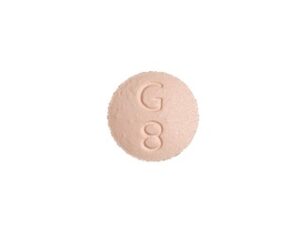
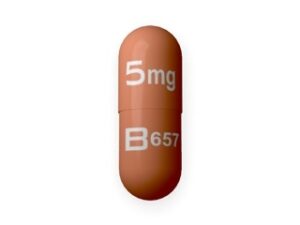
What it looks like: Pletal is supplied as oral tablets (strengths depend on local product listing). Your pharmacy will confirm the exact strength.
Mechanism of Action (How Pletal Works)
Cilostazol helps treat symptoms of PAD by combining several effects:
- Antiplatelet effect: It reduces platelet aggregation (less “clumping” of blood platelets), which can help improve microcirculation.
- Vasodilation: It relaxes blood vessels, which may improve blood flow to tissues—especially the working muscles in the legs.
- Improved cyclic AMP signalling: Cilostazol inhibits phosphodiesterase (PDE) enzymes, leading to increased levels of cAMP. This contributes to both anti-platelet and vasodilatory effects.
What you may notice: Over time, many people can walk longer before pain develops. This is often referred to as improved “claudication distance.”
Typical Use in Australia
Cilostazol is primarily used for people who have intermittent claudication due to peripheral arterial disease—pain, cramping, or discomfort in the legs during walking that improves with rest.
It is usually part of a broader PAD care plan that can include:
- Supervised or structured exercise therapy
- Smoking cessation support
- Blood pressure and cholesterol management
- Diabetes care (if applicable)
- Foot care and wound prevention
Indications (When Pletal is Used)
Pletal is indicated for improving symptoms in patients with intermittent claudication due to peripheral arterial disease—to increase walking distance and reduce leg pain associated with walking.
Important: Cilostazol is not a cure for the underlying vascular condition. It helps manage symptoms and can complement lifestyle and medical measures.
Dosing – How to Take Pletal
Dosing should always be aligned with the instruction provided by your healthcare professional and the product label.
Common adult dosing
In many settings, cilostazol is taken as a twice-daily regimen.
- Typical dose: Often 100 mg twice daily
- How to space doses: Aim for roughly 12 hours apart (for example, morning and evening)
How long until it helps?
Some people notice symptom improvement within a few weeks, but walking benefits may build over time. If you are not seeing any improvement, speak with your healthcare professional rather than stopping on your own.
Missed dose
- If you miss a dose, take it when you remember unless it is close to the next dose.
- Do not double up to make up for a missed dose.
Swallowing tips
- Swallow tablets with a full glass of water.
- Try to take them consistently at similar times each day.
Timing & Practical Use Tips
Because Pletal is often taken twice daily, developing a routine can help you stay consistent.
- Choose two daily anchor times (e.g., after breakfast and after dinner).
- Stay consistent—regular dosing improves the chance of symptom improvement.
- Track walking ability (for example, note how long you can walk before discomfort). This helps you and your clinician judge whether it is working.
- Continue exercise: even with medication, structured exercise therapy is a key part of PAD management.
Pharmacokinetics (What the Body Does to Cilostazol)
Pharmacokinetics describes how the body absorbs, distributes, metabolises, and eliminates cilostazol.
- Absorption: Cilostazol is absorbed after oral dosing; taking it regularly helps maintain steady effects.
- Distribution: It is widely distributed in the body.
- Metabolism: Cilostazol is primarily metabolised in the liver by enzymes including CYP3A4 and CYP2C19.
- Elimination: Metabolites are eliminated through the body’s normal clearance pathways (including via urine and faeces).
- Metabolic interactions matter: Medicines that inhibit or induce CYP enzymes can raise or lower cilostazol levels—affecting both effectiveness and side effects.
Clinical meaning: Because metabolism depends on liver enzymes, medication interactions can be important. If you start or stop other medicines, ask your clinician or pharmacist whether anything should be adjusted.
Food Interactions (Including Timing With Meals)
Cilostazol can be taken with or without food for many people, but food can still influence tolerability.
- Stomach comfort: If you experience nausea, take your dose with food.
- Consistency: Take it the same way each day (with food or without) unless your clinician advises otherwise.
Grapefruit and similar products: Because cilostazol is metabolised by liver enzymes, strong enzyme inhibitors (including some citrus products) may increase cilostazol exposure in certain people. If you want to include grapefruit or supplements made from it, discuss with your pharmacist.
Alcohol & Medicine Interactions
Alcohol
- General advice: Moderate alcohol use is usually acceptable for many people, but cilostazol can cause dizziness or headache in some users.
- Safety: Alcohol may worsen dizziness and increase the chance of falls. Avoid excessive alcohol.
Medicine interactions (very important)
Because cilostazol affects platelet function and is metabolised by liver enzymes, interactions can change bleeding risk and drug levels.
Tell your pharmacist or healthcare professional if you use:
- Other antiplatelet medicines (e.g., aspirin, clopidogrel) or anticoagulants (e.g., warfarin, apixaban, rivaroxaban): may increase bleeding risk.
- Strong CYP3A4 inhibitors (some antifungals and macrolide antibiotics): can increase cilostazol levels.
- Strong CYP2C19 inhibitors (some acid-reducing medicines, depending on product): can increase cilostazol levels.
- Other blood-pressure medicines: may add to blood-pressure lowering effects in some people.
What to do: Do not start, stop, or change doses of interacting medicines without advice. Your pharmacist can check your medicine list for interactions.
Safety Profile (Who Should Be Careful)
Like all medicines, Pletal can cause side effects. Most are mild to moderate, but some require urgent attention.
Common side effects
- Headache
- Dizziness
- Palpitations or awareness of heartbeat
- Diarrhoea or gastrointestinal upset
- Swelling of the lower legs/feet (less common)
Serious side effects – seek urgent advice
Contact a healthcare professional urgently or seek emergency care if you experience:
- Signs of bleeding: unusual bruising, black/tarry stools, vomiting blood, persistent nosebleeds, bleeding that won’t stop
- Chest pain, severe shortness of breath, fainting
- Severe allergic reaction: swelling of face/lips, difficulty breathing, widespread rash
- Severe weakness or unusual fatigue that could indicate anaemia or bleeding
Important contraindications / who should not use
Cilostazol is generally not suitable for certain people, particularly those with:
- Heart failure
- Known hypersensitivity to cilostazol or any component of the tablet
Medical conditions to discuss with your clinician before starting include:
- History of bleeding disorders
- Significant liver disease
- Kidney problems (dose and monitoring may be considered)
- Low blood pressure or frequent dizziness/fainting
Monitoring
Your healthcare professional may monitor:
- Symptom improvement (walking distance)
- Heart rate and blood pressure
- Any signs of bleeding
- Appropriate blood tests if needed (depending on your overall risk profile)
Practical Use Tips for Day-to-Day Success
- Build a routine: Take it at the same times each day (morning/evening).
- Watch for bleeding: If you notice unusual bruising or bleeding, contact your clinician promptly.
- Mind dizziness: If you feel light-headed, avoid driving or operating machinery until you know how the medicine affects you.
- Stay active: PAD improves best with a combination of medicine and exercise training.
- Keep an updated medicine list: Include all prescriptions, over-the-counter medicines, herbal products, and supplements.
- Avoid doubling: If you miss a dose, don’t take two at once.
Alternative Options (If Pletal Isn’t Suitable)
PAD treatment is individual. Depending on your symptoms and medical history, alternatives may include:
- Exercise therapy (including supervised walking programmes) – one of the most effective non-drug approaches.
- Other medicines for PAD risk reduction (e.g., lipid-lowering medicines, blood pressure medicines, diabetes management).
- Antiplatelet therapy where appropriate (your clinician will decide based on your overall cardiovascular risk).
- Procedures for selected patients with more severe disease (e.g., endovascular or surgical options), depending on vascular assessment.
Note: The best option depends on your PAD severity, other conditions, and which medicines you already take.
Market & Legal Context for Australia (Helpful Overview)
In Australia, medicines are supplied and managed through regulated channels to ensure quality, safety, and correct use. Supply of prescription-only and other regulated medicines must follow legal requirements.
- Pharmacy checks: Pharmacies verify eligibility and medicine suitability based on patient-specific factors.
- Good dispensing practice: You should receive clear instructions about how to take the medicine, possible side effects, and when to seek help.
- Supply variability: Availability can change due to distribution schedules and stock levels.
If you have questions about access or availability, ask your local pharmacy or check the product listing on a reputable Australian pharmacy website.
Recent Guidance & Ongoing Clinical Considerations
Clinical practice for PAD is continuously updated through research and guideline recommendations. While advice can vary, common themes include:
- Exercise is essential: Guidelines often emphasise structured exercise as a cornerstone of PAD management.
- Cardiovascular risk control: PAD is linked to overall cardiovascular risk. Managing cholesterol, blood pressure, and smoking cessation remains central.
- Individual risk–benefit assessment: Medication choice considers bleeding risk, heart conditions, and drug interactions.
- Safety vigilance: Because cilostazol can affect heart rate and bleeding risk, clinicians monitor tolerability and adverse effects.
Your healthcare professional may apply guidance from Australian and international bodies when making treatment decisions.
Delivery & Availability (Online Pharmacy)
Availability and delivery timeframes depend on stock status and your location within Australia.
- In-stock items: May dispatch quickly according to the pharmacy’s shipping policy.
- Backorders: If a product is temporarily unavailable, some pharmacies offer estimated restock dates.
- Cold chain: Cilostazol tablets do not typically require cold storage.
Storage: Keep tablets in a cool, dry place, protected from moisture, and store according to label instructions.
Ordering tip: Ensure your contact details are up to date so the pharmacy can reach you if they need to clarify delivery or product information.
FAQ
1) What is Pletal (cilostazol) used for?
Pletal is used to improve symptoms of intermittent claudication from peripheral arterial disease. It can increase walking distance and reduce leg pain that occurs during walking.
2) How long does it take to work?
Many people notice improvement within weeks, but benefits may build over time. If you have no improvement, discuss it with your clinician rather than stopping suddenly.
3) Can I take Pletal with food?
Often it can be taken with or without food. If you get nausea or stomach upset, taking it with food may improve tolerability.
4) What should I avoid while taking cilostazol?
Avoid starting new medicines or supplements without checking interactions—especially medicines that can affect bleeding risk or liver enzyme pathways. Also avoid excessive alcohol and be cautious if you feel dizzy.
5) Does Pletal thin the blood?
Cilostazol affects platelet function, which can reduce platelet clumping. While it is not the same as anticoagulants, it can still increase bleeding risk in some situations, especially if combined with other blood-thinning medicines.
6) Is Pletal safe for everyone with PAD?
No. It may not be suitable for people with certain heart conditions (particularly certain types of heart failure) or those with a history of severe bleeding or hypersensitivity. Your clinician will assess suitability.
7) What happens if I miss a dose?
Take it when you remember if it’s not close to the next dose. Otherwise, skip the missed dose and continue your normal schedule. Do not double.
8) What side effects are most common?
Common side effects include headache, dizziness, palpitations, and gastrointestinal upset such as diarrhoea.
9) When should I seek urgent help?
Seek urgent medical advice for signs of serious bleeding, allergic reactions, chest pain, severe shortness of breath, fainting, or severe symptoms that worry you.
10) Are there alternatives to Pletal?
Yes. Depending on your overall condition, options may include structured exercise programmes, other cardiovascular risk-reduction medicines, antiplatelet therapy where appropriate, and in selected cases vascular procedures.
Summary
Pletal (cilostazol) is a medicine used in Australia to improve symptoms of intermittent claudication due to peripheral arterial disease. It works by helping blood vessels relax and by reducing platelet clumping. For best results, it is usually taken twice daily, consistently, while continuing lifestyle measures—especially exercise—and cardiovascular risk management.
If you have questions about your specific situation, your pharmacist or healthcare professional can help check interactions, clarify dosing, and guide you on when to seek help.