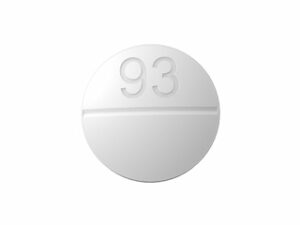
Nexium (Esomeprazole) – Patient Information (Australia)
Nexium contains the active ingredient esomeprazole, a medicine used to reduce stomach acid. It is commonly used for heartburn and other acid-related conditions. This page is designed to be clear and patient-friendly and includes practical guidance for safe and effective use in Australia.
Quick Facts
- Active ingredient: Esomeprazole
- Medicine type: Proton Pump Inhibitor (PPI)
- Helps with: Frequent heartburn, reflux symptoms, acid-related indigestion and healing of certain oesophageal conditions
- How it works: Reduces acid production in the stomach
- Best timing: Usually taken before food (often before breakfast)
Basic Product Information
Nexium is a branded medicine containing esomeprazole, a proton pump inhibitor (PPI). PPIs block the final step of acid production in the stomach. In Australia, Nexium is available in different strengths and dosage forms depending on the indication and age group.
Common strengths/formats you may see:
- Tablets (enteric-coated) in different strengths
- Some presentations intended for specific dosing schedules
Always check the package label for your exact strength and instructions. If you’re unsure which product you have, ask a pharmacist.
How Nexium Works (Mechanism of Action)
Esomeprazole belongs to the PPI group. It reduces stomach acid by inhibiting the proton pumps (H+/K+-ATPase) in the stomach lining. These pumps are responsible for producing acid. By blocking their activity, Nexium can:
- Decrease acid secretion
- Allow healing of inflammation caused by acid (such as reflux oesophagitis)
- Reduce symptoms like heartburn, acid regurgitation, and burning pain
PPIs are most effective when taken before meals because acid production increases in anticipation of eating. With regular use, symptom control often improves quickly, and healing can take longer.
Pharmacokinetics (How the Body Handles It)
Pharmacokinetics describes what happens to a medicine after you take it. For esomeprazole:
- Absorption: Esomeprazole is absorbed from the small intestine after passing through the stomach. Enteric coating helps protect it from stomach acid.
- Onset: You may notice symptom relief within the first day, but maximum acid suppression can take several days of consistent dosing.
- Distribution & metabolism: It is metabolised primarily in the liver.
- Elimination: Metabolites are eliminated mainly through the kidneys and, to some extent, the bile/faeces.
In many people, taking Nexium consistently at the correct time improves results. If you miss a dose, follow your product instructions (or ask a pharmacist for guidance).
Typical Uses and Indications
Nexium is used for conditions where reducing stomach acid improves symptoms and/or supports healing. In Australia, Nexium may be used for adult and, depending on the product and strength, some paediatric indications as directed by healthcare professionals.
Common indications include:
- Gastro-oesophageal reflux disease (GORD) – including frequent heartburn and acid reflux symptoms
- Reflux oesophagitis – inflammation of the oesophagus due to reflux
- Ulcer conditions associated with acid (as part of therapy plans, depending on the cause)
- Prevention of stomach ulcers in certain people at higher risk when using medicines that can irritate the stomach (e.g., some pain and inflammation medicines), based on clinician advice
The exact indication and treatment duration depend on your symptoms, any underlying cause (such as H. pylori infection), and your risk factors.
When to Take Nexium (Timing and How to Use)
Timing is important for PPIs. Nexium is generally most effective when taken before food, because stomach acid is activated in anticipation of a meal.
Typical timing
- Once daily dosing: Take it before breakfast unless your instructions say otherwise.
- Twice daily dosing (if prescribed): Take doses before breakfast and before dinner.
How to take the tablet
- Swallow whole with water.
- Do not crush or chew (unless your specific product instructions allow it).
- Try to take it at about the same time each day.
If you forget a dose
If you miss a dose, take it as soon as you remember unless it’s close to the time for your next dose. Do not take a double dose to make up for the missed one. If you’re unsure, ask a pharmacist.
Food Interactions and Effects
Nexium’s absorption and effectiveness are influenced by food timing mainly because acid production changes with meals. Food does not usually “cancel” the medicine, but taking it after meals can reduce how well it controls acid.
Practical advice:
- For best results, take Nexium before eating.
- If you usually eat late in the morning, consider taking it before your first meal (as directed).
- Keep other lifestyle measures for reflux in place (see tips below).
There are not typically major direct food “drug interactions,” but comfort and symptom control can improve when taken correctly timed relative to meals.
Alcohol Interactions
Alcohol does not directly neutralise Nexium in most cases, but it can worsen reflux symptoms by relaxing the lower oesophageal sphincter and irritating the oesophagus for some people. This can make symptoms feel less controlled even if acid suppression is working.
Recommendation:
- If you drink alcohol, consider limiting it—especially if you notice heartburn or regurgitation after drinking.
- Avoid heavy drinking close to bedtime.
Interactions With Other Medicines
Many medicines can interact with PPIs by affecting absorption (what your body absorbs) or by influencing liver enzyme activity. Some interactions are more clinically important than others.
Common interaction considerations include:
- Medicines that require stomach acid for absorption: Reduced acid can decrease absorption of certain drugs (examples include some antifungals and some anticancer medicines, depending on the drug).
- Clopidogrel: PPIs can reduce clopidogrel activation in some circumstances. Clinicians often consider alternatives or timing strategies depending on the situation.
- HIV medicines: Some antiretroviral drugs can interact with PPIs.
- Warfarin: Changes in stomach acidity and liver metabolism may affect INR in some people. Monitoring may be needed.
- Digoxin: Reduced acid and electrolyte changes may increase digoxin levels in some situations.
- Methotrexate (especially high-dose): PPIs may affect methotrexate levels; this can be important in cancer or specialist care settings.
This list is not exhaustive. Always review your full medicine list (including over-the-counter products and supplements) with a pharmacist. If you receive new medications while on Nexium, check for interactions.
Dosing Information (General Guidance)
Dose depends on the condition being treated, your age, and your medical history. In Australia, dosing instructions for Nexium vary by indication and product strength. Follow the label or clinician directions.
General dosing patterns (adult, common examples):
- GORD/heartburn: Often once daily before breakfast; some people may require higher or longer regimens as directed.
- Reflux oesophagitis: Usually once daily with treatment duration set by the doctor.
- Ulcer-related conditions: Doses and duration may vary and may be combined with other therapies.
- Prevention in at-risk patients: Dose may be lower and tailored to risk.
Important: Never change your dose or stop early if you’re using Nexium for healing or prevention unless your clinician advises. If symptoms persist despite appropriate use, seek medical advice.
Safety Profile and Important Warnings
Most people tolerate esomeprazole well. However, as with any medicine, there are potential risks and side effects.
Common side effects
- Headache
- Nausea
- Diarrhoea or constipation
- Abdominal discomfort (bloating, pain)
Less common but important considerations
- Long-term use risks: Long-term PPI therapy may be associated with nutrient and infection-related concerns in some people. If you need long-term treatment, discuss monitoring and the lowest effective dose with a healthcare professional.
- Low magnesium (hypomagnesaemia): Rarely, PPIs can lower magnesium levels. This is more likely with prolonged use and may require blood tests and treatment changes.
- Bone fracture risk (with prolonged use): Some studies link long-term/high-dose PPI use with increased fracture risk, particularly in older adults or those with other risk factors.
- Kidney issues: Rare kidney inflammation has been reported with PPIs.
- Allergic reactions: Seek urgent help if you develop swelling of the face/lips, difficulty breathing, or severe rash.
Seek urgent medical attention if
- Chest pain that could be heart-related, especially if it occurs with exertion
- Vomiting blood or black/tarry stools
- Difficulty swallowing, persistent vomiting, or unexplained weight loss
- Severe or worsening symptoms, or symptoms that do not improve with appropriate treatment
Heartburn is common and often benign, but warning signs should be assessed promptly.
Practical Use Tips for Better Results
- Take it before food: Aim for consistent timing (commonly before breakfast).
- Give it time: Symptoms may improve quickly, but full effect can take several days.
- Use lifestyle strategies:
- Avoid lying down for 2–3 hours after meals
- Consider smaller meals and avoid large late-night meals
- Elevate the head of your bed if nighttime reflux is a problem
- Reduce trigger foods that worsen your symptoms (common triggers include fatty meals, spicy foods, chocolate, peppermint, and caffeine for some people)
- Consider the cause: If reflux is frequent (e.g., most days) or you need long-term treatment, discuss it with a pharmacist or doctor.
- Review interactions: If you start new medicines, check whether any interact with PPIs.
Alternative Options
Depending on your symptoms, severity, and medical history, alternative treatments may include:
Other acid-reducing medicines
- H2-receptor antagonists (e.g., famotidine): reduce acid but typically act differently and may be less effective than PPIs for healing.
- Antacids (e.g., aluminium/magnesium-based): provide faster, short-term relief for breakthrough symptoms.
- Alginate-based products: can form a barrier that reduces reflux symptoms after meals for some people.
Non-medicine approaches
- Weight management if relevant
- Dietary modification (identify personal triggers)
- Sleeping position adjustments
- Avoiding smoking
The best option depends on the condition being treated and whether you need symptom relief or healing. A pharmacist can help you choose appropriate short-term options for breakthrough symptoms.
Market and Legal Context for Australia
In Australia, medicines like Nexium (esomeprazole) are regulated under the Therapeutic Goods Administration (TGA). Availability, strengths, and whether supply requires certain responsibilities can vary by product formulation and indication.
Online pharmacies typically supply PPIs in line with Australian medicines scheduling and relevant requirements. If a medicine is limited to supply under specific conditions, the online pharmacy may request additional information to ensure appropriate use and safety.
For accurate, up-to-date product status and restrictions, always refer to the specific listing on the pharmacy website and the packaging for your exact Nexium product.
Recent Guidance and Ongoing Considerations
In clinical practice, PPIs are commonly used effectively, but health guidance increasingly emphasises:
- Using the lowest effective dose and reviewing the need for ongoing therapy
- Regularly reassessing symptoms and the duration of treatment
- Considering alternative or step-down approaches if symptoms improve
- Monitoring long-term risks in people requiring extended therapy (as advised by healthcare professionals)
If you have been using esomeprazole for a long time, it’s worth discussing with a pharmacist or doctor whether your dose and ongoing need remain appropriate.
Delivery and Availability (Online Pharmacy)
Availability of Nexium can depend on the specific strength and dosage form. Many online pharmacies offer ordering with delivery across Australia, including metro and regional areas.
What to expect:
- Check stock and choose the correct strength and pack size.
- Delivery timelines vary based on location and shipping method.
- Follow medication storage instructions (typically store below 30°C and protect from moisture).
If you require a specific product variant, confirm that it matches what your prescriber or pharmacist recommended.
Frequently Asked Questions (FAQ)
1) How quickly does Nexium work?
Some people notice symptom relief within the first day. However, maximum acid suppression and best symptom control usually occur after several days of regular dosing. Healing of reflux-related inflammation may take longer depending on the condition being treated.
2) Can I take Nexium with food?
It’s generally recommended to take Nexium before food for best results. If you accidentally take it after a meal, don’t panic—continue with your next scheduled dose. For consistent control, focus on pre-meal timing.
3) Is it safe to take Nexium long term?
Many people take PPIs safely for extended periods when there is a clear need. Long-term use should be regularly reviewed, and the lowest effective dose is often recommended. Discuss monitoring and risk factors with a healthcare professional.
4) What should I do if symptoms continue?
If your reflux symptoms persist despite correct use and timing, or if they return soon after stopping, you should seek advice. Persistent symptoms may require reassessment of the diagnosis, dosing strategy, or alternative treatments.
5) Can I drink alcohol while using Nexium?
Alcohol doesn’t typically directly “interact” in a way that cancels the medicine, but it can worsen reflux symptoms. Limiting alcohol can help improve comfort and effectiveness.
6) Does Nexium interact with other medicines?
Yes, some medicines may interact with PPIs through absorption changes or liver metabolism effects. Tell your pharmacist about all medicines and supplements you use, including over-the-counter products and herbal supplements.
7) Are there any dietary triggers I should avoid?
Triggers vary by person, but common ones include spicy foods, high-fat meals, chocolate, peppermint, caffeine, and late-night eating. Keeping a short symptom diary can help identify your triggers.
8) What are warning signs that I should not ignore?
Seek urgent medical attention if you experience vomiting blood, black stools, trouble swallowing, severe or persistent symptoms, unexplained weight loss, or chest pain that could suggest a heart-related condition.
9) Can I stop Nexium suddenly?
For many people, stopping is possible, but symptoms may return because stomach acid production can rebound temporarily. If you’ve been taking it regularly for a longer time, ask a pharmacist or doctor for guidance on the safest way to step down.
10) What’s an alternative if Nexium isn’t suitable?
Alternatives may include other acid-reducing medicines (like H2-receptor antagonists), alginate products for reflux episodes, or tailored lifestyle changes. The best choice depends on your diagnosis and symptom pattern.
Summary
Nexium (esomeprazole) is a proton pump inhibitor that helps reduce stomach acid. It works best when taken before meals, usually before breakfast, and is commonly used for reflux conditions such as GORD and reflux oesophagitis. Most people tolerate Nexium well, but it’s important to consider interactions, timing, and longer-term safety considerations—especially if you need treatment for months or years.
If you have questions about dose, timing, interactions, or whether your symptoms suggest something more serious, consult a pharmacist or other healthcare professional.