


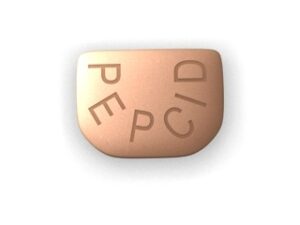
Famotidine (Aust. Pharmacy Information)
Famotidine is a medicine used to reduce the amount of acid produced in the stomach. It belongs to a group of medicines called H2-receptor antagonists (also known as H2 blockers). In Australia, famotidine is available in different strengths and brand formats, depending on the product.
This page provides patient-friendly information about how famotidine works, when it’s used, how to take it, and what to consider regarding food, alcohol, and other medicines. Always follow the directions on the product label or the advice of your healthcare professional.
Basic product information
| Feature | Details |
|---|---|
| Generic name | Famotidine |
| Drug class | H2-receptor antagonist (H2 blocker) |
| Common uses | Heartburn and acid-related symptoms; short-term treatment of certain stomach/oesophagus conditions |
| How it’s taken | Oral tablets or similar solid forms (form varies by brand) |
| Onset (typical) | Often within 1 hour, depending on the situation and dose |
| Duration | Many people experience relief for several hours |
How famotidine works (mechanism of action)
Famotidine reduces stomach acid by blocking histamine H2 receptors on cells in the stomach lining. Histamine normally stimulates these receptors to increase acid secretion. By blocking them, famotidine:
- Lowers basal (ongoing background) acid production
- Reduces stimulated acid production triggered by meals and other signals
- Helps relieve symptoms such as heartburn and acid indigestion
It may also help heal some forms of acid-related irritation when used for appropriate indications and durations.
Pharmacokinetics (how the body handles it)
Pharmacokinetics describes the journey of a medicine through the body—how it’s absorbed, distributed, metabolised, and eliminated.
- Absorption: Famotidine is absorbed after oral dosing. Food may slightly affect the rate of absorption for some people, which is why timing can matter.
- Distribution: It distributes throughout the body, with effects primarily in the gastrointestinal tract.
- Metabolism: Only a portion is metabolised in the liver. A large fraction is excreted largely unchanged.
- Elimination: Famotidine is cleared mainly by the kidneys. In people with reduced kidney function, the medicine may last longer.
- Half-life: The time it takes for the amount in the body to reduce by half can be prolonged in kidney impairment, so dosing adjustments may be needed.
Practical takeaway: If you have kidney disease or impaired renal function, it’s especially important to use the correct dose and dosing interval.
What it’s used for (typical uses and indications)
Famotidine is commonly used for acid-related disorders. Depending on the product strength and local Australian prescribing and supply context, it may be used for:
- Heartburn and symptoms of acid reflux (gastro-oesophageal reflux disease, or reflux-related discomfort)
- Acid indigestion
- Dyspepsia symptoms linked to increased stomach acid
- Some conditions where reduction of gastric acid is helpful (such as certain ulcer-related or prevention strategies), as determined by your clinician and the approved product information
When symptoms suggest urgency: Seek urgent medical attention if you have symptoms such as vomiting blood, black/tarry stools, difficulty swallowing, unintended weight loss, severe persistent abdominal pain, or symptoms that occur with chest pain/shortness of breath (which could indicate a heart problem).
When to take famotidine (timing and how to use it)
Timing depends on the symptom pattern and the formulation you’re using.
Common timing approaches
- For daytime symptoms: Take as directed earlier in the day (often before meals if label instructions recommend this).
- For night-time or bedtime reflux: Taking a dose before bed is often considered for people who mainly notice symptoms at night.
- For recurring symptoms: Use consistent timing rather than waiting until symptoms are severe, when possible.
Suggested practical method
- Swallow the tablet whole with water (unless the specific product instructions state otherwise).
- Use a dosing schedule that fits your routine and follows the product label.
- If you forget a dose, take it when you remember unless it’s close to the next scheduled dose—then resume your regular schedule.
Note: Always check your exact product’s directions, as different strengths and brand formats may have different instructions.
Food interactions
Famotidine works by reducing acid secretion, and meals can influence how and when your body experiences symptoms.
- Does food “cancel” famotidine? Usually not. However, food may affect symptom timing and—depending on the formulation—may slightly influence absorption rate.
- Best practice for symptom control: Many people find relief by taking famotidine before meals or before the time symptoms usually occur, but follow the product label guidance.
- Maintaining reflux control: Consider combining the medicine with lifestyle measures such as avoiding large late meals, reducing trigger foods, and keeping an upright posture after eating.
If you notice that symptoms worsen after certain foods (e.g., spicy foods, fatty meals, caffeine, chocolate, peppermint, or alcohol), adjust your diet accordingly.
Alcohol interactions
There is no single “universal” alcohol interaction that applies to everyone, but alcohol can worsen reflux and heartburn by relaxing the valve between the oesophagus and stomach and by irritating the digestive tract.
- Potential effect: Even if famotidine reduces acid, alcohol may still trigger symptoms.
- Practical recommendation: If you experience reflux or indigestion, limiting alcohol—especially in the evening—may improve symptom control.
If you regularly drink alcohol and have frequent reflux symptoms, consider discussing your overall plan with a healthcare professional.
Medicine interactions (including important considerations)
Famotidine can affect stomach acidity, which may alter how some medicines are absorbed. It can also interact with kidney clearance depending on the medicine involved. Always review your full list of medicines and supplements.
Medicines where acidity changes may matter
- Some oral medications depend on stomach acidity for absorption. Reducing acid may affect their effectiveness for some people.
- Antifungal medicines and certain antivirals may have absorption that is influenced by acid levels—your pharmacist can help check this.
Kidney-related considerations
- Because famotidine is largely cleared by the kidneys, other medicines that affect kidney function—or that are also cleared by the kidneys—may be relevant.
- In kidney impairment, dose adjustment may be required and interactions become more important.
How to minimise interaction risk
- Ask your pharmacist if you take multiple regular medicines.
- Keep a medication list (including over-the-counter products and supplements) to review before starting.
- If advised, separate dosing of certain medicines by several hours to reduce absorption issues.
Always read the labels of both famotidine and any other medicine you take, and check for warnings about timing and interactions.
Dosing guidance (general patient information)
Because available strengths and product instructions can differ, the safest advice is to use the dose and schedule exactly as listed on the label for your product.
General patterns seen in practice
- Intermittent or mild symptoms: People may use lower doses for short-term symptom relief.
- Frequent symptoms: Some people take a scheduled dose pattern rather than only “as needed,” for more consistent control.
Kidney impairment
If you have reduced kidney function, famotidine may remain in the body longer. Dosing intervals may need adjustment. In this situation, follow clinician and product-label directions closely, and consider pharmacist support to ensure the correct regimen.
What to do if symptoms persist
- If symptoms continue despite correct use, you may need reassessment of the cause of symptoms.
- Recurrent or long-lasting reflux may require a different approach or a longer-term plan determined by your healthcare professional.
Safety profile and side effects
Famotidine is generally well tolerated by many people when used as directed. However, like all medicines, it may cause side effects in some individuals.
Common or expected side effects
- Headache
- Dizziness (less common)
- Constipation or diarrhoea (reported in some people)
- Stomach discomfort or nausea
Less common but important reactions
- Allergic reactions such as rash, itching, swelling of the face/lips, or trouble breathing
- Unusual changes in mood or confusion (more relevant in older adults, particularly with kidney impairment)
When to stop and seek urgent help
Get urgent medical help if you experience signs of an allergy (e.g., swelling or breathing difficulty) or any severe or concerning symptoms such as persistent vomiting, black/tarry stools, or severe abdominal pain.
Special populations
- Older adults: Generally tolerated, but be mindful if you have kidney impairment or take multiple medicines.
- Kidney disease: Dosing may require adjustment; consult with a healthcare professional.
- Pregnancy and breastfeeding: Use should be guided by healthcare advice and the product information.
- Children: Dosing must match paediatric guidance specific to the product and age/weight; check product instructions carefully and seek advice if needed.
Practical use tips for best results
- Match timing to symptoms: If you feel reflux mainly at night, consider timing that supports overnight control (as directed on the label).
- Use consistently when needed: If your symptoms recur, taking famotidine regularly for a short planned period may work better than taking it only after symptoms start.
- Pair with lifestyle changes: Avoid large meals late in the day, reduce trigger foods, and try not to lie down immediately after eating.
- Track triggers: Keeping a simple diary of food, timing, stress, and symptoms can help identify patterns.
- Don’t ignore warning signs: If symptoms change, worsen, or persist, get medical advice.
Alternative options (what else can help?)
Depending on your symptoms and medical history, other options may include:
Antacids
- Work quickly by neutralising existing stomach acid
- Often used for short-term breakthrough symptoms
Other H2 blockers
- Examples may include other H2-receptor antagonists with different onset and duration profiles
Proton pump inhibitors (PPIs)
- Medicines that reduce acid production more strongly than H2 blockers and may be preferred for frequent or persistent reflux—where appropriate
Non-medicine approaches
- Dietary adjustments
- Weight management (if relevant)
- Elevating the head of the bed
- Avoiding tight clothing and late meals
If you’re unsure which option fits your symptom pattern, talk to a pharmacist—especially if you have frequent symptoms, long-term reflux, or take other medicines.
Market and legal context in Australia
In Australia, the availability of famotidine depends on the specific product and strength. Some medicines may be supplied as non-prescription medicines for certain indications, while others may be provided under different healthcare pathways according to the product’s regulatory status.
For online pharmacies, we ensure products are supplied in accordance with Australian regulations and appropriate consumer information requirements.
Important: Always check the product page for the specific item you’re purchasing (strength, formulation, and approved directions). Laws and regulatory classifications can change over time, and different brands may have different approved usage instructions.
Recent guidance and healthcare considerations (Australia-focused)
While guidance can vary by individual circumstances, common clinical advice in Australia for acid reflux management typically includes:
- Optimising lifestyle measures (meal size and timing, triggers, posture)
- Using acid-suppressing medicines for the shortest effective duration when symptoms are mild or intermittent
- Reviewing persistent symptoms rather than repeatedly escalating self-treatment without assessment
- Checking for red flags (e.g., weight loss, bleeding, difficulty swallowing)
Because ongoing or severe symptoms may indicate conditions that require further evaluation, persistent reflux should be discussed with a healthcare professional.
Delivery and availability
Famotidine may be available through online pharmacy services depending on stock levels and the specific brand and strength. Availability can change, so delivery timeframes may vary.
Typical delivery information to look for at checkout:
- Estimated dispatch and delivery time
- Service area and postcode eligibility
- Packaging and privacy handling
- Delivery conditions for cold-chain (usually not required for tablets, but always follow product handling guidance)
If you require regular repeat supplies, check whether the pharmacy offers repeat purchasing or scheduling options.
FAQ: Famotidine (patient questions)
1) How fast does famotidine work?
Many people notice symptom improvement within about an hour. For some, relief may take longer depending on how severe the reflux is, what and when they ate, and the formulation used.
2) Can I take famotidine with food?
Yes, it can generally be taken with or without food, but many people get best symptom control by taking it before meals or before the time symptoms usually occur. Follow your product label directions.
3) Should I drink alcohol while taking famotidine?
Alcohol may worsen reflux and heartburn. While it doesn’t affect famotidine in the same way that some drug classes do, it can still make symptoms return. Limiting alcohol—especially in the evening—often improves results.
4) What if my symptoms come back after I stop?
Reflux symptoms may recur if the underlying triggers or causes remain. If symptoms return frequently, persistent symptoms should be reviewed. A pharmacist or clinician can help determine whether continued use, a different medicine, or additional assessment is appropriate.
5) Is famotidine safe for long-term use?
For many people, it’s used for short-term or intermittent periods. If you need it for frequent or long-lasting symptoms, ask a healthcare professional to review your plan. Long-term management may require a different approach depending on the cause.
6) Who should be extra careful?
People with kidney impairment should be especially cautious because famotidine is cleared by the kidneys. Older adults and anyone taking multiple medicines should also check interactions and dosing intervals with a pharmacist.
7) Can I take famotidine with other stomach medicines?
Sometimes yes, but it depends on the specific product. Antacids may be used for quick, short-term relief; however, other acid-suppressing medicines may change your overall acid control strategy. Ask a pharmacist to check combinations.
8) What are the warning signs that mean I should get medical advice?
Seek prompt medical advice if you have bleeding (vomiting blood or black/tarry stools), difficulty swallowing, severe or persistent abdominal pain, chest pain with breathlessness, unexplained weight loss, or ongoing symptoms that don’t respond as expected.
9) What should I do if I miss a dose?
Take it when you remember unless it’s close to the next scheduled dose. Do not double up. Resume the regular schedule.
10) Are there alternatives to famotidine?
Yes. Depending on your symptoms, options may include antacids, other H2 blockers, proton pump inhibitors, and lifestyle strategies. A pharmacist can help match the option to your pattern of symptoms.
Summary
Famotidine helps relieve heartburn and acid-related discomfort by reducing stomach acid through H2-receptor blockade. It is often used for reflux and indigestion symptoms, with symptom improvement typically within about an hour. For best results, match the timing to your symptom pattern, be mindful of food and alcohol triggers, and check interactions—particularly if you have kidney impairment or take other medicines. If symptoms are frequent, worsening, or accompanied by warning signs, seek medical advice.