
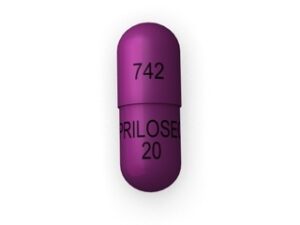
Pepcid (Famotidine) – Patient-Friendly Information
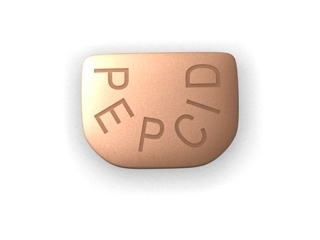
Pepcid is a widely used medicine containing famotidine, which helps reduce stomach acid. It is commonly used for symptoms related to heartburn and acid reflux, and for other conditions where reducing acid production can provide relief.
This guide explains how Pepcid works, how it’s typically taken, what to expect, key safety information, and practical tips for best results in Australia.
Quick overview
- Active ingredient: Famotidine
- Common uses: Heartburn/indigestion from excess stomach acid; certain acid-related stomach and duodenal conditions
- How it works: Blocks histamine (H2) receptors in the stomach to reduce acid output
- Typical onset: Often within 1 hour for many people
- Available strengths: Common OTC options may include 10 mg and 20 mg (availability can vary by brand and retailer)
Basic product information
Pepcid is the brand name for famotidine. Famotidine belongs to a group of medicines called H2-receptor antagonists (also referred to as “H2 blockers”).
In Australia, famotidine products may be supplied through pharmacies, and in some cases can be obtained without a doctor depending on local listing, strength, and pack size. Always check your specific product label and follow pharmacist advice.
How Pepcid works (mechanism of action)
Your stomach naturally produces acid to help digest food and protect against germs. In some people, excess acid or acid exposure to the oesophagus (food pipe) contributes to symptoms such as burning pain, sour taste, and indigestion.
Famotidine works by blocking histamine at H2 receptors on stomach cells. Histamine is one of the signals that stimulates acid release. By reducing that signal, Pepcid decreases the amount of acid produced, helping to:
- Relieve heartburn and acid reflux symptoms
- Reduce acid-related irritation in the stomach and upper gut
- Support healing in certain acid-related conditions (when used as advised)
Pharmacokinetics (how the body handles famotidine)
Pharmacokinetics describes how the body absorbs, distributes, metabolises, and eliminates a medicine.
Absorption
Famotidine is generally absorbed from the gastrointestinal tract after an oral dose. The degree and rate of absorption may be influenced by stomach conditions, and may vary between individuals.
Onset and duration
Many people experience symptom relief within about 1 hour. The acid-lowering effect can last for several hours. Duration can vary based on the dose and individual response.
Distribution
Famotidine distributes through body tissues; it mainly acts on the stomach’s acid-secreting cells.
Metabolism and elimination
Famotidine is cleared largely through the body’s kidneys. If you have reduced kidney function, your prescriber or pharmacist may recommend a lower dose or different dosing schedule.
Typical use and indications (what Pepcid is used for)
Pepcid is used to manage symptoms and conditions related to stomach acid. Indications depend on the specific product strength and local prescribing/labeling guidance, but commonly include:
- Heartburn and acid reflux symptoms (sometimes described as “indigestion” or “reflux”)
- Dyspepsia associated with excess stomach acid
- Gastro-oesophageal reflux disease (GORD) symptoms, where acid reduction is needed (management may be short-term or longer-term depending on the situation)
- Prevention or treatment of certain acid-related stomach and duodenal conditions as advised by a healthcare professional
If symptoms are persistent, frequent, or severe, it’s important to seek medical advice to confirm the cause and choose the safest, most effective long-term plan.
Dosing: how to take Pepcid
Dosing depends on the product strength (e.g., 10 mg or 20 mg), your age, kidney function, and the reason you’re taking it. Always follow the instructions on the pack and/or pharmacist directions.
Common approach for occasional heartburn:
- Adults may take a dose according to the pack instructions when symptoms occur.
- If symptoms continue, do not exceed the maximum daily dose listed on your product.
Common approach for reflux-related symptoms:
- Some people are advised to take a dose at specific times (for example, before bedtime) to reduce night-time symptoms.
- Where regular dosing is recommended by a healthcare professional, it may involve once or twice daily schedules.
| Situation (examples) | Typical timing (illustrative) | Important notes |
|---|---|---|
| Occasional heartburn/indigestion | When symptoms begin | Follow pack instructions; do not exceed the maximum daily dose. |
| Night-time heartburn | Often before bed (per pack/professional advice) | Aim to reduce acid exposure during sleep; avoid lying down soon after meals. |
| Frequent reflux symptoms | Regular schedule as advised | If symptoms occur most days or last more than a short trial period, seek advice. |
Timing: when Pepcid works best
For best results, consider the timing of dosing in relation to meals:
- For symptoms after meals: Take Pepcid according to the pack instructions when symptoms start, or shortly before expected triggers if advised.
- For night-time symptoms: Many people find benefit taking a dose before going to bed, as recommended.
- Consistency helps: If your clinician advises a regular dosing plan, take it at similar times each day.
If you’re using other acid medicines (such as antacids), timing may matter—see the food and medicine interaction sections below.
Food interactions and diet considerations
Pepcid is designed to reduce acid secretion. Food usually doesn’t “cancel out” the medicine, but meal patterns can strongly influence reflux symptoms.
Practical food-related tips:
- Avoid late meals: Try not to eat within 2–3 hours of bedtime.
- Consider smaller meals: Large meals can increase reflux risk.
- Be aware of trigger foods: Some people find symptoms worsen with spicy foods, high-fat meals, chocolate, peppermint, caffeine, and alcohol.
- Stay upright after eating: Sitting up or walking gently may reduce reflux.
If you notice worsening symptoms after starting Pepcid, or your response is poor, speak to a pharmacist or doctor. Persistent symptoms may indicate a condition that needs different assessment.
Alcohol interactions
There is no single “universal” alcohol rule for famotidine; however, alcohol can worsen reflux and gastritis in many people. Even if Pepcid reduces acid production, alcohol may still aggravate symptoms.
- For reflux/heartburn: Limit or avoid alcohol, especially close to meals or before bed.
- Watch for symptom changes: If heartburn increases after drinking, this suggests alcohol may be acting as a trigger for you.
If you have liver disease, heavy alcohol use, or ongoing stomach symptoms, get professional guidance.
Medicine interactions (including key considerations)
Famotidine can interact with some medicines mainly by changing stomach acidity (which affects how certain drugs dissolve and absorb). Kidney function can also influence famotidine levels.
Tell your pharmacist if you take any of the following:
- Medicines that require an acidic stomach for absorption (the effect varies by drug)
- Some antifungal medicines and certain antiretroviral medicines (HIV medicines) where stomach pH may matter
- Medicines dependent on kidney clearance—especially if you have kidney impairment
- Other acid-reducing therapies such as proton pump inhibitors (PPIs) or additional H2 blockers
- Non-steroidal anti-inflammatory drugs (NSAIDs) (e.g., ibuprofen, naproxen): these can increase stomach irritation/ulcer risk
General interaction tip:
- If you’re taking multiple oral medicines, your pharmacist may recommend spacing doses. This is especially relevant when one medicine is sensitive to stomach pH changes.
Safety profile: side effects and what to watch for
Pepcid is generally well tolerated when used as directed. However, like all medicines, it can cause side effects in some people.
Common or mild side effects
- Headache
- Dizziness
- Constipation or diarrhoea (less common)
- Nausea or mild stomach discomfort
Seek urgent medical help if you experience
- Allergic reaction symptoms such as swelling of the face/lips, rash, itching, wheezing, or trouble breathing
- Severe or persistent vomiting
- Blood in vomit or black/tarry stools
- Chest pain that could indicate something other than reflux (especially if pain is new, severe, or associated with shortness of breath)
Special precautions
- Kidney impairment: Famotidine is cleared by the kidneys. Your dosing may need adjustment.
- Older adults: Side effects may be more likely, and kidney function may influence dosing.
- Pregnancy and breastfeeding: Use should be discussed with a healthcare professional to weigh benefits and risks.
- Children: Use in children should follow product guidance and professional advice.
Practical use tips for better symptom control
Pepcid works best as part of a broader approach to reflux and acid-related discomfort. Try these practical strategies:
- Identify triggers: Keep track of foods, drinks, meal timing, stress, and sleep position.
- Take it consistently if advised: For frequent symptoms, a regular plan is often more effective than waiting until symptoms are severe.
- Don’t double up: Avoid taking multiple acid blockers at the same time unless a pharmacist advises it.
- Use lifestyle changes: Elevate the head of bed, avoid smoking, and aim for a healthy weight if relevant.
- Review if not improving: If you don’t get relief after a short period (based on pack instructions), seek advice rather than just continuing.
When to see a doctor urgently or promptly
Seek medical assessment promptly if you have any “alarm features” or if symptoms suggest a more serious condition.
- Difficulty swallowing or painful swallowing
- Unintentional weight loss
- Ongoing vomiting
- Black/tarry stools or blood in stool
- Chest pain that is severe, new, or not typical for reflux
- Symptoms that persist despite using acid-reducing medicine
- Frequent symptoms (for example, most days) requiring ongoing use
Alternative options to consider
Depending on your symptoms, an alternative may be appropriate. Your pharmacist can help you choose the most suitable option.
Other acid-reducing medicines
- Proton pump inhibitors (PPIs): Often used for frequent or persistent GORD symptoms and may be more effective for some people than H2 blockers.
- Antacids: Provide faster but shorter relief by neutralising existing stomach acid (useful for occasional symptoms).
- Other H2 blockers: There are other medicines in the same class as famotidine (availability can vary).
Non-medicine measures
- Diet and meal timing adjustments
- Sleeping position changes
- Weight management where relevant
- Avoiding smoking and reducing alcohol triggers
If you’ve been using Pepcid regularly, discuss with a healthcare professional whether another strategy would be safer or more effective for your situation.
Market and legal context for Australia
In Australia, medicines are regulated under the TGA (Therapeutic Goods Administration) framework. Availability of famotidine products may differ based on:
- The specific brand and strength
- Whether the product is listed for pharmacist-only supply or consumer access
- Pack size and intended use
For the most up-to-date information on supply category and labeling, always refer to the product package and the listing information provided by the pharmacy or manufacturer.
Recent guidance and best-practice approach (general information)
While guidance can evolve, common best-practice principles for acid reflux management in Australia include:
- Start with appropriate self-care and use acid-lowering medicines as directed for the shortest effective time.
- If symptoms are frequent, persistent, or worsening, seek assessment rather than relying on repeated self-treatment.
- Consider that ongoing symptoms may have causes other than simple acid reflux.
- Review interactions, especially with medicines that are sensitive to stomach pH or rely on kidney function.
Your pharmacist can also help determine whether your symptoms match heartburn/reflux or whether further evaluation is needed.
Delivery and availability
Availability of Pepcid (famotidine) can vary by strength and pack size, and may change over time. Online pharmacies in Australia typically list current stock for specific strengths and brands.
- In-stock delivery: Dispatch timing depends on your location and the pharmacy’s delivery network.
- Cold chain: Famotidine tablets do not usually require refrigeration.
- Packaging: Medicines are supplied in original packaging with clear dosing instructions.
If you don’t see the strength you’re looking for, you can ask the pharmacy to check alternative pack options or related products.
Storage and handling
- Store below 30°C (unless your specific pack instructs otherwise)
- Keep in the original container
- Protect from moisture
- Keep out of reach of children
Check your product label for exact storage requirements and expiry date.
FAQ
1) Is Pepcid the same as famotidine?
Yes. Pepcid is a brand name; the active ingredient is famotidine.
2) How long does Pepcid take to work?
Many people notice relief within about 1 hour. The duration of effect can vary, and symptoms may improve sooner or later depending on the cause and timing of the dose.
3) Can I take Pepcid with food?
You can generally take famotidine with or without food. However, reflux triggers often relate to meal size and timing. For symptom control, follow the label instructions and consider avoiding late meals and lying down right after eating.
4) Can I drink alcohol while using Pepcid?
Alcohol may worsen reflux symptoms even when stomach acid is reduced. If you notice heartburn after drinking, reducing or avoiding alcohol—especially near bedtime—may be helpful.
5) What should I do if I miss a dose?
Take it when you remember unless it’s close to your next scheduled dose. Do not take extra to make up for a missed dose. Follow pack instructions for your specific schedule.
6) Who should be extra careful when using famotidine?
People with kidney impairment, older adults, and those who are pregnant or breastfeeding should seek advice about the safest dose and timing. If you take other medicines regularly, ask a pharmacist about possible interactions.
7) Can Pepcid be used long-term?
For frequent or persistent symptoms, long-term management should be discussed with a healthcare professional. While famotidine can help, ongoing symptoms may need a review to confirm the cause and determine the best strategy.
8) Is Pepcid suitable for everyone with heartburn?
Not necessarily. If you have alarm symptoms (such as trouble swallowing, weight loss, vomiting blood, or black stools), chest pain, or symptoms that persist despite use, you should seek medical assessment promptly.
9) Are there alternatives if Pepcid doesn’t help?
Options may include antacids for quick, short-term relief, or other classes such as proton pump inhibitors for persistent reflux—depending on your symptoms. A pharmacist can help you compare options safely.
10) What interactions should I ask about before starting?
Ask about interactions if you take medicines for HIV, certain antifungals, medications that need stomach acidity to absorb, or medicines that are cleared by the kidneys—plus any other acid-reducing products.
Important note
Information on this page is general and designed to help you understand Pepcid (famotidine). Always read the product label and follow the dosing instructions. If you have questions about your symptoms, safety, or other medicines you take, consult a pharmacist.