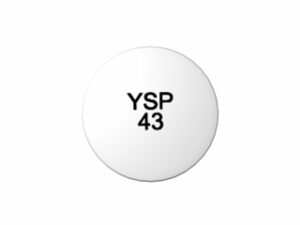

Imodium (Loperamide) – Anti-Diarrhoeal Medicine (Australia)
Imodium contains loperamide, an anti-diarrhoeal medicine used to help control symptoms of diarrhoea. It works by slowing bowel movement so you spend more time absorbing water from your gut, helping to reduce stool frequency and urgency.
This guide is written for patient understanding. It covers how Imodium works, when to use it, how to take it safely, important interactions, and when to seek medical advice.
Quick product information
| Feature | Details |
|---|---|
| Active ingredient | Loperamide |
| Medicine class | Antidiarrhoeal (opioid receptor agonist; peripherally acting) |
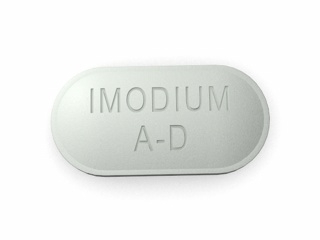
| Common forms | Capsules or tablets (strengths vary by brand/format) |
| Typical use | Symptomatic treatment of acute diarrhoea (and sometimes chronic diarrhoea under medical guidance) |
| Goal | Reduce the number of bowel movements and improve stool consistency |
| Key safety focus | Avoid use in certain infections/inflammatory bowel conditions; watch for dehydration and red-flag symptoms |
How Imodium works (mechanism of action)
Loperamide acts on the bowel. It binds to opioid receptors located in the intestinal wall, particularly affecting enteric (gut) nerves. This leads to:
- Reduced gut motility (slower movement of contents through the intestine)
- Increased intestinal transit time, allowing more water and salts to be absorbed
- Greater tone of the anal sphincter, which helps reduce urgency
Importantly, loperamide is designed to act primarily in the gut. When used correctly, it helps relieve diarrhoea symptoms without treating the underlying cause (for example, a virus or bacteria).
Pharmacokinetics (how the body handles loperamide)
Understanding pharmacokinetics helps explain why dosing is important and why interactions can matter.
- Absorption: Loperamide is absorbed from the intestine after oral use.
- Distribution: It distributes into tissues; only small amounts reach the bloodstream compared with older opioids.
- Metabolism: Loperamide is extensively metabolised (broken down) in the liver.
- Elimination: The drug and metabolites are mainly eliminated via faeces (and to a lesser extent urine).
- Transport proteins: Loperamide is a substrate of P-glycoprotein (P-gp), a transporter that helps limit movement of the drug into the brain. Some interacting medicines can affect this system.
Because of liver metabolism and P-gp transport, following the recommended dose is crucial. Using more than directed (or combining with interacting medicines) increases the risk of serious side effects, including heart rhythm problems.
What Imodium is used for (typical use & indications)
Imodium is used to relieve diarrhoea by reducing stool frequency and urgency. It is intended for symptomatic control of diarrhoea.
Common indications
- Acute diarrhoea: including diarrhoea due to a short-term infection or dietary factors
- Chronic diarrhoea: in some cases where diarrhoea is ongoing (but longer-term use should follow appropriate advice)
- Temporary symptom control when you need diarrhoea under control while hydration and cause assessment continue
When you should not use it
Imodium may not be suitable (or may be unsafe) if diarrhoea could be due to certain serious conditions. Do not use loperamide for diarrhoea if you have:
- Blood or mucus in the stool with fever or severe abdominal pain
- Suspected invasive bacterial infection (for example, dysentery)
- High fever or signs of severe infection
- Pseudomembranous colitis or diarrhoea after antibiotics where this is suspected
- Acute ulcerative colitis flare symptoms
If any red flags apply, it’s safer to seek medical advice promptly rather than trying to “stop” the diarrhoea on your own.
Timing: when to take Imodium and how quickly it works
Imodium is taken by mouth. When used for acute diarrhoea, it’s commonly started soon after diarrhoea begins.
- Start early: Take it as soon as you notice diarrhoea symptoms, following label directions.
- Use the dosing schedule: Dose carefully between meals if you prefer, but it is not typically required.
- Expected effect: Many people notice improvement within hours, with fewer watery stools and less urgency.
- If no improvement: If symptoms do not improve after a short trial as directed on the packaging, or if they worsen, stop using it and get advice.
Hydration is essential. Stopping diarrhoea does not replace lost fluids and salts. Oral rehydration solution (ORS) is often the best first step, particularly in children and older adults.
Food interactions
Food usually does not strongly affect loperamide’s ability to work, but diarrhoea itself can alter digestion and hydration. For practical comfort:
- Take with water: Use plenty of fluids.
- Light intake: If you feel nauseous, stick to bland foods (e.g., toast, rice, bananas) and avoid heavy or greasy meals.
- Avoid large alcohol intake: Alcohol can worsen dehydration and irritate the gut.
If your stomach is very unsettled, you can still take loperamide, but prioritise hydration first.
Alcohol and medicine interactions
Alcohol
There isn’t a single “absolute” interaction for every person, but combining loperamide and alcohol is generally not recommended when you have diarrhoea because:
- Alcohol can worsen dehydration.
- Alcohol may irritate the gut and worsen diarrhoea.
- Both may affect how you feel (dizziness, drowsiness in some individuals).
If you choose to drink alcohol, keep it minimal and ensure you are well hydrated. Seek advice if you feel unwell.
Medicine interactions (important)
Loperamide has important interaction pathways involving liver enzymes and transport proteins (including P-gp). Some medicines can increase loperamide levels in the body, raising the risk of serious adverse effects, including heart rhythm problems.
Extra caution is needed if you take any of the following (examples):
- Medicines that can affect heart rhythm (QT-prolonging medicines)
- Medicines that inhibit P-gp or liver metabolism (examples include some antifungals and antibiotics, certain antiviral medicines, and other specialist drugs)
- Other opioids (risk of additive effects, although loperamide is mainly gut-acting)
- Medicines that cause constipation (combined effect may lead to severe constipation)
Because interaction lists can be complex and depend on your exact product and dose, it’s best to check with a pharmacist if you’re on multiple medicines—especially if you use medicines for irregular heartbeat, infection, or HIV/HCV antivirals.
Dosing (adults and children)
Always follow the dose written on the specific Imodium packaging or as advised by a pharmacist. Dosing may differ by product format and strength.
Adults and children (general guidance)
In Australia, loperamide products have specific age limits and maximum daily doses. Do not use in children unless the product label clearly allows it and the dose is specifically appropriate for age/weight.
Typical approach for acute diarrhoea:
- Start: an initial dose is taken after the first episode of loose stool.
- Then: take additional doses after subsequent loose stools.
- Limit: do not exceed the maximum daily dose listed on the pack.
- Stop: stop and seek advice if diarrhoea persists beyond the recommended timeframe.
For safety reasons: If you’re unsure about the correct dose for a child, do not guess—ask a pharmacist.
Missed dose
If you miss a dose, take it when needed according to the next episode of loose stool, but do not take extra to “catch up.” Stick closely to the maximum daily dose on the label.
When to stop and get help
- Diarrhoea does not improve within the period recommended on the packaging
- Symptoms worsen or you develop fever, blood in stool, or severe abdominal pain
- You feel dizzy, faint, very weak, or cannot keep fluids down
- Signs of dehydration (very dry mouth, minimal urine, sunken eyes)
Practical use tips (how to get the best results safely)
- Prioritise rehydration: Use Oral Rehydration Solution (ORS) where appropriate. This treats the main risk of diarrhoea—dehydration.
- Use the lowest effective dose: Stop once symptoms settle.
- Keep track of symptoms: Note the number of bowel motions and presence of fever or blood.
- Consider cause: If diarrhoea follows travel, suspect food triggers, or antibiotics, the underlying cause may be different.
- Don’t prolong use: Loperamide is for symptom control; persistent diarrhoea often needs assessment.
- Watch for constipation: It’s expected that stools may become firmer. Severe constipation, abdominal swelling, or pain requires medical review.
Safety profile (side effects and warnings)
Most people tolerate loperamide well when used correctly and for the recommended duration. However, like all medicines, it can cause side effects.
Common side effects
- Constipation
- Stomach cramps or abdominal discomfort
- Nausea
- Dry mouth (less common)
- Dizziness (uncommon)
Serious side effects (seek urgent help)
Seek urgent medical assistance if you experience:
- Severe abdominal pain or significant abdominal distension
- Bloated abdomen with inability to pass stool or gas
- Fainting, severe dizziness, palpitations, chest pain, or symptoms suggesting an abnormal heart rhythm
- Allergic reaction (swelling of face/lips, difficulty breathing, widespread rash)
- Blood in stool with fever or worsening illness
Important safety warnings
- Do not exceed the recommended dose: Overuse can lead to serious harm, especially with certain interacting medicines.
- Avoid in certain diarrhoea types: Infectious/inflammatory causes may require different management.
- Children are higher risk: Use only if appropriate for age and dose per label; seek advice for paediatric use.
- Liver impairment: People with significant liver problems may need extra caution.
If you have questions about safety for your specific situation, a pharmacist can help you decide whether loperamide is appropriate.
Alternative options for diarrhoea
Depending on the cause and severity of diarrhoea, other options may be more suitable. Here are common alternatives to consider:
Oral rehydration (recommended first-line for many cases)
- Oral Rehydration Solution (ORS): Helps replace fluids and salts.
- Hydration strategies: Frequent small sips of water, soups, and electrolyte drinks.
Other medicines
- Bismuth subsalicylate (where available): can help with some forms of diarrhoea and nausea, but may not be suitable for everyone.
- Probiotics: may shorten duration in some diarrhoea types, especially infectious diarrhoea.
- Antibiotics: not routine for most acute diarrhoea and generally reserved for specific confirmed or suspected causes under clinical advice.
Diet and supportive care
- Bland foods (toast, rice, bananas, crackers)
- Avoid alcohol and high-sugar drinks
- Consider lactose reduction temporarily if dairy worsens symptoms
If diarrhoea persists, is severe, or has red-flag symptoms, symptom control alone may not be enough—seek advice.
Market and legal context in Australia
In Australia, many diarrhoea products (including loperamide-containing medicines) are commonly available as pharmacist-only or over-the-counter products depending on formulation and pack type. Availability may vary by brand and strength.
Pharmacy staff may ask questions to ensure safe selection for your age, medical history, and current medications. Online pharmacies may provide guidance and require additional screening based on product category.
Health authorities encourage responsible use of anti-diarrhoeal medicines and emphasise hydration and red-flag recognition. If you’re unsure whether your diarrhoea requires more than self-care, it’s best to speak with a pharmacist.
Recent guidance and responsible use (Australia-focused)
In recent years, Australian health messaging has consistently highlighted:
- Dehydration prevention as the main priority during diarrhoea illnesses
- Avoiding anti-motility medicines in diarrhoea that may be invasive or inflammatory
- Following label instructions and avoiding overdose
- Seeking timely advice for children, older adults, and people with chronic medical conditions
These points remain especially important when diarrhoea is severe, ongoing, or associated with fever or blood.
Delivery and availability (online pharmacy)
Imodium (loperamide) may be stocked by online pharmacies in Australia depending on current supply. Availability can vary for different pack sizes and formats.
- Delivery options: Standard and express delivery may be offered depending on location.
- Packaging: Medicines are typically shipped in secure protective packaging.
- Cold chain: Usually not required for loperamide products.
- Stock updates: Popular items can sell out—check availability on the product page.
If you have urgent travel or planned events, consider ordering early and ensure you also have ORS or hydration options at hand.
Frequently Asked Questions (FAQ)
1) Can I take Imodium if I have stomach cramps?
Mild cramps can occur with diarrhoea. Imodium may help reduce urgency and stool frequency, but avoid use if you have severe abdominal pain, fever, or blood/mucus in stool—those can indicate a more serious cause.
2) How long can I use Imodium for diarrhoea?
Use it for the shortest time needed to control symptoms, following the duration and maximum dose listed on the pack. If diarrhoea doesn’t improve within the recommended timeframe, stop and seek advice.
3) Is Imodium safe for children?
Safety depends on the child’s age and the specific product label. Many loperamide products have age restrictions. Do not use in children unless the packaging clearly permits it and the dose is correct for the child. If unsure, ask a pharmacist.
4) Can I take Imodium with other medicines?
Many medicines can be taken with loperamide, but some interactions are important—particularly medicines that affect liver enzymes and P-gp transport, or those that can influence heart rhythm. If you take multiple medicines, it’s wise to check with a pharmacist.
5) What should I do instead of Imodium if diarrhoea is infectious?
For suspected infectious diarrhoea, rehydration with ORS and fluids is often the main treatment. Some infections may worsen with anti-motility medicines, so look for red flags and seek advice if symptoms are severe.
6) Will Imodium stop diarrhoea completely?
It may significantly reduce frequency and urgency, but it may not completely stop diarrhoea—especially if the underlying cause continues. If symptoms persist or worsen, get medical advice.
7) Does Imodium work with food?
Food doesn’t usually prevent loperamide from working, but during diarrhoea it’s best to stay hydrated and eat bland foods if tolerated.
8) Can I drink alcohol while using Imodium?
It’s generally best to avoid alcohol during diarrhoea because it can worsen dehydration and gut irritation. If you choose to drink, keep it minimal and ensure you’re hydrated.
9) What are the signs of dehydration I should watch for?
Common signs include very dry mouth, dizziness, reduced urination, lethargy, sunken eyes, and in children, fewer wet nappies. If dehydration is suspected, prioritise ORS and seek urgent advice—especially for children and older adults.
10) What should I do if I accidentally take too much?
If an overdose is suspected (more than the label recommends), seek urgent medical help or contact poison information services immediately. Overuse increases the risk of serious side effects, including heart rhythm problems.
Remember: when diarrhoea needs more than symptom control
Imodium can help relieve diarrhoea symptoms, but it does not treat the underlying cause. Seek advice promptly if you have red-flag symptoms (blood in stool, fever, severe pain), dehydration, or ongoing diarrhoea.