
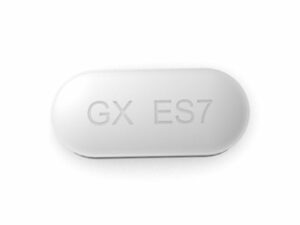
Asacol (Mesalamine) – Patient Information (Australia)
Asacol contains mesalamine (also called 5-aminosalicylic acid, 5-ASA), a medicine used to treat inflammation of the bowel. This page explains how Asacol works, how it’s used, what to expect, and important safety information. It is written for patients and carers in an easy-to-read format for Australia.
1) Basic product information
- Medicine name: Asacol (mesalamine)
- Active ingredient: Mesalamine (5-aminosalicylic acid)
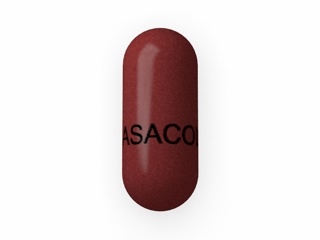
- Medicinal form: Oral gastro-resistant tablets/modified-release tablets (formulation varies by country and product range)
- Therapeutic use: Inflammatory bowel disease (IBD), especially ulcerative colitis
- Common pack strengths: Varies by product line; follow your specific label
If you are unsure which strength or formulation you have (and how often it is taken), check the packaging or ask your pharmacist.
2) What Asacol does (mechanism of action)
Mesalamine is an anti-inflammatory medicine that works directly in the lining of the bowel. Its main actions include:
- Reducing inflammation locally: Mesalamine helps to calm the immune-driven inflammation in the intestinal mucosa.
- Modulating inflammatory pathways: It reduces the production of inflammatory mediators (such as certain cytokines and inflammatory substances) within the bowel wall.
- Acting as an antioxidant: Mesalamine can help limit oxidative stress that contributes to tissue irritation in IBD.
Because Asacol is designed to release mesalamine in the gut (rather than mainly in the stomach), it is intended to deliver the medicine where it is needed most.
3) Pharmacokinetics (how the body handles mesalamine)
Pharmacokinetics describes what happens to a medicine in the body: absorption, distribution, metabolism, and elimination. For mesalamine:
- Release and absorption: Asacol is formulated to pass through the upper gastrointestinal tract and release mesalamine in the bowel.
- Systemic absorption: Only a small portion of mesalamine is absorbed into the bloodstream.
- Metabolism: Absorbed mesalamine is mainly metabolised in the intestinal wall and liver (commonly to N-acetyl-5-aminosalicylic acid, depending on individual factors).
- Excretion: Metabolites are eliminated primarily via the kidneys and through the gut.
Why this matters: Most of the benefit comes from local action in the bowel. Still, absorbed drug and metabolites mean kidney monitoring can be important for some patients.
4) Typical uses (what Asacol is prescribed for in IBD)
Asacol is used in inflammatory bowel disease, particularly ulcerative colitis. It is commonly used for:
- Treatment of mild to moderate ulcerative colitis during flare-ups (active disease).
- Maintenance of remission to reduce the chance of flare-ups returning.
- Proctitis/proctosigmoiditis in some cases, depending on the specific product formulation and your clinician’s plan.
Indications can vary by product type and strength. Always follow the dosing plan provided for your particular situation.
5) Indications (conditions it may be used for)
In Australia, mesalamine-based medicines are standard treatments for ulcerative colitis and related inflammatory conditions. Potential indications include:
- Ulcerative colitis – induction of remission in mild to moderate disease.
- Maintenance of remission in ulcerative colitis.
- Other colitis forms (less commonly) – use depends on diagnosis, extent of disease, and specialist guidance.
Important: Mesalamine does not treat acute severe complications by itself. If you experience severe symptoms, urgent assessment is needed.
6) Timing and how to take Asacol
When to take it
- Many people take Asacol once or more daily depending on the formulation and prescribed regimen.
- Try to take your dose at the same time each day to help maintain steady levels.
How to take tablets
- Swallow whole with water; do not crush or chew unless the label instructs otherwise.
- Because it is gastro-resistant/modified-release, breaking the tablet can affect where it releases in the gut.
- If you have difficulty swallowing, ask a pharmacist about options for your specific formulation.
How long until it works?
Response varies. Some people notice improvement within a few days, while others may need several weeks. For maintenance, it is taken regularly even when you feel well to help prevent relapse.
Do not stop early just because symptoms improve, unless your clinician advises it.
7) Food interactions (what to consider)
For many mesalamine formulations, food generally does not drastically change the medicine’s effect because of gastro-resistant/modified-release design. However, practical tips include:
- Follow the product label for whether to take with food or on an empty stomach.
- If your instructions allow either, taking with food may reduce stomach discomfort for some people.
- Avoid changing your diet abruptly during an active flare without discussing it, as diet can affect symptoms.
If you notice reduced symptom control after changing meal timing, speak with your pharmacist or prescriber.
8) Alcohol and medicine interactions
Alcohol
There is no universal “no alcohol ever” rule for mesalamine, but alcohol can affect IBD symptoms (such as bowel urgency, dehydration, and irritation). During flare-ups, it may worsen symptoms for some people.
If you choose to drink alcohol:
- Keep it moderate.
- Drink water alongside alcohol to reduce dehydration.
- Stop and reassess if your symptoms worsen.
Medicine interactions
Mesalamine has a relatively targeted local effect, but interactions can still occur. Tell your pharmacist about all medicines you take, including over-the-counter products and supplements. Pay special attention to the following categories:
- Other anti-inflammatory bowel medicines: Combining therapies may be planned, but doses should be coordinated.
- Kidney-affecting medicines (in some people): Because kidney effects are uncommon but important to monitor, clinicians may want to be cautious when other nephrotoxic medicines are involved.
- Blood thinners (e.g., warfarin) and medicines affecting bleeding risk: Your pharmacist can advise based on your regimen.
- Azathioprine/6-mercaptopurine: Use may be related in combination strategies for IBD; monitoring plans may differ.
This is not a complete list. For personal advice, provide your full medication list to a pharmacist.
9) Dosing (general information)
Dosing depends on the specific formulation, strength, and whether you are treating an active flare or maintaining remission. Always use the schedule on your medicine label or the plan given by your healthcare professional.
Common dosing patterns (illustrative)
- Induction (flare treatment): Often higher daily totals compared with maintenance.
- Maintenance: Usually the goal is the lowest effective dose taken regularly.
Key point: Do not adjust the dose yourself. If a dose is missed, follow the “missed dose” guidance on the label or ask your pharmacist.
Because Asacol products can differ, the exact mg and frequency should be confirmed for your specific pack.
10) Safety profile (who should be careful and what to watch for)
Most people tolerate mesalamine well, but like all medicines it can cause side effects in some individuals. Some adverse effects are uncommon but require urgent attention.
Common or mild side effects
- Headache
- Nausea or stomach discomfort
- Diarrhoea (can be difficult to distinguish from disease symptoms during a flare)
- Flatulence
- Feeling tired
Less common but important risks
- Allergic reactions: rash, itching, facial swelling, breathing difficulty (seek urgent help).
- Kidney problems: symptoms may include reduced urine output, swelling, or unusual fatigue. These are not always obvious, so monitoring may be recommended.
- Blood cell changes: rarely, you may experience infections more easily or unusual bruising/bleeding.
- Worsening bowel symptoms: occasionally symptoms can temporarily worsen; a clinician may need to reassess your treatment.
Serious warning signs – get urgent medical help
- Signs of a severe allergic reaction (swelling of face/lips, difficulty breathing)
- Severe abdominal pain, high fever, dehydration
- Blood in stool that is heavy or rapidly worsening
- Marked reduction in urination or sudden swelling (possible kidney issue)
Who needs extra caution?
- People with kidney disease or a history of kidney problems
- People with known hypersensitivity to salicylates or similar medicines
- Those with liver disease (monitoring may be advised)
- Patients taking multiple medicines that may affect kidneys or blood counts
11) Practical use tips (to get the best results)
- Take it consistently: Maintenance works best when taken reliably.
- Do not crush or chew: modified-release/gastro-resistant tablets must be swallowed whole to preserve release in the bowel.
- Track symptoms: note stool frequency, bleeding, urgency, and any side effects—this helps your clinician adjust therapy.
- Attend monitoring: kidney and blood tests may be recommended depending on your history and local guidance.
- Plan for flares: keep a medication routine and contact your healthcare team early if symptoms escalate.
If you miss a dose, don’t double up unless your label or pharmacist specifically advises it. When in doubt, ask a pharmacist for the safest option for your situation.
12) Alternatives and related options
Depending on disease severity, location of inflammation, tolerance, and prior response, clinicians may consider other IBD treatments. Alternatives include:
- Other mesalamine formulations: Different brands or release designs (for example, delayed-release or rectal formulations) may suit specific disease patterns.
- Corticosteroids: Used short-term for induction in some flare-ups, not typically for long-term maintenance.
- Immunomodulators: For certain cases, especially when mesalamine alone is insufficient.
- Biologic therapies: For moderate to severe disease or refractory cases.
- Rectal therapies: Suppositories or enemas may be preferred for inflammation limited to the rectum or lower colon.
If you’re considering switching therapies, ask your pharmacist or clinician about: dose conversion, timing, expected onset, and how to monitor response and safety.
13) Asacol in the Australian market: context and legal considerations
In Australia, medicines are supplied under strict regulatory frameworks to ensure quality, safety, and appropriate use. Mesalamine products are widely used for IBD and are available through the Australian medicines distribution system.
- Regulatory oversight: Medicines in Australia are assessed and monitored by the Therapeutic Goods Administration (TGA).
- Product availability: Availability can vary by supplier, region, and current stock levels.
- Pharmacy supply: Your local pharmacy can advise on what formulations and strengths are currently stocked.
For personal treatment decisions, it’s best to speak with your healthcare professional, especially if symptoms change or you have other medical conditions.
14) Recent guidance (general updates to consider)
IBD treatment standards evolve as new research emerges. In Australia, clinical practice generally aligns with evidence-based IBD guidelines and specialist recommendations. Common themes in recent years include:
- Treat-to-target approach: aiming for symptom control and reduction of inflammation.
- Regular monitoring: including bloods (and kidney checks where appropriate) and assessment of response.
- Personalised therapy: treatment choice depends on extent of disease, prior response, and safety considerations.
If you’d like, you can ask your clinician how your plan reflects current guidance for ulcerative colitis and which monitoring schedule is appropriate for you.
15) Delivery, availability, and how to order online in Australia
Online pharmacy ordering can make it easier to keep your medication routine. Availability and delivery timelines may vary depending on:
- Whether the product is currently in stock
- Transport and dispatch schedules
- Your location within Australia
When ordering, check:
- Strength and formulation: confirm the exact product you need.
- Pack size and quantity: ensure it covers your required days supply.
- Expiry date: reputable pharmacies include clear expiry information.
For the most accurate information on delivery costs and estimated delivery times, refer to the delivery section on the pharmacy website.
16) FAQ (Frequently asked questions)
Is Asacol the same as mesalamine?
Yes. Asacol is a brand name that contains mesalamine (5-ASA). The active ingredient is mesalamine.
How soon will I feel better?
Some people notice improvement within days, but for many it takes several weeks to achieve full benefit—especially for flare control. Maintenance benefits require consistent long-term use.
Can I take Asacol with food?
Many formulations are compatible with food, but follow the instructions on your pack. If you experience stomach discomfort, taking with food may help—unless your label says otherwise.
What if my symptoms get worse?
During an active flare, symptoms can fluctuate. However, if you develop worsening bleeding, fever, severe pain, or dehydration, seek prompt medical assessment. If symptoms worsen after starting Asacol, contact a healthcare professional.
Do I need blood or kidney tests?
Depending on your individual health profile and local monitoring plans, clinicians may recommend periodic monitoring, particularly of kidney function and blood counts. Ask your pharmacist or doctor what monitoring schedule applies to you.
What should I do if I miss a dose?
Check the product label for “missed dose” instructions. In general, don’t take a double dose to make up for a missed one. If you are unsure, ask your pharmacist for advice.
Is it safe to drink alcohol while taking Asacol?
Alcohol is not universally prohibited with mesalamine, but it may worsen IBD symptoms in some people. If you drink, do so in moderation and stop if your bowel symptoms deteriorate.
Can I take other anti-inflammatory medicines like ibuprofen?
Some pain relievers may affect the gut or kidneys. It’s best to discuss your pain relief options with a pharmacist, especially if you have kidney issues or are on multiple medications.
Are there alternatives if I can’t tolerate mesalamine?
Yes. Alternatives may include other mesalamine formulations, rectal therapies, short courses of steroids for flares, or other IBD medicines depending on your condition and severity.
17) Summary
Asacol (mesalamine) is a gut-targeted anti-inflammatory medicine used for ulcerative colitis—both to manage flare-ups and to help maintain remission. It works mainly in the bowel lining, with relatively limited systemic absorption. Most people tolerate it well, but it’s important to be aware of possible side effects—especially allergic reactions and kidney-related issues. Take it consistently, swallow tablets whole, and follow recommended monitoring and safety advice.