

Mirtazapine (Australia) — Patient-Friendly Guide
Mirtazapine is a prescription medicine used mainly to treat depression. It may also help with symptoms such as poor sleep, reduced appetite, and anxiety-related distress in some people. This guide explains how mirtazapine works, how it’s taken, what to expect, common side effects, important interactions, and practical tips for safe use in Australia.
Important: Everyone responds differently. If you’re starting mirtazapine or changing your dose, talk with your doctor or pharmacist about what to expect and how to manage side effects.
1) Basic Product Information
| Category | Details |
|---|---|
| Medicine | Mirtazapine |
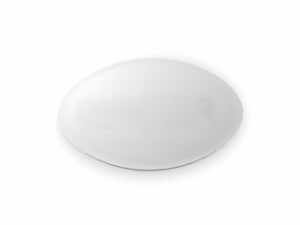
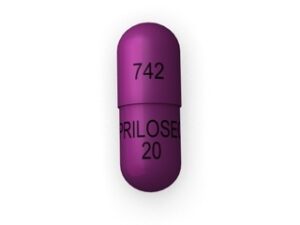
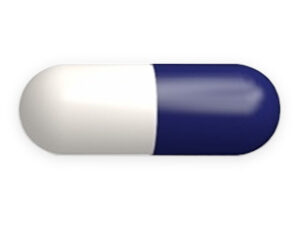
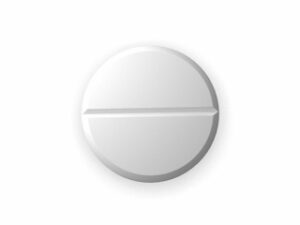
| Common form | Tablets (strengths vary) |
| Class | Tetracyclic antidepressant |
| What it’s used for | Major depressive disorder; sometimes other depressive/anxiety-related symptoms as determined by your clinician |
| Typical dosing frequency | Once daily (often at night) |
In Australia, mirtazapine is generally supplied under pharmacist supply channels and is considered a prescription medicine. Availability and brand names can vary by supplier and product strength.
2) How Mirtazapine Works (Mechanism of Action)
Mirtazapine is an antidepressant that works by influencing brain chemicals involved in mood, stress response, and sleep. It primarily:
- Blocks certain serotonin receptors (5-HT2 and 5-HT3): This can help improve mood and reduce nausea or agitation in some people.
- Enhances noradrenergic and serotonergic signalling via specific pathways: By modulating receptors (including alpha-2 adrenergic receptors), it may improve depressive symptoms.
- Has antihistaminergic effects: This contributes to sedation and can increase appetite—effects that are often noticeable earlier than mood improvements.
Clinical takeaway: Many people notice sleep and appetite changes earlier, while mood improvement typically takes longer.
3) Pharmacokinetics (How the Body Handles It)
Pharmacokinetics explains what happens after you take mirtazapine—how it’s absorbed, processed, and eliminated.
- Absorption: Mirtazapine is absorbed after oral dosing.
- Distribution: It reaches the brain and tissues where it affects mood and sleep pathways.
- Metabolism: It is metabolised mainly in the liver. Enzymes in the liver (notably CYP pathways) help process it.
- Elimination: Metabolites are cleared primarily via the kidneys (urine) and to a lesser extent via other routes.
- Half-life: The half-life supports once-daily dosing for many patients.
Why this matters: Because liver metabolism is involved, other medicines (and some herbal supplements) may change mirtazapine levels. Kidney or liver impairment can also affect dosing decisions.
4) Typical Use and Indications
Mirtazapine is used for:
- Depression: particularly when sleep is disturbed and/or appetite is reduced.
- Depressive symptoms with anxiety and insomnia: In some people, its sedating and appetite-stimulating effects can be helpful.
Indication note: The exact reason a clinician chooses mirtazapine depends on your symptoms, medical history, other medications, and past treatment response.
5) When to Take It (Timing and Onset)
Mirtazapine is commonly taken once daily. Many people take it in the evening or at bedtime because it can cause drowsiness.
How to choose timing
- For sleep issues: taking it at night may be beneficial.
- For daytime sedation: if you feel too drowsy, your clinician may adjust the dose or timing.
- Consistency matters: take it at the same time each day when possible.
How long until it helps?
- Sleep/appetite: may improve within days.
- Mood symptoms: often take 2–4 weeks (sometimes longer) to show clear benefit.
- After dose changes: expect gradual changes rather than immediate effects.
Do not stop suddenly: Antidepressants are usually reduced gradually to help prevent discontinuation symptoms. Seek advice before changing or stopping.
6) Food Interactions
Mirtazapine can generally be taken with or without food. However, individual tolerance can vary.
- Appetite and weight: mirtazapine may increase appetite; you may notice changes in eating habits.
- Stomach comfort: if nausea occurs, taking it with a light snack can help some people.
Practical tip: If you experience dizziness or drowsiness, consider taking it at night rather than with early-morning meals that may affect routines.
7) Alcohol and Medicine Interactions
Alcohol
It’s strongly recommended to limit or avoid alcohol while taking mirtazapine, because alcohol can:
- Increase sedation (drowsiness, slower reaction time)
- Worsen mood and sleep quality
- Increase risk of falls, especially in older adults
If you plan to drink alcohol, discuss safe limits with your pharmacist or doctor.
Other medicines (important interactions)
Some medicines can affect how mirtazapine is metabolised or increase side effects. Tell your healthcare professional about all medicines you take, including:
- Other antidepressants and medicines affecting serotonin
- Sleeping tablets, sedatives, and some pain medicines (which may add to sedation)
- Medicines for anxiety that cause drowsiness
- Antihistamines (may add to drowsiness)
- Medications that affect liver enzymes (can change mirtazapine levels)
- Herbal products such as St John’s wort (often increases interaction risk)
Serious interaction example to watch for: Medicines that strongly affect serotonin may raise the risk of serotonin-related side effects. Your pharmacist can help check your specific combination.
Caffeine and nicotine
While not a direct “interaction” in the same way as alcohol, caffeine or nicotine can affect anxiety and sleep. If mirtazapine is improving your sleep, avoid late-night stimulants that could counteract this benefit.
8) Dosing — What is Typical?
Dosing should be individualised based on symptom severity, age, other conditions (including liver/kidney function), and tolerability.
General pattern in practice: treatment often starts at a lower dose to reduce side effects, then may be increased after assessment.
How dosing is commonly structured
- Starting dose: typically taken once daily, often at night
- Adjustment: your clinician may increase gradually
- Target effect: guided by symptom improvement and side effects
Do not change dose on your own. If you miss a dose, follow the instructions provided with your medicine or consult your pharmacist for advice. (In general, many antidepressants are taken daily; missing one dose doesn’t usually require double dosing, but guidance can vary.)
9) Safety Profile — Common and Serious Side Effects
Like all medicines, mirtazapine may cause side effects. Many are mild and improve as your body adapts.
Common side effects
- Drowsiness or sedation (often more noticeable early)
- Increased appetite and possible weight gain
- Dry mouth
- Dizziness
- Constipation
- Fatigue
- Nausea (can occur early)
Less common but important side effects
- Blood pressure changes (especially when standing up quickly)
- Swelling or unusual fluid retention
- Sleep changes (dreams may become vivid)
- Changes in sexual function (can occur with antidepressants, though patterns vary)
Seek urgent medical help if you experience
- Signs of an allergic reaction (swelling of face/lips, hives, trouble breathing)
- Serious agitation, confusion, fever, sweating, tremor (could signal a rare serotonin-related syndrome)
- Suicidal thoughts or worsening depression, especially early in treatment or after dose changes
- Unusual bleeding/bruising or persistent severe symptoms
Discontinuation (stopping) guidance
If you and your clinician decide to stop, tapering is usually recommended. Stopping abruptly can lead to:
- dizziness
- nausea
- headache
- irritability or “flu-like” feelings
Practical approach: tapering plans vary. Follow your clinician’s guidance or pharmacist advice.
10) Practical Use Tips for Everyday Life
Maximise comfort and adherence
- Start with the right time: if you feel drowsy, taking it at night may help.
- Be cautious when driving or operating machinery: until you know how it affects you.
- Stand up slowly: dizziness can occur; move gradually to reduce light-headedness.
- Track early changes: record sleep, appetite, mood, and side effects for the first few weeks.
Manage increased appetite
- Choose regular balanced meals with protein and fibre.
- Limit “trigger snacks” if cravings increase.
- Stay mindful of weight changes and discuss concerns early with your clinician.
Support sleep hygiene
- Keep a consistent bedtime and wake time.
- Reduce caffeine late in the day.
- Use dark, cool room conditions where possible.
If you miss a dose
General guidance may vary. Please follow the instructions supplied with your medicine or consult a pharmacist. Avoid doubling doses without advice.
11) Alternatives to Mirtazapine
If mirtazapine doesn’t suit you—either due to side effects, insufficient benefit, or personal preference—there are other options. The “best” alternative depends on your symptoms (sleep, anxiety, appetite, pain, previous responses) and your health profile.
Common alternative antidepressant classes
- SSRIs (e.g., sertraline, escitalopram, fluoxetine—names may vary)
- SNRIs (e.g., venlafaxine, duloxetine)
- Tricyclic antidepressants (selected cases)
- Other tetracyclics or antidepressants with different side effect profiles
Non-medicine options can also be helpful alone or alongside medication, such as psychological therapies (e.g., CBT), exercise, sleep-focused strategies, and structured support.
Important: Switching antidepressants or combining them requires professional planning due to timing and interaction risks.
12) Market and Legal Context in Australia (What to Expect)
In Australia, antidepressants including mirtazapine are generally treated as prescription medicines. Supply typically involves assessment and ongoing monitoring by healthcare professionals.
- Professional guidance: Your doctor or mental health clinician evaluates suitability based on your medical history, other medications, and risk factors.
- Safety monitoring: Regular check-ins help assess mood changes, side effects, and the need for dose adjustments.
- Pharmacist support: Pharmacists can assist with dosing timing, interaction checks, and practical side effect management.
If you’re ordering online, reputable Australian pharmacies will provide clear product information, support contact details, and comply with relevant regulations governing medicine supply.
13) Recent Guidance and Monitoring Considerations
Antidepressant treatment guidance in Australia often emphasises:
- Early follow-up: especially during the first weeks after starting or changing dose.
- Monitoring of mood and wellbeing: including any worsening depression or new suicidal thoughts.
- Side effect management: sedation, appetite/weight changes, and sleep disruption are commonly reviewed.
- Cautious tapering: to reduce discontinuation symptoms.
Safety note: For any antidepressant, if mood worsens or you experience alarming changes in behaviour, seek urgent medical attention promptly.
14) Delivery and Availability (Australia)
Online pharmacies in Australia typically offer a range of antidepressant products subject to:
- Stock availability by brand and strength
- Shipping timelines depending on location (metro vs regional)
- Customer verification and supply process required for prescription medicines
Delivery expectations: delivery timeframes vary by supplier and service level. When purchasing online, review:
- Estimated dispatch and delivery times
- Delivery restrictions or signature requirements
- Returns or replacement policies
- How to contact customer support if there is a delay
If you need mirtazapine to maintain ongoing treatment, plan orders ahead to avoid running out.
15) FAQ — Frequently Asked Questions
Is mirtazapine sedating?
Yes, many people experience drowsiness, especially early in treatment, due to its antihistaminergic effects. This is why it’s often taken in the evening. If sedation persists or affects daytime functioning, talk to your pharmacist or doctor about adjusting timing or dose.
How soon will I feel better?
Sleep and appetite may improve within days. Mood improvement commonly takes 2–4 weeks or longer. If there’s no meaningful change after a reasonable period, your clinician may review the dose or consider alternatives.
Can I take mirtazapine with food?
Generally, yes. It can be taken with or without food. If nausea occurs, a light meal may help.
Will it make me gain weight?
Some people notice increased appetite and weight gain. Not everyone gains significant weight. Monitoring your weight and discussing concerns early can help manage this risk.
Can I drink alcohol while taking mirtazapine?
It’s best to avoid or limit alcohol because it can increase sedation and worsen sleep and mood. Discuss your situation with your pharmacist if you’re unsure.
What should I do if I miss a dose?
Follow the advice given with your medicine or provided by your pharmacist. Avoid doubling doses without guidance.
Are there people who should be extra careful?
Extra caution may be needed for people with liver or kidney impairment, those at higher risk of falls, and those taking medicines that increase sedation or interact with antidepressant pathways. Your pharmacist can review your specific medication list.
How do I stop mirtazapine safely?
Do not stop suddenly unless your clinician tells you to. Gradual tapering helps reduce discontinuation symptoms. Your doctor will advise a step-down plan based on your current dose and how long you’ve been taking it.
Can mirtazapine interact with other antidepressants or sleeping tablets?
Yes. Interactions can increase the risk of side effects such as sedation or serotonin-related effects. Always provide your full medicine list to your pharmacist for a safety check.
Is mirtazapine addictive?
Mirtazapine is not typically considered habit-forming in the way some sedatives are. However, stopping abruptly can still cause unpleasant withdrawal-like symptoms, so tapering is important.
16) When to Get Help
Contact a healthcare professional promptly if you experience:
- worsening depression or troubling thoughts
- severe agitation, confusion, fever, or muscle stiffness
- signs of an allergic reaction
- fainting, severe dizziness, or falls
If symptoms are severe or you feel unsafe, seek urgent medical care or call emergency services.
Summary
Mirtazapine is a tetracyclic antidepressant commonly used for depression. It works by modulating serotonin and noradrenaline systems and can also cause sedation and appetite changes. Many people take it in the evening due to drowsiness, while mood improvements often take weeks. With careful dosing, monitoring, and attention to interactions—especially alcohol and other sedating medicines—mirtazapine can be an effective option for appropriate patients in Australia.
For the safest experience: discuss your symptoms and medicines with your doctor or pharmacist, keep track of side effects early on, and seek help if your mood worsens or unexpected reactions occur.