

Protonix (Pantoprazole) — Patient Guide (Australia)
Protonix contains pantoprazole, a medicine used to reduce stomach acid. It is commonly prescribed for conditions such as gastro-oesophageal reflux disease (GORD) and ulcers of the stomach or duodenum. This guide explains how Protonix works, how to take it correctly, what to watch for, and key interactions—written for an Australian audience.
Quick product information
| Category | Details |
|---|---|
| Active ingredient | Pantoprazole |
| Type | Proton pump inhibitor (PPI) |
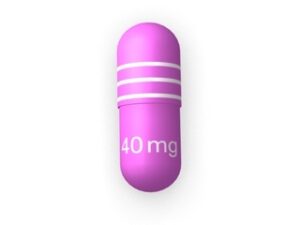
| Common strengths | 20 mg and 40 mg tablets (brand presentations may vary) |
| How it works | Reduces acid production in the stomach |
| Typical uses | GORD, reflux-related symptoms, stomach/duodenal ulcers, prevention of ulcer risk in some patients |
| How it’s taken | Usually once daily before food; timing is important |
| Common side effects | Headache, diarrhoea, nausea, abdominal pain (often mild) |
What is Protonix?
Protonix is a brand of pantoprazole, a medication that belongs to the group called proton pump inhibitors (PPIs). PPIs lower the amount of acid made by the stomach by blocking the final “pump” step that produces acid.
Many people use Protonix to manage symptoms linked to stomach acid, such as heartburn, acid reflux, and irritation in the oesophagus (food pipe). It may also be used to help ulcers heal and reduce the risk of recurrence.
How Protonix works (mechanism of action)
To understand why timing matters, it helps to know the mechanism:
- Inside stomach lining cells, acid is produced using a microscopic “proton pump” system.
- Pantoprazole binds to and blocks these proton pumps.
- As a result, less stomach acid is produced.
- Lower acid levels help relieve reflux symptoms and allow inflamed or ulcerated tissue to heal.
Important: Protonix works best when taken before meals, because the stomach needs to begin acid production after food intake. Taking it ahead of time helps ensure the medication is active when acid production starts.
Pharmacokinetics: absorption, onset, and duration
Pharmacokinetics describes what the body does to the medicine. While individual responses vary, these points are generally relevant:
- Absorption: Pantoprazole is absorbed from the gastrointestinal tract after swallowing the tablet.
- Onset: Symptom relief may begin within the first day, but maximum acid suppression often develops over several days of consistent dosing.
- Duration: Because PPIs bind to proton pumps, their effect can last beyond a single dose, supporting once-daily regimens for many indications.
- Metabolism: The liver metabolises pantoprazole, and metabolites are excreted primarily via urine.
- Half-life: The medicine’s plasma half-life is relatively short, but acid suppression persists due to irreversible binding to proton pumps.
What this means in practice: For reflux, ulcers, or inflammation linked to acid, regular daily use is often required even if symptoms improve quickly.
Typical uses and indications in Australia
Protonix is indicated for a range of acid-related conditions. Common uses include:
- GORD (gastro-oesophageal reflux disease): to reduce symptoms and healing oesophagitis.
- Reflux symptoms: such as heartburn and acid regurgitation.
- Gastric (stomach) and duodenal ulcers: to support healing and reduce recurrence risk.
- Prevention of ulcers in patients at higher risk when taking certain ulcer-risk medicines (for example, some anti-inflammatory medications), depending on clinical assessment.
Note: The exact suitability and choice of strength or duration depends on the condition, severity, and your medical history.
How to take Protonix (timing and instructions)
Timing is crucial. Protonix usually works best when taken before food.
Common timing advice
- Once daily dosing: take a dose before breakfast (or your first meal of the day).
- Swallow whole: take the tablet whole with water—do not crush or chew unless your product instructions specifically allow it.
- Be consistent: take it around the same time each day.
If you miss a dose
- Take it when you remember if it is still close to the usual time.
- If it’s nearly time for the next dose, skip the missed dose.
- Do not double up to make up for a missed dose.
How long to use it
The appropriate duration varies. Some conditions require a short course, while others may need longer treatment. If symptoms persist despite correct use, seek medical advice rather than increasing the dose on your own.
Food interactions and what to avoid
Protonix is affected by the timing of meals:
- Take before eating: food triggers stomach acid production; taking Protonix beforehand helps inhibit that acid rise.
- After-meal dosing may be less effective: taking it with or after food can reduce the benefit.
Alcohol: Alcohol can worsen reflux symptoms in many people by relaxing the lower oesophageal sphincter and increasing irritation. Reducing alcohol may improve comfort and reduce the need for frequent symptom relief.
Alcohol and medicine interactions
Alcohol
While pantoprazole may reduce acid, it does not prevent all causes of burning discomfort. Alcohol may still trigger reflux and stomach irritation.
- For reflux (GORD): consider limiting or avoiding alcohol, especially beer, wine, spirits, and high-alcohol mixed drinks.
- For ulcers: alcohol may delay symptom recovery and irritate the stomach lining.
Interactions with other medicines
Protonix may interact with certain medications. The most important interaction patterns include:
- Medicines requiring stomach acid to work properly: lower acid can reduce absorption of certain drugs (for example, some antifungal medicines such as ketoconazole or itraconazole, and some HIV medicines depending on regimen).
- Anticoagulants (blood thinners): some people using warfarin may require closer monitoring of clotting (INR) after starting or stopping PPIs.
- Medicines metabolised by liver enzymes: pantoprazole is metabolised in the liver; however, clinically significant interactions are not common with many routine medicines. Still, review all medicines with a healthcare professional.
Practical advice: If you take multiple medicines, keep a list and check interaction risks with your pharmacist or prescriber—especially if you use anticoagulants, older ulcer treatments, or medicines for infections.
Do not start or stop any other medicine because of Protonix without professional guidance.
Dosage: typical dosing approaches
Dosage depends on the diagnosed condition, severity, and treatment plan. Common regimens in practice include once-daily schedules, often starting with 20 mg or 40 mg. Your product label and professional advice should guide the exact dose.
General dosing principles
- Use the lowest effective dose that controls symptoms.
- Once daily before breakfast is typical for many indications.
- Healing of ulcers/oesophagitis may require a longer course than symptom relief alone.
- Do not exceed your recommended dose unless directed.
Special situations
- Kidney impairment: dose adjustment is often not required, but individual assessment matters.
- Liver impairment: some people may need careful monitoring; your clinician may adjust the plan.
- Long-term therapy: if Protonix is used for months or years, periodic review is recommended to ensure ongoing benefit and to use the lowest effective dose.
If you are unsure which strength or schedule applies to you, check the label and speak with your pharmacist.
Safety profile: what to expect
Most people tolerate Protonix well. However, all medicines can cause side effects. Commonly reported effects include:
Common side effects
- Headache
- Nausea
- Diarrhoea or constipation
- Abdominal pain, bloating, or discomfort
Seek urgent medical help if you notice
- Signs of an allergic reaction: swelling of face/lips, difficulty breathing, severe rash
- Severe or persistent diarrhoea (especially watery/bloody) or signs of dehydration
- Vomiting blood or passing black/tarry stools (possible bleeding)
- Unexplained weight loss, progressive difficulty swallowing, or persistent vomiting
Long-term use considerations
PPIs are generally safe when used appropriately, but long-term therapy may be associated with certain risks. Your healthcare provider may periodically review whether continued treatment is necessary.
- Vitamin and mineral effects: long-term PPI use can be linked with lower magnesium in some people; calcium and vitamin B12 status may also be affected in certain circumstances.
- Bone health: prolonged high-dose PPI therapy has been associated with an increased risk of fractures in some studies, particularly in older adults with other risk factors.
- Infections: reduced stomach acid can increase susceptibility to certain gastrointestinal infections.
Tip: If you need Protonix long-term, ask your pharmacist or doctor about monitoring and lifestyle measures to reduce the need for higher dosing.
Practical use tips for better results
- Take it consistently: the best results come from regular daily dosing rather than “as needed” use.
- Use the pre-meal routine: set a morning routine (e.g., take after waking and before breakfast).
- Review reflux triggers: caffeine, spicy foods, late-night meals, and large portions can worsen symptoms.
- Don’t lie flat after eating: if reflux is an issue, try to avoid lying down for 2–3 hours after meals.
- Elevate the head of bed if night symptoms occur.
- Consider symptom tracking: note when symptoms start and which foods or activities trigger them—helpful for ongoing management.
Alternative options
If Protonix is not suitable or symptoms persist, there are other options. Which alternative is right depends on your diagnosis and severity.
Other acid-lowering medicines
- Other PPIs: e.g., omeprazole, esomeprazole, lansoprazole (choice varies by response and availability).
- H2-receptor antagonists: e.g., famotidine, which reduce acid but typically act differently and may be less potent for severe reflux.
Non-medicine strategies
- Weight management if relevant
- Smaller meals
- Limiting alcohol and tobacco
- Reducing late-night eating
- Head-of-bed elevation
Note: Antacids and alginate products can help relieve breakthrough symptoms, but they do not replace the healing and acid control provided by a PPI regimen.
Recent guidance and important considerations in Australia
In Australia, PPIs like pantoprazole are widely used. Ongoing clinical guidance generally emphasises:
- Correct diagnosis: symptoms resembling reflux may have other causes; persistent symptoms should be assessed.
- Appropriate duration: use the shortest effective treatment period for the condition.
- Review long-term therapy: patients on long-term PPIs should have periodic review to confirm continued need.
- Safety monitoring: awareness of potential long-term risks (such as magnesium deficiency or infection risk) is recommended, especially in older adults or those with comorbidities.
Important: If symptoms improve then return quickly after stopping Protonix, this may indicate ongoing disease activity. Do not restart long-term therapy without discussing it with a healthcare professional.
Delivery and availability (Australia)
Protonix (pantoprazole) is generally available through pharmacies and may be supplied by online pharmacy services across Australia, depending on current product availability and supply arrangements.
- Stock levels: may vary between providers and regions.
- Delivery times: depend on location and order processing schedules.
- Cold-chain requirements: Protonix tablets do not typically require refrigeration.
- Packaging: tablets are usually supplied in labelled packs with clear dosing instructions.
When ordering online, ensure you select the correct strength and pack size matching your intended course. Always check the expiry date on the outer packaging.
How to store Protonix
- Store at or below 25°C (unless the pack says otherwise).
- Keep in the original package to protect from moisture.
- Keep out of reach of children.
- Do not use after the expiry date.
FAQ
1) When will Protonix start working?
Many people notice improvement within the first day, but maximum benefit can take several days of regular use. If you do not notice any improvement after the expected initial period, discuss next steps with a pharmacist or doctor.
2) Should I take Protonix with food?
For best results, take Protonix before food—typically before breakfast. Taking it with or after meals may reduce effectiveness.
3) Can I drink alcohol while taking Protonix?
You can often still drink, but alcohol may worsen reflux symptoms and irritate the stomach. Limiting alcohol can improve comfort and reduce symptoms.
4) Are antacids okay to use with Protonix?
Many antacids can be used for breakthrough symptoms. However, to avoid swallowing issues and timing concerns, ask your pharmacist about specific products and schedules. Generally, antacids provide quicker, short-term relief compared with PPIs.
5) What if my symptoms return after stopping Protonix?
Reflux and ulcers can recur. Returning symptoms may indicate ongoing disease. Rather than restarting without guidance, speak with a healthcare professional to confirm the cause and appropriate treatment plan.
6) Can Protonix be taken long-term?
Some people require longer-term treatment. Long-term use should be reviewed periodically to ensure the lowest effective dose and to consider potential risks. Your clinician/pharmacist can advise on monitoring and whether step-down strategies are appropriate.
7) Who should be extra careful?
Extra caution is advised for people who are older, have chronic illness, take multiple medicines (especially blood thinners), or have a history of low magnesium or frequent infections. Tell your pharmacist about all medicines and supplements you use.
8) What side effects are most concerning?
Seek urgent help for signs of allergy, severe or persistent diarrhoea, black/tarry stools, vomiting blood, or severe abdominal pain. For other mild effects, consult your pharmacist if they persist.
9) Does Protonix interact with my other medicines?
It can interact with certain medications. It may affect absorption of drugs that require normal stomach acidity and may require monitoring with warfarin. Provide a complete list of your medicines to your pharmacist for individual advice.
10) Can I take Protonix if I’m pregnant or breastfeeding?
Medicine suitability during pregnancy or breastfeeding depends on your individual circumstances. Discuss with a healthcare professional before use.
Important patient reminder
This information is intended as a general guide to help you understand Protonix (pantoprazole). If symptoms are severe, worsening, or include alarm features (such as difficulty swallowing, unexplained weight loss, vomiting blood, or black stools), seek medical advice promptly. For personalised advice—especially regarding dosing, interactions, and long-term use—speak with a pharmacist or other healthcare professional.