
Prevacid (Lansoprazole) – Patient Information (Australia)
Prevacid is a medicine that contains lansoprazole, a proton pump inhibitor (PPI). It is used to reduce acid in the stomach and help treat conditions related to excess stomach acid. This guide is written to be patient-friendly and includes practical advice on how to take lansoprazole, common safety considerations, and information relevant to Australia.
| Product name | Prevacid (lansoprazole) |
|---|---|
| Active ingredient | Lansoprazole |
| Medicine type | Proton pump inhibitor (PPI) |
| Main purpose | Reduces stomach acid production |
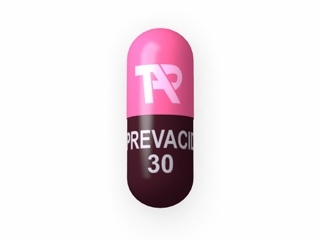
| Common forms | Capsules / delayed-release formulations (strengths may vary) |
| Where it is used | Gastro-oesophageal reflux disease (GORD), ulcer prevention and healing, and other acid-related conditions |
| Availability | Availability depends on local brand/formulation and regulatory status; check product listing |
How Prevacid works (Mechanism of action)
Lansoprazole belongs to a class of medicines called proton pump inhibitors. Your stomach produces acid using specialised “pumps” in the stomach lining (parietal cells). Lansoprazole works by blocking these proton pumps, which significantly reduces acid secretion.
Because it blocks the acid pumps at the source, lansoprazole is effective for conditions where stomach acid contributes to symptoms such as heartburn, sour taste, reflux, and ulcer-related discomfort.
Pharmacokinetics (What happens in the body)
Understanding how lansoprazole behaves can help you take it correctly.
- Absorption: Lansoprazole is designed for delayed release so it can be absorbed in the intestine rather than being destroyed by stomach acid.
- Onset of action: Acid reduction can begin within the first day, but full effect may take several days (especially for healing).
- Distribution: The medicine distributes through the body and is primarily associated with gastric acid suppression where it acts on the stomach’s acid pumps.
- Metabolism: It is mainly metabolised in the liver by enzymes (notably CYP-related pathways).
- Elimination: The breakdown products are eliminated primarily via the kidneys and through normal body clearance processes.
Practical takeaway: Lansoprazole is most effective when taken at the right time relative to meals, because it needs to reach and bind to active acid pumps.
Typical uses in adults and adolescents
Prevacid (lansoprazole) is used for acid-related gastrointestinal conditions, including:
- GORD (gastro-oesophageal reflux disease): for reducing symptoms and healing reflux-related damage.
- Gastric and duodenal ulcers: to help heal ulcers and relieve symptoms.
- Erosive oesophagitis: inflammation of the food pipe due to acid reflux.
- Prevention of ulcers in certain high-risk people who take medicines that can damage the stomach (for example, some anti-inflammatory medicines), where clinically appropriate.
- Other acid hypersecretion conditions (such as Zollinger–Ellison syndrome), as determined by a clinician.
Note: The exact indication and dose can depend on age, diagnosis, symptom severity, and treatment goals.
When and how to take Prevacid (Timing)
Timing is one of the most important factors for success with PPIs.
General timing guidance
- Take once daily: Many lansoprazole regimens are taken before a meal. A common approach is taking it 30 minutes before breakfast for once-daily dosing.
- If twice daily: It is typically taken before breakfast and before dinner (or as advised).
- Swallow whole: Follow the instructions for the specific product you receive. Many lansoprazole formulations are delayed-release and should not be crushed or chewed unless the label or pharmacist specifically advises otherwise.
Why before meals matters
When you eat, your stomach naturally produces acid. Taking lansoprazole before meals helps ensure the medicine is available to switch off the acid pumps when they are most active, improving symptom control and healing.
If you miss a dose
- Take it as soon as you remember on the same day.
- If it is close to the time of your next dose, skip the missed dose.
- Do not take double doses to make up for a missed dose.
Food interactions (What you should know about meals)
Food can influence how well lansoprazole is absorbed and how quickly it begins working.
- Best effect: Taking lansoprazole before food is usually recommended.
- With food: Taking it with or after meals may delay or reduce the effectiveness compared with taking it beforehand.
- Diet and symptom triggers: PPIs treat acid production, but reflux symptoms can still be affected by triggers such as large meals, late-night eating, spicy foods, fatty foods, and smoking.
Practical tip: If you struggle with morning routines, consider choosing a consistent time you can take before your first meal of the day.
Alcohol interactions
There is no universal “safe” rule that applies to all people, but alcohol can worsen reflux symptoms and irritate the stomach lining. If you drink alcohol while using Prevacid:
- Alcohol may worsen heartburn even if acid is reduced.
- Higher risk for stomach irritation: Alcohol can contribute to gastritis-like symptoms in some people.
- Consider moderation: Limiting alcohol may improve symptom control.
Seek advice if you have liver disease or experience persistent stomach pain or vomiting after drinking.
Medicine interactions (Important drug–drug considerations)
Lansoprazole can interact with other medicines by changing stomach acidity and by affecting how some drugs are metabolised in the liver.
Always check with a pharmacist or doctor if you take multiple medicines, especially:
Medicines affected by stomach acidity
- Some antifungal medicines (for example ketoconazole, itraconazole) may require stomach acid to absorb properly; lansoprazole may reduce absorption.
- Some antiviral medicines may have absorption changes depending on the specific drug.
- Iron supplements (including some formulations) may have altered absorption. If you need iron, spacing the doses may help, but advice is individual.
- Some drugs that rely on acidity for absorption may be less effective.
Medicines processed by liver enzymes
- Because lansoprazole is metabolised through liver enzymes, other medicines that strongly affect those pathways may alter lansoprazole levels.
- Conversely, lansoprazole may affect levels of other medicines metabolised via similar routes.
Antiplatelet and anticoagulant considerations
Some proton pump inhibitors can interact with certain medicines used to thin the blood. In particular, medicines in the PPI class are sometimes discussed alongside antiplatelet therapy and anticoagulants. Your clinician or pharmacist can advise which PPI is preferred in your situation and whether monitoring is needed.
Common “check this” list
- Blood thinners/antiplatelets
- Antifungals and antivirals
- HIV medicines
- Antiseizure medicines
- Some antidepressants
- Iron or vitamin supplements
- Medicines for stomach acid already (avoid duplicating PPIs without advice)
Practical tip: Keep an up-to-date list of your medicines (including supplements and herbal products) and share it with your pharmacist when starting or stopping lansoprazole.
Safety profile and side effects
Like all medicines, lansoprazole can cause side effects. Many people experience none or only mild effects.
Common side effects
- Headache
- Diarrhoea or constipation
- Nausea or stomach discomfort
- Abdominal pain
- Gas
Less common but important effects
- Allergic reactions (rash, swelling, severe itching, difficulty breathing)
- Severe or persistent diarrhoea (especially if watery or with fever)
- Low magnesium with prolonged use in some people
- Vitamin and mineral issues may occur with long-term therapy for some individuals (for example vitamin B12 or iron in certain cases)
- Infections: acid suppression can slightly increase risk of certain infections such as gastrointestinal infections in some people
When to get urgent help
Seek urgent medical attention if you experience:
- Signs of a severe allergic reaction
- Severe chest or abdominal pain
- Vomiting blood or passing black/tarry stools
- Persistent vomiting, difficulty swallowing, or unintentional weight loss
Practical use tips for best results
- Be consistent: Take it at the recommended time every day.
- Don’t double up: Avoid using two PPIs at once unless specifically advised.
- Use lifestyle measures: If you have reflux, consider:
- Avoid lying down for 2–3 hours after meals
- Smaller meals
- Limit trigger foods (spicy, fatty, chocolate, caffeine, alcohol)
- Stop smoking
- Raise the head of the bed if night symptoms occur
- Know your course: Many courses are time-limited; long-term use should be reviewed periodically by a healthcare professional.
- Follow instructions on the pack: Different lansoprazole formulations may have specific directions.
Dosing information (general overview)
Dose schedules vary by condition, age, and severity. Your prescribed or labelled dose depends on the reason you are taking lansoprazole and your clinical situation.
Common dosing patterns include:
- GORD / reflux symptoms: typically once daily (often before breakfast), with dose adjusted if needed.
- Erosive oesophagitis or ulcer treatment: may require a higher dose and/or a defined treatment duration.
- Prevention strategies: dosing may be lower or tailored to risk factors.
- Zollinger–Ellison syndrome / acid hypersecretion: higher or multiple daily dosing may be used under specialist guidance.
Important: Always follow the dosing directions provided with your specific product. Do not change your dose without medical advice.
Guidance on duration of therapy (recent and ongoing approach)
In general clinical practice, PPIs such as lansoprazole are commonly used for a set course to heal or control acid-related symptoms, then reviewed. Current trends in many places, including Australia, emphasise:
- Using the lowest effective dose for the shortest necessary duration
- Reviewing ongoing need for long-term therapy, especially if symptoms are well controlled
- Considering step-down strategies when appropriate (for example, reducing dose or switching therapy) rather than indefinite high-dose use
- Investigating red-flag symptoms (such as weight loss, difficulty swallowing, gastrointestinal bleeding) rather than relying only on acid suppression
Follow-up with your healthcare professional is recommended if symptoms persist despite correct use or if you are using lansoprazole long term.
Safety and precautions
Discuss with a pharmacist or doctor if any of the following apply:
- Allergy to lansoprazole or similar medicines
- Severe liver disease (dose adjustments may be needed)
- History of low magnesium or kidney issues
- Long-term PPI use (periodic review and monitoring may be appropriate)
- Plans for endoscopy or investigation of persistent symptoms
- Pregnancy or breastfeeding (benefit–risk must be assessed for your individual situation)
Long-term use note: Long-term PPI therapy may be appropriate for certain people, but it should be periodically reviewed to ensure continued benefit.
Alternative options to consider
If lansoprazole doesn’t suit you or if your symptoms improve, there are other approaches. Options may include:
Other acid-reducing medicines
- Other PPIs (such as omeprazole, esomeprazole, pantoprazole) – sometimes one PPI is better tolerated.
- H2 receptor antagonists (H2 blockers like famotidine) – may be used for milder or intermittent symptoms in some cases.
- Antacids – provide quicker short-term relief for breakthrough symptoms but do not treat the underlying acid production as strongly as PPIs.
Lifestyle and behavioural measures
- Weight management if relevant
- Meal timing changes (avoid late meals)
- Elevating the head of bed for night symptoms
- Reducing known triggers
Important: Do not switch or stop suddenly without guidance if you are treating ulcers, erosive oesophagitis, or have a complex history.
Market and legal context for Australia
In Australia, medicines are regulated by the Therapeutic Goods Administration (TGA). The availability of lansoprazole brands and formulations may vary depending on TGA scheduling, indications, and whether a particular product is listed for pharmacy supply only, prescription-only, or other categories.
Online pharmacies must comply with Australian laws and regulations, including requirements for lawful supply and appropriate counselling. Always ensure you are using a reputable Australian supplier and that the product you order matches the medicine strength and formulation you intend to use.
Tip: Check the product listing for the exact dosage form (for example, delayed-release capsule) and strength.
Recent guidance (general clinical approach)
Australia-wide guidance and international best practice increasingly encourage:
- Confirming the diagnosis when symptoms are persistent
- Reassessing long-term use (including the possibility of dose reduction or trial discontinuation for suitable patients)
- Ensuring appropriate monitoring in people on prolonged therapy (for example, attention to magnesium levels in some high-risk patients)
- Considering drug interactions when PPIs are combined with other long-term medications
If your symptoms return when you stop, it may be appropriate to discuss a step-down plan rather than restarting indefinitely on your own.
Delivery, availability, and what to expect when ordering online
Availability of Prevacid (lansoprazole) can depend on brand, formulation, and stock levels. When ordering through an online pharmacy:
- Check the product details carefully (strength, delayed-release formulation, pack size).
- Confirm quantity and dosage instructions before use.
- Delivery timeframes depend on your location and the supplier’s dispatch schedule; delivery estimates are typically shown at checkout.
- Cold-chain is usually not required for lansoprazole under typical storage conditions; however, follow the storage instructions on the pack.
Storage advice: Keep capsules in their original packaging, protected from moisture and away from excessive heat. Store at room temperature unless the label says otherwise.
First-time users: If you have not taken lansoprazole before, it can take a few days for the full benefit. If symptoms do not improve as expected, check your timing (before meals) and speak to a healthcare professional.
FAQ – Frequently Asked Questions
1) Is Prevacid the same as lansoprazole?
Yes. Prevacid is a brand name; the active ingredient is lansoprazole.
2) How quickly will I feel better?
Some people notice symptom improvement within a day or two. For healing of inflammation or ulcers, it often takes longer (several days to weeks), depending on the condition and dose.
3) Should I take Prevacid before or after food?
For best results, take it before a meal (commonly 30 minutes before breakfast if once daily). This timing helps the medicine work when acid pumps are most active.
4) Can I take it with other medicines?
Many medicines can be taken alongside lansoprazole, but interactions can occur—especially with medicines that depend on stomach acidity for absorption. Tell your pharmacist about all medicines and supplements you take.
5) Can I drink alcohol while taking Prevacid?
Alcohol may worsen reflux symptoms and irritate the stomach. Moderate use may be acceptable for some people, but if your symptoms increase after alcohol, consider reducing or avoiding it.
6) What should I do if my reflux comes back?
First, confirm you’re taking lansoprazole at the correct time (before meals). If symptoms persist or recur frequently, discuss the cause and whether you need a different treatment plan.
7) Is it safe to use long term?
Many people use PPIs long term under clinical guidance when benefits outweigh risks. It is recommended that ongoing need is periodically reviewed and the dose is kept as low as possible.
8) Are there any warning signs I should not ignore?
Yes. Seek urgent medical help if you experience signs of bleeding (vomiting blood or black stools), severe chest/abdominal pain, trouble swallowing, persistent vomiting, or unintentional weight loss.
9) Can I stop Prevacid suddenly?
For some people, stopping abruptly may lead to return of symptoms. If you’ve been taking it for weeks or longer, ask a healthcare professional about the safest approach, which may include a step-down plan.
10) Who should be extra careful?
Extra caution is advised for people with liver problems, a history of low magnesium, those on multiple interacting medicines, and people needing long-term therapy. A pharmacist can help review your situation.
Summary
Prevacid (lansoprazole) reduces stomach acid by blocking proton pumps in the stomach lining. It is commonly used for GORD, reflux-related damage, ulcers, and other acid-related conditions. For best effectiveness, take lansoprazole before meals and consistently at the recommended time. Like all medicines, it can cause side effects and may interact with other drugs—so it’s important to check your medication list and follow professional advice, particularly if you plan long-term use.
If you have any concerns about your symptoms, dosing, or interactions, speak with a pharmacist or doctor.