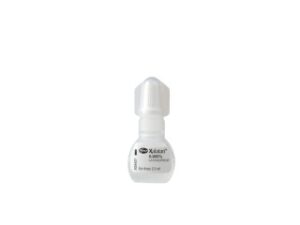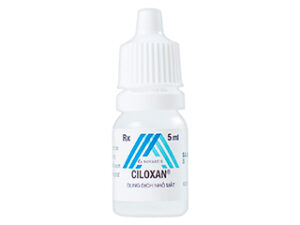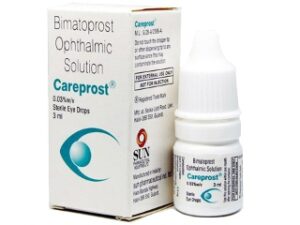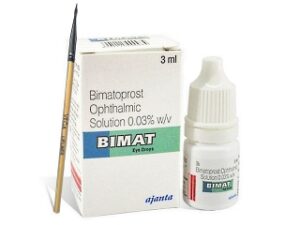
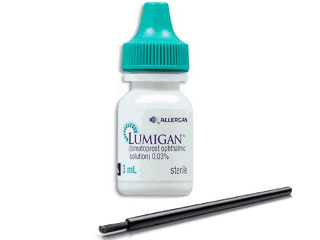
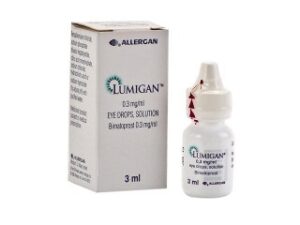
Lumigan + Applicators (Bimatoprost) – Patient Information (Australia)
Lumigan + Applicators is an eye-medicine used to lower high pressure inside the eye. It contains bimatoprost, a prostaglandin analogue. It is supplied with applicators designed to make dosing more convenient and consistent.
This page explains how Lumigan + Applicators works, how to use it, what to expect, and important safety information for people in Australia.
Key product details
- Active ingredient: Bimatoprost
- Medicine type: Prostaglandin analogue for lowering intraocular pressure
- Available form: Eye drops/eye application with applicators (depending on the pack)
- Common use: Treatment of ocular hypertension and certain types of glaucoma
- Brand: Lumigan (with applicators)
- Manufacturer/brand owner: (Varies by distributor; check your pack label)
Always check the strength stated on your box/label. Different products may contain different concentrations of bimatoprost.
What is high eye pressure and why does it matter?
Inside the eye there is a clear fluid. If the fluid doesn’t drain properly, pressure can rise. High intraocular pressure (IOP) can damage the optic nerve over time and may lead to glaucoma or worsen existing damage.
Lumigan helps lower IOP, which can help protect the optic nerve and reduce the risk of progression in certain conditions.
Mechanism of action (how Lumigan works)
Bimatoprost works mainly by increasing the eye’s outflow of fluid and by altering pathways that regulate fluid turnover. In simpler terms:
- It helps reduce fluid pressure inside the eye.
- It acts on receptors involved in regulating fluid drainage.
- It is designed for once-daily use, typically at night.
Because the eye’s fluid dynamics are complex, the effect is measured by changes in intraocular pressure during eye examinations.
Pharmacokinetics (absorption and what happens in the body)
When used in the eye, bimatoprost is absorbed through ocular tissues. The medicine primarily acts locally in the eye, but small amounts may enter the bloodstream.
- Onset of effect: IOP can begin to change within hours after dosing, with fuller effect developing over days with consistent use.
- Systemic absorption: Generally low with normal eye dosing.
- Metabolism: Bimatoprost is metabolised in the body, including pathways involving degradation of the molecule.
- Elimination: Metabolites are cleared mainly via renal (kidney) and other elimination routes.
Important: Individual responses vary. Some people may have stronger effects than others, while others may require additional glaucoma medicines.
Typical indications (what it’s used for)
Lumigan + Applicators is used for:
- Ocular hypertension (raised eye pressure without diagnosed glaucoma)
- Open-angle glaucoma (including chronic glaucoma forms)
- Adjunct therapy in some patients when additional IOP lowering is needed
Eligibility and exact indication depend on your eye condition and local clinical guidance.
How to use Lumigan + Applicators (dose and timing)
Typical dosing schedule
Most people use bimatoprost once daily, usually in the evening or at night.
Why night? Bimatoprost is commonly prescribed for nighttime use because IOP tends to be higher later in the day/night for many people, and the medicine has been studied with bedtime dosing.
General dosing instructions
- Use one drop/application in the affected eye(s) unless your clinician has advised otherwise.
- Do not double up if you miss a dose.
- If you miss a dose, use it as soon as you remember on the same day, then skip the next scheduled dose if it’s close to the next time (follow your local advice; if unsure, ask a pharmacist).
- Continue daily dosing even if your vision feels normal—glaucoma and ocular hypertension often do not cause symptoms.
Step-by-step practical use tips
- Wash your hands before use.
- Check the applicator tip is clean and intact.
- To apply, gently pull down the lower eyelid to form a small “pocket”.
- Place the applicator near the eye without touching the eye or lashes.
- Apply the prescribed amount into the conjunctival sac (the space between the eyelid and eye).
- Close your eye gently for 1–2 minutes.
- Consider nasolacrimal occlusion (lightly press the inner corner of your eye for 1 minute) to reduce drainage into the bloodstream, which may help reduce unwanted effects.
- If using other eye medicines, separate them by at least 5–10 minutes.
Do not rub the eye after applying. Rubbing can increase irritation and may affect dosing accuracy.
Using with other eye drops or ointments
If you use multiple eye medicines, the order can matter:
- Use the liquid drop first.
- Wait at least 5–10 minutes.
- Use ointments last (ointments can reduce absorption of drops).
Your ophthalmologist/optometrist may provide specific instructions based on your regimen.
Timing with meals (food interactions)
Food interactions are not expected with eye drops like bimatoprost because absorption into the bloodstream is generally low and the medicine acts locally in the eye. In most cases, you can use Lumigan with or without food.
Tip: If you are sensitive to dryness or irritation, taking your night dose at a consistent time (e.g., after your evening routine) can help you maintain consistent use.
Alcohol interactions
There are no well-established direct alcohol interactions with bimatoprost eye application. However, alcohol can worsen general irritation and dryness in some people, which may increase eye discomfort.
If you notice increased redness, dryness, or blurred vision after alcohol, consider reducing alcohol intake and speak with a pharmacist or eye care professional if symptoms persist.
Interactions with other medicines
Because bimatoprost is used in the eye, drug interactions are generally limited. Still, it’s important to tell your pharmacist/clinician about all medicines you use, including:
- Other eye drops (including steroid drops or combination products)
- Medicines for glaucoma (e.g., beta-blockers, carbonic anhydrase inhibitors)
- Contact lenses
- Any eye treatments or procedures
- Herbal products and supplements
Common interaction considerations
- Other glaucoma medicines: Lumigan is often used alongside other agents to achieve target IOP.
- Multiple prostaglandin analogues: Combining similar medicines can increase side effects without providing extra benefit. Only use combinations if specifically advised.
- Ocular inflammation: If you develop eye inflammation, contact your eye care provider promptly.
Always check your product label and keep an updated list of medicines for review at follow-up appointments.
Safety profile and side effects
Like all medicines, Lumigan + Applicators may cause side effects. Many are mild and improve as your eyes adjust to treatment, but some require medical attention.
Common side effects
- Redness of the eye (conjunctival hyperaemia)
- Itching or irritation
- Dry eyes or a gritty feeling
- Possible increased tear production
- Headache (in some people)
Notable long-term or characteristic effects
Prostaglandin analogues can cause changes around the eyes:
- Increased pigmentation of the iris (a darker look)
- Darkening of the eyelashes and/or eyelid skin
- Eyelash growth (longer, thicker lashes)
- These effects are usually gradual and may be long-lasting.
Less common but serious side effects – seek urgent advice
Contact a healthcare professional promptly if you experience:
- Eye pain or significant worsening redness
- Marked light sensitivity
- Blurred vision that persists or worsens
- Sudden changes in vision
- Swelling around the eye
- Signs of allergy (severe itching, rash, swelling)
Pregnancy and breastfeeding
The safety of bimatoprost during pregnancy and breastfeeding depends on individual risk–benefit assessment. Discuss your situation with an eye doctor or pharmacist before continuing treatment if:
- You are pregnant or planning pregnancy
- You are breastfeeding
Children and adolescents
Use in children should follow paediatric dosing guidance provided by an eye care professional. The appropriate regimen depends on age, diagnosis, and local product information.
Practical use tips for comfort
- Expect initial irritation: mild redness or stinging for a short time after applying is relatively common.
- Don’t reuse applicators: use only as instructed on your pack.
- Avoid touching the tip: it can contaminate the medicine and irritate the eye.
- Manage dryness: consider preservative-free artificial tears (separate by 5–10 minutes from Lumigan).
- Contact lenses: many people should remove soft contact lenses before applying glaucoma drops. Ask your pharmacist/eye care provider if you can reinsert lenses and when.
- Night routine helps: apply at the same time nightly to reduce missed doses.
Dosing summary (quick reference)
| Category | Typical advice |
|---|---|
| How often | Once daily (commonly at night/evening) |
| Dose | One applicator application in the affected eye(s), unless otherwise advised |
| Missed dose | Use when remembered on the same day if not close to next dose; otherwise skip and resume later |
| With other eye medicines | Separate by at least 5–10 minutes (drops before ointments) |
| Contact lenses | Follow your clinician/pharmacist advice (often remove before dosing) |
What to expect after starting Lumigan
- IOP lowering: may be seen within days; follow-up checks determine whether target IOP is reached.
- Eye appearance: you may notice redness, increased lash prominence, or eyelid skin darkening over time.
- Vision changes: if you get temporary blur after applying, wait before driving or performing tasks until your vision clears.
Keep your scheduled eye tests, even if you feel well. Glaucoma monitoring requires measured pressure and optic nerve assessment.
Alternative options (if you can’t tolerate Lumigan)
If side effects are bothersome or IOP targets are not met, an eye care professional may consider alternatives. Options commonly used include:
- Other prostaglandin analogues (similar class; different tolerability profiles)
- Beta-blocker eye drops (reduce production of eye fluid)
- Alpha agonists (reduce fluid production and increase outflow)
- Carbonic anhydrase inhibitors (reduce fluid production)
- Combination products (two medicines in one bottle, depending on availability)
- Laser or surgical options if medicines alone are insufficient
Do not switch medicines without advice—target IOP and side effect history guide the best choice.
Market and legal context in Australia (general guidance)
In Australia, glaucoma and ocular hypertension are managed by eye care professionals (optometrists and ophthalmologists). Medicines used for eye pressure lowering are regulated under Australian therapeutic goods requirements. Availability, pack sizes, and prescribing/dispensing practices can vary depending on product status and clinical requirements.
For online pharmacy purchases, ensure you:
- Buy from a reputable Australian pharmacy or licensed distributor
- Check the registered name, strength, and expiry date on arrival
- Keep out of reach of children
Always refer to the product information leaflet supplied with your specific pack.
Recent guidance and monitoring (what to watch for)
While guidance can evolve, key principles for glaucoma management remain consistent:
- Adherence matters: using the medicine daily helps maintain IOP control.
- Regular monitoring: follow-up appointments track IOP and optic nerve/visual field status.
- Report side effects early: persistent redness, pain, or light sensitivity should be assessed promptly.
- Observe eye changes: progressive eyelash/iris pigmentation is a known effect; however, new or severe symptoms should be evaluated.
If you miss doses frequently, your eye pressure may rise again—making monitoring even more important.
Delivery, availability, and storage
Availability: Lumigan + Applicators may be available through licensed Australian pharmacies and online pharmacy services, subject to stock and product listing.
Delivery: Delivery times vary by location and courier service. Check estimated delivery timeframes at checkout. Some products require standard storage conditions and may be shipped in accordance with manufacturer recommendations.
Storage advice
- Store according to the directions on the pack (commonly below 30°C, protect from excessive heat).
- Keep the container tightly closed.
- Do not use after the expiry date.
- Keep out of sight and reach of children.
Because this medicine is provided with applicators, follow pack instructions about how many doses are included and how to handle unused applicators.
FAQ: Common questions about Lumigan + Applicators
1) How quickly does Lumigan work?
Many people begin to see pressure-lowering within days. Your eye care professional will measure IOP at follow-up visits to confirm the effect and adjust treatment if needed.
2) What if I forget a dose?
Use the missed dose only if it’s not too close to your next scheduled dose. If it’s near the next dose, skip the missed dose and continue your normal schedule. Avoid doubling up.
3) Will Lumigan change the colour of my eyes?
Bimatoprost can cause increased iris pigmentation, which may darken the eye gradually. This effect is generally slow and may be long-lasting. If you notice significant or concerning changes, discuss them with your eye doctor.
4) Is it normal for my eye to look red?
Mild redness is a common side effect. However, significant pain, marked light sensitivity, or worsening symptoms should be assessed promptly.
5) Can I wear contact lenses?
Many eye drops require you to remove soft contact lenses before dosing. Reinsert only if your clinician/pharmacist advises it, and consider using alternatives if irritation occurs.
6) Can I use Lumigan with artificial tears?
Often yes. Use artificial tears separated by at least 5–10 minutes from Lumigan to avoid washing out the medicine.
7) What should I do if I get stinging or irritation?
Gentle stinging may occur initially. Try proper technique (avoid touching the eye tip), use nasolacrimal occlusion for 1 minute after dosing, and avoid eye rubbing. If symptoms persist or worsen, seek advice.
8) Are there any food or alcohol restrictions?
Food interactions are not expected. Alcohol may worsen dryness or irritation in some people. If you experience discomfort after alcohol, reduce intake and discuss persistent symptoms.
9) Can Lumigan be used in combination with other glaucoma drops?
It is commonly used as part of a multi-drop regimen. Avoid adding prostaglandin analogues together unless specifically advised. Your pharmacist or eye doctor can review your full regimen.
10) When should I seek urgent help?
Seek urgent medical advice if you experience severe eye pain, sudden vision changes, severe light sensitivity, significant swelling, or signs of an allergic reaction.
Summary
Lumigan + Applicators (bimatoprost) is a once-daily eye medicine used to lower intraocular pressure in conditions such as ocular hypertension and open-angle glaucoma. It works by helping the eye manage fluid drainage, reducing pressure and supporting long-term optic nerve protection.
For best results, use it at the same time each day—often at night—follow proper application technique, and attend regular eye monitoring. If you experience concerning symptoms or intolerable side effects, speak with your pharmacist or eye care professional promptly.