
Lumigan (Bimatoprost) Eye Drops – Patient Guide (Australia)
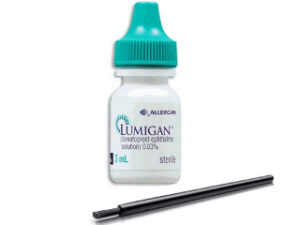
Lumigan is a brand of bimatoprost eye drops used to lower eye pressure and help manage certain eye conditions. If you’ve been advised to use Lumigan, this guide explains what it is, how it works, how to use it correctly, what to expect, and what to discuss with your eye care professional.
This information is intended to be patient-friendly and educational. Always follow the instructions provided with your medicine and your clinician’s advice.
1. Basic product information
| Category | Details |
|---|---|
| Medicine | Lumigan Eye Drops |
| Active ingredient | Bimatoprost |
| How it’s used | Topical (applied to the eye) |
| Common strength | Often supplied as 0.03% or 0.01% bimatoprost (product strength may vary by brand/market) |
| Typical dosing time | Usually once daily in the evening |
| Common form | Eye drops |
Important: If you have more than one strength or product, ensure you’re using the exact one prescribed/labelled for your condition.
2. What Lumigan is used for (indications)
In Australia, bimatoprost eye drops are commonly used to:
- Reduce elevated intraocular pressure in conditions such as open-angle glaucoma or ocular hypertension.
- Help reduce the risk of optic nerve damage by lowering pressure within the eye.
Your eye specialist may monitor your response with eye pressure checks (tonometry) and assessments of optic nerve health and visual fields.
3. How Lumigan works (mechanism of action)
Bimatoprost is a medicine that helps lower the pressure inside the eye. While the precise full pathway is complex, the clinical effect is well understood.
- Increases fluid outflow from the eye, helping aqueous humour drain more effectively.
- Also may influence processes within eye tissues that contribute to how fluid is regulated.
The result is typically a reduction in intraocular pressure, which helps slow the progression risk of glaucoma-related damage when used consistently.
4. Timing and when to take Lumigan
Most people use Lumigan once daily, usually in the evening. Many eye drops in this class work best with timing that matches the eye’s natural daily pressure rhythm.
Practical guidance:
- Choose an evening time that you can stick to (e.g., before bed).
- Use it at the same time each day if possible.
- If you miss a dose, follow the guidance on your product label and clinician advice (see FAQ for common “missed dose” scenarios).
Consistency matters: Lowering eye pressure often requires ongoing daily use.
5. Typical dosing (how much to use)
The typical regimen for bimatoprost eye drops is:
- Adults and elderly: usually one drop in the affected eye(s) once daily in the evening.
- Children: use may be limited and should be determined by a specialist; dosing and suitability depend on age and indication.
Always follow your specific label instructions because products may differ by concentration, dosing schedule, and the number of eyes treated.
6. Pharmacokinetics (how the body handles it)
Pharmacokinetics describe what the body does to a medicine—how it’s absorbed, distributed, metabolised, and eliminated.
- Absorption: After topical eye application, bimatoprost penetrates ocular tissues to exert its effect on intraocular pressure regulation.
- Distribution: Effects are primarily local within the eye; systemic absorption is generally limited when used as eye drops.
- Metabolism: Bimatoprost undergoes metabolic processes that convert it into related compounds in the body.
- Elimination: Metabolites are eliminated mainly via renal (urine) and other routes, depending on metabolism.
Clinical relevance for patients: Because systemic absorption is typically low, interactions may be less common than with oral medicines, but you should still inform healthcare providers about all medicines and eye products you use.
7. Food interactions
Because Lumigan is applied to the eye, food interactions are generally not expected. Unlike oral medications, the medicine is not taken as a meal-related dose.
Nevertheless, always keep a complete medication list (including supplements) to discuss with your clinician, particularly if you have other eye conditions or dry eye symptoms requiring additional drops.
8. Alcohol and medicine interactions
Alcohol
There is no well-established direct alcohol interaction with bimatoprost eye drops. However, alcohol may indirectly worsen symptoms for some people (e.g., dry eyes or blurred vision), which can affect comfort when using eye drops.
Other medicines (eye drops and systemic medicines)
Interactions with bimatoprost are not commonly prominent, but it’s still important to consider:
- Other eye drops: Some drops can be used together, but timing matters to avoid washing one product out of the eye.
- Contact with the eye surface: If you use lubricating drops or medicated drops, spacing them reduces dilution.
- Systemic medications: Because systemic exposure from topical use is typically low, significant systemic drug interactions are less likely; however, individual risk can vary.
Tell your eye care professional if you are using:
- Prostaglandin analog eye drops (often used for similar purposes)
- Medicines for inflammation (e.g., steroid eye drops)
- Medicines that affect the immune system
- Any other prescription or over-the-counter eye products
9. Safety profile and side effects
Like all medicines, Lumigan can cause side effects. Many are mild and related to local eye changes.
Common side effects
- Eye redness or irritation
- Itching or burning sensation
- Dry eyes or feeling of something in the eye
- Watery eyes
- Changes in eyelash growth (often increased length/thickness)
- Eyelash darkening
- Increased pigmentation of the iris (can occur over time)
Other possible effects
- Periorbital skin darkening (around the eyes)
- Visual disturbances such as mild blurred vision temporarily after instilling
- Headache or discomfort (less common)
Serious side effects (seek urgent medical advice)
Stop use and contact a healthcare professional promptly if you experience:
- Severe eye pain
- Significant vision changes
- Marked swelling of the eye/eyelid
- Signs of infection (e.g., increasing discharge, severe redness)
- Allergic reaction (e.g., rash, facial swelling, trouble breathing)
Who should be extra cautious?
- People with a history of eye inflammation or uveitis
- People with eye surgery history—tell your clinician
- Those with severe dry eye (may need supportive therapy)
- Anyone planning to use other eye products concurrently
10. Practical use tips (how to get the best results)
Correct application improves effectiveness and reduces side effects.
Step-by-step technique
- Wash your hands with soap and water.
- If possible, use a mirror to see the eye clearly.
- Gently pull down the lower eyelid to form a small pocket.
- Hold the dropper tip close to the eye but avoid touching the eye or lashes.
- Instil one drop into the eye pocket.
- Close your eye gently for about 1 minute.
- Press the inner corner (near the nose) gently with a finger for around 1 minute if comfortable. This may reduce drainage into the tear duct and limit systemic absorption.
- Wipe away any excess liquid with a clean tissue.
Spacing with other eye drops
If you use more than one eye product, spacing helps prevent dilution or washing out.
- Use each medicine with an interval of at least 5–10 minutes unless your clinician says otherwise.
- Lubricating drops may be used for comfort; however, medicated drops should still be spaced appropriately.
Contact lenses
Many eye drops contain ingredients that may not be suitable for contact lenses. As a general safety measure:
- Remove contact lenses before instilling the drop.
- Wait at least 15 minutes before reinserting, or follow product-specific instructions.
Managing common discomfort
- If you feel burning or stinging, ensure the drop is applied correctly and avoid blinking immediately.
- If you have persistent dryness, ask your eye care professional about supportive treatments.
- Do not rub the eye vigorously; this can increase irritation.
11. What to expect when you start Lumigan
- Pressure lowering may occur within hours, but the full effect is assessed with scheduled eye pressure tests.
- Some changes such as eyelash changes may become more noticeable over weeks.
- Changes in iris pigmentation are generally gradual and may be permanent in some cases.
- You may notice mild redness early on, which often settles—if it worsens or becomes painful, seek advice.
12. Alternatives to Lumigan (bimatoprost)
Lumigan is one option in a larger class of glaucoma medicines. Alternatives can be considered based on effectiveness, side effects, cost, and individual eye health.
Other prostaglandin analogs (commonly used)
- Latanoprost
- Travoprost
- Travoprost/timolol combinations (depending on product availability)
- Other class alternatives as determined by your clinician
Non-prostaglandin options
- Beta-blockers (e.g., timolol)
- Alpha-adrenergic agonists
- Carbonic anhydrase inhibitors (topical or oral in some cases)
- Combination therapies where appropriate
Choosing an alternative: The best option depends on your eye pressure response, tolerability, and any other conditions (such as asthma, heart rate issues, or dry eye severity).
13. Market and legal context in Australia
In Australia, medicines for eye conditions are regulated through the national medicines and healthcare framework. Eye drop products such as Lumigan are provided through approved supply channels.
Key points for patients:
- Availability and packaging may vary by supplier.
- Australian product information and the approved label should always guide use.
- Pharmacists can help confirm suitability, explain dosing schedules, and advise on interactions with your other eye medicines.
Recent guidance (general clinical themes): Ophthalmology practices continue to emphasise:
- Regular monitoring of intraocular pressure and optic nerve status
- Correct instillation technique to improve adherence
- Active management of side effects such as redness and dry eye
- Awareness of pigmentation changes and other local effects
14. Delivery and availability (online pharmacy)
Online pharmacy availability can vary based on stock levels and product strength. For the most reliable ordering experience:
- Check that the product strength and brand match what your eye care team expects.
- Allow delivery time for dispatch and courier transit.
- Keep your eye drops stored as directed on the pack (commonly at room temperature; avoid extreme heat).
Storage tips:
- Keep the bottle capped when not in use.
- Avoid contaminating the tip by touching it to the eye or lashes.
- If the product expires or becomes contaminated, discard and replace.
15. Food, alcohol, and daily routines – a quick checklist
- Food: No specific food interaction is expected.
- Alcohol: No direct interaction is well established, but dry eye symptoms may feel worse for some.
- Routine: Use the drop consistently at the same evening time.
- Other drops: Space different eye medicines by 5–10 minutes.
16. Missed dose, overdose, and discontinuation
If you miss a dose
If you forget a dose, do not double up unless your clinician or the product label specifically advises it.
- Many patients are advised to use the missed dose when they remember unless it’s close to the next dose.
- Otherwise, skip the missed dose and resume the regular evening schedule.
Because guidance can vary by product instructions, check the label or ask a pharmacist for the safest option for your situation.
Overdose
If too many drops are instilled, it may increase irritation and redness. Rinse with lukewarm water if advised by a clinician and seek advice if symptoms are significant or persistent.
Do not stop suddenly without advice
Glaucoma and ocular hypertension typically require long-term management. Stopping Lumigan can lead to increased eye pressure. If you plan to discontinue, discuss it with your eye care professional.
17. FAQ – Lumigan (bimatoprost) eye drops
How long does Lumigan take to work?
Eye pressure may begin to drop within hours after instillation. Your clinician will measure effectiveness over follow-up visits to ensure adequate control. Pigment and eyelash changes may take weeks to become noticeable.
Can I use Lumigan in both eyes?
It depends on your diagnosis and instructions. Many people use it in one eye or both eyes. Use only as directed on your label.
What if my eye is red after using Lumigan?
Mild redness and irritation can occur. However, if redness is severe, painful, associated with swelling, discharge, or significant vision changes, stop and seek urgent advice.
Will Lumigan change my eye colour permanently?
In some people, iris pigmentation can increase gradually. This change may be permanent. Discuss concerns with your eye care professional, especially if pigmentation changes are unexpected or noticeable.
Can I wear contact lenses with Lumigan?
Generally, remove contact lenses before using the drop and reinsert after waiting (often at least 15 minutes), based on product instructions. If you have frequent discomfort, ask about lens type and eye dryness management.
Is Lumigan safe with other eye drops?
Often yes, but you must space dosing to prevent washout (typically 5–10 minutes). Your clinician or pharmacist can advise a schedule for your specific combination.
Can I drink alcohol while using Lumigan?
There is no well-established direct interaction. However, alcohol may worsen dry eye or cause temporary discomfort for some people.
What side effects should I watch for?
Common: redness, dryness, itching, watering, eyelash changes. Seek urgent care for severe eye pain, marked swelling, infection signs, or sudden/major vision changes.
What should I do if I accidentally touch the dropper tip to my eye?
Avoid further contact. If contamination is a concern or you suspect the bottle tip has been exposed, consider contacting a pharmacist for advice. Keep the tip clean and capped.
Where should I store Lumigan?
Store according to the label (commonly at room temperature, protected from heat and direct sunlight). Keep the bottle tightly closed.
18. Summary
Lumigan (bimatoprost) eye drops are a proven treatment used to help lower intraocular pressure in conditions such as open-angle glaucoma and ocular hypertension. Used once daily in the evening, it works by supporting fluid drainage within the eye.
Most side effects are local and mild to moderate, but some changes—such as eyelash growth and iris pigmentation—can be long-lasting. Correct drop application, consistent timing, and spacing with other eye products help maximise benefit and minimise discomfort.
If you have questions about how to use Lumigan, manage side effects, or choose between treatment options, speak with your eye care professional or pharmacist.