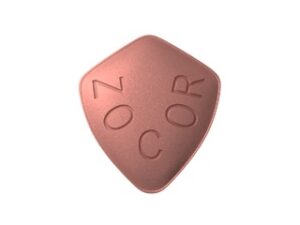
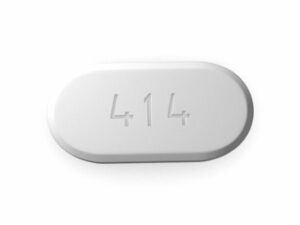
Crestor (Rosuvastatin) – Patient Information (Australia)
Crestor is a cholesterol-lowering medicine containing rosuvastatin. It belongs to a group of medicines called statins. Crestor is used to help reduce the risk of cardiovascular disease by lowering “bad” cholesterol (LDL) and improving overall cholesterol balance.
This guide is written to be patient-friendly and covers how Crestor works, how it’s taken, important safety information, and practical tips. If you have questions specific to your health, always speak with a qualified healthcare professional.
Basic product information
- Active ingredient: Rosuvastatin
- Brand name: Crestor
- Drug class: Statin (HMG-CoA reductase inhibitor)
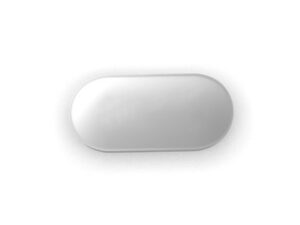
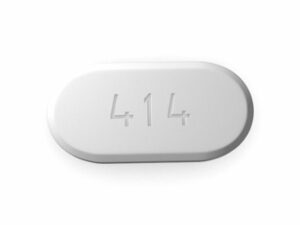
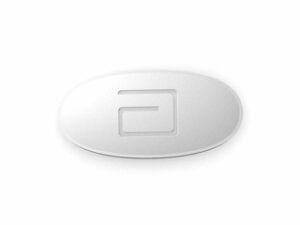
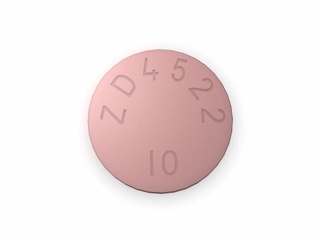
- Typical strengths: Commonly available in Australia include tablets such as 5 mg, 10 mg, 20 mg, and 40 mg (availability may vary by pharmacy)
- Dosage forms: Oral tablets
Note: Different brands and strengths may exist. Always confirm you have the correct strength and tablet type.
How Crestor works (mechanism of action)
Rosuvastatin works by reducing the liver’s production of cholesterol.
- It inhibits the enzyme HMG-CoA reductase, which is a key step in cholesterol synthesis.
- This causes the liver to increase the number of LDL receptors on its surface.
- More LDL cholesterol is removed from the bloodstream, leading to lower LDL levels.
- Statins can also modestly raise HDL (“good” cholesterol) and lower triglycerides.
- Importantly, statins help stabilise artery plaques, which may reduce the chance of heart attack and stroke.
Pharmacokinetics (how the body handles rosuvastatin)
Pharmacokinetics describes absorption, distribution, metabolism, and excretion—how the medicine moves through the body.
- Absorption: Rosuvastatin is absorbed after oral dosing. Peak blood levels occur within a few hours of taking a dose.
- Distribution: It primarily acts in the liver. It is bound to blood proteins.
- Metabolism: Rosuvastatin is partly metabolised in the liver, including by enzyme pathways such as CYP2C9 (and others at lower levels).
- Elimination: It is eliminated largely via bile and faeces, with some renal (kidney) clearance.
- Half-life: The apparent half-life is long enough that once-daily dosing is typically effective.
Practical meaning: Because dosing is once daily for most people, consistency is important. If you miss a dose, follow the instructions in your medicine information or ask your pharmacist.
What Crestor is used for (typical use)
Crestor is used to manage blood lipid levels and reduce cardiovascular risk in appropriate patients. It is commonly recommended alongside lifestyle measures such as a heart-healthy diet, regular physical activity, maintaining a healthy weight, and not smoking.
Common goals may include:
- Lowering LDL cholesterol
- Lowering total cholesterol
- Reducing triglycerides (for some people)
- Improving cholesterol balance
- Reducing risk of heart attack, stroke, or related cardiovascular events in people at higher risk
Indications (who may benefit)
In Australia, rosuvastatin is used for conditions such as:
- Primary hypercholesterolaemia (including heterozygous familial hypercholesterolaemia)
- Mixed dyslipidaemia (when LDL is a major contributor)
- Homozygous familial hypercholesterolaemia (in selected cases)
- Hypertriglyceridaemia (depending on the specific lipid pattern)
- Cardiovascular risk reduction in people with risk factors or established cardiovascular disease, as advised by a clinician
Important: The exact indication and suitability depend on your cholesterol results, overall health, medical history, and risk profile.
How and when to take Crestor (timing and dosing principles)
Many patients take rosuvastatin once daily. The timing depends on the prescriber’s instructions and the product guidance you receive.
- Time of day: You can usually take it at any time during the day. Choose a time you can remember.
- Consistency: Take it around the same time each day.
- With or without food: Rosuvastatin can generally be taken with or without food.
- Swallowing: Swallow the tablet whole with water.
- Lifestyle matters: Continue diet and exercise changes—medicines work best alongside them.
Monitoring: Doctors commonly monitor cholesterol levels and may also check safety blood tests (for example, liver-related tests) according to local practice and individual risk.
Dosing overview
Doses vary depending on the condition, cholesterol targets, age, kidney/liver function, and drug interactions. The dose for you should be determined by a healthcare professional.
| Strength (tablet) | Typical dosing approach (general) | When changes may occur |
|---|---|---|
| 5 mg | Often used to start therapy or for people sensitive to statins | May be increased if cholesterol targets are not reached |
| 10 mg | Common starting or maintenance dose | May be adjusted based on response and tolerability |
| 20 mg | Moderate- to high-intensity treatment for many patients | Adjustments based on lipid goals and safety |
| 40 mg | Higher-intensity dosing for selected patients under close guidance | May be used in specific cases; requires careful monitoring |
Practical meaning: If you start on a lower strength, your clinician may review your cholesterol and side effects after several weeks and adjust the dose if needed.
Food interactions
For most people, rosuvastatin can be taken with or without food. However, some dietary and product interactions are important.
- Grapefruit: Grapefruit is a common concern with some statins, but rosuvastatin interactions are generally less pronounced. Still, discuss with your pharmacist if you consume large amounts.
- Grapefruit juice: Avoid excessive intake unless advised otherwise.
- High-fibre diets and meal timing: These may affect general health and cholesterol patterns, but do not usually prevent rosuvastatin from working.
- Gastrointestinal tolerance: If you feel nausea or stomach upset, taking your tablet with a meal may help some people.
Key interaction to know: Some cholesterol medicines (e.g., bile acid sequestrants) can reduce absorption of statins. Your pharmacist can advise on spacing schedules if you use these medicines.
Alcohol interactions and safety
Alcohol can affect the liver. Since statins are processed by the liver and can rarely affect liver enzymes, it’s important to consider alcohol intake.
- Moderate alcohol: Often compatible for many people, but regular heavy drinking may increase liver-related risk.
- Heavy or binge drinking: Should be avoided unless your clinician advises otherwise.
- Symptoms to watch: Yellowing of the skin/eyes, dark urine, unusual fatigue, persistent nausea, or right upper abdominal pain—seek medical advice promptly.
If you have a history of liver disease or elevated liver enzymes, discuss rosuvastatin use and alcohol habits with your healthcare professional.
Medicine interactions (what to tell your pharmacist)
Rosuvastatin can interact with other medicines, which may increase side effects (including muscle-related problems) or reduce effectiveness.
Common interaction themes
- Increased rosuvastatin levels: Some medicines can raise statin levels in the blood, increasing risk of side effects.
- Muscle-related risk: Interactions may raise the chance of muscle pain, weakness, or rarely rhabdomyolysis (severe muscle breakdown).
- Cholesterol-binding agents: Some medicines can bind statins in the gut and reduce absorption, requiring dose spacing.
Examples of medicines that may interact
Interaction risk depends on dose, your health, and what else you take. Tell your pharmacist if you use:
- Some antibiotics and antifungals (certain drug classes may increase statin levels)
- HIV medicines (antiretrovirals)
- Immunosuppressants (for example, used after transplant)
- Other cholesterol-lowering therapies, especially those that can increase muscle risk when combined
- Gemfibrozil (a triglyceride-lowering medicine) may increase muscle-related risk with some statins
- Anticoagulants (blood thinners): monitoring may be needed depending on the specific drug
- Medicines that alter liver enzymes (some can affect statin metabolism)
Always carry an up-to-date list of your medicines and supplements (including herbal products) to your pharmacist or doctor.
Important: Do not stop rosuvastatin without professional advice, especially if you use it for cardiovascular risk reduction.
Safety profile: what to know before taking Crestor
Most people tolerate rosuvastatin well. Like other statins, it can cause side effects in some individuals. Many effects are manageable, especially with early recognition and dose adjustments.
Common side effects
- Mild stomach discomfort, nausea, or indigestion
- Headache
- Muscle aches or mild muscle soreness (more likely with higher doses or interactions)
Serious (seek medical advice urgently)
- Unexplained muscle pain, tenderness, or weakness, particularly if accompanied by fever or feeling very unwell
- Dark urine (could indicate severe muscle breakdown)
- Allergic symptoms such as swelling of face/lips, rash, or breathing difficulties
- Liver-related symptoms such as yellow skin/eyes, dark urine, severe fatigue, or persistent upper abdominal pain
Who needs extra caution
Your clinician may consider risk factors such as:
- Older age
- Kidney impairment
- History of muscle problems with statins
- Uncontrolled thyroid disease
- High alcohol intake
- Use of interacting medicines
Monitoring: Safety blood tests and follow-up may be recommended, depending on your risk factors and dose.
Practical use tips (getting the best results)
- Keep taking it: Statins are most effective when taken regularly long-term.
- Check your cholesterol: Lipid tests are usually reviewed after starting or changing dose (timing varies by clinician).
- Report muscle symptoms early: If you develop muscle pain or weakness, contact a healthcare professional promptly. Do not “push through” severe symptoms.
- Stay consistent with lifestyle: A heart-healthy diet and exercise support the medicine’s effect.
- Know what “mild” means: Occasional mild soreness can occur, but persistent or worsening muscle symptoms should be assessed.
- Keep a medication list: Especially helpful when seeing new doctors or specialists.
- Use reminders: Apps, pillboxes, or alarms can help you avoid missed doses.
What to do if you miss a dose
If you miss a dose, follow the guidance provided with your product information or as advised by your pharmacist. In general:
- Take the missed dose when you remember unless it is close to the time of the next dose.
- Do not take a double dose to make up for a missed tablet.
Alternative options (if rosuvastatin isn’t suitable)
Depending on your lipid profile, risk level, tolerability, and medical history, your clinician may consider alternative treatments.
Alternative statins
- Atorvastatin
- Simvastatin
- Pravastatin
- Pitavastatin (availability varies)
Non-statin lipid-lowering options
- Ezetimibe (reduces cholesterol absorption in the intestine)
- PCSK9 inhibitors (injectable therapies for selected patients)
- Bempedoic acid (for selected patients in certain situations)
- Fibrates (often used when triglycerides are high; must be chosen carefully with statins)
- Omega-3 fatty acids (may help triglyceride levels in some contexts)
Combination therapy: Sometimes rosuvastatin plus another agent provides better lipid control. Combination choices depend on interactions and safety considerations.
Market and legal context for Australia
In Australia, cholesterol-lowering medicines are regulated through the medicines framework administered by relevant authorities. Statins are widely used in primary and specialist care for lipid management and cardiovascular risk reduction.
Key practical points for Australia:
- Quality and supply: Medicines supplied through legitimate Australian pharmacies must meet regulatory quality standards.
- Safety information: Product Consumer Medicines Information (CMI) and clinician guidance form the basis for safe use.
- Ongoing monitoring: Australian clinical practice commonly includes lipid monitoring and safety checks based on individual risk.
Note on responsibilities: Always ensure you receive medicines from a reputable provider and verify the product name and strength. Avoid buying medicines from unverified sources.
Recent guidance and evolving recommendations
Guidance for statin use can evolve as new evidence emerges. In general, modern recommendations focus on:
- Individualising risk: Matching therapy intensity to cardiovascular risk and LDL targets.
- Shared decision-making: Discussing benefits and possible side effects.
- Monitoring tolerability: Prompt assessment of muscle symptoms and appropriate dose adjustments.
- Lifestyle as a foundation: Diet, exercise, and risk factor management remain core.
- Medication review: Regular review of interacting medicines, including supplements.
If you’re changing medications, starting new treatments, or experiencing side effects, ask your pharmacist or doctor to review your full medication list.
Delivery, availability, and online pharmacy considerations
Availability of Crestor may depend on tablet strength, your location, and pharmacy stock levels. When buying online in Australia, choose a pharmacy that provides clear product details such as:
- Medicine name and strength (e.g., rosuvastatin 10 mg)
- Tablet form and brand
- Pack size (number of tablets)
- Expiry date and storage conditions
- Delivery options and tracking
- Secure payment and customer support
Delivery expectations: Shipping times can vary. Reputable pharmacies typically provide estimated delivery windows and may require signature on receipt for certain orders.
Contact support: If you need a specific strength or package size, contact customer service before placing your order.
Storage and handling
- Store tablets below 25°C unless the product label states otherwise.
- Keep in the original packaging to protect from moisture.
- Keep out of reach of children.
- Do not use after the expiry date on the pack.
FAQ – Crestor (Rosuvastatin)
1) How long does it take for Crestor to work?
Many people see cholesterol improvements within a few weeks. Clinicians commonly review lipid levels after starting or adjusting therapy, based on local practice and your results.
2) Can I take Crestor with food?
Yes. Rosuvastatin can usually be taken with or without food. Taking it with a meal may help if you experience mild stomach discomfort.
3) What if I feel muscle aches?
Mild muscle soreness can happen, but persistent, worsening, or severe muscle pain—especially with weakness, fever, or dark urine—should be assessed promptly by a healthcare professional.
4) Are there blood tests I should expect?
Your clinician may monitor cholesterol levels and safety markers based on your risk factors, dose, and symptoms. If you develop concerning symptoms, additional tests may be needed.
5) Can I drink alcohol while taking Crestor?
Moderate alcohol may be acceptable for many people, but heavy drinking should be avoided. If you have liver disease or elevated liver enzymes, discuss alcohol intake with your clinician.
6) Does Crestor cause weight gain?
Weight changes are not a typical direct side effect of rosuvastatin. However, everyone’s experience differs. If you notice unexpected weight gain, discuss it with your healthcare professional.
7) Is grapefruit juice a problem with rosuvastatin?
Grapefruit interactions are generally less significant with rosuvastatin than with some other statins, but large amounts are best avoided unless your pharmacist advises otherwise.
8) What happens if I stop Crestor?
Stopping may allow cholesterol levels to rise again, potentially increasing cardiovascular risk. Do not stop without professional guidance.
9) What should I do about missed doses?
Take the missed dose when you remember unless it’s close to the next dose. Do not double up. If unsure, ask your pharmacist.
10) Can I take Crestor with other cholesterol medicines?
Some combinations may be used, while others may increase side effect risk. Your pharmacist can advise on safety and timing if you take medicines such as fibrates or bile acid sequestrants.
Key takeaways
- Crestor (rosuvastatin) lowers LDL cholesterol and helps reduce cardiovascular risk.
- Take it consistently once daily at a time that suits you; with or without food.
- Report muscle pain, weakness, or liver-related symptoms promptly.
- Review all medicines and supplements with your pharmacist to avoid interactions.
- Continue heart-healthy lifestyle changes for best long-term results.