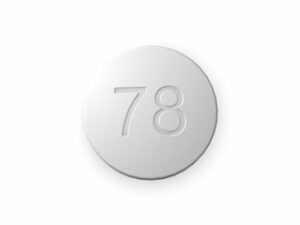
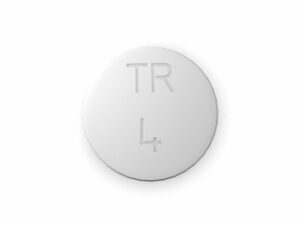
Desogestrel / Ethinyl Estradiol (Desogestrel and Ethinyl estradiol) — Patient Information
Desogestrel / Ethinyl estradiol is a combined oral contraceptive (COC) used to prevent pregnancy. It contains two hormones: desogestrel (a progestogen) and ethinyl estradiol (an oestrogen). This information is designed to be patient-friendly and helpful for everyday use in Australia.
| Category | Details |
|---|---|
| Medicine type | Combined oral contraceptive (COC) |
| Active ingredients | Desogestrel + Ethinyl estradiol |
| Common role | Contraception; may help with cycle regularity and menstrual symptoms |
| How it’s taken | By mouth once daily (follow your specific pack schedule) |
| Important note | Does not protect against sexually transmitted infections (STIs) |
Basic product information
Desogestrel / Ethinyl estradiol is used by people who want reliable pregnancy prevention with the convenience of a daily tablet. Brand names vary by manufacturer and availability, and packs may follow different schedules (for example, 21 active tablets with a break, or 24 active tablets followed by inactive tablets). Always check your box and blister pack for the exact instructions that apply to your product.
Key points to remember:
- Take one tablet each day at roughly the same time.
- Effectiveness depends on correct, consistent use.
- It can cause side effects, especially in the first few months.
- Smoking and certain medical conditions can increase the risk of serious complications.
How it works: mechanism of action
Combined oral contraceptives prevent pregnancy mainly by stopping ovulation and changing the environment of the reproductive tract. Desogestrel (progestogen) and ethinyl estradiol (oestrogen) work together to:
- Suppress ovulation: reduces the release of an egg from the ovaries.
- Thicken cervical mucus: makes it harder for sperm to enter the uterus.
- Alter the uterine lining: helps reduce the chance of implantation.
With correct daily use, the contraceptive effect is established and maintained throughout the cycle. If tablets are missed, effectiveness may decrease.
Pharmacokinetics (how the body absorbs and handles it)
Pharmacokinetics describes how the medicine is absorbed, distributed, metabolised, and eliminated. Individual results can vary depending on metabolism, liver function, and other medicines.
Absorption
After oral administration, ethinyl estradiol is absorbed through the gastrointestinal tract. Desogestrel is also absorbed and converted in the body to its active metabolite (etonogestrel). Peak (highest) levels generally occur within a few hours after taking a tablet.
Distribution
Both hormones bind to plasma proteins, including sex hormone-binding globulin (SHBG) and albumin, which influences how much active drug remains available in the bloodstream.
Metabolism
Metabolism primarily occurs in the liver. Enzyme systems (including CYP pathways) break down hormones. Certain medicines can increase or decrease hormone levels, which can affect contraceptive reliability.
Elimination
Hormones and their metabolites are eliminated mainly via urine and bile/faecal routes. The overall half-life helps explain why consistent daily dosing matters.
Typical use and timing
Desogestrel / ethinyl estradiol is taken to prevent pregnancy. It is usually taken as part of a scheduled cycle. Some packs contain only active tablets with no break; others include inactive (placebo) tablets.
When to start
The best start time depends on when you are currently in your menstrual cycle and whether you are switching from another contraceptive method. Common approaches include:
- Start on day 1 of bleeding (first day of your period): protection is typically prompt.
- Start after day 1: additional contraception may be advised for the first period of tablet use (often 7 days), depending on the product and timing.
- Switching from another method: follow the guidance for your previous contraception to maintain protection.
Your pharmacist or clinician can help you confirm the safest timing for your specific situation and pack type.
Daily timing
- Take one tablet daily, preferably at the same time each day.
- If you need a routine anchor, choose a daily habit (e.g., after breakfast or before bedtime).
- If you vomit soon after taking a tablet, follow missed-dose guidance (because absorption may be incomplete).
Indications (what it’s used for)
The main indication for desogestrel / ethinyl estradiol is:
- Contraception (pregnancy prevention).
In some people, combined oral contraceptives can also help with:
- More predictable bleeding patterns
- Reduced menstrual discomfort
- Improved acne symptoms (varies by individual)
These additional benefits depend on the person and the specific formulation. Always check the consumer medicine information (CMI) for your product for detailed claims and suitability.
Dosing: how to take it correctly
The dosing regimen depends on the pack format. The general principle is one tablet once daily.
General dosing principles
- Do not skip tablets unless instructed.
- Finish the active course exactly as directed by your pack.
- Follow the placebo/break schedule if your pack includes inactive tablets or rest days.
If you miss a tablet
Missed-dose instructions vary depending on how many tablets were missed and the timing in the cycle. As a general rule, the earlier in the cycle a dose is missed, the more risk can increase.
If you think you may have missed pills or taken them late, consult the CMI for your exact product schedule. If you have unprotected sex since missing tablets, consider emergency contraception and seek advice promptly.
Food interactions
Most combined oral contraceptives are not significantly affected by food. However, certain situations can affect absorption or increase gastrointestinal upset:
- Vomiting or severe diarrhoea can reduce absorption, potentially lowering effectiveness.
- Grapefruit products are not typically a major issue, but it’s best to be cautious with supplements and herbal products.
If you have persistent gastrointestinal illness, ask your pharmacist what additional precautions you should use.
Alcohol interactions
Moderate alcohol intake does not usually reduce contraceptive effectiveness directly. However, alcohol can indirectly increase the chance of missed doses or vomiting—both of which may affect reliability.
- If you drink and you miss your tablet, follow missed-dose guidance for your pack.
- Avoid binge drinking if it makes you more likely to vomit or forget doses.
Medicine interactions (important safety topic)
Some medicines can lower hormone levels and reduce contraceptive effectiveness. Others may increase bleeding or side effects. Always check with a pharmacist when starting any new medicine, including over-the-counter products and supplements.
Common examples of medicines that may reduce effectiveness
- Anticonvulsants (some seizure medicines)
- Anti-tuberculosis medicines
- Some antibiotics (most do not, but a few can)
- Antiretroviral medicines for HIV
- Herbal products containing St John’s wort (often lowers effectiveness)
Medicines that may increase hormone exposure
- Certain antifungals and some antiviral medicines may affect hormone metabolism.
- These can change side effects even if contraception remains effective.
Practical advice
- Tell your pharmacist you use a combined oral contraceptive.
- Keep a list of your medicines and show it during consultations.
- If an interaction is likely, you may need backup contraception (e.g., condoms) for a period.
Safety profile: who should be cautious
Desogestrel / ethinyl estradiol, like other combined oral contraceptives, can increase the risk of blood clots (venous thromboembolism) compared with not using hormonal contraception. Most people do not experience serious complications, but the risks are important to understand.
Seek urgent medical help if you notice signs of a clot
- Leg symptoms: swelling, pain, warmth, or redness in one leg
- Chest symptoms: sudden shortness of breath, coughing blood, or chest pain
- Stroke symptoms: sudden weakness/numbness on one side, trouble speaking, severe headache, dizziness, or vision changes
Other side effects that may occur
- Nausea, breast tenderness
- Headache (including migraine in some people)
- Changes in bleeding pattern (spotting or breakthrough bleeding)
- Mood changes
- Temporary changes in weight or appetite (not guaranteed)
- Skin changes such as acne improvement (some people notice improvement)
When you may need medical assessment before use
Combined pills may not be suitable for everyone. Extra caution is needed if you have (or have had) certain conditions, for example:
- A history of blood clots
- Known clotting disorders
- Uncontrolled high blood pressure
- Migraine with aura
- Severe liver disease
- Breast cancer or suspected hormone-sensitive cancer
- Smoking, especially if you are older
If any of these apply, discuss options with a healthcare professional.
Practical use tips (to get the best results)
- Use reminders: phone alarms, calendar alerts, or medication apps.
- Keep it consistent: take at the same time daily to reduce breakthrough bleeding and missed doses.
- Know your pack: confirm whether it includes placebo days or only active tablets.
- Plan for travel: carry extra tablets in your hand luggage and keep time zones in mind.
- Don’t double up automatically: follow missed-dose guidance for your exact situation.
- Track spotting: light bleeding can be common early on; persistent or heavy bleeding should be assessed.
Alternative options
If desogestrel / ethinyl estradiol isn’t suitable or you’d prefer a different approach, there are multiple contraceptive options in Australia:
- Other combined oral contraceptives (different progestogens/oestrogen doses)
- Progestogen-only pills (no oestrogen)
- Long-acting reversible contraception (LARC):
- Hormonal IUDs
- Copper IUD
- Implants
- Barrier methods (condoms) — also help protect against STIs
- Emergency contraception if unprotected sex occurs
Choice depends on your health profile, preferences, and lifestyle. A pharmacist can help compare practical differences (timing, side effects, and effectiveness).
Market and legal context for Australia
In Australia, contraceptives including combined oral contraceptives are supplied through authorised pharmacy channels. Product availability can vary by brand and formulation. Medicines are regulated by the Australian Government’s medicines and therapeutic goods framework, with product information requirements (such as consumer medicine information) that accompany each item.
If you are buying online, ensure the pharmacy is legitimate, uses secure payment, and provides clear product details. Reputable pharmacies typically provide:
- Correct listing of the active ingredients and strengths
- Clear pack size and dosing schedule
- Delivery estimates and tracking options
- Patient information documents (e.g., CMI links)
Recent guidance and public health considerations
Clinical guidance for combined hormonal contraception commonly emphasises:
- Assessing individual risk for blood clots and stroke (especially in smokers, older age groups, and those with migraines with aura)
- Considering drug–drug interactions that may reduce contraceptive efficacy
- Encouraging ongoing evaluation if new symptoms appear (e.g., severe headaches, chest pain, leg swelling)
- Reinforcing that oral contraceptives do not protect against STIs
Guidance and recommendations can evolve. For the most accurate advice, refer to the consumer medicine information for your specific product and seek pharmacist guidance if you have concerns.
Delivery and availability (Australia)
Desogestrel / ethinyl estradiol may be available from local and online pharmacies in Australia, depending on supply and the specific brand. Availability can change, particularly for less common pack types.
What to expect when ordering online
- Product verification: check the active ingredient list and pack schedule.
- Shipping time: delivery estimates depend on your location and dispatch times.
- Temperature and handling: most tablets do not require special refrigeration, but keep them stored as directed on the pack.
- Tracking: many pharmacies provide tracking updates.
If you need to start immediately, consider ordering in advance so you don’t run out mid-cycle. If your pack uses placebo days, confirm you have the next pack ready before you begin the next active cycle.
Storage
- Store tablets at room temperature, away from moisture and direct sunlight.
- Keep out of reach of children.
- Do not use after the expiry date on the pack.
FAQ
How quickly does desogestrel / ethinyl estradiol start working?
Timing depends on when you start relative to your menstrual cycle and your pack schedule. Some people get protection quickly when starting on day 1 of bleeding; others may need backup contraception (often for 7 days). Check your pack instructions or ask a pharmacist for personalised start-time advice.
Will I get a period each month?
Many people experience a withdrawal bleed during placebo or break days, but bleeding patterns can vary. Spotting or lighter/heavier bleeding can occur, especially during the first few months. If bleeding becomes persistent or unusually heavy, get medical advice.
Does it protect against STIs?
No. Combined oral contraceptives do not protect against sexually transmitted infections. Condoms are still recommended for STI protection, especially with new or non-monogamous partners.
What should I do if I miss pills?
Follow the missed-dose guidance in the consumer medicine information for your exact product. In general, the number of missed tablets and when they were missed affects what to do next. If you’ve had unprotected sex since missing pills, consider emergency contraception and seek prompt advice.
Can I take it with other medications?
Some medicines (and herbal supplements like St John’s wort) can reduce contraceptive effectiveness. It’s best to ask a pharmacist before starting new medicines, including short courses.
Is it safe to drink alcohol while taking it?
Moderate alcohol usually does not directly reduce effectiveness. However, drinking can increase the chance of forgetting doses or vomiting, which can affect absorption. If you vomit after taking a tablet, follow missed-dose advice.
Can I stop taking it whenever I want?
You can stop when you no longer want contraception. Fertility typically returns after stopping, but timing varies. If you’re stopping to try for pregnancy or for medical reasons, discuss the transition plan with a pharmacist or clinician.
What side effects are common in the first few months?
Many people notice nausea, breast tenderness, headaches, mood changes, and irregular spotting at first. These often improve after 2–3 cycles. If you develop severe symptoms (e.g., sudden chest pain, breathing difficulty, leg swelling, or stroke-like symptoms), seek urgent help.
Are there people who should not use combined pills?
Combined pills are not suitable for everyone, particularly individuals with a history of blood clots, certain migraine types (migraine with aura), serious liver disease, uncontrolled high blood pressure, or smoking at older ages. If you have any of these risk factors, consult a healthcare professional for safer alternatives.
What if I have persistent bleeding or pain?
Occasional spotting can be normal, especially early in treatment. Persistent bleeding, severe pain, or symptoms that worry you should be assessed promptly to rule out other causes.
Important: This page provides general information. Always refer to the consumer medicine information included with your specific product, and seek advice from a pharmacist for guidance tailored to your health history and the exact pack schedule.