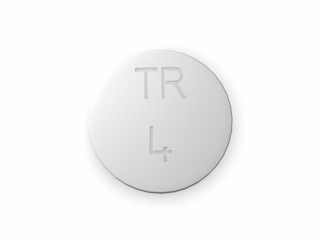
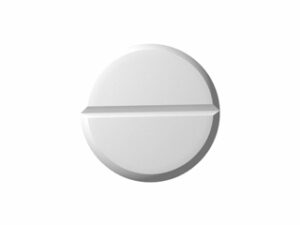

Mircette (Desogestrel / Ethinyl estradiol) – Patient Guide (Australia)
Mircette is a combined oral contraceptive tablet containing two hormones: desogestrel (a progestogen) and ethinyl estradiol (an oestrogen). It is used to help prevent pregnancy and may also be prescribed to help manage certain menstrual symptoms.
This guide explains how Mircette works, how to take it, what to expect, and when to seek medical advice. It is written for general information in Australia and may not cover every individual situation. Always read the Consumer Medicine Information (CMI) provided with your pack.
Basic product information
| Product name | Active ingredients | Type | Common use |
|---|---|---|---|
| Mircette | Desogestrel / Ethinyl estradiol | Combined oral contraceptive (COC) | Contraception; some cycle-related symptoms |
How Mircette is packaged: Many combined pills are supplied in a sequence with either active hormone tablets only, or a mix of active and placebo (sugar) tablets depending on the brand pack. Your pack’s blister layout determines the exact schedule (which tablets are active and which are placebo, if any). Follow the schedule printed on your specific pack.
Mechanism of action (how it prevents pregnancy)
Mircette works mainly by using the combination of desogestrel and ethinyl estradiol to:
- Prevent ovulation (stopping the release of an egg from the ovary).
- Thicken cervical mucus, making it harder for sperm to enter the uterus.
- Change the uterine lining (endometrium) so pregnancy is less likely to develop.
In addition to contraception, combined pills can:
- Make periods more regular.
- Reduce menstrual bleeding and cramps for some people.
- Help acne symptoms in some individuals (not guaranteed).
Pharmacokinetics (how the body processes the medicine)
Pharmacokinetics describes absorption, distribution, metabolism, and elimination. While exact values can vary between individuals, the following provides a patient-friendly overview of the main principles:
- Absorption: Both hormones are absorbed from the gastrointestinal tract after you swallow the tablet. Peak levels typically occur within a few hours of taking the dose.
- Distribution: Oestrogen and progestogen circulate throughout the body and bind to plasma proteins.
- Metabolism: The hormones are processed mainly in the liver through metabolic pathways. Certain medicines can increase liver enzyme activity, lowering hormone levels (see “medicine interactions”).
- Elimination: Metabolites are cleared from the body largely through bile and the kidneys. Hormone levels decline over time, which is why missing tablets can reduce contraceptive effectiveness.
Important practical point: Because hormone levels gradually change, taking tablets at about the same time each day helps maintain reliable protection.
Typical use and timing
When to start
Starting Mircette depends on your situation (for example, whether you’re switching from another contraceptive, starting after pregnancy, or starting at a different time in your cycle). The CMI for your pack includes specific start instructions. In general:
- If you start early in your menstrual cycle: protection may be achieved quickly (timing depends on the pack instructions).
- If you start at other times: you may need additional contraception (e.g., condoms) for a period of time.
How to take Mircette
- Take one tablet daily, at about the same time each day.
- Swallow whole with water if needed.
- Do not skip tablets, even if you are not having sex often.
- Follow the blister sequence exactly.
What about missed tablets?
Missing active hormone tablets can lower hormone levels and increase the risk of pregnancy. The exact “missed pill” guidance depends on how many tablets were missed and where you are in the pack. If you miss tablets, follow the detailed missed-pill instructions in the CMI.
General safety rule: If you are unsure, use condoms and seek advice from a pharmacist or doctor.
Breaks between packs
Many combined pill regimens include either a short pill-free interval or placebo week. The purpose is to keep a predictable schedule and allow a bleed for many users. Always follow your specific pack’s schedule.
Food interactions
Food usually does not significantly affect how Mircette works. You can take the tablet with or without food.
- If you have vomiting or severe diarrhoea shortly after taking a tablet, your body may not absorb it fully. Follow the CMI advice for vomiting/diarrhoea (often treating it similarly to a missed pill).
- Avoid relying on food timing alone if you are prone to forgetting—use a daily reminder.
Alcohol interactions
Alcohol does not usually have a direct interaction with ethinyl estradiol/desogestrel. However, alcohol may indirectly affect effectiveness and safety:
- Forgetting doses: alcohol can make it easier to miss tablets.
- Vomiting: heavy drinking may cause vomiting; if it happens soon after taking your pill, consider it a missed tablet.
If you drink and have vomiting, follow the same guidance as for missed pills. If you have concerns (e.g., very heavy alcohol intake or ongoing illness), seek pharmacist advice.
Medicine interactions (including enzyme inducers)
Some medicines can reduce Mircette’s hormone levels by increasing drug metabolism in the liver. This can reduce contraceptive effectiveness and increase the chance of breakthrough bleeding or pregnancy.
Medicines that may reduce effectiveness
- Anticonvulsants (e.g., certain epilepsy medicines)
- Antibiotics (in particular, some may interact; guidance varies by antibiotic—check your CMI)
- Antituberculosis medicines
- HIV and hepatitis treatments (some can affect metabolism)
- Herbal products: especially St John’s wort (Hypericum perforatum)
- Some antifungals and other medicines that affect liver enzymes
Medicines with the potential for increased side effects
- Some treatments can increase hormone exposure, potentially raising risk of side effects. This is less about pregnancy risk and more about tolerability and safety.
What to do if you start a new medicine
- Check the CMI or ask a pharmacist about interactions with Mircette.
- You may need extra contraception (e.g., condoms) while taking an interacting medicine and for some time after stopping it.
- Do not stop prescribed medicines without advice.
Indications (what it’s used for)
Mircette is indicated for:
- Contraception: prevention of pregnancy.
- Menstrual cycle management for some individuals, such as reducing irregular bleeding and/or menstrual discomfort, depending on the clinician’s assessment and your health history.
Not everyone will be an ideal candidate. Your doctor or pharmacist will consider medical history, risk factors, and any contraindications before you start.
Dosing (how much and how often)
Usual dose: Take one tablet once daily, following the sequence on the blister pack. Do not exceed the recommended schedule.
- If your pack includes placebo tablets, you still follow the daily routine and start the next pack on time.
- If you switch between contraceptive types, timing matters—ask for advice to maintain protection.
Safety profile (who should be cautious and key risks)
Mircette contains ethinyl estradiol (an oestrogen) and desogestrel (a progestogen). Combined oral contraceptives are generally well tolerated, but like all medicines, they have potential risks. The safety profile includes both common side effects and rare but serious complications.
Common side effects
These often improve after the first 2–3 months:
- Headache or migraine changes
- Nausea
- Breast tenderness
- Spotting or breakthrough bleeding (especially early on)
- Mood changes
- Changes in libido
- Changes in vaginal discharge
Serious warning signs (seek urgent medical help)
Combined oral contraceptives can slightly increase the risk of blood clots (thrombosis). Seek urgent medical attention if you experience:
- Chest pain or shortness of breath
- Sudden severe headache, weakness, numbness, or trouble speaking
- Sudden vision changes
- Severe leg pain or swelling (especially in one leg)
- Severe abdominal pain or jaundice
When Mircette may not be suitable
Combined pills may be avoided if you have certain conditions (examples include, but are not limited to):
- A history of blood clots or clotting disorders
- Some types of migraine (especially with aura)
- Uncontrolled high blood pressure
- Known or suspected pregnancy
- Liver disease or certain liver tumours
- Some cancers that are hormone-sensitive
- Smokers older than certain ages (risk increases—your clinician will advise)
This is not a complete list. Discuss your full medical history with a clinician.
Practical use tips (making Mircette easier and more reliable)
- Choose a consistent time: morning with breakfast or evening before bed—pick what you can stick to daily.
- Use reminders: phone alarms, calendar alerts, or medication apps.
- Keep it visible: store in a place you’ll notice every day (not in a location where it may be forgotten).
- Check blister packs: confirm which tablets are active and which are placebo (if applicable).
- Plan for travel: carry tablets in original packaging and bring spares for delays.
- If you miss a dose: follow the missed-pill advice in the CMI and use condoms until you are confident you’re protected.
- Monitor your cycle changes: light bleeding or spotting can be normal early on; persistent unusual bleeding should be assessed.
Alternative contraceptive options
If Mircette isn’t suitable (or if you prefer different benefits), there are many alternatives:
Other combined oral contraceptives
- Different oestrogen/progestogen combinations may suit some people better for side effects or bleeding pattern.
Progestogen-only methods
- Progestogen-only pill (POP): may be an option for people who should avoid oestrogen.
- Implant: long-acting, typically requires less daily action.
- Injectable contraceptives: dosing schedule differs by product.
Non-oral methods
- Condoms: also help reduce transmission of sexually transmitted infections (STIs).
- Copper or hormonal IUD: long-acting options with different bleeding profiles.
The best choice depends on your health history, preferences (e.g., bleeding control vs. avoiding daily pills), and practical considerations. A pharmacist or doctor can help you compare options.
Australia market/legal context and guidance
In Australia, contraceptive medicines are regulated by the Therapeutic Goods Administration (TGA). Information about approved products and current Consumer Medicine Information (CMI) is available through official channels.
Combined oral contraceptives are widely used across Australia, and clinicians may provide guidance based on:
- Individual risk assessment (e.g., clotting risk, migraine history, smoking status)
- Local prescribing and safety updates
- Up-to-date interaction guidance for enzyme-inducing medicines and other interacting drugs
Recent guidance (general themes): Ongoing safety messaging emphasises correct use, awareness of clot symptoms, and careful consideration of interactions. It also encourages clinicians to review suitability regularly, especially if risk factors change (for example, smoking status, blood pressure, new migraines, or new medicines).
Delivery and availability (online pharmacy)
Availability can vary by supplier and region. When ordering online, you may be asked to confirm:
- Your delivery address within Australia
- Stock status and dispatch timeframe
- Correct product selection (exact brand and strength as listed)
Delivery times: Many online pharmacies provide estimated dispatch and delivery windows at checkout. Shipping carriers and processing times can affect delivery dates, especially during public holidays.
Storage: Store tablets according to the instructions on the pack (typically at room temperature, protected from moisture). Keep out of reach of children.
FAQ
1) How effective is Mircette?
Effectiveness depends on correct daily use. When taken consistently as directed, combined oral contraceptives are highly effective. Missing tablets or interactions with certain medicines can reduce effectiveness. For advice on your specific use, refer to the CMI and ask a pharmacist.
2) Can I take Mircette if I’m breastfeeding?
Oestrogen-containing combined pills are not typically preferred during early breastfeeding for many people. Suitability depends on how long postpartum you are and your health factors. Talk with a clinician for an appropriate option.
3) Will I get a period every month?
Many people experience a withdrawal bleed during the placebo/pill-free interval (if your pack includes one). Early on, breakthrough bleeding can occur. Over time, bleeding patterns often become more predictable. If you miss scheduled bleeds or have ongoing unusual bleeding, seek advice.
4) What if I vomit after taking Mircette?
If you vomit shortly after taking a tablet, it may not have been absorbed fully. Follow the vomiting guidance in the CMI, which often treats the event like a missed pill. If vomiting continues or you’re unsure, contact a pharmacist.
5) Does Mircette protect against STIs?
No. Mircette protects only against pregnancy. Condoms are recommended to help reduce the risk of STIs, especially with new or multiple partners.
6) Can I use Mircette to delay a period?
Some clinicians may offer strategies to manage bleeding timing using hormonal contraceptives. Because instructions differ by pill pack type and individual factors, check with a clinician or pharmacist for guidance tailored to your pack.
7) Is it safe to take Mircette with other medicines?
Some medicines can interact with combined oral contraceptives and reduce effectiveness. Always review potential interactions by checking the CMI or asking a pharmacist—especially if starting medicines for epilepsy, tuberculosis, HIV, hepatitis, or taking herbal supplements like St John’s wort.
8) What should I do if I miss tablets?
The steps depend on how many tablets were missed and where you are in the pack. Use the missed-pill instructions in the CMI. If you are uncertain, use condoms and seek pharmacist advice.
9) When should I seek urgent medical help?
Get urgent medical care if you have signs of a blood clot such as chest pain, shortness of breath, severe leg pain/swelling, sudden weakness or numbness, trouble speaking, or sudden vision changes.
Disclaimer: This information is intended to support understanding of Mircette. It does not replace the advice of a pharmacist or doctor. If you have concerns about side effects, missed doses, or drug interactions, contact a healthcare professional promptly.