Ventolin Inhaler (Salbutamol) – Patient-Friendly Guide (Australia)
Ventolin Inhaler contains salbutamol (also called albuterol in some countries). It is a fast-acting “reliever” medicine used to open the airways and ease symptoms such as wheeze, coughing, chest tightness and shortness of breath.
This guide explains how Ventolin works, when it’s used, how to use it properly, what to expect, and important safety information. It’s written to be easy to understand and suitable for online pharmacy shoppers in Australia.
Basic product information
| Feature | Details |
|---|---|
| Medicine name | Ventolin Inhaler (salbutamol) |
| Common use | Relief of bronchospasm in asthma and other reversible airway conditions |
| Medicinal type | Short-acting beta2-adrenoceptor agonist (SABA) |
| How it works | Relaxes airway muscles to improve airflow |
| Typical onset | Often within minutes |
| Typical duration | Often lasts 4 to 6 hours (varies by person and situation) |
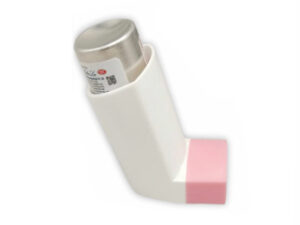
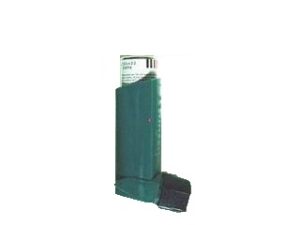
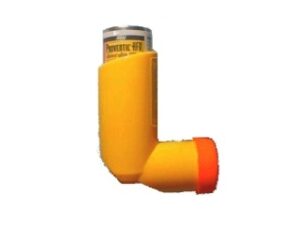
| Form | Pressurised metered-dose inhaler (MDI) delivering aerosol medication |
Note: Specific strengths and pack formats can vary between products and brands. Always check the label on your Ventolin inhaler for the exact amount per puff.
How Ventolin works (mechanism of action)
Salbutamol is a beta2-agonist. When inhaled, it acts mainly on receptors in the smooth muscle lining the airways. This triggers relaxation of the airway muscles, leading to:
- Bronchodilation – widening of the air passages
- Reduced airway resistance – easier breathing
- Improved airflow – less wheeze and shortness of breath
Because it acts quickly, Ventolin is designed for symptom relief, including sudden flare-ups.
Pharmacokinetics (how the body handles salbutamol)
When you inhale salbutamol through an MDI, some of the medicine deposits in the lungs while some may be swallowed. From there, absorption and effects follow these general patterns:
- Onset: Relatively rapid due to direct delivery to the airways.
- Distribution: Once absorbed, salbutamol distributes through the body.
- Metabolism: It is metabolised in the body, primarily in the liver.
- Elimination: The medicine and its metabolites are mainly cleared through the kidneys (urine).
Duration of effect: The bronchodilator effect typically lasts several hours, but this can vary depending on your inhaler technique, airway condition, and dose frequency.
Typical uses in Australia
Ventolin inhaler is used for conditions where airway narrowing (bronchospasm) is reversible. Common indications include:
- Asthma – for relief of acute symptoms such as wheeze, breathlessness and chest tightness
- Acute bronchospasm – when airways temporarily tighten
- Prevention of exercise-induced bronchoconstriction – to reduce symptoms triggered by exercise (as advised by a clinician)
- Certain chronic airway diseases where symptoms are reversible and a bronchodilator is appropriate
Important: Ventolin is a reliever medicine. For many people with asthma, it is not the same as a controller medicine (such as an inhaled corticosteroid). If you rely on reliever inhalers frequently, asthma control may be inadequate.
When Ventolin starts working (timing)
Most people notice symptom improvement within minutes of inhaling salbutamol. Typical timing guidance you may see includes:
- First relief: often within 5–15 minutes
- Peak effect: commonly around 30 minutes (varies)
- How long it lasts: often 4–6 hours
If symptoms are not improving as expected, or you need repeated doses close together, seek medical advice promptly.
Food interactions
Because Ventolin is inhaled and acts primarily in the lungs, food interactions are generally not a major concern. Small amounts swallowed after inhalation are metabolised by the body, and typical dietary factors are unlikely to meaningfully change effect.
Still, follow your healthcare advice and read the product consumer information. If you are taking multiple medicines or have other health conditions, it’s wise to confirm any specific concerns with a healthcare professional.
Alcohol and medicine interactions
Alcohol
There is no single universal rule that every person must avoid alcohol with salbutamol. However, alcohol can affect breathing and hydration, and it may worsen some respiratory symptoms or sleep quality, indirectly influencing asthma control.
- If you notice alcohol triggers your symptoms, consider reducing or avoiding it.
- During worsening asthma or breathing difficulty, it’s best to avoid alcohol and seek advice.
Other medicines that may interact
Salbutamol can interact with other medications that influence heart rhythm, potassium levels, or beta-agonist pathways. Key interaction examples include:
- Other asthma inhalers/bronchodilators (especially additional beta-agonists): may increase side effects like tremor or palpitations if used too frequently.
- Non-selective beta-blockers (e.g., certain older blood pressure medicines): may reduce the effect of salbutamol and worsen bronchospasm. Alternatives may be considered by a clinician.
- Diuretics (“water tablets”) and some other medicines that can lower potassium: frequent high-dose salbutamol may further lower potassium, increasing risk in certain people.
- Digoxin: salbutamol-related potassium changes can affect digoxin risk profiles (discuss with your clinician if relevant).
- Some antidepressants and stimulant medicines: may increase risk of heart-related side effects in susceptible individuals.
Tell your pharmacist about all medicines and supplements you use, including over-the-counter products. This is particularly important if you have heart disease, an irregular heartbeat, diabetes, or are taking multiple respiratory medicines.
Indications (who it’s for)
Ventolin inhaler is indicated for relief of symptoms due to reversible airway constriction, commonly in:
- Asthma (including acute attacks and prevention when advised)
- Other reversible obstructive airway conditions as determined by a clinician
It is also commonly used when airways tighten due to triggers such as:
- Exercise
- Allergens
- Cold air or irritants
- Respiratory infections
Not for everyone: If symptoms are not reversible, or if you require long-term control, your treatment plan may need a controller medicine (for example, inhaled corticosteroids) or further review.
Dosing and how many puffs to use
Dosing can vary by age, the reason for use (relief vs prevention), and individual response. Always use the dose stated on your product label or the instructions provided by your healthcare professional.
General dosing principles (reliever use)
- Use the lowest effective dose for symptom relief.
- If symptoms don’t improve after the first dose or return quickly, you may be advised to take additional puffs in the short term.
- Do not exceed your recommended maximum frequency.
Pre-exercise dosing (prevention)
For exercise-induced bronchoconstriction, some people are advised to take salbutamol shortly before exercise. The timing depends on your personal plan; commonly this is within about 10–30 minutes before exercise.
When to seek urgent help
Use Ventolin as directed, but seek urgent medical assistance if any of the following occur:
- You are struggling to breathe or symptoms are rapidly worsening
- You need many repeated doses with little relief
- Your lips or face appear bluish, or you feel faint/confused
- You have difficulty speaking full sentences
Severe asthma attacks require urgent treatment.
Safety profile: common and serious side effects
Most people tolerate Ventolin well when used correctly. Side effects are more likely with higher doses or frequent use.
Common side effects
- Tremor (shaking)
- Headache
- Fast heartbeat (palpitations)
- Muscle cramps
- Feeling jittery
Less common but important effects
- Low potassium (hypokalaemia) – risk increases with frequent/high dosing
- Heart rhythm disturbances – seek advice if you feel irregular heartbeat
- Increased blood sugar – may be relevant in people with diabetes
Seek urgent medical help if you experience
- Chest pain
- Severe or worsening breathlessness despite using the inhaler
- Fainting or severe dizziness
- Signs of an allergic reaction (swelling of face/lips, hives, difficulty breathing)
Overuse warning: Needing Ventolin often can indicate poor asthma control. Frequent reliever use is a reason to review your asthma management plan.
Practical tips for using your Ventolin inhaler correctly
Correct technique helps ensure more medicine reaches your lungs, improves effectiveness, and reduces wasted puffs.
Before you start
- Check the expiry date on the pack.
- If the inhaler is new or hasn’t been used for a while, you may need to prime it according to the instructions in the consumer medicine information.
- Keep the inhaler clean. Replace caps if your model has them.
Step-by-step (typical MDI technique)
- Remove the mouthpiece cover.
- Shake the inhaler well (as directed on the label).
- Breathe out fully away from the mouthpiece.
- Place the mouthpiece in your mouth and close your lips around it.
- Start breathing in slowly.
- Press the canister to release one puff and continue breathing in slowly and deeply.
- Hold your breath for about 10 seconds (or as long as comfortable) before breathing out.
- If you need another puff, wait about 1 minute (or the interval stated in your plan) and repeat.
Using a spacer (often recommended)
A spacer can make it easier to coordinate breathing with the inhaler and may improve delivery to the lungs. It can also reduce side effects such as throat irritation.
- If you have trouble using the inhaler without “timing,” consider a spacer.
- Ask your pharmacist or clinician to check your inhaler technique.
Common technique problems
- Pressing the canister at the wrong time
- Not breathing in slowly enough
- Not holding breath after inhalation
- Using the inhaler too frequently without reassessing asthma control
Alternatives to Ventolin (salbutamol)
Depending on your symptoms and asthma plan, alternatives may include other reliever bronchodilators or controller medicines. Options your pharmacist or clinician may discuss include:
- Other salbutamol brands: The active ingredient may be the same, with different inhaler devices or strengths.
- Other relievers (SABA): such as terbutaline (depending on availability and suitability).
- Controller medicines: for ongoing asthma control, such as inhaled corticosteroids (ICS) or combination inhalers (your plan may differ).
- Different inhaler devices: dry powder inhalers or breath-actuated options, which some people find easier to use.
Important: Don’t switch medicines or device types without discussing your asthma action plan, because dosing and technique can differ.
Australia market & legal context (what to expect)
In Australia, Ventolin Inhaler containing salbutamol is widely used and commonly available through community pharmacies. Availability and packaging may vary by state and regulatory updates.
- Pharmacy availability: Ventolin is generally supplied via pharmacies in accordance with Australian medicines scheduling rules.
- Consumer information: Each product includes consumer medicine information (CMI). Always read it carefully.
- Asthma action plans: Many Australians manage asthma using a written plan that outlines when to use reliever and controller medicines.
Recent guidance: Ongoing Australian and international asthma guidance increasingly focuses on improving asthma control and reducing reliance on reliever-only approaches. If you find yourself using Ventolin frequently, it’s important to review your overall asthma management with a healthcare professional.
Recent guidance themes (practical takeaways)
Across recent years, guidance has consistently emphasised:
- Reliever overuse is a warning sign that asthma may not be well controlled.
- Technique matters: incorrect inhaler use reduces effectiveness.
- Controller therapy may be needed for long-term control (commonly inhaled corticosteroids for asthma).
- Action plans improve safety during flare-ups.
If you’re using Ventolin more than expected, consider scheduling a review to discuss symptoms, triggers, and whether your controller treatment is sufficient.
Delivery and availability (online pharmacy information)
Ventolin Inhaler (salbutamol) is commonly stocked by Australian online pharmacies. Delivery time can vary depending on your location, shipping service, and stock availability.
- Delivery: Typically dispatched within standard business timeframes if in stock.
- Packaging: Medicines are usually shipped in protective packaging to help maintain product integrity.
- Cold chain: Ventolin is generally not a cold-chain medicine, but always follow product label storage instructions.
Storage: Store at room temperature as directed on the packaging. Keep out of reach of children. Do not expose to extreme heat or puncture the canister.
FAQ – Ventolin Inhaler (Salbutamol)
1) Is Ventolin the same as a preventer?
No. Ventolin (salbutamol) is a reliever medicine. Preventers (commonly inhaled corticosteroids) work differently to reduce inflammation and help prevent symptoms from occurring.
2) How quickly does Ventolin work?
Many people feel relief within minutes. Peak improvement often occurs within about 30 minutes, and effects typically last several hours.
3) Can I use Ventolin every day?
Some people may need reliever doses occasionally. However, using Ventolin frequently can indicate uncontrolled asthma. A review of your asthma action plan and controller treatment may be needed.
4) What if I don’t feel better after using it?
If your symptoms aren’t improving as expected, or they are worsening, seek medical advice promptly. In severe breathing problems, use your action plan and get urgent care.
5) Will Ventolin cause tremor or a fast heartbeat?
It can. Tremor and palpitations are common with beta-agonists, especially at higher doses. If you experience severe symptoms or chest pain, seek urgent help.
6) Can I use Ventolin with a spacer?
Yes, many people benefit from using a spacer with an MDI. It can improve delivery and reduce coordination difficulties. Ask your pharmacist for the correct spacer type and instructions if unsure.
7) Are there food interactions?
Food interactions are not usually a major issue with inhaled salbutamol. If you have specific concerns or take multiple medications, discuss them with your pharmacist.
8) Can I drink alcohol while using Ventolin?
Moderate alcohol may be acceptable for some people, but alcohol can sometimes worsen breathing or affect asthma symptoms. If alcohol triggers your symptoms, consider avoiding it and consult a healthcare professional.
9) What should I do if I use too many puffs?
Using more than recommended increases the risk of side effects such as tremor, palpitations, and low potassium. If you think you’ve taken too much, contact a healthcare professional or the Poisons Information Centre for advice.
10) When should I get my inhaler technique checked?
If your symptoms aren’t well controlled, if you’re using it often, or if you’re unsure about your technique, ask your pharmacist or clinician to check.
Key safety reminders
- Use Ventolin as directed in your asthma action plan or product instructions.
- Reliever overuse is a sign to review asthma control.
- Seek urgent care if breathing becomes difficult or symptoms don’t improve.
- Check inhaler technique and consider a spacer if recommended.
If you’d like, tell me which Ventolin inhaler strength or pack format you’re selling (e.g., number of doses and whether it’s an MDI), and I can tailor the dosing/usage sections to match the exact product label wording.