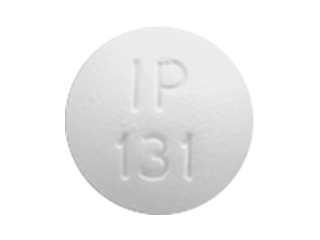
Colchicine (Colchicum autumnale) – Patient Information (Australia)
Colchicine is a medicine traditionally used to treat and help prevent certain inflammatory conditions, most commonly gout. It is derived from the plant Colchicum autumnale. This page explains how colchicine works, how it is used, key safety considerations, and practical tips for taking it.
Always follow the instructions provided by your healthcare professional and read the Consumer Medicine Information (CMI) supplied with your product. If you are unsure about dose timing, interactions, or side effects, speak with a pharmacist or doctor.
1) Basic product information
| Item | Details |
|---|---|
| Medicine name | Colchicine |
| Source | Colchicum autumnale (autumn crocus) |
| Common uses | Gout flares; prevention of gout in selected patients; some inflammatory conditions (as advised) |
| How it is taken | Usually by mouth (tablet or capsule depending on brand) |
| Key cautions | Drug interactions (especially with certain antibiotics/antifungals and heart medicines); kidney/liver impairment; gastrointestinal side effects; toxicity risk if overdosed |
2) What colchicine is and what it’s used for
Colchicine reduces inflammation by interfering with cellular processes involved in the inflammatory response. In gout, it helps calm the acute inflammatory reaction triggered when uric acid crystals deposit in joints.
Common indications (uses)
- Acute gout flares (to relieve symptoms during an attack)
- Prevention of gout flares in people starting or continuing urate-lowering therapy (where appropriate)
- Some other inflammatory conditions may be treated with colchicine depending on local clinical guidance and the patient’s situation (for example, certain cardiovascular inflammation syndromes) — use should be based on advice from a healthcare professional.
Note: The exact approved indications and dosing can vary by product and local guidance. Always use colchicine only as directed for your condition.
3) Mechanism of action (how it works)
Colchicine works by disrupting microtubule formation inside cells. This affects key inflammatory pathways, including:
- Reduced neutrophil migration (less movement of inflammatory cells into the joint)
- Lower release of inflammatory mediators
- Decreased crystal-induced inflammation that contributes to gout pain, swelling, and heat
In practice, this means colchicine can be most effective when started early in a flare, before the inflammatory cascade fully develops.
4) Pharmacokinetics (how the body handles colchicine)
Understanding pharmacokinetics can help explain why interactions are important and why dose adjustments may be needed. Key points include absorption, distribution, metabolism, and excretion.
Absorption
Colchicine is taken by mouth and absorbed into the bloodstream. Food may affect the timing of absorption in some people, which is one reason timing and consistency can matter.
Distribution
After absorption, colchicine distributes into body tissues, including areas involved in inflammation.
Metabolism
Colchicine is metabolised to some degree in the liver and intestines. Its processing involves drug transport and metabolic pathways that are sensitive to certain interacting medicines.
Elimination (excretion)
Colchicine is eliminated through the body via bile and urine. Because kidney function contributes to clearance, impaired renal function can increase colchicine levels and risk of adverse effects.
Why this matters
- Drug interactions: Medicines that inhibit the pathways involved in colchicine handling can raise levels and increase toxicity risk.
- Kidney/liver impairment: Reduced clearance can lead to higher exposure.
- Overdose risk: The margin between effective and toxic exposures can be narrow.
5) Typical use and timing
Colchicine is used differently depending on whether you are treating an active gout flare or preventing future attacks. Timing can significantly influence benefit, particularly for acute flares.
For an acute gout flare
- Start early: Colchicine is often most helpful when taken soon after symptoms begin (commonly within the first 12–24 hours, as advised by your clinician or product directions).
- Follow a flare dosing schedule: Do not exceed the recommended total daily dose.
- Seek medical advice urgently if symptoms worsen or you develop concerning side effects (e.g., severe vomiting/diarrhoea).
For prevention of gout flares
- Colchicine may be prescribed at a lower maintenance dose for a limited period, often during initiation or adjustment of urate-lowering therapy.
- Take it consistently as directed; missing doses may reduce effectiveness.
6) Dosing (general guidance)
Dosing must be individualised based on the condition being treated, kidney and liver function, age, and interacting medicines. The information below is general and not a substitute for product-specific instructions from your healthcare professional.
Factors that may change your dose
- Kidney function (including chronic kidney disease)
- Liver function
- Age (particularly older adults)
- Other medicines you take, especially strong inhibitors of relevant transport/metabolism pathways
- Whether you are treating an acute flare or using colchicine preventatively
Important dosing safety rules
- Do not take more than prescribed, even if pain continues.
- Do not repeat extra doses outside the flare plan.
- If you miss a dose: take it when you remember unless it is close to the next dose; do not double up.
If you want, you can check your exact prescribed schedule with a pharmacist—this is especially helpful if you have complex kidney function or multiple medicines.
7) Food interactions
Food may affect how quickly colchicine is absorbed. In some people, taking colchicine with food can help reduce stomach upset.
Practical approach
- If the product instructions allow it, consider taking colchicine with a meal if you get nausea or stomach discomfort.
- Be consistent day to day (e.g., always with food or always on an empty stomach) unless your clinician advises otherwise.
Keep in mind that some foods and supplements can indirectly affect your risk of side effects or drug interactions. Always discuss supplements with your pharmacist.
8) Alcohol and medicine interactions
Alcohol
There is no universal “safe amount” of alcohol with colchicine. Alcohol may worsen dehydration, increase the likelihood of gastrointestinal side effects, and affect liver function in some people—factors that can increase risk.
- Best practice: limit alcohol while taking colchicine, particularly if you’ve had stomach upset, diarrhoea, or vomiting.
- If you regularly drink alcohol or have liver disease, ask your pharmacist for personal advice.
Major medicine interactions (very important)
Colchicine has clinically significant interactions with certain medicines. These interactions may increase colchicine levels, which can lead to toxicity. Avoid starting new medicines (including over-the-counter products) without checking.
Examples of medicines that may interact strongly with colchicine include:
- Some antibiotics and antifungals (for example, clarithromycin, erythromycin; azole antifungals such as itraconazole or ketoconazole)
- Some HIV medicines (e.g., certain protease inhibitors)
- Some heart medicines (for example, certain calcium channel blockers such as verapamil and diltiazem)
- Statins and cholesterol-lowering medicines: increased risk of muscle-related side effects (myopathy/rhabdomyolysis) in some combinations
Tell your pharmacist about all medicines you take, including: prescription medicines, pharmacist-only items, vitamins, herbal products, and occasional medicines.
Herbal and supplement caution
Some supplements can affect drug metabolism or cause side effects that overlap with colchicine (particularly gastrointestinal upset). Ask before combining.
9) Safety profile
Like all medicines, colchicine can cause side effects. Most are related to the gastrointestinal tract, but serious toxicity can occur—especially with overdose or interacting medicines.
Common side effects
- Diarrhoea
- Nausea
- Vomiting
- Abdominal pain/cramping
- Loss of appetite
Less common but important side effects
- Weakness or muscle aches (possible muscle injury, particularly with interacting medicines such as some statins)
- Signs of low blood cells (unusual bruising, infections, unusual tiredness)
- Signs of liver issues (yellowing of eyes/skin, dark urine) — seek medical advice promptly
Serious warning signs — get urgent help
Seek urgent medical attention (or contact emergency services) if you experience symptoms suggesting severe toxicity, such as:
- Severe or persistent diarrhoea or vomiting
- Severe abdominal pain
- Unusual bleeding or bruising
- Severe weakness, muscle pain, or dark urine
- Confusion, dizziness, fainting, or signs of dehydration
Who should take extra care
- People with kidney impairment
- People with liver impairment
- Older adults
- People taking medicines with known strong interactions (especially those listed above)
- People with a history of intolerance to colchicine
10) Practical use tips
How to take colchicine
- Follow the plan exactly for acute flare treatment or daily prevention.
- Use a medication reminder (phone alarm) if taking daily.
- Hydrate appropriately, particularly if you get mild GI side effects.
- Keep a list of medicines and show it to your pharmacist when starting or stopping any medicines.
Managing stomach upset
- Taking colchicine with food may reduce nausea for some people (if consistent with product directions).
- If diarrhoea occurs, monitor severity. Persistent or severe symptoms can become serious—contact a healthcare professional promptly.
Avoid “extra dosing”
It can be tempting to take additional colchicine if pain persists. However, increasing the dose raises the risk of toxicity. If you are not improving as expected, speak to a healthcare professional for review rather than taking more.
11) Alternative options (depending on condition)
The best alternative depends on whether you are treating an acute gout flare or preventing future attacks. Below are common options used in clinical practice; your clinician will advise what fits you.
For acute gout flares
- Non-steroidal anti-inflammatory drugs (NSAIDs) (e.g., ibuprofen/naproxen or other NSAID options), if suitable
- Low-dose corticosteroids (oral or sometimes injection/into joint), if appropriate
- Other anti-inflammatory strategies as guided by your healthcare professional
For prevention of gout flares
- Urate-lowering therapy such as allopurinol or febuxostat (commonly used long term)
- Lifestyle measures that help lower uric acid over time (dietary and weight management strategies)
- Sometimes an alternative prophylactic anti-inflammatory may be chosen if colchicine is not suitable
Do not switch medicines without professional advice, especially if you have kidney disease, cardiovascular conditions, or multiple drug interactions.
12) Colchicine in Australia: market and legal context
In Australia, access to medicines depends on how they are classified under the TGA (Therapeutic Goods Administration) framework. Availability of colchicine products can vary by brand and formulation.
Pharmacies and online retailers must comply with Australian regulations regarding supply, product listing, storage, and pharmacist involvement when required by scheduling rules.
Because colchicine can be dangerous if misused, reliable supply and correct packaging are important. Always ensure you receive the correct product strength and dosing instructions.
Recent guidance (high-level)
Clinical guidance for gout has emphasised safe dosing, early treatment of flares, attention to kidney function, and careful management of drug interactions. In particular, health professionals often review:
- Renal and hepatic function prior to ongoing use
- Medication reconciliation for interacting drugs (including statins and strong enzyme/transport inhibitors)
- Clear flare dosing plans to avoid overdose
- Use of urate-lowering therapy and long-term management strategies to prevent recurrence
If you have questions about the latest approach for your situation, a pharmacist can help you understand how to take it safely.
13) Delivery and availability (online pharmacy)
Availability and delivery options can vary by online pharmacy. Typically, orders are dispatched once payment is confirmed and stock is verified.
To support safe use:
- Check that your order lists the correct strength and form (tablet/capsule).
- Ensure your delivery address allows secure drop-off if required.
- Store the medicine according to the packaging (often at room temperature, away from moisture and heat).
If you need advice before ordering (e.g., to confirm suitability with your other medicines), contact the pharmacy.
14) FAQ
How quickly does colchicine work for a gout flare?
Colchicine may help reduce pain and inflammation within hours for some people, but response varies. Starting early in the flare is often associated with better outcomes.
Can I take colchicine with food?
Many people find that taking colchicine with food reduces stomach upset. Follow the instructions on your product label or provided by your healthcare professional.
What should I do if I get diarrhoea after taking colchicine?
Mild GI upset can occur. If diarrhoea is persistent, severe, or accompanied by vomiting, dehydration, or severe abdominal pain, contact your healthcare professional promptly or seek urgent care depending on severity.
Are there medicines I must avoid with colchicine?
Yes. Several medicines can significantly increase colchicine levels and toxicity risk (including certain antibiotics, antifungals, HIV medicines, and some heart medicines). Always check interactions with a pharmacist and provide a complete list of your medicines.
Is colchicine safe for people with kidney disease?
Kidney impairment can increase colchicine exposure. Dose adjustments or alternative treatment may be needed. Discuss your kidney function with your clinician or pharmacist before use.
Can I drink alcohol while taking colchicine?
It’s best to limit alcohol, especially if you experience gastrointestinal side effects or have liver disease. Ask your pharmacist for personalised advice based on your health history.
What if I accidentally take too much colchicine?
Colchicine overdose can be serious. Contact your local poison information service or seek urgent medical help immediately. Keep your packaging available for reference.
How long is colchicine usually taken?
It depends on the reason for use. Acute flares are treated for a short period, while flare prevention may be used for a limited time alongside urate-lowering therapy. Your clinician will advise the duration for your specific plan.
What can I do to reduce gout flares in the long term?
Long-term gout control often involves urate-lowering therapy (if appropriate) plus lifestyle strategies such as maintaining a healthy weight, moderating alcohol intake, and discussing dietary choices with your healthcare professional.
Summary
Colchicine is an anti-inflammatory medicine derived from Colchicum autumnale, most well known for treating and preventing gout flares. It works by disrupting processes inside inflammatory cells, and it may be most beneficial when started early in an attack. Because of significant potential interactions and the need for safe dosing—particularly with kidney or liver impairment—careful use is essential.
If you have questions about how colchicine fits your treatment plan, interactions with your current medicines, or what to do if side effects occur, speak to a pharmacist.