
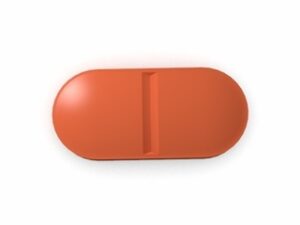
Keftab (Cephalexin) — Patient Information (Australia)
Keftab is a brand of cephalexin, a type of antibiotic (a cephalosporin). It is used to treat certain bacterial infections by stopping bacteria from growing. This page explains how Keftab works, what it’s used for, how to take it, key safety points, and frequently asked questions—written for patients in Australia.
Please note: antibiotic choice and dose depend on the infection and your personal medical history. Always use this medicine exactly as advised by your healthcare professional.
Basic product information
- Medicine: Keftab
- Active ingredient: Cephalexin
- Drug class: Cephalosporin antibiotic (beta-lactam)
- Form: Tablets (brand strength varies by product availability)
- Typical dosing frequency: Commonly 2–4 times daily, depending on the condition and strength prescribed
- Where it’s used: Selected bacterial infections including some skin, soft tissue and urinary tract infections
How Keftab works (mechanism of action)
Cephalexin works by targeting the bacterial cell wall. Bacteria need a strong cell wall to survive and multiply. Keftab interferes with the ability of bacteria to build and repair their cell wall, leading to bacterial death (typically time-dependent bacterial killing).
Keftab is effective against susceptible bacteria. It does not work for infections caused by viruses (such as common colds or most sore throats).
Pharmacokinetics (how the body handles cephalexin)
- Absorption: Cephalexin is absorbed from the gastrointestinal tract. Food can help reduce stomach upset for some people.
- Distribution: It spreads through body fluids and tissues, including sites where susceptible bacteria may cause infection.
- Metabolism: Cephalexin is not extensively metabolised.
- Elimination: Mostly cleared by the kidneys (renal excretion).
- Half-life (general concept): The dosing schedule is designed to maintain effective levels while the body clears the medicine.
- Kidney function matters: If you have reduced kidney function, your prescriber may adjust the dose or interval.
Typical uses and indications
Keftab is used to treat infections caused by bacteria that are susceptible to cephalexin. In Australia, it is commonly considered for certain:
- Skin and soft tissue infections (e.g., infected wounds, cellulitis in selected cases)
- Urinary tract infections (UTIs) (depending on the bacteria and local susceptibility)
- Respiratory tract infections in selected situations (guided by clinical assessment)
- Ear infections in selected cases
- Other bacterial infections where cephalexin is appropriate based on guidelines and test results
Your clinician may request a swab, urine test, or other investigations to identify the germ and guide effective treatment. If symptoms do not improve, treatment may be reviewed.
Dosing: what patients commonly need to know
Dosage depends on the type of infection, severity, age, and kidney function. The information below is general to help you understand how antibiotics are usually taken. For your exact instructions, follow the directions given with your medicine.
Typical adult dosing frequency
- Often: 2–4 times daily (e.g., every 6–12 hours), depending on the regimen.
- Completing the course: Many infections require a fixed number of days; finishing the full course helps reduce relapse and resistance risk.
Children
Cephalexin dosing for children is usually based on weight and the specific infection. Children’s dosing should be confirmed by a healthcare professional, and parents should use the correct strength and measuring instructions.
Kidney impairment
Because cephalexin is cleared by the kidneys, people with impaired renal function may require dose adjustment. Discuss this with your prescriber/pharmacist.
How to take Keftab tablets
- Swallow whole with water unless your pharmacist advises otherwise.
- If you miss a dose, take it when you remember unless it’s close to the next dose. Do not double to make up for a missed dose.
- Consistency helps: Try to take doses at evenly spaced times.
Timing: when to take your doses
Keftab works best when blood levels remain within an effective range. Common strategies include:
- If twice daily: take one dose about 12 hours apart.
- If three times daily: aim for about 8 hours apart.
- If four times daily: aim for about 6 hours apart.
If you are adjusting to a busy schedule, using a daily reminder (e.g., a phone alarm) can help you avoid missed doses.
Food interactions and what to eat
Cephalexin can generally be taken with or without food. Taking it with food may:
- Reduce nausea or stomach upset for some people
- Improve comfort if you’re sensitive to antibiotics
There are no common major dietary restrictions for cephalexin. However, maintaining hydration and eating regular meals can support recovery.
Alcohol and medicine interactions
Alcohol
There is no universally required complete avoidance of alcohol with cephalexin; however, alcohol may:
- Worsen dehydration
- Increase stomach upset or nausea
- Make it harder to rest and recover from infection
If you choose to drink, do so cautiously and consider avoiding alcohol while symptoms are active and you’re still unwell. If you experience dizziness, severe diarrhoea, or worsening side effects, stop drinking and seek advice.
Interactions with other medicines
Cephalexin can interact with some medicines or conditions. Common areas to check include:
- Probenecid: may affect kidney clearance and antibiotic levels.
- Warfarin (and other blood thinners): some antibiotics can affect INR and bleeding risk in certain people—monitoring may be required.
- Other antibiotics: combinations may change effectiveness or side effects.
- Kidney-related medicines: because cephalexin is cleared by the kidneys, your prescriber/pharmacist may consider other renal medications.
Tell your pharmacist about all medicines you use, including: prescription medicines, over-the-counter products, vitamins, herbal supplements, and recent vaccines. If you are unsure whether something interacts, ask.
Safety profile: who should be careful
Most people tolerate Keftab well, but it can cause side effects. Some reactions can be serious, especially in people with allergies.
Common side effects
- Diarrhoea (may be mild)
- Nausea or mild stomach upset
- Headache
- Rash or itching
- Vaginal yeast infection in some people during or after antibiotic courses
Seek urgent medical help if you develop
- Signs of an allergic reaction such as swelling of the face/lips, difficulty breathing, wheezing, or a widespread hives-like rash
- Severe or persistent diarrhoea, especially if watery or bloody, or accompanied by fever or stomach cramps (possible antibiotic-associated colitis)
- Severe skin reactions (e.g., blistering, peeling, painful rash)
- Unusual bruising or bleeding (especially if you take blood thinners)
Allergy and cross-reactions
If you have had an allergic reaction to penicillins or cephalosporins in the past, discuss this before using cephalexin. People with a history of severe beta-lactam allergy require extra care.
Pregnancy and breastfeeding
Antibiotics are often used during pregnancy and breastfeeding when benefits outweigh risks. Cephalexin is commonly used in clinical practice. Discuss your situation with a healthcare professional to ensure it is appropriate for you.
Driving and operating machinery
Cephalexin is not usually expected to impair driving ability. If you feel dizzy or unwell after taking your doses, avoid driving and seek advice.
Practical use tips for best results
- Start promptly: Begin the course at the advised time after your medicine is collected.
- Don’t stop early: Even if you feel better, complete the full course unless your clinician advises otherwise.
- Take consistent intervals: Spacing doses properly supports effectiveness.
- Hydrate: Drink fluids, especially if you have fever, sore throat, or urinary symptoms.
- Track symptoms: Note changes (e.g., fever settling, pain improving, urine symptoms) to help your clinician review progress.
- Watch for side effects: If diarrhoea occurs, manage hydration and contact a pharmacist/doctor if it becomes severe or persists.
- Storage: Keep tablets in a cool, dry place and store as directed on the packaging. Keep out of reach of children.
What to expect: improvement timeline
Many bacterial infections start to improve within 48–72 hours of starting an effective antibiotic. If you do not notice improvement, or if symptoms worsen, contact a healthcare professional. Sometimes infection type, bacterial resistance, or the need for different treatment is reassessed.
Alternative options (general guidance)
If Keftab is not suitable (due to allergy, intolerance, or resistance), clinicians may consider other antibiotics or non-antibiotic strategies depending on the infection. Alternatives vary by infection site and local susceptibility patterns.
Possible alternative antibiotic approaches
- Other cephalosporins for certain infections
- Penicillin-based antibiotics in appropriate cases
- Macrolides or doxycycline for selected bacterial infections where appropriate
- Clindamycin in some situations (e.g., for specific organisms)
The “best” alternative depends on the suspected bacteria, patient history (including allergy), kidney function, and current clinical guidelines. Do not switch antibiotics without professional advice.
Australia: market and legal context
In Australia, cephalexin products such as Keftab are regulated medicines under the Australian regulatory framework. Medicines are supplied according to legal requirements and the relevant category for that product. Availability can vary between pharmacies and states/territories, based on stock levels and brand presentations.
Antibiotic stewardship is strongly encouraged. This helps ensure antibiotics remain effective over time by using them only when they are likely to help and by using the correct dose for the correct duration.
Recent guidance and antibiotic stewardship (general overview)
Australian clinical practice emphasises:
- Confirming bacterial infection when possible
- Using first-line options aligned with local guidelines
- Reviewing therapy if there is no improvement after an expected time
- Completing the prescribed course to reduce treatment failure
- Avoiding unnecessary antibiotics for viral illnesses
Guidance may differ for specific infections (e.g., urinary symptoms, skin infections, or respiratory infections) and is updated as new evidence emerges. If you’re unsure whether antibiotic treatment is appropriate for your symptoms, talk to a clinician or pharmacist.
Delivery and availability (online pharmacy)
Online pharmacies may supply Keftab tablets depending on local availability and stock rotation. Delivery options can vary by provider and location within Australia.
- Availability: Check listing details for current stock status and strengths.
- Delivery: Standard and express delivery may be offered. Delivery times depend on the postcode and carrier.
- Packaging: Medicines are typically dispatched in protective packaging to reduce damage risk.
- Cold chain: Cephalexin tablets generally do not require refrigeration, but always follow storage instructions on the pack.
If you need the medicine urgently, contact customer support or choose the fastest delivery option available.
FAQ — Keftab (Cephalexin)
1) What infections does Keftab treat?
Keftab (cephalexin) treats certain bacterial infections, commonly including selected skin/soft tissue and urinary tract infections. The exact appropriateness depends on the likely bacteria and your clinical assessment.
2) How long until I feel better?
Many people start to feel improvement within 48–72 hours. If symptoms are not improving, or they worsen, contact your healthcare professional for reassessment.
3) Can I take Keftab with food?
Yes. It can generally be taken with or without food. Taking it with food may reduce stomach upset.
4) What should I do if I miss a dose?
Take it when you remember unless it’s close to the next scheduled dose. Do not double up. If you’re unsure, ask a pharmacist for advice.
5) Can I drink alcohol while taking cephalexin?
Moderate alcohol is not always strictly forbidden, but it can worsen side effects and delay recovery. If you choose to drink, do so cautiously, and stop if symptoms worsen.
6) Are there interactions with blood thinners like warfarin?
Antibiotics can influence warfarin effect in some people. If you take warfarin or another blood thinner, talk to your pharmacist/doctor about monitoring.
7) What if I get diarrhoea?
Mild diarrhoea can occur. Stay hydrated and monitor symptoms. Seek urgent medical advice if diarrhoea is severe, watery or bloody, or if it comes with fever or severe abdominal pain.
8) Can I stop early once I feel better?
Do not stop early unless your healthcare professional advises. Completing the full course helps reduce relapse and resistance risk.
9) What if I’m allergic to penicillin?
Inform your clinician/pharmacist about any past penicillin or cephalosporin allergies. Some people can react to related antibiotics; your healthcare professional will advise on suitability.
10) Can cephalexin be used in pregnancy or breastfeeding?
It may be used in some situations where benefits outweigh risks. Discuss your circumstances with a healthcare professional.
Summary table (quick reference)
| Topic | Key points |
|---|---|
| What is Keftab? | Keftab contains cephalexin, an antibiotic used for susceptible bacterial infections. |
| How it works | Cephalexin disrupts bacterial cell wall formation, helping kill susceptible bacteria. |
| When to take it | Use evenly spaced doses according to your regimen; consistency is important. |
| Food | Can be taken with or without food; food may reduce stomach upset. |
| Alcohol | Not always strictly forbidden, but can worsen side effects and recovery—use caution. |
| Common side effects | Diarrhoea, nausea, headache, rash, and possible yeast infections. |
| Urgent warning signs | Severe allergic reaction, severe/persistent diarrhoea, or serious skin reactions. |
| Kidneys matter | Because cephalexin is cleared by the kidneys, dose may need adjustment with kidney impairment. |
Need more help? If you have questions about how to take Keftab, whether it suits your condition, or possible interactions with your other medicines, speak with a pharmacist or healthcare professional.