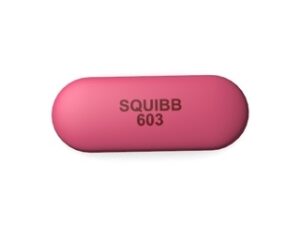

Zyvox (Linezolid) – Patient-Friendly Guide for Australia
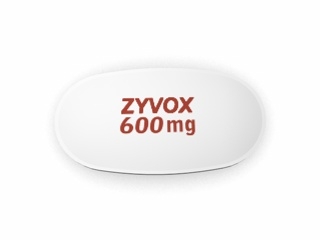
Zyvox is a brand of the antibiotic linezolid. It is used to treat certain serious bacterial infections, including some infections caused by bacteria that may be resistant to other antibiotics. This guide explains what Zyvox is, how it works, how it behaves in the body, common uses, dosing principles, safety considerations, interactions, and practical tips for using it more comfortably. It also covers the Australian healthcare context and frequently asked questions.
1) Basic Product Information
| Item | Information |
|---|---|
| Medicine | Zyvox (linezolid) |
| Type | Antibiotic (oxazolidinone) |
| Available forms | Oral tablets and some settings may also use an intravenous form (depending on local availability and treatment setting). |
| How it’s taken | Usually by mouth at set intervals (oral forms). The full schedule depends on the infection and clinical plan. |
| Common dosing frequency | Often twice daily for many indications. |
| Who it is for | Adults and certain paediatric patients may use linezolid for specific infections, based on clinical criteria. |
Important: Always follow the dosing plan provided by your clinician and read the package information included with the medicine.
2) How Zyvox Works (Mechanism of Action)
Linezolid is an antibiotic that works by stopping bacteria from making the proteins they need to grow and multiply. It does this by binding to a component of the bacterial ribosome—specifically the 50S ribosomal subunit—which helps prevent formation of functional proteins.
This targeted action can be effective against a range of Gram-positive bacteria, including:
- Methicillin-resistant Staphylococcus aureus (MRSA)
- Vancomycin-resistant Enterococcus (VRE) (in appropriate settings)
- Some resistant strains of Streptococcus and other Gram-positive organisms
Because linezolid affects bacterial protein production rather than damaging bacterial cell walls directly, it can remain useful where some other antibiotic classes are less effective due to resistance.
3) Pharmacokinetics (How the Body Handles Linezolid)
Pharmacokinetics describe how a medicine is absorbed, distributed, metabolised, and eliminated. For linezolid, key points include:
- Absorption: Oral linezolid is generally absorbed well. In many cases, blood levels with oral dosing can be comparable to intravenous dosing.
- Distribution: Linezolid spreads into many body tissues, helping it reach sites where infections occur.
- Metabolism: It is metabolised in the body, forming inactive (or less active) metabolites.
- Elimination: The medicine and its metabolites are eliminated mainly via the kidneys (urine).
- Half-life: The time it takes for the level of the medicine in the blood to reduce by about half is generally supportive of twice-daily dosing for many regimens.
Kidney or liver function can influence exposure in some patients. Clinicians may adjust monitoring and dosing considerations accordingly, especially for longer courses.
4) Typical Uses and Indications
Zyvox is used when treatment for specific bacterial infections is needed and the organism is likely to be susceptible. Common clinical contexts include:
Examples of infections where linezolid may be considered
- Hospital- or community-acquired pneumonia (in selected cases)
- Complicated skin and soft tissue infections
- Infections due to resistant Gram-positive bacteria, such as MRSA or certain VRE infections
- Infections where other options are unsuitable due to resistance, intolerance, or lack of effectiveness
Clinical note: The exact indication depends on the suspected or confirmed bacteria, severity of illness, and local treatment guidelines.
5) Timing and How to Take Zyvox
Successful antibiotic treatment often depends on taking the medicine at the right times and finishing the planned course.
Practical timing tips
- Keep doses evenly spaced: Many regimens involve doses about 12 hours apart.
- Try to take at the same times daily: For example, morning and evening.
- Do not skip doses: If you miss a dose, follow package advice or contact a pharmacist for guidance.
- Complete the course: Even if you feel better, stopping early can allow infection to return or worsen.
How to take the tablets
- Swallow tablets with water.
- You can usually take linezolid with or without food (see food interactions section below).
- If you experience stomach upset, some people find taking with food helps (unless otherwise advised).
6) Food Interactions
In general, linezolid can be taken with or without food. Food is not typically known to cause clinically important changes in absorption.
That said, if you have gastrointestinal side effects (such as nausea or diarrhoea), practical comfort measures include:
- Taking doses with meals or snacks
- Staying hydrated
- Avoiding alcohol (recommended for multiple reasons, including interaction risks)
7) Alcohol and Medicine Interactions
Alcohol
While moderate alcohol may not always be listed as an absolute contraindication, it is generally not recommended during antibiotic therapy. Reasons include:
- Increased risk of side effects such as dizziness or stomach upset
- Possible strain on recovery by worsening dehydration or sleep quality
- Added caution if you are taking other medicines that interact with linezolid
If you choose to drink alcohol, discuss it with a pharmacist or clinician—especially if you have liver issues, take multiple medicines, or are on longer treatment courses.
Major medicine interactions to know
Linezolid has important interaction potential because it is a reversible inhibitor of monoamine oxidase (MAO-A and MAO-B). This can trigger serotonin-related reactions when combined with certain medicines.
- Antidepressants (SSRI/SNRI/TCAs and others): Some antidepressants can raise serotonin levels and may interact with linezolid.
- Other serotonergic medicines: Examples include certain migraine medicines (triptans), some pain medicines (e.g., tramadol), and some cough/decongestant or herbal products that affect serotonin.
- Decongestants and sympathomimetics: Some medicines that affect adrenaline/noradrenaline systems may require caution.
Because interaction risk depends on the exact product and your medication list, it’s essential to review all medicines you take (including over-the-counter items and herbal supplements).
What to do if you’re taking interacting medicines
- Tell your clinician/pharmacist about all medicines and supplements.
- Do not start or stop antidepressants or other medicines without advice.
- Seek urgent medical care if you develop symptoms suggestive of serotonin excess (e.g., agitation, confusion, fever, sweating, tremor, diarrhoea, fast heart rate).
8) Dosing Principles (How Doses Are Chosen)
Dose depends on the infection type, severity, patient age, kidney function, treatment duration, and local protocols. Many adult regimens involve twice-daily dosing.
General dosing guidance (patient-friendly)
- Adults: Often prescribed as a standard dose taken at regular intervals. Duration varies by infection.
- Children/adolescents: Dosing may differ by age and weight.
- Longer courses: Clinicians may plan closer monitoring (including blood counts and other checks) for prolonged therapy.
Do not self-adjust the dose. If you think you are taking too much or too little, contact a pharmacist promptly.
9) Safety Profile and Monitoring
Like all medicines, Zyvox can cause side effects. Many are mild and resolve as your body adjusts, but some require prompt attention—especially during longer treatment courses.
Common side effects
- Nausea
- Diarrhoea
- Headache
- Rash
- Vaginal itching or thrush (in some patients)
Serious but less common risks
Report new or worsening symptoms promptly, particularly if you’re on longer therapy.
- Low blood counts (myelosuppression): Linezolid can reduce blood cell production. Monitoring may include full blood counts, especially if therapy is prolonged.
- Nerve or vision-related effects: Symptoms such as tingling/numbness (peripheral neuropathy) or changes in vision (including blurred vision or colour vision changes) should be discussed urgently.
- Lactic acidosis: Rare. Seek urgent care if you have unusual muscle pain, rapid breathing, or severe tiredness.
- Severe diarrhoea or blood in stool: This could indicate a more serious bowel condition that needs immediate medical assessment.
- Serotonin syndrome: Risk increases with interacting medicines (see interactions section).
Who may need extra caution
- People who need longer courses
- Those with complex medical conditions
- People taking several medicines, particularly antidepressants or serotonergic agents
- Patients with kidney impairment or on dialysis (monitoring decisions are clinician-led)
Monitoring reminder: If you develop symptoms you are unsure about—especially numbness, tingling, changes in vision, unusual bruising, severe diarrhoea, or fever—contact a healthcare professional promptly.
10) Practical Use Tips for Comfortable Treatment
- Hydrate: Drink adequate fluids unless you’ve been advised to restrict fluids.
- Track your symptoms: Note fever, pain, swallowing issues, breathing changes, or skin changes. This helps clinicians judge response.
- Manage nausea: Smaller meals, bland foods, and taking the dose with food may help.
- Prevent dehydration from diarrhoea: Use oral rehydration solutions if needed.
- Do not double doses: If you miss a dose, follow advice from the pharmacist or package insert.
- Avoid stopping early: Completing the planned course supports the best outcome.
- Carry your medicine list: Especially important if you take antidepressants, migraine medicines, or other interacting products.
If you miss a dose: Guidance can vary depending on how close the missed dose is to the next scheduled dose. Ask a pharmacist for the safest option.
11) Alternative Options (Discuss with Your Clinician)
When linezolid is considered, alternatives depend on the suspected bacteria, the infection site, local resistance patterns, and patient factors. Possible alternatives that clinicians may consider include:
- Vancomycin (commonly for certain Gram-positive infections, especially in hospital settings)
- Daptomycin (for some resistant Gram-positive infections; not used for pneumonia in many settings)
- Clindamycin (for certain skin/soft tissue infections in susceptible organisms)
- Other targeted antibiotics (depending on culture results and sensitivities)
Only a clinician can determine the most appropriate alternative, because some options may not be effective against a specific organism or may be unsuitable due to safety considerations.
12) Zyvox in the Australian Market: Legal and Healthcare Context
In Australia, medicines are regulated under the Therapeutic Goods Administration (TGA) framework. Antibiotics such as linezolid are used as part of antimicrobial stewardship—meaning they should be prescribed appropriately to help reduce antibiotic resistance.
Stewardship matters:
- Use antibiotics only when they are expected to help (based on clinical assessment and, when available, cultures).
- Aim for the shortest effective course and correct selection for the bacteria involved.
- Avoid inappropriate use that can contribute to resistant organisms.
Australian guidance: Clinical decision-making often aligns with Australian antimicrobial guidelines and local hospital protocols for treating serious infections, particularly those involving MRSA or VRE. These guidelines can be updated as new evidence emerges.
13) Recent Guidance and Important Updates (How to Stay Informed)
Recommendations for antimicrobial selection and monitoring may change over time based on emerging evidence, resistance trends, and safety updates. In Australia, clinicians may reference guidance from:
- Hospital antimicrobial stewardship programs
- Professional societies
- National and state health resources
Because linezolid requires careful consideration of drug interactions and potential long-term effects, it’s especially important to:
- Keep your medication list current
- Follow any planned blood test or monitoring schedules
- Report side effects early
If you have questions about the most current recommendations for your situation, ask a pharmacist or your treating clinician.
14) Delivery and Availability in Australia
Availability can vary by manufacturer supply and the specific strength/formulation you require. An online pharmacy may offer different shipping options and typically dispatches products after identity and eligibility checks, as required by Australian regulations.
What affects delivery timelines
- Your location (metro vs regional)
- Stock availability
- Cut-off times for dispatch
- Carrier service and weather disruptions
What you can do to ensure smooth delivery
- Provide accurate delivery address details
- Be available for delivery if the carrier requires a signature
- Store tablets as directed on the packaging (commonly at room temperature away from moisture and heat)
If you need help confirming availability or comparing pack sizes, contact customer support.
15) FAQ – Zyvox (Linezolid)
1. What is Zyvox used for?
Zyvox (linezolid) is an antibiotic used for certain serious infections caused by susceptible Gram-positive bacteria, including resistant organisms such as MRSA or VRE in appropriate circumstances.
2. How long does treatment usually last?
Treatment duration depends on the infection type, severity, and your response to therapy. Some infections require shorter courses while others may require longer treatment. Your clinician will determine the appropriate duration.
3. Can I take Zyvox with food?
Yes. Linezolid is generally taken with or without food. If you experience nausea, taking it with meals may help.
4. What should I do if I miss a dose?
Don’t take extra doses to “catch up.” The safest course depends on timing. Contact your pharmacist or check the package information for advice based on how close the next dose is.
5. Are there foods I need to avoid?
Unlike some older MAO-inhibitor medicines, food restrictions are not typically a key instruction for linezolid. However, because linezolid can still affect MAO activity, always follow the specific guidance you receive from your clinician or pharmacist, especially if you take other interacting medicines.
6. Can I drink alcohol while taking Zyvox?
It’s generally best to avoid alcohol during antibiotic therapy. Alcohol can increase the chance of side effects and may complicate recovery. If you plan to drink, speak with a pharmacist first.
7. What medicines interact with linezolid?
Major interactions can involve antidepressants and other medicines that raise serotonin (due to linezolid’s MAO inhibition). Other interacting medicine classes may include decongestants or sympathomimetics. Always review your complete medication list with a pharmacist.
8. What side effects should make me seek urgent medical help?
Seek urgent help if you develop: severe or persistent diarrhoea (especially with blood), symptoms of serotonin syndrome (agitation, fever, sweating, tremor), severe allergic symptoms, or new vision changes or numbness/tingling that worries you.
9. Does linezolid cause changes in blood tests?
It can. Particularly with longer courses, linezolid may reduce blood cell counts. Clinicians may arrange blood tests to monitor safety.
10. Are there alternatives to Zyvox?
Yes, depending on the infection and organism. Alternatives can include other antibiotics such as vancomycin or daptomycin, among others. The best choice depends on susceptibility testing and your specific situation.
16) When to Speak with a Pharmacist
Contact a pharmacist or clinician if you have questions about:
- Whether your other medicines could interact with linezolid
- Side effects you’re experiencing
- How to manage missed doses
- Any monitoring that has been recommended for your course
Zyvox can be an effective treatment for certain serious infections, but safe use depends on correct dosing, awareness of interactions, and attention to early warning signs.