Ocuflox (Ofloxacin) Eye Drops – Patient Information (Australia)
Ocuflox contains ofloxacin, an antibiotic medicine used for certain bacterial eye infections. This page explains how Ocuflox works, how it is used, important safety information, and practical tips to support effective treatment.
Please note: eye conditions can vary. If symptoms worsen, do not improve promptly, or you have concerns about your vision, seek medical advice urgently.
Basic product information
- Medicine: Ocuflox
- Active ingredient: Ofloxacin
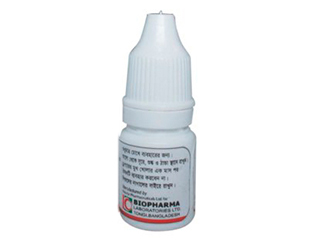
- Medicinal form: Eye drops (ophthalmic solution)
- Medicine type: Antibiotic (fluoroquinolone)
- Common uses: Bacterial conjunctivitis and other superficial bacterial eye infections
Brand formulations can vary by supplier. Always check the label for the exact strength (for example, concentration in mg/mL), the expiry date, and the dosing instructions provided with your product.
How Ocuflox works (mechanism of action)
Ofloxacin belongs to the fluoroquinolone group of antibiotics. It works by interfering with bacterial DNA replication. Specifically, it inhibits key bacterial enzymes involved in DNA synthesis, leading to interruption of bacterial growth and death.
- Target: Bacterial enzymes needed for DNA replication
- Result: Bacteria cannot multiply effectively
- Likely effect: Reduced bacterial load on the eye surface
Ocuflox is designed to act on bacteria. It will not treat infections caused by viruses or allergies. If symptoms are due to non-bacterial causes, the benefit of an antibiotic eye drop is limited.
Pharmacokinetics (what the body does with it)
When used in the eye, ofloxacin primarily acts locally on the ocular surface. Some amount can still be absorbed systemically. In general:
- Local action: High concentration at the eye surface helps treat local infection
- Systemic absorption: Usually low with ocular use
- Distribution: Absorbed drug may distribute into body tissues in small amounts
- Elimination: Drug absorbed into the bloodstream is cleared by the kidneys (in line with typical fluoroquinolone handling)
The actual extent of absorption can increase if the eye is inflamed, if drops are used more frequently, or if more than the recommended amount is applied. Using correct technique (see “Practical use tips” below) can help support appropriate exposure.
Typical indications (what it is used for)
Ocuflox is used for suspected or confirmed bacterial eye infections that are appropriate for topical antibiotic therapy. Common examples include:
- Bacterial conjunctivitis (infective conjunctivitis)
- Other superficial bacterial infections of the eye as determined by a clinician
Your pharmacist or prescriber can help confirm whether your symptoms fit a likely bacterial infection. Seek urgent help if there are red flags (see “Safety profile”).
Timing and how to start treatment
Eye infections often improve when treatment is started promptly. In general:
- Start as directed—do not delay if you have been advised to begin Ocuflox.
- Use at consistent intervals (e.g., morning, mid‑day, evening, bedtime—depending on the schedule you’ve been given).
- Continue for the full course as advised, even if symptoms improve quickly.
- Do not use longer than recommended unless your eye-care professional advises continuing.
If you have no improvement after a reasonable period (often within a few days, depending on the condition), contact a healthcare professional for reassessment.
Dosing (general information)
Dosing depends on the specific eye condition, severity, and your age. Always follow the instructions supplied with your medicine. The information below is general guidance to help you understand typical patterns.
| Condition (typical) | General dosing pattern (example guidance) | Key points |
|---|---|---|
| Bacterial conjunctivitis | Often several times daily initially, then reduced as symptoms improve | Use at consistent intervals; avoid stopping early. |
| Other superficial bacterial eye infections | Dosing frequency may vary (sometimes more frequent at the start) | Follow the exact regimen provided for your situation. |
Important: If you miss a dose, apply it as soon as you remember, then continue your schedule. If it is close to the next dose, skip the missed dose and continue as normal. Do not apply extra drops to “catch up.”
Food interactions
Because Ocuflox is used topically in the eye, it is unlikely to have clinically significant interactions with food. Still, general medication safety applies:
- No specific food restrictions are typically required for ocular ofloxacin.
- If you are taking other medicines, follow any advice given for those medicines.
Alcohol and medicine interactions
Alcohol interaction with ophthalmic ofloxacin is generally not a major concern due to low systemic absorption. However, it can still be relevant indirectly:
- General health effects: Alcohol may affect sleep, recovery, and your ability to follow a dosing schedule.
- Other medicines: If you are using other antibiotics, antiseptics, or medications that affect the nervous system or gut, check with a pharmacist for potential overlaps.
If you are pregnant, breastfeeding, or taking multiple medicines (including eye ointments, drops, or gels), ask a pharmacist to review potential interactions and compatibility.
Safety profile (important warnings and side effects)
Most people tolerate ofloxacin eye drops well, but side effects can occur. Report any severe or worsening symptoms promptly.
Common side effects
- Temporary stinging or burning after instillation
- Redness of the eye
- Dryness or mild irritation
- Tearing
- Blurred vision temporarily after applying drops
Less common but serious reactions
- Allergic reactions (itching, swelling of eyelids, rash, or significant worsening redness)
- Severe eye pain or marked light sensitivity
- Vision changes that persist or worsen
- Symptoms that worsen after starting treatment
- Signs of corneal involvement such as intense discomfort, reduced vision, or a new corneal haze
Seek urgent medical help if you notice
- Severe pain, sudden vision loss, or rapidly worsening symptoms
- Eye injury, chemical exposure, or suspected foreign body
- Contact lens-related infection with pain, significant redness, or photophobia
- Failure to improve within the expected timeframe
Who should take extra care
- Contact lens users: take additional precautions (see tips below)
- People with a history of allergy to quinolones/fluoroquinolones
- Anyone with eye conditions affecting the cornea or immune system
Practical use tips (to improve effectiveness and reduce irritation)
1) Hand hygiene
- Wash hands with soap and water before opening the bottle.
- Avoid touching the dropper tip to the eye, eyelids, or lashes.
2) Use correct technique
- Gently pull down the lower eyelid to form a small pocket.
- Look upward and place the prescribed number of drops into the pocket.
- Close the eye gently and keep it closed for about 1 minute.
- If advised or if you can comfortably do so, lightly press the inner corner of the eye (near the nose) for about 30–60 seconds. This can help reduce drainage into the tear duct and reduce systemic absorption.
3) Remove contact lenses
- If you wear contact lenses, remove them before applying drops.
- Ask an eye-care professional when lenses can be restarted. In many cases, lenses are avoided until the infection has fully resolved and you have received clearance.
4) Separate different eye medicines
- If you use other eye drops (e.g., lubricants, anti-inflammatory drops), space them out.
- A common approach is to wait at least 10 minutes between different eye medications.
- Ointments are often applied last because they can reduce absorption of drops.
5) How long to use before deciding to seek review
- Symptoms often start improving within a few days, but the timeline depends on the cause.
- If there is no improvement or symptoms worsen, contact an eye-care professional.
6) Storage and expiry
- Store according to the label (commonly at room temperature unless stated otherwise).
- Keep the bottle cap closed tightly.
- Check expiry date and do not use after expiry.
- If the product is used by more than one person, avoid sharing (eye drops should be individual).
Alternative options
If Ocuflox is not suitable, alternatives may include different antibiotic eye drops or ointments, or supportive treatments depending on the cause of symptoms. Alternatives may vary by availability and diagnosis.
Possible alternatives (depending on diagnosis):
- Other topical antibiotics (different classes such as aminoglycosides or other fluoroquinolones)
- Supportive care for non-bacterial causes, such as lubricating drops for irritation
- Antiviral or anti-inflammatory therapy when appropriate for viral or inflammatory conditions
Only the right treatment will work reliably. Because red eye can be caused by several conditions, it’s important not to assume every red, watery eye requires an antibiotic.
Market and legal context in Australia
In Australia, medicines are regulated by the TGA (Therapeutic Goods Administration). The availability of Ocuflox and similar antibiotic eye drops can depend on:
- Product listing status and authorised indications
- Safety requirements for the specific formulation
- Whether a prescription is required under Australian scheduling for that product
Online pharmacy services must follow Australian regulations for supply, customer eligibility checks, and safe dispensing. Always ensure you purchase from a reputable Australian pharmacy website.
Recent guidance (general themes): Australian health guidance for eye infections commonly emphasizes accurate diagnosis, appropriate use of antibiotics, and reassessment if symptoms do not improve. Overuse of antibiotics can contribute to resistance, and bacterial infection is not always the cause of red eye.
Delivery and availability (what to expect)
Ocuflox eye drops may be available through Australian pharmacy websites and may ship from within Australia. Delivery times depend on your location and the service level chosen.
- Packaging: Protected to prevent leakage and damage during transit.
- Tracking: Many services provide tracking after dispatch.
- Cold chain: Not usually required unless stated on the label (check product instructions).
For the most current availability, shipping regions, and delivery estimates, check the “Delivery” and “Shipping” information on the pharmacy website. If you need it urgently, contact customer support to confirm dispatch times.
FAQ about Ocuflox (ofloxacin) eye drops
1) What is Ocuflox used for?
Ocuflox (ofloxacin) is an antibiotic eye drop used for certain bacterial eye infections, such as infective conjunctivitis, when topical antibiotic treatment is appropriate.
2) How quickly should I notice improvement?
Many people start to see improvement within a few days. If there is no improvement or symptoms worsen, seek eye-care advice for reassessment.
3) Can I wear contact lenses while using Ocuflox?
It’s generally recommended to remove contact lenses during treatment and avoid lenses until your symptoms have resolved and you have received appropriate guidance on when to restart.
4) Can I use Ocuflox for viral conjunctivitis?
Ocuflox targets bacteria and will not treat viral conjunctivitis effectively. If symptoms are viral or allergic in cause, supportive care or different treatment may be needed.
5) What should I do if I miss a dose?
Apply it when you remember, unless it is close to your next dose. Then continue your usual schedule. Do not apply extra drops to make up for a missed dose.
6) Is it safe to use with other eye drops?
Often yes, but you should separate different products by about 10 minutes. If you use ointments, these are usually applied last. Confirm timing with a pharmacist if you are unsure.
7) Will Ocuflox cause blurred vision?
Temporary blurred vision or stinging can occur right after applying drops. Avoid driving or operating machinery until your vision clears.
8) Can I drink alcohol during treatment?
Alcohol interaction is unlikely to be direct with topical eye drops, but it may affect your overall comfort and adherence. If you are taking other medicines or have health concerns, ask a pharmacist for tailored advice.
9) When should I stop using Ocuflox?
Do not stop early unless advised. If you experience severe allergic reactions, significant worsening of symptoms, or vision-threatening effects, stop and seek urgent medical advice.
10) What are the storage instructions?
Store the bottle according to the label. Keep the cap closed, protect from contamination, and check the expiry date. Discard any solution after the expiry date or as advised on the product label.
Summary
Ocuflox (ofloxacin) is a fluoroquinolone antibiotic eye drop used to treat bacterial eye infections. It works by disrupting bacterial DNA replication. When used correctly—supporting proper dosing intervals, hand hygiene, and careful drop technique—it can help reduce bacterial infection on the eye surface.
If your symptoms do not improve promptly, become more painful, or involve vision changes, seek urgent eye-care guidance.