

Ciprofloxacin + Dexamethasone (Ciprofloxacin/Dexamethasone) — Patient Guide (Australia)
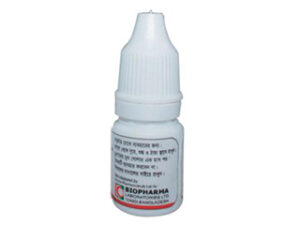
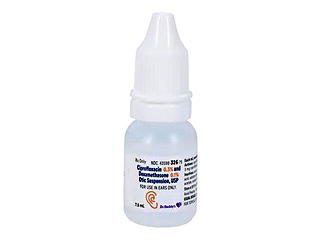
Ciprofloxacin + Dexamethasone is a combination medicine that pairs: ciprofloxacin (an antibiotic) with dexamethasone (a corticosteroid). This combination is commonly used for certain eye and ear conditions where infection and inflammation may occur together. In Australia, availability and brand presentations may vary depending on the specific product strength and formulation.
This guide is designed to help you understand what the medicine does, how it works in the body, how it is typically used, and the important safety and interaction information to know before and during treatment.
Basic product information
| Category | Details |
|---|---|
| Medicine name | Ciprofloxacin + Dexamethasone (Ciprofloxacin/Dexamethasone) |
| Medicinal components | Ciprofloxacin (antibiotic) + Dexamethasone (steroid) |
| Common forms | Eye drops, eye ointment, ear drops (depending on product brand and country availability) |
| Typical purpose | Treat infection plus reduce inflammation in selected eye/ear conditions |
| Key safety themes | Monitor for worsening pain/redness, avoid overuse, watch for steroid-related side effects |
Important: The exact dosing schedule and duration depend on the condition being treated and the product formulation. Always follow the instructions supplied with your specific product and any clinician guidance you receive.
How it works (mechanism of action)
Ciprofloxacin (antibiotic)
Ciprofloxacin is a fluoroquinolone antibiotic. It works by interfering with bacterial DNA replication, mainly by inhibiting enzymes called DNA gyrase and topoisomerase IV. This leads to impaired bacterial growth and, depending on conditions, bacterial death.
Dexamethasone (corticosteroid)
Dexamethasone is a corticosteroid that reduces inflammation. It works by decreasing inflammatory mediator production and reducing immune cell activity in the affected tissue. This can help relieve redness, swelling, itching, and pain associated with inflammation.
Why a combination?
Many ear and eye problems involve both infectious organisms and inflammatory damage. Combining an antibiotic with an anti-inflammatory steroid can help address both aspects—while still requiring careful safety monitoring. Steroids can sometimes mask symptoms, so close attention to treatment response is important.
Pharmacokinetics (what happens in the body)
Pharmacokinetics depends on the route of administration (eye vs ear), the formulation, and the integrity of local tissues. Because ciprofloxacin and dexamethasone may be absorbed to varying degrees from the site of administration, systemic absorption is often lower than with oral medicines, but it can still occur—especially if the barrier is disrupted (for example, inflamed tissue).
Absorption
- Local absorption: Ciprofloxacin and dexamethasone can penetrate ocular/aural tissues to exert local effects.
- Systemic absorption: Small amounts may enter the bloodstream, particularly with repeated dosing or damaged tissue.
Distribution
- In systemic circulation, both agents may distribute throughout the body according to their plasma protein binding.
- However, for most users, the primary action remains local at the eye or ear.
Metabolism and elimination
- Ciprofloxacin is partly metabolised and cleared mainly via renal pathways (and to a lesser extent via other routes).
- Dexamethasone is metabolised in the liver and eliminated in urine and bile.
If you have kidney or liver disease, tell your healthcare professional, as systemic exposure may be higher than expected in some situations.
Typical uses and indications
Ciprofloxacin + dexamethasone is used for selected eye and ear conditions where: bacterial infection and inflammation are both present or suspected.
Common indications (examples)
- Eye infections with inflammation where bacterial involvement is likely and a steroid is clinically appropriate.
- Inflamed ear conditions with suspected or confirmed bacterial infection.
- Post-procedural or other inflammatory scenarios where a clinician determines the combined approach is suitable.
Exact indications depend on the product’s approved label in Australia and the formulation. If you’re unsure whether your condition matches the product’s intended use, ask a pharmacist or clinician.
When to start and timing of doses
Start using ciprofloxacin + dexamethasone as directed for your specific condition. Many regimens involve dosing multiple times per day at the beginning of treatment, then tapering or continuing for a set number of days (depending on severity and response).
Practical timing tips
- Use at consistent times: Spacing doses evenly helps maintain effective levels.
- Don’t stop early: Even if symptoms improve, stopping too soon can allow infection to return.
- Complete the course length: If you’re told to use it for a defined number of days, follow that plan.
- Missed dose: If you miss a dose, use it when you remember unless it’s close to the next dose. Do not double up.
Your dosing frequency and duration should be set by the prescriber/pharmacist instructions for the product you have. If you experience worsening symptoms, contact a healthcare professional promptly.
Food interactions
For eye and ear preparations, food interactions are usually not a major concern because absorption is primarily local. For most people, taking meals does not affect effectiveness.
However, if you are using additional oral medicines (or if you have a related condition requiring systemic treatment), consider overall interaction checks for those medications. When in doubt, ask your pharmacist.
Alcohol and medicine interactions
Alcohol
There is generally no direct alcohol interaction expected with topical eye/ear ciprofloxacin + dexamethasone preparations. Still, alcohol may affect your comfort, hydration, and overall healing if you are unwell. Avoid alcohol if you notice it worsens dizziness or delays recovery from illness.
Interactions with other medicines
Because systemic absorption from local eye/ear use is usually low, major interactions are uncommon. Nevertheless, you should consider interactions and additive effects if you use other therapies.
- Other eye/ear drops or ointments: Use products at least 5–10 minutes apart unless directed otherwise.
- Glaucoma risk medicines: Steroids can raise intraocular pressure in some people; your overall eye-care regimen matters.
- Immunosuppressive conditions: Steroids may influence immune responses locally.
If you take blood thinners, have diabetes, immune system conditions, or are on long-term medications, it’s wise to inform your pharmacist so they can check for relevant concerns.
Dosing (how to use it)
Dosing schedules can vary by product strength and condition. The information below provides general guidance for typical topical regimens, but always follow your label instructions.
General dosing principles
- Eye use: Typically multiple times daily initially, with a specific number of days and/or later adjustment.
- Ear use: Commonly multiple times daily for a limited period, depending on severity and ear status.
How to apply (eye drops/ointment)
- Wash your hands before and after using the product.
- Avoid touching the tip to the eye (or surrounding skin) to reduce contamination.
- If using drops: Tilt your head back, pull down the lower eyelid, and place the prescribed number of drops.
- If using ointment: Apply a thin ribbon into the lower eyelid pocket as directed.
- After application: Close the eye gently and blot excess with a clean tissue.
- Contact lenses: Remove contact lenses before use if your label advises this, and do not reinsert until cleared by your pharmacist/clinician.
How to apply (ear drops)
- Wash hands.
- Clean gently: Don’t insert objects into the ear canal.
- Warm the bottle in your hands if it is cold (cold drops can cause dizziness).
- Position your head: Tilt the head so the affected ear points upward. Apply the prescribed number of drops.
- Keep position: Stay tilted for a short period (often about 1–2 minutes) to help the drops spread.
- Do not use if the ear is severely painful or if you have signs of perforation unless directed by a clinician.
Seek urgent advice if you experience severe pain, sudden hearing loss, or discharge that worsens rapidly.
Safety profile and side effects
Like all medicines, ciprofloxacin + dexamethasone can cause side effects. Many are mild and temporary, especially with short courses of topical use. However, it’s important to know what to watch for.
Common (usually mild) side effects
- Eye drops: mild burning/stinging, temporary blurred vision, irritation or dryness.
- Ear drops: mild discomfort or a warm sensation, temporary changes in hearing sensation.
Less common but important concerns
- Allergic reactions: swelling, itching, rash, or breathing difficulty (seek urgent help).
- Delayed healing or worsening symptoms: infection may not be responding.
- Steroid-associated effects: prolonged steroid use can increase intraocular pressure and affect corneal healing in some people.
When to stop and get medical help urgently
Contact a healthcare professional promptly (or seek urgent care) if you have:
- Rapidly worsening pain, redness, or swelling
- Significant light sensitivity or worsening vision
- New discharge that becomes heavier or foul-smelling
- Symptoms that do not improve within the expected timeframe
- Severe headache, nausea, or halos around lights (possible eye pressure issues)
Who needs extra care?
- People with glaucoma or a history of raised eye pressure
- Those with thin corneas or previous corneal problems
- Individuals with immune system disorders
- Pregnancy and breastfeeding: topical use is often considered lower risk, but discuss with your healthcare professional.
Practical use tips (to improve results and reduce risks)
- Follow the exact dosing schedule: Skipping doses can reduce effectiveness.
- Use the full course: Don’t stop early unless advised.
- Don’t share medication: Eye and ear products should be personal to prevent cross-infection.
- Maintain hygiene: Clean hands, avoid touching the dropper tip.
- Separate other eye/ear products: Allow 5–10 minutes between different treatments.
- Store correctly: Keep according to the product label (often at room temperature; protect from excessive heat).
- Track symptoms: Note improvements (or lack of improvement) within a few days and report concerns.
- Contact lenses: Avoid use until symptoms settle and your pharmacist confirms it’s safe.
How to monitor effectiveness
For infections, improvement is usually noticed within a few days. However, inflammation and comfort may change at different rates. If there is no improvement or symptoms worsen, reassessment is important.
- Eye conditions: monitor redness, pain, discharge, and vision clarity.
- Ear conditions: monitor pain, discharge, itchiness, and hearing comfort.
Steroids can reduce inflammation quickly, but they may also mask ongoing infection—so continuing the course as directed and reporting lack of response is key.
Alternative options
Alternative medicines depend on the underlying cause (bacterial vs viral vs allergic vs fungal) and the location (eye vs ear). Your pharmacist or clinician may consider:
Possible alternatives
- Antibiotic-only drops if inflammation is mild or steroid use is not appropriate.
- Anti-inflammatory options without antibiotics if infection is unlikely.
- Different antibiotic classes if resistance is suspected or there is no response.
- Supportive care (for example, lubrication for dryness, pain relief strategies) where appropriate.
If your symptoms are not improving, don’t simply switch products—ask for reassessment to confirm the diagnosis.
Market and legal context for Australia
In Australia, eye and ear medicines may be regulated differently depending on formulation, strength, and intended indication. Many topical antibiotic/steroid combinations are regulated medicines that may require clinician involvement. Availability can also vary by pharmacy and brand.
For online ordering, reputable Australian pharmacies follow regulatory requirements and supply appropriate product information and safety messaging. If you have specific symptoms, an Australian pharmacist can guide you on suitability and safe use.
Good practice for safety
- Ensure the product matches the intended eye or ear use.
- Confirm the strength and dosing instructions correspond to your condition.
- Don’t use the medicine if you suspect a different cause (for example, allergic vs infectious vs fungal conditions).
Recent guidance and stewardship (antibiotic awareness)
Antibiotic stewardship is a key theme in Australian healthcare. Fluoroquinolones such as ciprofloxacin are effective but should be used when clearly needed to reduce the risk of antimicrobial resistance.
Practical guidance that aligns with stewardship principles:
- Use for the right condition: only when bacterial infection is likely or confirmed.
- Use the shortest effective duration: follow the course length on the label.
- Reassess if no improvement: don’t continue indefinitely if symptoms persist.
- Don’t share: reduces unnecessary exposure and contamination.
If your symptoms are not improving, it’s safer to get a review rather than extending use on your own.
Delivery and availability (online pharmacy in Australia)
Availability depends on the specific brand, strength, and formulation (for example, eye drops vs ointment vs ear drops). Most reputable Australian online pharmacies can:
- Display product details clearly (active ingredients, strength, form)
- Provide consumer medicine information links or summaries
- Offer secure delivery options within Australia
Delivery timeframes vary by location and stock status. Check the estimated delivery window at checkout and make sure someone can receive the parcel if required.
If the product you want is temporarily unavailable, some pharmacies can advise on alternatives (based on suitability and safety).
Frequently asked questions (FAQ)
1) What is ciprofloxacin + dexamethasone used for?
It’s used to treat selected eye or ear conditions where bacterial infection and inflammation may occur together. The exact indication depends on the approved product label in Australia.
2) How soon should I feel better?
Many people notice some improvement within a few days. If there is no improvement or symptoms worsen, seek advice from a pharmacist or clinician.
3) Can I use this if I have viral symptoms?
Viral causes may not respond to antibiotics, and steroid use can sometimes be inappropriate for certain viral eye conditions. If you suspect a viral infection or you have a history of herpes-related eye problems, ask a healthcare professional before using.
4) Can I wear contact lenses?
Contact lens use is often discouraged during active eye infection and while using certain eye medications. Check your product label and ask your pharmacist when it’s safe to resume.
5) What if I miss a dose?
Use it when you remember unless it’s close to the next dose. Do not double up. If you’re unsure, ask a pharmacist for advice tailored to your dosing schedule.
6) Are there food or alcohol interactions?
For topical eye/ear products, significant food interactions are unlikely. Alcohol is generally not expected to have a direct interaction, but it can affect your overall wellbeing. If you have other conditions or take multiple medicines, check interactions for those products too.
7) Could this medicine raise eye pressure?
Yes, corticosteroids can increase intraocular pressure in some people, especially with longer use. If you have glaucoma, a history of raised eye pressure, or symptoms like eye pain or halos around lights, seek medical advice promptly.
8) What side effects should worry me?
Get urgent help if you develop allergy symptoms (swelling, rash, breathing difficulty) or if eye/ear symptoms rapidly worsen. Contact a healthcare professional promptly for persistent or severe pain, new vision changes, or lack of improvement.
9) Is it safe for children?
Safety depends on age, condition, and formulation. Use only the product and dosing schedule recommended for paediatric use, and seek guidance from a pharmacist or clinician.
10) What are common storage instructions?
Store according to the label (often at room temperature and away from excessive heat). Keep the cap tightly closed and avoid contamination of the nozzle/tip.
Summary
Ciprofloxacin + dexamethasone combines an antibiotic with an anti-inflammatory steroid to treat certain infections where inflammation is also present—commonly in eye or ear conditions. It can reduce discomfort and swelling while addressing bacterial involvement, but it requires careful use and monitoring for steroid-related effects.
If your symptoms do not improve as expected, worsen, or if you have risk factors such as glaucoma or corneal disease, seek professional advice promptly. For the safest experience, follow the product label closely and ask your pharmacist for guidance if you have questions.