
Venlor (Venlafaxine) – Patient-Friendly Medicine Information (Australia)
Venlor contains the active ingredient venlafaxine, a medicine used to treat certain mental health conditions. This page explains how Venlor works, how it’s typically used, what to expect, and important safety information.
Note: This information is general and cannot replace advice from your doctor or pharmacist. If you have concerns about your condition or treatment, speak with a healthcare professional.
1) Basic product information
| Item | Details |
|---|---|
| Brand name | Venlor |
| Active ingredient | Venlafaxine |
| Medicinal class | SNRI (Serotonin–Norepinephrine Reuptake Inhibitor) |
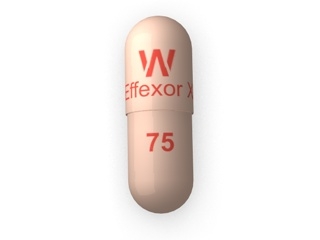
| Common formulation types | Typically available as immediate-release or extended-release formulations (strength and formulation vary by product) |
| Therapeutic uses | Depression, anxiety disorders, panic disorder (depending on the individual case and local product approvals) |
Key point: Venlafaxine comes in different release forms. Your dosing schedule and how you take the tablets/capsules may depend on the exact type you’re using.
2) How Venlor works (mechanism of action)
Venlafaxine is an SNRI, meaning it helps increase the activity of two key neurotransmitters in the brain:
- Serotonin (5-HT): supports mood, sleep, and emotional regulation.
- Norepinephrine (noradrenaline): supports alertness, attention, and stress response.
Venlafaxine works by inhibiting reuptake of serotonin and norepinephrine. This can improve symptoms related to depression and anxiety over time.
Important: Although some people notice early changes (e.g., sleep or anxiety) within the first 1–2 weeks, full benefits typically take several weeks.
3) Pharmacokinetics (how your body handles the medicine)
“Pharmacokinetics” describes how venlafaxine is absorbed, distributed, metabolised, and eliminated.
- Absorption: Venlafaxine is absorbed after oral dosing. Peak levels occur within hours; the exact timing depends on whether the product is immediate-release or extended-release.
- Metabolism: Venlafaxine is metabolised mainly in the liver. A major active metabolite is O-desmethylvenlafaxine (ODV).
- Elimination: The metabolites are excreted primarily through the kidneys (urine). Clearance may be slower in some individuals.
- Half-life: Venlafaxine and ODV have elimination half-lives measured in hours; extended-release forms provide more gradual absorption.
What this means for you: Dosing intervals are designed to keep drug levels relatively steady. Missing doses or stopping suddenly can lead to discontinuation symptoms in some people.
4) Typical use (conditions Venlor may be used for)
Venlor (venlafaxine) is used to treat:
- Major depressive disorder (depression)
- Anxiety disorders (for example, generalised anxiety symptoms, depending on local product indications and prescriber assessment)
- Panic disorder (in some cases)
Individual suitability matters: The right treatment depends on your symptoms, medical history, other medicines, and risk factors.
5) Timing & how to take Venlor
The exact timing depends on your prescribed schedule and formulation.
Common practical guidance
- Take consistently: Try to take your dose at about the same time each day.
- Morning vs evening: Some people feel more alert after dosing, so they may prefer morning. Others experience sleepiness and may prefer evening. Follow your healthcare professional’s advice.
- With or without food: Many people take venlafaxine with food if it helps with stomach comfort.
- Do not crush or split: If you are using an extended-release formulation, swallow whole as directed. Do not crush or chew unless specifically instructed for your product.
- Missed dose: If you miss a dose, take it when you remember unless it is close to the next dose. Do not double up.
Expected timeline:
- First days to 2 weeks: Possible early effects (sleep/anxiety changes), and possible side effects.
- 3–6 weeks: Often when mood and anxiety improvements become clearer.
- Ongoing response: Some may require dose adjustments under medical supervision.
6) Food interactions
In general, venlafaxine can be taken with or without food. Food usually does not significantly change effectiveness.
That said, to reduce nausea or stomach upset:
- Consider taking with a meal or immediately after food.
- Stay hydrated, especially during the first weeks.
Grapefruit and herbal products: Always check with a pharmacist if you use herbal supplements or “natural” products, especially those that may affect liver enzymes (for example, St John’s wort).
7) Alcohol interactions
Combining antidepressants with alcohol is generally not recommended.
- Increased side effects: alcohol can worsen dizziness, drowsiness, and impaired coordination.
- Mood effects: alcohol may worsen depression or anxiety in the long term, even if it temporarily reduces stress.
- Safety concerns: avoid driving or operating machinery if you feel affected.
If you plan to drink alcohol occasionally, discuss it with your pharmacist or doctor. Your safest approach may be to minimise or avoid alcohol while adjusting to treatment.
8) Medicine interactions (important safety information)
Venlafaxine can interact with other medicines. Always tell your doctor or pharmacist about all medicines you take, including over-the-counter products and supplements.
Common interaction categories
- Other antidepressants & serotonergic medicines: risk of serotonin-related side effects (including serotonin syndrome) may increase when combined.
- Triptans (migraine medicines): possible additive serotonergic effects.
- Linezolid and some antibiotics (e.g., reversible MAOIs): may increase risk of serious reactions.
- Opioids: some opioids can increase sedation or serotonergic effects depending on the specific medicine.
- NSAIDs (ibuprofen, naproxen) and anticoagulants: may increase bleeding risk when combined with antidepressants.
- Medicines affecting blood pressure: venlafaxine can sometimes increase blood pressure in some people; dose adjustments may be needed.
- Medicines that affect liver metabolism: may alter venlafaxine levels (dose and monitoring may change).
What about herbal products?
- St John’s wort: may increase risk of side effects and should be discussed with a clinician.
- 5-HTP, tryptophan, other supplements for mood: can add to serotonin effects.
Seek urgent help if you experience symptoms such as severe agitation, fever, muscle stiffness, confusion, or rapid heart rate—particularly after starting or increasing doses.
9) Dosing (general information)
Dosing varies depending on the individual, the diagnosis, and whether the formulation is immediate-release or extended-release. A clinician will tailor your dose to your needs.
General dose adjustment principles
- Start low and go slow: Many people begin at a lower dose to improve tolerability.
- Adjust gradually: Dose increases are often spaced out by about 1–2 weeks (or longer), depending on response and side effects.
- Consistency matters: Stay with the same formulation unless your clinician changes it.
- Special populations: lower dosing or closer monitoring may be required in older adults, and in people with liver or kidney impairment.
Do not adjust your dose yourself. If side effects are troublesome or symptoms are not improving, talk to your pharmacist or doctor.
10) Safety profile & side effects
Most people tolerate venlafaxine reasonably well, but like all medicines it can cause side effects. Many side effects improve as your body adjusts during the first few weeks.
Common side effects
- Nausea
- Headache
- Dizziness
- Dry mouth
- Sweating
- Sleep changes (insomnia or sleepiness)
- Reduced appetite
- Constipation
- Sexual dysfunction (reduced libido, delayed orgasm)
Blood pressure considerations
Venlafaxine may increase blood pressure in some individuals, particularly at higher doses. Clinicians may check blood pressure before and during treatment.
Serious but less common warnings
Urgent medical advice may be needed if you experience:
- Allergic reactions (swelling of face/lips, rash, difficulty breathing)
- Mania or hypomania (unusually high energy, reduced need for sleep, risky behaviour)
- Bleeding symptoms (unusual bruising, blood in vomit or stools)
- Seizures
- Severe or persistent suicidal thoughts or sudden worsening of mood
Children and young people: Antidepressants may increase the risk of suicidal thoughts and behaviours in some younger patients. If this medicine is used in younger people, close monitoring is essential.
11) Practical use tips (making treatment easier)
- Plan for the first 2 weeks: Expect possible side effects as your body adjusts. Keep notes about symptoms and side effects to discuss at follow-up.
- Hydrate and eat regularly: Nausea and dry mouth can be easier to manage with fluids and simple meals.
- Manage dizziness: If you feel light-headed, stand up slowly. Avoid driving if you feel unsteady.
- Don’t stop suddenly: Stopping venlafaxine abruptly can cause discontinuation symptoms in some people. Tapering should be planned with a clinician.
- Track mood and anxiety: Consider using a simple daily scale (e.g., 0–10) for mood, anxiety, and sleep quality.
- Keep an eye on blood pressure: If you have hypertension or your clinician monitors it, follow that schedule.
Discontinuation (stopping or missing doses)
Sudden changes in dosing can lead to symptoms such as:
- dizziness
- “brain zaps” or unusual sensations
- nausea
- irritability or anxiety
- sleep disturbances
For safety and comfort, stopping or reducing should be done gradually under medical guidance.
12) Alternative options (if Venlor isn’t suitable)
There are other treatments for depression and anxiety. Your best option depends on your symptoms, previous responses, and medical history.
Medication alternatives
- Other antidepressants (examples include SSRIs such as sertraline or escitalopram, or other SNRIs/antidepressants depending on availability and suitability)
- Different classes such as mirtazapine in some cases (may help sleep and appetite for selected patients)
- Medicines for panic disorder (choice depends on pattern of symptoms and tolerability)
Non-medicine options
- Psychological therapy (e.g., CBT—Cognitive Behavioural Therapy)
- Lifestyle support (sleep routine, regular exercise, structured daily activities)
- Stress management and social support
Often, combining medication with psychological therapy can improve outcomes.
13) Market & legal context in Australia
In Australia, medicines like venlafaxine are regulated under the Therapeutic Goods Administration (TGA) and the Australian regulatory framework. Venlafaxine products are typically classified as prescription medicines, meaning they are dispensed through authorised channels and with appropriate clinical oversight.
For online pharmacy supply, reputable providers follow Australian legal and safety requirements, including:
- Verification of the correct medicine and strength
- Ensuring appropriate patient information and safe dispensing processes
- Providing consumer medicine information and relevant warnings
- Supporting safe access, including guidance on how to take the medicine
Always use trusted supply routes to reduce the risk of counterfeit or inappropriate products.
14) Recent guidance & monitoring considerations
While recommendations can evolve, common clinical themes in antidepressant care include:
- Early follow-up: clinicians often plan contact soon after starting or changing dose to review side effects and symptom progress.
- Monitoring for suicidality: especially in people who are younger or when symptoms worsen.
- Blood pressure checks: particularly for higher doses or in those with pre-existing hypertension.
- Reviewing all medicines: to reduce interaction risks (including supplements).
- Safer discontinuation: gradual tapering to minimise discontinuation symptoms.
If your clinician provides specific monitoring instructions (e.g., blood pressure, mental state review), follow them closely.
15) Delivery & availability (online pharmacy)
Availability of Venlor (venlafaxine) products may vary based on formulation and strength. Reputable Australian online pharmacies typically provide:
- Stock checks before dispatch
- Secure packaging to protect tablets/capsules
- Delivery tracking (depending on service level)
- Clear product identification (brand, strength, form, expiry date)
Delivery timing: depends on your location and courier service. If your order is urgent, contact customer support to confirm dispatch times.
Storage: store in a cool, dry place away from direct sunlight, and keep out of reach of children. Follow the instructions on the pack.
16) FAQ – Common questions about Venlor (venlafaxine)
How long does Venlor take to work?
Some people notice improvements in sleep or anxiety within the first 1–2 weeks. Full benefit for depression/anxiety usually takes several weeks. If you’re not improving after a reasonable period, discuss options with your clinician.
Can I take Venlor with food?
Yes. Venlafaxine can usually be taken with or without food. Taking it with food may reduce nausea.
Will Venlor make me sleepy or alert?
Both can occur. Some people feel more alert, while others feel drowsy. If you notice a pattern, your pharmacist or clinician may suggest changing the time of day you take it.
Is it safe to drink alcohol while taking Venlor?
It’s generally best to avoid or minimise alcohol because it may worsen side effects (such as dizziness) and can negatively affect mood and anxiety.
What should I do if I miss a dose?
Take it when you remember unless it’s close to the next dose. Don’t double up. If you frequently miss doses, speak to your pharmacist about simplifying your routine.
What happens if I stop Venlor suddenly?
Stopping abruptly can cause discontinuation symptoms such as dizziness, nausea, irritability, sleep problems, and unusual sensations. Tapering should be planned with a clinician.
Does Venlor affect blood pressure?
Venlafaxine can increase blood pressure in some people. Your clinician may check your blood pressure before and during treatment, particularly at higher doses.
Can Venlor be taken with other antidepressants or migraine medicines?
Some combinations may increase the risk of serotonin-related side effects. It’s important to review your entire medicine list with a healthcare professional.
What side effects are most common at the start?
Nausea, headache, dizziness, dry mouth, sweating, and sleep changes are among the more common early side effects. Many settle as your body adjusts.
When should I seek urgent medical help?
Seek urgent help if you have signs of an allergic reaction, severe agitation/confusion, fever with muscle stiffness, seizure, unusual bleeding, or a sudden major worsening of mood or suicidal thoughts.
Need help choosing the right information for you? If you share your Venlor formulation type (immediate-release vs extended-release) and your current dose with a pharmacist, they can explain how to take it safely and what to watch for based on your situation.