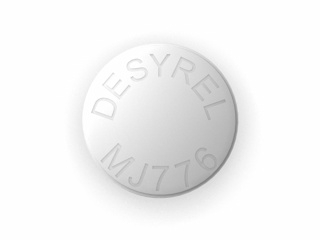


Desyrel (Trazodone) – Patient Information (Australia)
Desyrel is a brand of trazodone, a medicine used to help manage certain mental health conditions—most commonly depression. It may also be used for symptoms such as sleep problems that can occur with depression, depending on your doctor’s assessment.
This guide is written in a patient-friendly way to help you understand how Desyrel works, how it is typically used, key safety considerations, and what to expect in everyday use. Always follow the instructions given to you by your healthcare professional and read the consumer medicine information provided with your medicine.
Quick Product Facts
| Category | Details |
|---|---|
| Medicine | Desyrel (trazodone) |
| Common uses | Depression; sleep difficulties associated with depression (as determined by your prescriber) |
| How it works | Affects serotonin pathways; also has sedating (sleep-promoting) properties at lower doses |
| How it’s taken | By mouth; schedule depends on the reason for use and formulation |
| Common side effects | Drowsiness, dizziness, dry mouth, nausea, headache |
| Monitoring | Response to mood/sleep, side effects, and any signs of unusual reactions |
| Availability (Australia) | May be supplied via pharmacies; availability depends on stock and formulation |
How Desyrel Works (Mechanism of Action)
Trazodone influences serotonin, a brain chemical involved in mood, anxiety, and sleep regulation. It is often described as having a “multi-target” action, including:
- Serotonin receptor modulation: It helps balance serotonin signalling, which can improve depressive symptoms over time.
- Antagonism at certain serotonin receptors: This may contribute to both mood effects and sedation.
- Reduced rapid serotonergic side effects in some people compared with some other antidepressants (individual responses vary).
Because trazodone can be sedating—especially at lower doses—some people notice improved sleep before their mood fully improves. However, the way you feel can differ widely from person to person.
Pharmacokinetics: What Happens to the Medicine in Your Body
Pharmacokinetics describes how the body absorbs, distributes, metabolises, and eliminates a medicine. For trazodone:
- Absorption: Trazodone is absorbed after oral dosing. Food may affect the speed of absorption.
- Distribution: It reaches the brain and other tissues through the bloodstream.
- Metabolism: The liver breaks trazodone down into metabolites (including an active metabolite in some pathways).
- Elimination: Metabolites are eliminated mainly through the kidneys and other clearance processes.
Individual factors such as age, liver function, and other medicines can influence drug levels and side effects. If you have liver disease, your prescriber may adjust dosing and monitor you more closely.
Typical Uses of Desyrel
Desyrel (trazodone) is used for:
- Depression: helping improve mood, interest, and associated symptoms.
- Sleep disturbance related to depression: some people experience insomnia or poor sleep quality when depressed.
Your healthcare professional will decide whether trazodone is suitable for your symptoms, medical history, and other medications.
When to Take Desyrel (Timing and Routine)
Timing depends on how it is prescribed for you (e.g., evening dosing for sleep, or split dosing for broader symptom control). General practical guidance:
- If it makes you drowsy, it is often taken in the evening or at bedtime.
- Start low and go slow: Many people begin with a lower dose to reduce side effects, then may increase gradually.
- Take consistently: Try to take it at the same time each day unless your prescriber advises otherwise.
If you miss a dose, follow the instructions in your medicine information. If you are unsure, ask your pharmacist for advice.
Food Interactions: Can You Take Desyrel With Meals?
Food interactions can affect how quickly trazodone reaches peak levels. In general:
- Taking with or without food may both be possible depending on your tolerance and formulation.
- If you experience nausea or stomach upset, taking it with food may help.
- Keep your routine stable: changes in meal timing can sometimes change how you feel.
Always follow the instructions on your medicine label and the advice from your pharmacist.
Alcohol and Medication Interactions
Alcohol
Avoid alcohol or discuss with your doctor first. Alcohol can increase trazodone-related effects such as:
- Drowsiness and slowed reaction time
- Dizziness
- Impaired coordination
Mixing alcohol with medicines that affect the brain can also increase the risk of falls, accidents, and dangerous sedation.
Interactions With Other Medicines
Trazodone can interact with other drugs. These interactions may change trazodone levels, increase side effects, or affect heart rhythm in certain situations. Common interaction categories include:
- Other sedating medicines (e.g., some antihistamines, strong pain medicines, benzodiazepines): may increase drowsiness.
- Other antidepressants and medicines affecting serotonin: may increase the risk of serotonin syndrome.
- Medicines that affect heart rhythm (QT prolongation): combining may increase risk of abnormal heart rhythms in susceptible people.
- Liver enzyme inhibitors (some antibiotics/antifungals and other drugs): may raise trazodone levels.
- St John’s wort (herbal): may affect serotonin and interactions.
Tell your pharmacist about all medicines and supplements you use, including over-the-counter items. This is especially important when starting or stopping any medicine.
Indications: Who It May Be For
The decision to use Desyrel depends on the symptoms being targeted and your individual health profile. In Australia, trazodone is used in clinical practice for depression and sometimes sleep-related symptoms associated with mood disorders.
Your prescriber may consider it when:
- Depression is present
- Insomnia co-occurs (particularly difficulty falling asleep or staying asleep)
- Other options are unsuitable or have not been effective
If you have bipolar disorder (or a history of mania/hypomania), trazodone may be used with extra caution and specialist oversight, because antidepressants can sometimes trigger mood switching in vulnerable individuals.
Dosing: Typical Approaches (General Guidance)
Dosing varies based on your condition, age, response, and tolerability. Only take the dose written on your prescription label and follow your prescriber’s instructions.
General principles often used in practice:
- Start at a low dose to minimise side effects such as sleepiness or dizziness.
- Adjust gradually if needed.
- Evening/bedtime dosing is commonly used when sleep symptoms are prominent.
If you experience troublesome side effects (excessive drowsiness, fainting, or persistent dizziness), contact your healthcare professional. Do not adjust your dose without advice.
What to Expect: Onset of Effects
- Sleep effects: may be noticed earlier, particularly after evening dosing.
- Mood improvement: often takes several days to a few weeks. For many antidepressant treatments, meaningful improvement may take 2–6 weeks depending on the person.
- Adjustments: if you don’t feel improvements after an appropriate trial, your prescriber may review the dose or consider alternative options.
Safety Profile: Common Side Effects and When to Seek Help
Like all medicines, Desyrel can cause side effects. Many are mild and improve as your body adjusts. However, some symptoms require urgent attention.
Common side effects
- Drowsiness or fatigue
- Dizziness, especially when standing up
- Dry mouth
- Nausea, stomach discomfort
- Headache
- Blurred vision (less common)
Less common but important warnings
- Low blood pressure / fainting: particularly early in treatment or when doses are increased.
- Abnormal bleeding: if combined with certain medicines that affect clotting (your pharmacist can advise).
- Serotonin syndrome: rare but serious, especially when combined with other serotonergic drugs.
- Unusual mood changes: agitation, increased energy, or signs of mania/hypomania.
- Eye problems (rare): sudden eye pain/vision changes require prompt care.
- Heart rhythm issues: risk is higher in people with heart disease or when combined with QT-prolonging medicines.
When to seek urgent medical help
Seek urgent medical attention (or call emergency services) if you experience:
- Symptoms suggestive of serotonin syndrome: high fever, severe agitation, confusion, shaking/tremor, sweating, diarrhoea
- Fainting, severe dizziness, or chest palpitations
- Thoughts of self-harm or severe worsening depression
- Signs of an allergic reaction: swelling of face/lips, difficulty breathing, widespread rash
In Australia, if you feel at risk of harming yourself or you’re in immediate danger, call 000 or contact Lifeline 13 11 14.
Practical Tips for Safe Use
- Be cautious with driving: Desyrel may impair attention and coordination, especially after starting or increasing the dose.
- Stand up slowly: This can reduce dizziness from blood pressure changes.
- Keep a simple symptom journal: note sleep quality, mood, and side effects—this helps your healthcare team fine-tune treatment.
- Don’t stop suddenly: If you want to stop or switch treatments, discuss a gradual plan with your prescriber to reduce withdrawal-like symptoms.
- Medication list handy: carry an up-to-date list or use an app—especially if you see different clinicians.
- Avoid mixing sedatives: check all “sleep” or “cold/flu” products for sedating ingredients.
Alternative Options (Discuss With Your Healthcare Professional)
Depending on your symptoms and medical history, doctors may consider other options for depression and insomnia. Alternatives can include:
- Other antidepressants: e.g., SSRIs/SNRIs or other classes
- Sleep-focused strategies: sleep hygiene, CBT-I (cognitive behavioural therapy for insomnia), relaxation techniques
- Other medicines for sleep: your prescriber may choose options based on your health and risk factors
- Psychological treatments: counselling or structured therapies for depression
The “best” alternative depends on the cause of your symptoms, previous response to treatments, and side-effect preferences.
Market and Legal Context for Australia
In Australia, medicines are regulated under the Therapeutic Goods Administration (TGA) and supplied according to their classification and approved prescribing requirements. Trazodone products such as Desyrel are used under Australian clinical frameworks, and access depends on the medicine’s scheduling and local availability.
When choosing an online pharmacy, look for:
- Clear information about product details and expiry dates
- Compliance with Australian pharmacy and medicines regulations
- Secure ordering and customer support
Always ensure your supply source is reputable and authorised to dispense medicines in Australia.
Recent Guidance: What Patients Should Know
Healthcare guidance in recent years has emphasised several consistent themes relevant to medicines like trazodone:
- Careful assessment of depression and suicide risk, especially when starting antidepressant-type treatments.
- Review of drug interactions to minimise serotonin-related and sedative complications.
- Monitoring for side effects such as dizziness, falls risk, and unusual behaviour changes.
- Individualised dosing and follow-up to achieve symptom control while minimising harm.
If you’re currently on Desyrel, keep in touch with your healthcare professional—especially in the first weeks of treatment or after a dose change.
Delivery, Availability, and Ordering (Australia)
Desyrel availability can vary depending on the specific strength/formulation and pharmacy stock. A reliable online pharmacy typically provides:
- Real-time or near-real-time stock information where possible
- Clear delivery timeframes by location (metro vs regional)
- Tracking details once dispatched
- Proper packaging to protect tablets from damage
- Expiry and batch information shown or available on request
If your usual product is temporarily unavailable, the pharmacy may offer an equivalent option if appropriate and permitted. Ask about substitutions and how they are handled.
FAQ About Desyrel (Trazodone)
1) Is Desyrel used only for depression?
Desyrel is primarily used for depression. Because trazodone can be sedating, it may also be used when sleep problems occur alongside depression. Your prescriber will determine the best approach for your situation.
2) How long does it take to work?
Some people notice sleep improvements sooner, while mood benefits generally take longer—often several weeks. If you don’t feel improvement, speak with your healthcare professional before changing or stopping.
3) Will I feel sleepy the next day?
Drowsiness can occur, especially when starting treatment or after dose increases. If next-day grogginess is significant, discuss it with your pharmacist or prescriber. Adjustments to timing or dose may help.
4) Can I take Desyrel with food?
Often yes. If nausea or stomach upset occurs, taking it with food may help. Try to keep your routine consistent and follow the instructions on your label.
5) Can I drink alcohol while taking Desyrel?
It’s generally best to avoid alcohol because it can increase drowsiness and dizziness and increase risk of accidents. Ask your healthcare professional for personalised advice.
6) What medicines should I avoid mixing with trazodone?
Tell your pharmacist about all medicines, including over-the-counter products and supplements. Particular caution applies to other antidepressants/serotonergic agents, sedatives, and medicines that affect heart rhythm or liver metabolism.
7) What side effects are most common?
Common effects include drowsiness, dizziness, dry mouth, nausea, and headache. Many people find these settle as their body adapts.
8) What should I do if I miss a dose?
Follow the directions in your medicine information. If you’re unsure, contact your pharmacist. Do not double up unless advised.
9) Is it safe to stop Desyrel suddenly?
It’s usually best not to stop suddenly without medical advice. Stopping can lead to unpleasant symptoms. Your prescriber can guide a gradual reduction plan if needed.
10) Who should be extra cautious when using trazodone?
Extra caution is often needed if you have liver problems, heart rhythm conditions, a history of mania/hypomania, increased fall risk, or if you take multiple medicines that can interact with trazodone.
Summary
Desyrel (trazodone) is a medicine used for depression and, for some people, sleep difficulties linked to mood symptoms. It works by influencing serotonin pathways and can also produce sedation. While many side effects are mild and improve over time, it’s important to take it carefully—particularly regarding alcohol avoidance, interaction risks, and monitoring for unusual reactions.
For the best outcomes, take Desyrel exactly as directed, keep your follow-up appointments, and seek urgent help if you experience serious symptoms such as signs of serotonin syndrome, fainting, or severe mood deterioration.