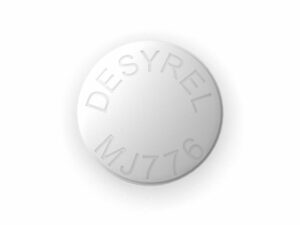
Zyprexa® (Olanzapine) — Patient Information (Australia)
Zyprexa is a brand name for olanzapine, an antipsychotic medicine used to treat certain mental health conditions. This page is written to be patient-friendly and practical, helping you understand how olanzapine works, how it is usually taken, what interactions to watch for, and what to consider in daily life.
Please note: individual treatment plans vary. Always follow the directions provided by your healthcare professional and read the consumer medicine information (CMI) supplied with your product.
Basic product information
| Item | Details |
|---|---|
| Active ingredient | Olanzapine |
| Brand name | Zyprexa® |
| Medicine type | Atypical (second-generation) antipsychotic |
| Common forms (varies by market) | Tablets; some products may be available as oral dispersible tablets and/or long-acting formulations |
| Typical use | Schizophrenia and related psychotic disorders; bipolar disorder (including manic and maintenance phases, depending on product/plan) |
| Key effects | Helps reduce symptoms such as hallucinations, delusions, severe mood swings, and agitation |
How Zyprexa works (mechanism of action)
Olanzapine belongs to a group of medicines called atypical antipsychotics. It affects several brain chemical pathways, which helps improve symptoms.
- Dopamine receptor activity: Olanzapine blocks dopamine receptors in multiple brain areas, which can help reduce psychosis-related symptoms.
- Serotonin receptor activity: It also influences serotonin receptors (including 5-HT types). This contributes to improvements in mood and may relate to differences in side-effect patterns compared with older antipsychotics.
- Other receptor effects: Olanzapine can interact with histamine (H1), muscarinic, and alpha-adrenergic receptors, which can influence sedation, sleepiness, weight changes, and blood pressure.
The medicine’s benefits often develop gradually. Some people may notice changes early (for example, reduced agitation), while full benefits for mood or psychosis may take longer.
Pharmacokinetics (how the body handles olanzapine)
Pharmacokinetics describes how a medicine is absorbed, distributed, metabolised, and eliminated.
- Absorption: Olanzapine is absorbed after oral dosing. Peak blood levels generally occur within about 5–8 hours for standard tablets, though this can vary by formulation and individual factors.
- Distribution: It spreads throughout body tissues, including the brain, due to its lipophilic properties.
- Metabolism: Primarily metabolised in the liver, mainly through CYP1A2 and other pathways.
- Elimination: The medicine and its metabolites are removed mainly via urine and faeces.
- Half-life: The apparent half-life is often around 20–40 hours, supporting once-daily dosing for many patients.
Important: Smoking can significantly affect olanzapine metabolism (see “Food, alcohol, and medicine interactions”).
Typical use and indications
Olanzapine is used to treat several conditions. The exact choice of dose and formulation depends on the diagnosis, severity, prior response, and tolerability.
- Schizophrenia and other psychotic disorders: helps reduce symptoms such as hallucinations, delusions, disorganised thinking, and agitation.
-
Bipolar disorder:
- Manic or mixed episodes: to help stabilise mood and behaviour during episodes.
- Maintenance: to help reduce relapse risk for some patients, depending on the treatment plan.
Your prescriber may also use olanzapine for related clinical goals based on local guidelines and individual patient needs.
When to take Zyprexa (timing and dosing schedule)
Olanzapine is commonly taken , usually at the same time each day. Some people may be advised to take it in the evening if it causes sleepiness. Others may take it earlier if sedation is not a concern.
General timing tips
- Be consistent: Try to keep your dosing time stable day-to-day.
- If it makes you drowsy: Many people prefer evening dosing—confirm the plan with your healthcare professional.
- If you miss a dose: Take it as advised by the product information or healthcare professional. If you are unsure, contact your pharmacist.
Do not change your dose or stop suddenly without medical advice, even if you feel better.
Dosing (what’s typical)
Dosing depends on the condition being treated, your age, liver function, other medicines, and how you respond. The following information is general; your personal dose should come from your healthcare professional.
Typical starting and maintenance ranges
- Schizophrenia / psychosis: commonly started at a lower dose and adjusted based on response and side effects.
- Bipolar disorder: doses vary depending on whether treating mania, mixed episodes, or maintenance.
Zyprexa is available in multiple strengths, and dose adjustments may be made in steps over time. Your pharmacist can confirm the correct number of tablets for your prescribed strength and regimen.
Special considerations:
- Older adults may require lower starting doses due to increased sensitivity to side effects.
- Liver impairment can require careful dosing and monitoring.
- Concomitant medicines (including those affecting liver enzymes) may require adjustments.
Food interactions (what to know about meals)
Food generally does not prevent olanzapine from working. In many cases, you may take it with or without food.
- Absorption may change slightly with meals, but the clinical impact is usually manageable.
- If you experience stomach upset or nausea, taking the dose with food may be helpful.
Follow the advice in the product information for your exact formulation.
Alcohol and medicine interactions
Alcohol
Alcohol can increase the risk of sleepiness, slowed reaction time, and dizziness when taking olanzapine. It may also worsen mood instability for some people.
- It’s generally safest to avoid alcohol or keep intake minimal.
- If you do drink, do not drive or operate machinery if you feel sedated.
Common medicine interactions
Olanzapine is metabolised partly by liver enzymes. Some medicines can affect these enzymes, changing olanzapine levels in your body.
- Medicines that increase sedation (for example, some sleep medicines, opioids, strong antihistamines, or anxiety medications): may increase drowsiness and risk of falls.
- Medicines affecting heart rhythm (some QT-prolonging drugs): may increase the risk of abnormal heart rhythm in susceptible individuals.
- Anticonvulsants and other enzyme inducers: may reduce olanzapine levels and lower effectiveness for some people.
- Fluvoxamine (an antidepressant): can raise olanzapine levels and increase side effects, often requiring dose adjustment.
- CYP1A2-related factors: smoking can lower levels (see below), while stopping smoking can raise levels and increase side effects.
Smoking (very important)
Smoking tobacco (and sometimes heavy use of nicotine products) can increase the activity of liver enzymes that metabolise olanzapine. This can make olanzapine less effective at standard doses and may require changes if your smoking status changes.
- If you start or stop smoking, tell your healthcare professional so dosing and monitoring can be adjusted.
- If you use nicotine replacement, this can still allow changes in enzyme activity if actual smoking stops—discuss your situation.
Food, diet, and weight management (practical guidance)
One of the best-known considerations with olanzapine is its potential to cause weight gain and changes in blood glucose and lipids. This does not mean everyone will experience these effects, but monitoring is important.
- Consider maintaining a balanced diet and focusing on regular meals with appropriate portions.
- If you are concerned about weight, ask your pharmacist or doctor about strategies and monitoring (e.g., weight tracking, blood tests).
- Keep an eye on sugar-sweetened drinks and high-calorie snacks.
Safety profile (common and serious side effects)
Like all medicines, olanzapine can cause side effects. Some are common and manageable; others are rare but serious. If you ever feel unwell in a way that worries you, seek prompt medical advice.
Common side effects
- Drowsiness or sedation (sleepiness)
- Dizziness
- Weight gain
- Increased appetite
- Constipation
- Dry mouth
- Swelling in some people (oedema) or changes in metabolism
Metabolic (blood sugar and cholesterol) concerns
Olanzapine may increase the risk of high blood sugar and high cholesterol or triglycerides. Monitoring typically includes weight/BMI, blood pressure, and blood tests.
Serious but less common warning signs
- Severe allergic reaction: swelling of face/lips, trouble breathing, rash with swelling. Seek emergency help.
- Neuroleptic malignant syndrome (NMS): high fever, muscle stiffness, confusion, irregular heartbeat, or severe sweating. Seek urgent help.
- Tardive dyskinesia: involuntary movements (often of the face or tongue) that may develop with longer use. Report any new, persistent movement changes promptly.
- Significant changes in blood counts (rare): severe infection symptoms like fever or sore throat should be assessed quickly.
- Fainting or severe dizziness: especially when standing (may relate to blood pressure changes).
If you experience severe or rapidly worsening symptoms, contact a healthcare professional or emergency services immediately.
Practical use tips (to improve comfort and reduce problems)
1) Give yourself time to adjust
- Sedation and dizziness can be strongest early in treatment or after dose changes.
- Avoid driving or hazardous activities until you know how olanzapine affects you.
2) Build a routine
- Take the dose at the same time each day.
- Use a pill organiser or reminders to reduce missed doses.
3) Monitor weight and metabolic health
- Ask your doctor how often you should have blood tests (e.g., glucose and lipids).
- Track weight weekly or every couple of weeks if your clinician recommends it.
4) Manage constipation early
- Drink adequate fluids, include fibre, and stay active where possible.
- If constipation becomes troublesome, ask your pharmacist about appropriate options.
5) Watch for mood and energy changes
Some people notice improved stability, while others may feel sleepy or emotionally “flattened.” Keep a brief record of how you feel (sleep, appetite, mood, agitation) and discuss it with your healthcare professional.
Alternative options (other antipsychotic medicines)
If olanzapine isn’t suitable due to side effects, effectiveness, or personal preference, there are other treatment options. The right alternative depends on your diagnosis and how your body responds.
Examples of alternative antipsychotics (not an exhaustive list):
- Risperidone
- Quetiapine
- Aripiprazole
- Paliperidone
- Ziprasidone
- Amisulpride (where available/appropriate)
Some may be chosen to minimise certain side effects (such as sedation or weight gain), while others may be preferred for specific symptoms. Switching or dose changes should be managed by your healthcare professional.
Market and legal context in Australia
In Australia, medicines like Zyprexa (olanzapine) are regulated under the Australian regulatory framework for therapeutic goods. Antipsychotics are typically classified as prescription medicines under Australian law, meaning they are supplied through authorised pharmacy channels with appropriate patient assessment and documentation.
Australia’s prescribing and safety monitoring also aligns with clinical guidance, including recommendations for metabolic monitoring and follow-up. Local accessibility and supply may vary by formulation and strength.
Pharmacist support: Australian pharmacists can provide counselling on safe use, side-effect management, interaction checks, and monitoring plans.
Recent guidance and monitoring focus (Australia)
While specific recommendations can change over time, clinical practice in Australia commonly emphasises:
- Baseline and ongoing metabolic monitoring (weight/BMI, blood glucose, cholesterol/triglycerides).
- Assessing sedation risk, especially in new treatment or when combined with other sedating medicines.
- Blood pressure awareness and fall risk assessment in susceptible individuals.
- Side-effect review after dose adjustments and periodically during long-term use.
- Smoking status review, as changes can alter olanzapine levels and side effects.
Your clinician may provide a personalised monitoring schedule.
Delivery and availability (online pharmacy)
Availability can depend on:
- Stock levels by strength and formulation
- Whether you need a specific brand or an equivalent product
- Ordering lead times and delivery regions
When ordering online, you may be asked to confirm product details and suitability. Delivery timing varies by service area and carrier. For the most accurate estimate, use the delivery calculator on the website or check the order confirmation.
Packaging and storage: Store olanzapine according to the directions on the label (commonly at room temperature and protected from moisture). Keep it out of reach of children.
FAQ about Zyprexa (Olanzapine)
1) What is Zyprexa used for?
Zyprexa (olanzapine) is used to treat conditions such as schizophrenia and certain episodes or phases of bipolar disorder. It helps reduce symptoms like psychosis and severe mood disturbances.
2) How long does it take to work?
Some effects (like reduced agitation or improved sleep) may be noticed early, but full benefit for mood or psychotic symptoms can take weeks. If you feel no improvement after a reasonable period, discuss this with your healthcare professional.
3) Can I take it with food?
In most cases, olanzapine can be taken with or without food. If you feel nauseated, taking it with food may help.
4) Does alcohol interact with olanzapine?
Alcohol can increase sedation and dizziness. It can also worsen mood instability. It’s generally safest to avoid alcohol or discuss what is safe for you.
5) What medicines should I be careful with?
Be cautious with other medicines that cause drowsiness, and medicines that can affect liver enzymes (for example, some antidepressants or enzyme-inducing drugs). Always share your full medicine list with a pharmacist or clinician.
6) How does smoking affect Zyprexa?
Smoking can lower olanzapine levels in the body, which may reduce effect or change tolerability. If you change your smoking habits, tell your healthcare professional.
7) Why am I gaining weight on olanzapine?
Olanzapine can increase appetite and affect metabolism in some people. Monitoring weight and metabolic markers is important. If weight gain becomes significant, ask your healthcare professional about strategies or alternatives.
8) What should I do if I miss a dose?
Follow the product information or advice from your pharmacist. If you are unsure, contact your pharmacist for guidance. Avoid doubling doses unless directed.
9) Are there long-term risks?
Long-term use may be associated with metabolic changes and movement disorders in some people. Regular check-ins with your healthcare team help detect issues early and manage risks.
10) When should I seek urgent help?
Seek urgent medical attention if you develop severe allergic symptoms, signs of a serious reaction (e.g., high fever with muscle stiffness and confusion), or severe/unusual symptoms that worry you.
Need help choosing or using your medicine? If you have questions about olanzapine, interactions, or side-effect monitoring, speak with a qualified healthcare professional or pharmacist in Australia.