Trazodone (Trazodone Hydrochloride) – Patient-Friendly Guide (Australia)
Trazodone hydrochloride is a medicine used in adults for conditions such as depression and, in some cases, related symptoms including sleep difficulties. It belongs to a group of medicines known as antidepressants, and it may be used in doses that can help both mood and sleep.
This guide explains how trazodone works, how it behaves in the body, typical uses, timing, interactions, safety considerations, and practical tips. It is written for people in Australia and includes information on availability and common regulatory considerations.
1) Basic product information
| Item | Details |
|---|---|
| Generic name | Trazodone hydrochloride |
| What it is | An antidepressant medication with sedative properties at lower doses |
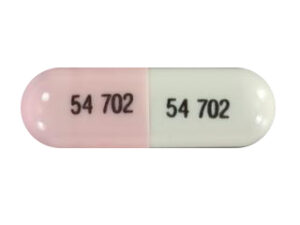
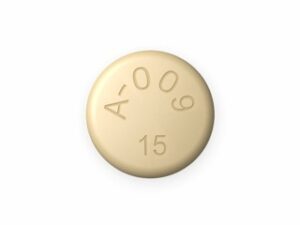
| Common dosage forms | Tablets (immediate release in many products; some brands may differ) |
| How it’s typically taken | By mouth, usually once daily at night or split dosing depending on response |
| Who it’s for | Adults (use in specific age groups should follow clinician guidance and local labels) |
| Brand names | May vary by manufacturer and availability |
If you’re unsure which formulation you have (for example, immediate-release vs other release types), check the product label or ask a pharmacist. Formulation can affect how and when you should take it.
2) How trazodone works (mechanism of action)
Trazodone affects several chemical pathways in the brain. The exact benefits for mood and sleep are thought to involve changes in serotonin signalling.
- Serotonin (5-HT) modulation: Trazodone blocks certain serotonin receptors (commonly described as antagonism at 5-HT2A).
- Serotonin reuptake inhibition (weaker compared with some other antidepressants): It helps increase serotonin availability.
- Additional receptor effects: These may contribute to calming/sedation and the risk of certain side effects.
Because it can be sedating, many people notice sleep-related effects relatively soon (often within the first days). Mood improvements typically take longer and depend on the condition being treated.
3) Pharmacokinetics: how your body handles it
Pharmacokinetics describes what happens after you take a medicine—absorption, distribution, metabolism, and elimination. General information is provided here; individual responses can vary.
Absorption
After oral dosing, trazodone is absorbed from the gastrointestinal tract. Food may change how quickly levels rise (see the food section below).
Distribution
Trazodone distributes throughout the body and can cross into the brain where it exerts its effects.
Metabolism
Trazodone is mainly metabolised by the liver. Metabolites are formed and contribute to the overall pharmacological activity.
Elimination
The medicine and its metabolites are primarily eliminated through the kidneys (urine) and also through other pathways depending on metabolism.
Clinical implication: Liver function and interactions with other medicines that affect liver enzymes can influence trazodone levels, which can increase the risk of side effects or reduce effectiveness.
4) Typical use in Australia
Trazodone is used as an antidepressant and may be prescribed for related symptoms depending on the person’s needs. In clinical practice, it is also commonly considered when sleep disturbance occurs alongside mood symptoms.
In Australia, medicines may be used according to approved product information and/or clinician judgement for specific situations. Always follow your prescriber’s instructions and the dosing directions on the product packaging.
Common indications
- Depression: Including depressive episodes in adults.
- Sleep disturbance associated with depression: People may experience improved sleep as part of treatment.
- Other specialist uses: Some clinicians may consider trazodone for particular sleep or symptom patterns as part of a broader plan.
If you are taking trazodone for a reason not listed above, discuss your goals and expectations with a healthcare professional to ensure it’s the right match for your condition.
5) Timing and how to take trazodone
The “best time” depends on your individual response and the reason you’re using it. Because trazodone can be sedating, it is frequently taken in the evening or at bedtime.
When to take it
- For sleep difficulties: often taken in the evening or just before bedtime.
- For depression or mixed symptoms: some people take it at night; others may use split dosing if advised.
How to take it
- Take it exactly as directed on your label.
- Do not adjust the dose on your own.
- If you miss a dose, follow the advice on your package or from a pharmacist. In general, if it’s close to the next dose, do not double up.
How long until benefits are felt?
Sleep: Some people notice sedation or improved sleep within the first few nights. However, everyone is different.
Mood: Antidepressant effects often take several weeks. It’s important to continue taking the medicine consistently as directed.
6) Food interactions
Food can influence how quickly trazodone levels rise in the body. This may affect how sleepy you feel and how quickly the dose begins to work.
General advice
- Take it consistently: Choose a routine (for example, with a light meal if you prefer) and keep it similar day to day.
- If nausea occurs: taking with food may help reduce stomach upset for some people.
Do you need to avoid any foods?
There are no specific “must-avoid” foods that are broadly required for trazodone. However, alcohol and certain drug interactions (below) are more important than food.
7) Alcohol and medicine interactions
Combining trazodone with other substances that affect the brain can increase sedation and other risks. This includes alcohol, opioids, and some anxiety or sleep medicines.
Alcohol
- Increased drowsiness: Alcohol may make you more sleepy or impair coordination.
- Higher safety risk: Avoid driving, operating machinery, or any risky activities until you know how trazodone affects you.
- Breathing risk (in some people): Combining with other sedatives can increase breathing-related risks.
Important medicine interactions
Tell your pharmacist or doctor about all medicines and supplements you take, including: antidepressants, pain medicines, migraine medicines, sleep/anxiety medicines, herbal products, and over-the-counter drugs.
- Other serotonergic medicines: Medicines that increase serotonin (some antidepressants, migraine triptans, certain pain medicines like tramadol, and some supplements) can raise the risk of serotonin syndrome.
- Medicines that affect liver enzymes: Some drugs can change how fast trazodone is metabolised, affecting blood levels.
- Central nervous system depressants: Opioids, benzodiazepines, some sleep medications, and sedating antihistamines may increase drowsiness.
- Medicines that affect heart rhythm: Although trazodone is generally used safely when monitored, it can be associated with changes in heart electrical activity in some circumstances, especially with other interacting medicines.
- Blood pressure medicines: Trazodone may contribute to dizziness or light-headedness; combining with antihypertensives may increase this effect in some people.
Seek urgent medical help if you develop symptoms such as severe agitation, confusion, fever, tremor, sweating, diarrhoea, or fast heartbeat (possible serotonin syndrome), or fainting/palpitations with chest discomfort.
8) Safety profile: what to watch for
Like all medicines, trazodone can cause side effects. Many are mild and improve over time, especially during the initial adjustment period. The sections below highlight common issues and warning signs.
Common side effects
- Drowsiness or sleepiness
- Dizziness or light-headedness
- Dry mouth
- Nausea or stomach discomfort
- Headache
- Blurred vision (sometimes)
- Fatigue
Less common but serious risks
- Orthostatic hypotension: feeling faint when standing up quickly. Rise slowly and stay hydrated.
- Falls risk: especially when starting or increasing dose due to sedation.
- Changes in heart rhythm: rare; risk may increase with other medicines or underlying conditions.
- Bleeding risk: antidepressants that affect serotonin may increase bleeding tendency in some people, especially when combined with medicines that also affect clotting.
- Priapism (prolonged painful erection): rare but considered an emergency; seek urgent care if it occurs.
When to get help urgently
- Fainting, severe dizziness, or chest pain
- Signs of serotonin syndrome (agitation, confusion, fever, shaking, sweating, diarrhoea)
- Severe allergic symptoms (swelling of face/lips, trouble breathing, hives)
- Unusual severe agitation or suicidal thoughts—contact emergency services or a crisis support line immediately
9) Dosing: typical starting and adjustment (general guidance)
Dosing depends on the condition being treated, your age, medical history, other medicines, and how you respond. The information below is general and may not match your exact prescription instructions.
General approach
- Start low and adjust gradually to improve tolerability.
- Night-time dosing is common due to sedation.
- Do not increase rapidly without medical advice.
Dose adjustments and duration
If you feel overly sleepy, dizzy, or unwell, discuss it with a healthcare professional. If side effects are troublesome, doses may be reduced or administration timed differently.
If you’re using trazodone for depression, it is important not to stop suddenly without advice. Abrupt discontinuation can cause withdrawal-like symptoms in some people.
Missed dose advice
- If you miss a dose, take it when you remember if it’s not too close to your next scheduled dose.
- If it’s almost time for the next dose, skip the missed dose—do not double up.
- If you are unsure, ask a pharmacist for guidance based on your dosing schedule.
10) Practical use tips for safer, more comfortable treatment
During the first days
- Be cautious with driving: avoid driving until you know how it affects you.
- Stand up slowly: helps reduce dizziness or faintness.
- Set a consistent bedtime routine: helps your body adapt.
- Avoid risky activities: until sedation settles.
Sleep hygiene support (works alongside medication)
- Keep a regular sleep and wake time.
- Reduce caffeine later in the day.
- Limit screen time close to bedtime.
- Ensure your room is dark, cool, and quiet.
Tracking your response
Consider noting:
- When you take your dose
- How quickly you fall asleep
- Night-time awakenings
- Next-day alertness and side effects
11) Alternative options
Treatment for depression and sleep problems is individual. If trazodone isn’t suitable, options may include other antidepressants, sleep-focused therapies, and non-medicine approaches.
Possible alternatives (discuss with a clinician)
- Other antidepressants: Some may be selected based on symptom profile and tolerability.
- Sleep-focused medicines: A clinician may consider other medications, especially if sleep is the main issue.
- Psychological therapy: Cognitive behavioural therapy for insomnia (CBT-I) can be effective.
- Lifestyle and routine changes: Often combined with medication for best results.
Never switch or stop trazodone abruptly without guidance, especially if you’re using it for depression.
12) Market and legal context in Australia
In Australia, the supply of medicines is regulated to support safe use and appropriate access. Medicines like trazodone are typically supplied under the framework of the Therapeutic Goods Administration (TGA) and the Australian regulatory classification applied to the product.
Depending on the specific product and strength, trazodone may be subject to prescription requirements and dispensing rules. An online pharmacy should verify eligibility, provide appropriate patient information, and follow privacy and safety processes.
If you have questions about whether a particular strength or brand is available in your area, ask a pharmacist or check the listing for that product.
Recent guidance and safety themes (high-level)
Healthcare guidance in recent years has emphasised:
- Careful monitoring for sedation, falls risk, and drug interactions.
- Awareness of serotonin syndrome risk when combining serotonergic medicines.
- Risk-aware use in older adults and people with comorbidities.
- Gradual changes to treatment plans rather than abrupt stop-start patterns.
For the most current product-specific guidance, always refer to the medicine’s Consumer Medicine Information (CMI) or ask a pharmacist.
13) Delivery and availability (online pharmacy)
Availability can vary by brand, strength, and supply timelines. When ordering online in Australia, reputable pharmacies typically:
- Confirm the correct product and dosage form
- Provide clear labelling and patient information
- Package items securely to prevent damage
- Deliver to eligible Australian addresses
Delivery timeframes: These depend on stock status and courier routes. Many pharmacies provide an estimated dispatch window at checkout. If the product is temporarily out of stock, you may be offered alternatives or a notification option.
Storage: Store as directed on the packaging (commonly at controlled room temperature, away from moisture and heat). Keep out of reach of children.
14) FAQ
1. Is trazodone only for depression?
Trazodone is an antidepressant. It may also be used when sleep disturbance occurs alongside mood symptoms, and sometimes for other clinician-assessed reasons related to sleep or wellbeing. Your intended use should be clarified with the prescribing clinician and reflected on the product label or instructions.
2. When should I take it?
Many people take trazodone in the evening or at bedtime because it can be sedating. Follow your label instructions. If you feel too drowsy the next day, speak to a pharmacist or clinician about timing adjustments.
3. Will it make me sleepy the next day?
It can. Drowsiness is more likely at the start of treatment or after dose changes. Avoid driving and hazardous activities until you know your response. If next-day sleepiness persists, seek advice.
4. Can I drink alcohol with trazodone?
It’s generally best to avoid alcohol while taking trazodone because the combination can increase sedation, dizziness, and impaired coordination. If you choose to drink despite advice, discuss safety with a pharmacist, and do not drive or operate machinery.
5. What if I miss a dose?
Follow the guidance on your product information or label. In general, don’t double up. If you’re unsure, ask a pharmacist for advice based on your schedule.
6. Are there foods I must avoid?
No specific foods are universally required to be avoided. However, food may affect how quickly it starts working, so maintaining a consistent routine can help. If you experience nausea, taking it with food may help.
7. What medications should I be especially cautious about?
Caution is needed with other antidepressants or serotonergic medicines, opioid pain medicines, sedating sleep/anxiety medicines, certain antihistamines, and medicines that affect the liver or heart rhythm. Always provide a complete list of medicines and supplements when seeking advice.
8. How long does it take to work?
Sleep-related benefits may appear sooner. Mood improvements typically take several weeks. Continue taking it as directed and monitor your progress.
9. Can I stop trazodone suddenly?
Do not stop suddenly without medical advice. Stopping abruptly can lead to uncomfortable symptoms for some people. If you want to stop, ask for a gradual plan.
10. What should I do if I have severe side effects?
If you develop severe dizziness, fainting, breathing problems, signs of serotonin syndrome, or any serious allergic reaction, seek urgent medical care. For non-urgent concerns, contact your pharmacist or doctor promptly.
Important note
This information is a general guide to trazodone and does not replace personalised medical advice. If you have questions about your situation, including interactions, dosing suitability, or side effects, contact a pharmacist or healthcare professional.
If you’re in immediate danger or need urgent help, contact emergency services in Australia.