Aldara (Imiquimod) – Patient-Friendly Guide (Australia)
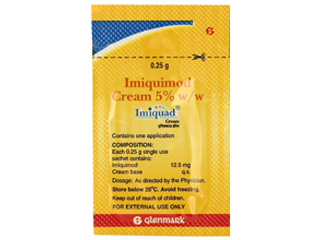
Aldara contains the active ingredient imiquimod. It is a topical medicine used for certain skin conditions caused by the human immune response to specific viral infections and abnormal skin growth. This guide explains how Aldara works, how it’s used, what to expect, and important safety information for people in Australia.
Always follow the instructions given with your product and any advice from your healthcare professional.
Quick product overview
| Feature | What to know |
|---|---|
| Brand name | Aldara |
| Active ingredient | Imiquimod |
| Form | Cream |
| Typical strengths | Available as 5% cream for several approved skin conditions |
| Route | Topical use on skin |
| Where it’s applied | Affected area only (exact area and schedule depend on the condition) |
| How it works | Boosts local immune response in the skin |
How Aldara works (mechanism of action)
Imiquimod is an immune response modifier. When you apply Aldara to the skin, the medicine activates part of the body’s innate immune system by interacting with receptors on immune cells (commonly described as Toll-like receptor 7, TLR7).
This activation leads to the production of immune signals, including interferon and other cytokines. The result is a stronger local immune attack and signalling in the treated skin. Depending on the condition, this helps:
- Support clearance or reduction of certain viral lesions (such as external genital warts or some other HPV-related lesions, depending on indication)
- Help the immune system recognise and respond to abnormal skin growth (such as superficial forms of certain skin cancers or precancers)
Important: Aldara is not a painkiller or antibiotic. It works by adjusting your skin’s immune activity.
Pharmacokinetics (how the body handles Aldara)
Because Aldara is applied to the skin, only small amounts of imiquimod are expected to enter the bloodstream under typical use. Key points include:
- Absorption: Systemic absorption is generally low when used on intact skin as directed.
- Distribution: The medicine acts mainly at the application site.
- Metabolism: If absorbed, imiquimod is metabolised in the body.
- Excretion: Metabolites are eliminated primarily via the kidneys.
Systemic side effects are uncommon when Aldara is used correctly, but more skin reaction can occur locally (redness, burning, itching, scabbing), especially as treatment progresses.
Typical uses and indications in Australia
Aldara is used for specific conditions where an immune-modulating topical approach is appropriate. The exact approved use depends on the product strength and formulation and may vary with local regulatory updates.
Commonly treated conditions (examples)
- External genital warts (HPV-related lesions in appropriate locations and patient groups)
- Superficial basal cell carcinoma in selected patients, as determined by your clinician
- Actinic keratosis (sun-induced precancerous lesions) in selected treatment regimens
Note: Do not use Aldara for other skin problems unless it has been specifically recommended for your diagnosis. Many skin conditions can look similar, so correct diagnosis matters.
Dosing and treatment timing
Aldara regimens differ by indication. Below are typical dosing patterns used in clinical practice. Your healthcare professional and product instructions will be the most accurate for your situation.
General rules for application
- Apply a thin layer to the clean, dry affected skin area.
- Use the exact days and duration specified for your condition.
- Wash your hands after applying unless the treated area is your hands.
- Do not apply to areas not directed for treatment.
- Avoid occlusive dressings unless instructed by your clinician.
Common schedules (may vary)
- Typically once daily at night (commonly 3 times per week), because the medicine is left on the skin for several hours before washing off.
- Some conditions use different frequencies (for example, daily for a limited course), depending on clinical guideline and indication.
Typical “leave-on” timing
Many Aldara regimens involve applying it at night and then washing it off after a set number of hours (often around 6–8 hours, depending on the specific instructions you receive). After washing, avoid immediately re-applying unless instructed.
Be consistent: Missing doses or changing the schedule can reduce effectiveness.
Step-by-step practical use tips
Follow these practical tips to use Aldara effectively and reduce irritation:
- Before application: Wash the affected area with mild soap and water, then dry fully.
- Apply a thin layer: Use a small amount. Rub gently into the skin until the cream is evenly spread.
- Avoid unnecessary skin: Try not to spread to surrounding healthy skin more than needed.
- Night application: Apply in the evening or at the time your instructions specify.
- Leave on for the instructed period: Do not cover with tight clothing unless told to.
- Wash off: Wash the treated area with mild soap and water after the recommended time.
- Hand hygiene: Wash hands after use.
- Be patient: Visible skin reactions are common, and treatment effects may take time.
What skin reactions may look like
- Redness, swelling
- Burning or itching
- Scabbing or crusting
- Small sores or peeling skin
These effects can be part of how the medicine works, but severe reactions may require review by a clinician.
Food interactions
Aldara is a topical medicine. Because it is applied to the skin and systemic absorption is generally low, there are no known food interactions that would be expected to affect effectiveness or safety.
However, if you experience widespread symptoms or have a skin reaction that affects eating or wellbeing, seek medical advice.
Alcohol interactions
There are typically no direct alcohol interactions expected with topical imiquimod, since systemic exposure is low with correct use.
Practical caution: Avoid drinking alcohol if it worsens irritation, sleep, or general wellbeing. Also remember that alcohol can impair hydration and may make you feel worse during treatment.
Medicine interactions (including other topical products)
Because Aldara acts locally, significant drug–drug interactions are uncommon. Still, it’s important to consider the following:
- Other topical medicines on the same area: Avoid applying other creams, ointments, or strong skin treatments to the treatment area at the same time unless your clinician says it’s okay.
- Skin cleansers and irritants: Avoid harsh soaps, exfoliants, or alcohol-based products on the treated skin.
- Immunosuppressive therapies: If you take medicines that reduce your immune system (for example after organ transplant or for certain immune conditions), your clinician may adjust treatment or monitor closely, because your immune response may be affected.
- Ultraviolet exposure: For sun-related conditions, reduce sun exposure to improve healing and reduce new lesions.
If you’re unsure whether a product could interact, check with your healthcare professional or pharmacist.
Safety profile and side effects
Most people experience local skin reactions. These are usually predictable and manageable, but some reactions may be severe. The sections below summarise safety information in patient-friendly terms.
Common local side effects
- Redness and irritation
- Itching
- Burning or pain
- Dryness and peeling
- Crusting, scabs, or small ulcers
Less common systemic effects
- Flu-like symptoms (fatigue, body aches)
- Headache
- Nausea or dizziness
- Swollen lymph nodes (occasionally)
Systemic effects are uncommon, but they can occur, especially if larger areas are treated or if application is not as directed.
Serious warning signs – seek medical help urgently
Stop and seek medical advice promptly if you experience:
- Severe swelling, blistering, or rapidly worsening rash
- Signs of infection (increasing pain, pus, spreading warmth, fever)
- Widespread skin reaction beyond the treated area
- Eye or mouth involvement (if cream accidentally gets there)
- Breathing difficulties or facial swelling (allergic reaction symptoms)
Safety in special situations
Pregnancy and breastfeeding
If you are pregnant or breastfeeding, discuss use with a healthcare professional. Topical medicines can still be absorbed to some extent, and the benefits and risks should be assessed for your specific condition and regimen.
Children and adolescents
Use in younger patients depends on the indication and local guidance. Always follow clinician advice and product instructions.
Immunocompromised patients
Aldara relies on immune signalling. If you have a weakened immune system, you may require closer monitoring and may not respond as expected.
Practical “dos and don’ts”
Do
- Apply only to the affected area
- Follow the leave-on time and schedule exactly
- Use gentle skin care (mild cleanser, moisturiser on unaffected skin if recommended)
- Expect local reactions and manage discomfort
- Keep treated skin clean and dry
Don’t
- Don’t apply to open wounds unless directed
- Don’t use bandages that trap heat/steam (unless told)
- Don’t scratch or pick scabs
- Don’t use tanning beds or excessive sun exposure
- Don’t share towels or clothing if lesions are in areas that contact others
Alternative options (what else may be available)
Depending on your diagnosis, there are several alternatives to imiquimod. Your clinician can help choose based on lesion type, size, location, skin sensitivity, and your preferences.
Possible alternatives
- Procedural treatments: cryotherapy (freezing), curettage, electrosurgery, laser, or surgical removal for some lesions
- Other topical medicines: for some precancers, other prescription or approved topical therapies may be considered
- Supportive care: lesion-directed follow-up and skin protection measures
Which option is best? It depends on your specific condition. For example, treatment goals may differ for precancerous lesions versus warts.
Market and legal context in Australia
In Australia, medicines containing imiquimod are regulated by the Therapeutic Goods Administration (TGA) under the relevant scheduling and approval pathway. Availability, pack sizes, and prescribing/dispensing requirements can vary depending on the approved product and indication.
Online pharmacies must comply with Australian regulations on supply, documentation, and patient safety. When purchasing Aldara through a legitimate online service, you should receive clear product information, appropriate pharmacy checks, and guidance on how to use the medicine safely.
Recent guidance and best-practice considerations
Guidance around topical therapies often emphasises:
- Accurate diagnosis: Treat only confirmed lesions/conditions to avoid wasting time or delaying other needed care.
- Adherence: Using the correct schedule and leave-on duration is important for effectiveness.
- Managing inflammation: Recognising expected local reactions and knowing when to seek help for severe or infected lesions.
- Skin protection: For sun-related conditions (such as actinic keratosis), reduce UV exposure during and after treatment.
- Monitoring response: Follow-up appointments or reassessment may be recommended to confirm clearance or evaluate incomplete response.
Because product availability and recommendations may update over time, always refer to the instructions included in your pack and advice from your clinician.
Delivery and availability (Australia)
Aldara may be available through pharmacies and reputable online pharmacies across Australia, subject to supply and relevant regulations. Availability can depend on:
- Stock status and pack size
- The approved strength/form for your indication
- Local scheduling requirements for that product
When ordering online, choose a supplier that provides:
- Clear delivery timeframes to your address
- Appropriate cold-chain or storage instructions if required (cream products are typically stored at controlled room temperature, but follow the pack)
- Order tracking or delivery confirmation
- Easy access to pharmacy support for questions
Storage: Keep Aldara cream according to the instructions on the carton/label. Check expiry dates before use.
FAQ – Frequently asked questions
1) How long does it take for Aldara to work?
Responses vary by condition. Local skin reactions may appear within the first days, but visible clearance or improvement may take longer. Follow the full treatment course unless advised otherwise. If there is no improvement after the recommended timeframe, speak to a healthcare professional.
2) Is it normal to get redness or burning?
Yes, local redness, itching, burning, and crusting are common. Mild to moderate irritation can be expected. Seek medical advice if symptoms become severe, spread well beyond the treated area, or if there are signs of infection.
3) What should I do if the skin becomes very sore?
Stop and contact your healthcare professional or pharmacist for guidance. They may advise reducing the amount, adjusting frequency, or pausing treatment. Do not make large schedule changes without advice.
4) Can I wash the area immediately after applying Aldara?
No. Aldara is typically left on the skin for a specific number of hours before washing off. Always use the leave-on time provided with your instructions.
5) Can I use moisturiser or other creams?
On the treated skin, avoid other products unless approved by your clinician. On surrounding unaffected skin, a gentle moisturiser may be helpful, but confirm first if you’re unsure.
6) Can I have sex or use contraception if treating genital warts?
Sexual activity may irritate treated skin and can affect healing. In general, condoms may help reduce transmission risk, but they do not eliminate it fully. Ask your healthcare professional for guidance for your specific situation, including timing during treatment.
7) Does Aldara stain clothing or bedding?
The cream can transfer depending on how much you apply and what you cover. Applying at night and following the wash-off instructions can reduce transfer. If the area needs covering, use breathable clothing and follow advice from your pharmacist or clinician.
8) What if I miss a dose?
Generally, apply the next dose at the scheduled time rather than doubling up. Follow the product instructions or ask your pharmacist for advice on your regimen.
9) Can I use Aldara with other medicines?
Systemic interactions are uncommon, but avoid combining with other topical products on the same area unless you’ve been told it’s safe. If you take immune-altering medicines, discuss with your healthcare professional.
10) When should I seek medical review?
Seek advice if: symptoms are severe, you suspect infection, the treated area worsens instead of improving, you develop widespread rash, or you do not see expected improvement within the planned timeframe.
Summary
Aldara (imiquimod) is a topical immune response modifier used for selected skin conditions in Australia. It works by stimulating local immune signalling, which can help clear or improve certain lesions. Success depends on using the correct amount, timing, and treatment schedule—and on monitoring the skin reaction you experience. While local irritation is common, severe reactions or signs of infection should be assessed promptly.
If you have questions about whether Aldara is right for your condition, how to apply it, or what to expect during treatment, contact a pharmacist or healthcare professional.