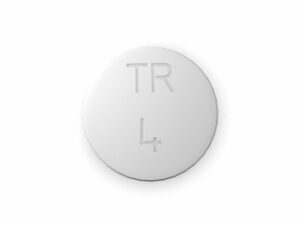


Bromocriptine (Bromocriptine Mesylate) — Patient Information (Australia)
Bromocriptine is a medicine used for several hormone-related conditions. It works mainly by affecting dopamine activity in the brain and the body. This guide is designed to help you understand what bromocriptine is used for, how it works, how it is usually taken, and what to know about common interactions and safety.
This information is general and may not replace advice from your healthcare professional. If you have questions about your specific situation, speak with a pharmacist or doctor.
Basic product information
| Feature | Details |
|---|---|
| Generic name | Bromocriptine (commonly as bromocriptine mesylate) |
| Drug class | Dopamine receptor agonist (acts on dopamine receptors, especially D2) |
| Common forms | Tablets and other brand-specific presentations (varies by supplier/brand) |
| Typical dosing style | Often started at low dose and increased gradually for tolerability |
| Areas of use | Prolactin-related conditions, some pituitary disorders, and other selected indications |
| Availability | Supply depends on local stock and scheduling; always check availability for your location |
How bromocriptine works (mechanism of action)
Bromocriptine is a dopamine receptor agonist. Dopamine is a natural chemical messenger in the body and brain. By stimulating dopamine receptors, bromocriptine can:
- Reduce prolactin release from the pituitary gland (this is central for many uses).
- Lower elevated prolactin levels that may contribute to symptoms such as irregular periods, infertility, breast milk production when not desired, or sexual dysfunction.
- Influence hormonal signalling connected to reproductive function.
- In some contexts, help control symptoms related to specific pituitary hormone conditions.
In simple terms: bromocriptine “mimics” dopamine activity, which helps rebalance hormone signals—particularly prolactin.
Pharmacokinetics (how the body handles bromocriptine)
“Pharmacokinetics” describes how the body absorbs, distributes, metabolises, and eliminates bromocriptine. While individual results vary, the main features include:
- Absorption: Absorption occurs through the gastrointestinal tract. Food may influence absorption rate (see food interactions below).
- Distribution: Bromocriptine distributes widely in the body and is highly protein-bound.
- Metabolism: It is extensively metabolised, mainly in the liver.
- Elimination: Metabolites are cleared via the body’s normal elimination pathways (primarily through bile and faeces, depending on the specific pathway).
Because metabolism involves the liver, medicines that affect liver enzymes can change bromocriptine levels. This can influence both effectiveness and side effects.
Typical uses and indications (Australia)
Bromocriptine is used for selected conditions where lowering prolactin or modifying dopamine signalling is beneficial. Indications can vary by product and local prescribing practices, but commonly include:
- Hyperprolactinaemia (high prolactin) due to pituitary causes, including prolactin-secreting pituitary adenomas.
- Galactorrhoea (inappropriate breast milk production), where relevant.
- Disorders related to elevated prolactin such as menstrual irregularity or infertility associated with high prolactin.
- Selected postpartum uses in some clinical settings to reduce milk production (for appropriate patients and circumstances).
- Other dopamine-responsive conditions depending on specialist assessment.
Your clinician may confirm the correct indication for your situation and advise the safest approach, especially if your condition involves the pituitary gland.
How to take bromocriptine: timing and practical guidance
Taking bromocriptine the right way can improve tolerability and results. Always follow the instructions provided with your specific product and the directions from your healthcare professional. If you are unsure, ask your pharmacist.
General timing principles
- Start low, go slow: Many regimens begin at a lower dose to reduce nausea, dizziness, or tiredness.
- Split dosing may be used: Depending on your regimen, your total daily dose may be divided.
- Take with consistent timing: Keeping dose times steady helps maintain consistent effects.
To reduce side effects
- Take with food if your product instructions allow it and if you experience nausea.
- Move slowly when starting therapy (e.g., from lying or sitting to standing) to reduce dizziness.
If you experience significant side effects, do not stop suddenly without medical guidance. Instead, contact your healthcare provider for dose adjustment advice.
Dosing: what is typical?
Dosing varies widely depending on the indication (prolactin-related condition, pituitary tumour type, postpartum milk suppression, and other factors). Your clinician will select a starting dose and titration schedule based on:
- Your diagnosis and symptom severity
- Age and overall health
- Other medicines you take
- Liver function and sensitivity to dopamine agonists
In many bromocriptine regimens, the approach is gradual dose escalation (for example, starting with a low daily dose and increasing over days to weeks). Some people require higher doses, while others respond to lower doses.
Because individual directions differ, this website does not provide a one-size-fits-all dosing schedule. Always use the dosing instructions on your product packaging and/or provided by your healthcare professional.
Food interactions
Food can affect bromocriptine absorption and stomach comfort. In practice:
- Nausea is a common early side effect; taking the dose with meals may help.
- Consistency matters: If you choose to take bromocriptine with food, try to take it this way each day unless your clinician advises otherwise.
- Grapefruit or fruit juices: These may affect metabolism of some drugs in certain people. If you regularly consume grapefruit products, discuss it with a pharmacist.
For the most accurate advice, follow the food instructions listed for your exact bromocriptine product.
Alcohol interactions
Alcohol can increase certain bromocriptine-related effects such as:
- Dizziness or light-headedness
- Sleepiness or impaired alertness
- Low blood pressure symptoms (especially when standing)
For these reasons, it is generally recommended to limit alcohol or avoid it, particularly during the first days of therapy or after dose increases. If you want to drink alcohol, ask your pharmacist for guidance based on your dose and other medicines.
Medicine interactions (important)
Bromocriptine can interact with other medicines, potentially affecting effectiveness or side effect risk. Let your pharmacist know about all medicines and supplements you use, including:
- Prescription and over-the-counter products
- Herbal products
- Vitamins or supplements
Key categories to consider include:
- Antipsychotics and dopamine antagonists: These may reduce bromocriptine effectiveness because they work against dopamine activity.
- Other medicines that affect blood pressure: If you take antihypertensives, bromocriptine may increase the chance of low blood pressure symptoms (e.g., dizziness on standing).
- Liver enzyme inhibitors/inducers: Because bromocriptine is metabolised in the liver, drugs that alter liver enzymes may change bromocriptine levels.
- Medicines that cause sedation: Combining with drugs that make you drowsy may increase impairment risks.
This is not a complete list. Always check interaction risk with your pharmacist, especially if you take multiple medicines.
Safety profile: common and serious side effects
Common side effects
Many people tolerate bromocriptine well, especially once doses are adjusted. Common side effects can include:
- Nausea or stomach upset
- Dizziness or light-headedness
- Headache
- Fatigue or tiredness
- Low blood pressure symptoms, particularly when standing (orthostatic hypotension)
These effects are more likely at the beginning of treatment or after increasing dose. Taking with food and starting slowly can help.
Less common but important risks
- Vomiting or severe gastrointestinal upset
- Sleepiness or episodes of sudden sleep in some people
- Behavioural or impulse-control changes (such as compulsive gambling, increased libido, binge eating, or other unusual urges) in a minority of patients
- Hallucinations or confusion (more likely at higher doses or in susceptible individuals)
- Peripheral swelling in some cases
Seek urgent medical help if
- You develop chest pain, severe shortness of breath, or fainting
- You have severe headache or neurological symptoms that concern you
- There are signs of a serious allergic reaction (e.g., facial swelling, rash with breathing difficulty)
If you experience troubling symptoms, contact your healthcare professional promptly for advice.
Practical use tips for daily life
- Take it the same way each day: Choose a consistent timing and whether you take with food, as appropriate.
- Be careful when standing: Rise slowly, especially at the start of therapy.
- Plan for nausea: If nausea occurs, consider taking with food (if allowed) and avoiding large fatty meals.
- Monitor mood and behaviour: Pay attention to unusual urges or changes in behaviour and report them early.
- Driving and machinery: If bromocriptine makes you drowsy, dizzy, or affects alertness, avoid driving or operating machinery until you know how you respond.
- Regular follow-up: For prolactin-related conditions, periodic blood tests or specialist review may be needed to assess response.
- Don’t stop suddenly: Abrupt changes may worsen symptoms or create instability; discuss any changes with your clinician.
Special considerations
Pregnancy and breastfeeding (general guidance)
Bromocriptine may be relevant to certain postpartum situations and may be used under specialist direction for fertility-related issues. If you are pregnant, trying to conceive, or breastfeeding, discuss the safest approach with your healthcare professional.
Pituitary conditions
For conditions involving the pituitary gland, monitoring is often part of care. If you experience symptoms like persistent severe headaches, vision changes, or neurological symptoms, seek medical advice urgently.
Liver or kidney impairment
Dose adjustments and closer monitoring may be necessary depending on liver function. Inform your pharmacist if you have any history of liver disease.
Alternative options
Depending on your indication, alternatives to bromocriptine may include other dopamine agonists or different treatments. Your healthcare professional will choose based on effectiveness, tolerability, and your medical history.
- Cabergoline: Another dopamine agonist often used for prolactin-related conditions; dosing schedules may differ.
- Quinagolide (where available): Used in some regions for hyperprolactinaemia; availability can vary.
- Surgery or radiotherapy: Considered in selected pituitary cases, particularly if medicines are not suitable or response is inadequate.
- Endocrinology-led monitoring: Some cases may involve a broader plan including targeted hormone management.
Don’t switch between medicines without advice, as dose conversion and response patterns differ.
Market and legal context for Australia (general)
In Australia, medicines are supplied according to the current Therapeutic Goods Administration (TGA) scheduling and product-specific instructions. Availability and how you obtain bromocriptine can vary based on:
- The exact brand and strength
- TGA scheduling category
- Your eligibility and required documentation at the time of purchase
- Stock levels and distribution arrangements
For online pharmacies, supply practices must align with Australian privacy, consumer protection, and safety requirements. If you are unsure about product classification or required steps, contact customer support before placing an order.
Recent guidance and what to watch for
Over time, clinical guidance for dopamine agonists may evolve based on new safety information and prescribing practices. While individual recommendations differ, the most important “current” themes for bromocriptine safety generally include:
- Monitoring for behavioural and impulse-control changes in patients taking dopamine agonists.
- Careful dose escalation to reduce nausea, dizziness, and low blood pressure.
- Assessing sleepiness and advising caution with driving and hazardous tasks.
- Reviewing interacting medicines (particularly those affecting dopamine pathways or liver metabolism).
Always follow the instructions for the specific bromocriptine product you receive, and ask your pharmacist if you want a review of your current medicines for interaction risk.
Delivery and availability (Australia)
Availability can vary by strength, brand, and pharmacy supplier. When ordering online:
- Check stock status: Some products may be available immediately, while others may require ordering from suppliers.
- Delivery timeframes: Shipping times depend on location and courier services.
- Packaging: Products are typically supplied in tamper-evident packaging with clear labelling.
- Cold chain: Bromocriptine tablets typically do not require refrigeration, but always follow the storage conditions on the label.
If you need bromocriptine urgently, contact the pharmacy team to confirm the most reliable delivery option.
Storage
- Store at room temperature unless your product label specifies otherwise.
- Keep in the original package to protect from light and moisture.
- Keep out of reach of children.
FAQ — Bromocriptine
1) What is bromocriptine used for?
Bromocriptine is primarily used for conditions related to high prolactin levels and certain hormone disorders where reducing prolactin is helpful. It may be used in selected postpartum situations and other dopamine-responsive conditions under specialist guidance.
2) When should I take bromocriptine?
It depends on your prescribed regimen. Many patients take doses at consistent times each day. If nausea occurs, taking with food (where appropriate) may improve tolerability.
3) Can I take bromocriptine with food?
Food may help reduce stomach upset. However, the exact instruction can vary by product. Follow the food guidance on your specific label and/or pharmacist instructions.
4) Is it safe to drink alcohol while taking bromocriptine?
Alcohol may worsen dizziness, drowsiness, and low blood pressure symptoms. It’s generally best to limit alcohol or avoid it, especially during the early phase of treatment or after dose changes.
5) What should I do if I miss a dose?
Take it as soon as you remember unless it is close to the next dose. Do not take double doses to make up for a missed dose. If you are unsure, ask your pharmacist for advice tailored to your schedule.
6) What side effects are most common?
Common side effects include nausea, dizziness, headache, fatigue, and symptoms of low blood pressure (particularly when standing). These are often more noticeable at the beginning and improve as your body adjusts and the dose is optimised.
7) Who should be extra careful with bromocriptine?
People with a history of low blood pressure, liver impairment, significant psychiatric history, or those taking medicines that interact with dopamine pathways should discuss risk with a pharmacist or doctor before starting.
8) Can bromocriptine affect driving?
Yes, it can cause dizziness or sleepiness in some people. If you feel drowsy or light-headed, avoid driving and operating machinery until you know how bromocriptine affects you.
9) Are there alternatives if I can’t tolerate bromocriptine?
Alternatives may include other dopamine agonists such as cabergoline, depending on the condition and availability. Your clinician can advise on the best option based on your symptoms and side-effect profile.
10) Where can I get reliable information specific to my product?
The product packaging and the Consumer Medicine Information (CMI) document provide detailed guidance for your specific brand and strength. Your pharmacist can also help interpret instructions and review interactions.
Remember: If you experience significant side effects or symptoms that worry you, contact your healthcare professional promptly. For day-to-day advice and interaction checks, your pharmacist is often the best first point of contact.