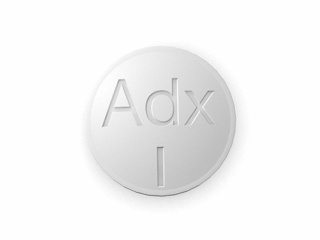


Arimidex (Anastrozole) – Patient Information (Australia)
Arimidex is a brand of anastrozole, a medicine used to treat certain hormone-sensitive breast cancers. It belongs to a group of medicines called aromatase inhibitors. By lowering oestrogen levels in the body, Arimidex helps reduce the growth and spread of oestrogen-dependent tumour cells.
This page is written to be patient-friendly and provides general information about how Arimidex works, how it is commonly used, important safety considerations, and practical tips. Always follow the specific instructions provided by your treating team.
Quick Facts
- Medicine name: Arimidex
- Active ingredient: Anastrozole
- Type: Aromatase inhibitor (hormone therapy)
- Common uses: Hormone receptor–positive breast cancer in postmenopausal women (and sometimes other settings per clinician assessment)
- Typical dose (adults): 1 mg once daily
- Availability (Australia): Supplied via prescription through community pharmacies
What is Arimidex?
Arimidex (anastrozole) is an oral medicine taken by mouth. It reduces the production of oestrogen by blocking an enzyme called aromatase. Lowering oestrogen helps stop or slow the growth of oestrogen receptor–positive breast cancers.
It is commonly used in the treatment of breast cancer in postmenopausal women. Your doctor will determine the most appropriate option based on your cancer type, stage, and previous treatments.
Mechanism of Action
Oestrogen is a hormone that can promote the growth of some breast cancers. In many postmenopausal women, most oestrogen is produced through the conversion of androgens to oestrogens by the enzyme aromatase.
Anastrozole works by inhibiting aromatase, which reduces oestrogen synthesis. This leads to lower circulating oestrogen levels, helping to prevent tumour stimulation by oestrogen.
Key takeaway: Arimidex lowers oestrogen, which can help control hormone-sensitive breast cancer.
Indications (When Arimidex is Used)
Indications may vary depending on individual clinical factors and evolving treatment guidelines. Common uses include:
- Early breast cancer (hormone receptor–positive) to reduce the risk of recurrence after initial surgery (adjuvant therapy).
- Advanced or metastatic breast cancer (oestrogen receptor–positive) in women where oestrogen-lowering therapy is appropriate.
- Other hormone-sensitive settings where aromatase inhibition is considered appropriate by a clinician.
Your prescriber may consider prior therapies (such as tamoxifen, surgery, radiotherapy, or chemotherapy) and your overall health when deciding whether anastrozole is suitable.
How Arimidex is Taken (Typical Dosing and Timing)
For adults, a common regimen is:
| Aspect | Typical information |
|---|---|
| Usual dose | 1 mg by mouth once daily |
| Frequency | Once a day, preferably at the same time each day |
| Timing | Any time of day; consistency is helpful for adherence |
| With or without food | Can be taken with or without food (see food interactions section) |
Missing a dose: If you miss a dose, take it as soon as you remember on the same day. If it’s close to the time of the next dose, skip the missed dose and resume your normal schedule. Do not take a double dose.
Stopping early: Do not stop Arimidex without speaking to your treating team, as hormone therapy is often taken for months to years depending on the indication.
Pharmacokinetics (How the Body Handles Arimidex)
Pharmacokinetics describes what the body does to a medicine—how it is absorbed, distributed, metabolised, and eliminated.
- Absorption: Anastrozole is absorbed after oral dosing. Peak blood levels are typically reached within about 2 hours after taking a dose.
- Metabolism: It is metabolised mainly in the liver through metabolic pathways that produce inactive metabolites.
- Elimination: Metabolites are removed primarily through the kidneys (urine).
- Half-life: The elimination half-life is approximately around 40–50 hours (varies among individuals), supporting once-daily dosing.
- Steady state: Levels become more stable after repeated daily dosing (often within about a week or so), depending on individual factors.
These features support a once-daily schedule. Your clinician may adjust the plan if you have liver or kidney issues.
Food Interactions
Food does not significantly affect the overall effectiveness of anastrozole. Arimidex can generally be taken with or without food. Taking it with a meal may help some people reduce stomach discomfort, but it is not required.
Practical tip: Choose a routine time that fits your day—for example, after breakfast or at night—so you remember consistently.
Alcohol Interactions
There is no widely established direct “prohibited” alcohol interaction with anastrozole for most patients. However, alcohol can still affect health in several ways relevant to breast cancer care:
- Liver health: Since anastrozole is metabolised in the liver, heavy alcohol use may increase strain on the liver.
- Side effects: Alcohol may worsen fatigue, dizziness, hot flushes, or sleep disruption in some people.
- Bone health: Excess alcohol can contribute to reduced bone density over time, which is important because aromatase inhibitors can increase bone thinning risk.
Guidance: If you drink alcohol, consider keeping it moderate and discuss your intake with your clinician—especially if you have liver concerns or osteoporosis risk.
Medicine Interactions (Important)
Interactions can occur when medicines affect each other’s absorption, metabolism, or side-effect profiles. Share a complete list of your medicines and supplements with your pharmacist or treating team.
Notable interaction considerations:
- Hormonal therapies: Medicines containing oestrogen (including certain hormone replacement therapies) may reduce the effectiveness of anastrozole. Also, avoid “hormone” supplements without medical advice.
- Tamoxifen: Tamoxifen can potentially interfere with aromatase inhibitor effectiveness. Clinicians generally avoid combining them unless there is a specific plan.
- CYP-related medicines: Anastrozole is metabolised in part by liver enzyme pathways (CYP systems). Some medicines that strongly affect these enzymes could alter drug levels. Your pharmacist can assess known interactions based on your medication list.
- Bone health medicines: If you’re taking supplements or medicines for bone density (e.g., calcium/vitamin D or osteoporosis treatments), they may be complementary, but dose and suitability should be confirmed.
- Other cancer therapies: Combination regimens depend on the treatment plan; interactions may be specific to which medicines are used together.
Tell your pharmacist: If you take medicines such as some anti-inflammatories long term, anticoagulants, antidepressants, seizure medicines, or herbal products. Herbal supplements can also interact.
Safety Profile (What to Expect and When to Seek Help)
Like all medicines, Arimidex may cause side effects. Many are manageable, but some require urgent attention. The safety profile can vary by person and by dose duration.
Common Side Effects
- Hot flushes
- Joint and muscle pain (arthralgia/myalgia)
- Headache
- Fatigue
- Nausea or mild gastrointestinal upset
- Swelling (sometimes in hands/feet)
- Vaginal dryness or changes in vaginal comfort
- Skin changes (e.g., rash in some cases)
Bone and Metabolic Risks
Because Arimidex lowers oestrogen, it can increase the risk of bone thinning (osteoporosis) and fractures over time. Monitoring bone density may be recommended, and preventive strategies are often advised.
- Bone mineral density checks may be performed
- Calcium and vitamin D may be suggested if your diet is insufficient
- Weight-bearing exercise and lifestyle measures can help support bone health
Serious Side Effects (Seek Medical Advice Urgently)
Contact a healthcare professional promptly if you experience:
- Signs of severe allergic reaction (e.g., swelling of face/lips, difficulty breathing, widespread rash)
- Severe or persistent chest pain, shortness of breath, or signs of blood clots
- Unexplained severe pain, swelling, or neurological symptoms
- Significant worsening of symptoms or any concerning change in health
- Marked liver issues (e.g., yellowing of eyes/skin, dark urine) — uncommon but important
For emergencies, call local emergency services immediately.
Practical Use Tips (How to Get the Best Results)
- Set a daily routine: Take your tablet at the same time each day. Use a phone reminder or pill organiser.
- Manage joint pain: Gentle stretching, low-impact exercise (e.g., walking, swimming), and discussing pain relief options with your pharmacist may help.
- Support bone health: Ask whether you need a bone density scan (DEXA) and discuss calcium/vitamin D intake.
- Plan for vaginal dryness: Consider non-hormonal moisturisers/lubricants and ask your clinician about suitable options. Avoid using hormone products unless specifically advised.
- Track symptoms: Hot flushes, fatigue, mood changes, and pain can vary. Keeping a brief symptom diary can help your team adjust supportive care.
- Bring your list of medicines: When you pick up a supply, review your current medicines and supplements with your pharmacist for interaction checks.
Typical Treatment Duration
The length of therapy varies based on cancer stage and response, and can range from months to several years. Your clinician will recommend a plan tailored to your diagnosis and overall treatment schedule.
Alternative Options (If Arimidex Isn’t Suitable)
Treatment choices depend on cancer type, previous therapies, age/menopausal status, bone health, and tolerance. Alternatives may include:
- Other aromatase inhibitors: Such as letrozole or exemestane (each has a different profile and dosing schedule).
- Tamoxifen: A different type of hormone therapy, sometimes used before or instead of aromatase inhibition.
- Hormone receptor–targeted strategies: In some cases, additional or alternative systemic therapies may be used alongside hormone therapy.
- Supportive care adjustments: If side effects are challenging, clinicians may adjust supportive treatments (e.g., pain management or bone-protective therapy) while continuing the hormone plan when appropriate.
If you experience side effects or have concerns, speak with your treating team rather than stopping suddenly.
Market and Legal Context for Australia
In Australia, medicines like Arimidex are regulated under the Australian regulatory framework administered through the TGA (Therapeutic Goods Administration). Supply of prescription medicines is generally limited to appropriate channels to ensure safety and correct use.
Community pharmacies typically require valid documentation according to Australian requirements. For the most accurate information about availability, packaging, and product strength, consult your local pharmacy or the dispensing process used by your healthcare provider.
Recent Guidance and Clinical Monitoring (General)
Treatment guidance for hormone receptor–positive breast cancer evolves as new evidence emerges. Common ongoing themes in care include:
- Bone monitoring: Bone density assessment and prevention strategies are often considered when using aromatase inhibitors.
- Side-effect management: Clinicians often manage joint symptoms, hot flushes, and vaginal dryness using supportive care and lifestyle strategies.
- Cardiovascular risk awareness: Monitoring of overall health factors (e.g., blood pressure, cholesterol, smoking status) may be part of survivorship care.
Your healthcare team may also review your medicines periodically and adjust supportive therapies based on how you’re responding and how you’re tolerating treatment.
Delivery and Availability (Online Pharmacy Information)
Availability can vary depending on stock levels and prescribing/dispensing requirements. When ordering online, you’ll typically be guided through the correct supply process before delivery.
- Delivery times: Delivery timeframes depend on your location and pharmacy dispatch schedules.
- Packaging: Medicines are supplied in appropriate pharmacy packaging with patient information as required.
- Product verification: Quality-controlled supply ensures the correct product and strength are provided.
If you need urgent medication, contact customer support before placing an order so the pharmacy can advise on expected dispatch and delivery.
FAQ (Frequently Asked Questions)
1) What is Arimidex used for?
Arimidex (anastrozole) is used to treat hormone receptor–positive breast cancer in settings determined by your clinician, most commonly for postmenopausal patients. It works by lowering oestrogen levels.
2) How long does Arimidex take to work?
Oestrogen levels can drop relatively quickly after starting treatment. The full benefit depends on the treatment duration and the cancer’s biology. Your clinician will schedule follow-ups and monitoring over time.
3) Can I take Arimidex with food?
Yes. Arimidex can be taken with or without food. Choose what suits you best.
4) What if I forget a dose?
Take it when you remember on the same day. If it’s near the next dose, skip the missed dose and continue your normal schedule. Do not take a double dose.
5) What side effects are most common?
Common side effects include hot flushes, joint and muscle pain, fatigue, headache, nausea, and vaginal dryness. Bone thinning can also occur over time.
6) Should I avoid alcohol?
Moderate alcohol may be possible for some people, but heavy alcohol intake may not be advisable—particularly due to liver strain and bone health considerations. Discuss your alcohol intake with your healthcare team.
7) Does Arimidex interact with other medicines?
Yes, interactions are possible. Tell your pharmacist about all medicines and supplements you use, including herbal products. Special attention is needed for hormonal therapies and some liver enzyme–related medicines.
8) Can I take Arimidex if I’m premenopausal?
Arimidex is primarily used in postmenopausal settings. Use in other circumstances depends on clinical evaluation. Your doctor will determine suitability based on menopausal status and treatment plan.
9) How can I reduce joint pain from Arimidex?
Staying active with gentle exercise, stretching, adequate hydration, and discussing pain management options with your pharmacist or clinician can help. If pain becomes severe, seek medical advice—your treatment plan may be reviewed.
10) What bone protection strategies are commonly used?
Many patients are advised to monitor bone density and ensure adequate calcium and vitamin D intake, along with weight-bearing exercise. In some cases, additional osteoporosis treatments may be considered depending on risk factors.
Summary
Arimidex (anastrozole) is an aromatase inhibitor that helps lower oestrogen levels, which is beneficial for certain hormone-sensitive breast cancers. It is typically taken once daily, with or without food. While many patients tolerate it well, side effects such as hot flushes, joint pain, and vaginal dryness can occur. Over time, it may increase the risk of bone thinning, so bone monitoring and preventive strategies are often important.
If you have questions about your personal treatment plan, side effects, or interactions with your other medicines, speak with your pharmacist or treating clinician.