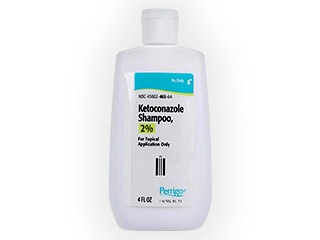
Nizoral Shampoo (Ketoconazole 2%)
Nizoral Shampoo contains ketoconazole 2% and is used to treat certain fungal-related scalp conditions. It is commonly recommended for dandruff and other seborrhoeic (yeast-associated) scalp problems. This guide explains how it works, how to use it, what to expect, and important safety information for adults and (where appropriate) children.
This information is written for customers in Australia to help you understand the medicine before use. Always follow the directions provided with your product and consult a healthcare professional if you have questions, especially if you are pregnant, breastfeeding, or treating a child.
Quick product facts
| Product | Active ingredient | Strength | Form | Common scalp conditions |
|---|---|---|---|---|
| Nizoral Shampoo | Ketoconazole | 2% | Medicated shampoo | Dandruff, seborrhoeic dermatitis, Malassezia-related conditions |
What Nizoral Shampoo is used for
Ketoconazole 2% shampoo helps treat scalp problems that are often linked to a yeast called Malassezia. These conditions typically involve inflammation, itch, and flaking.
Common indications
- Dandruff (pityriasis capitis): white or grey flakes, scalp itch, and sometimes mild redness.
- Seborrhoeic dermatitis: more persistent flaking and irritation, often around the scalp.
- Malassezia-related scalp infections/overgrowth: when a healthcare professional suggests an antifungal shampoo.
If your scalp condition is severe, painful, oozing, or associated with hair loss, see a clinician to confirm the cause. Scalp symptoms can resemble other conditions (for example, psoriasis or eczema).
How it works (mechanism of action)
Ketoconazole is an antifungal medicine. It works by interfering with the production of ergosterol, an important component of fungal cell membranes. When ergosterol production is reduced, fungal cells cannot maintain their membranes properly, which helps control yeast growth.
In dandruff and seborrhoeic dermatitis, ketoconazole helps:
- Reduce the amount of Malassezia on the scalp
- Lessen inflammation and itching
- Decrease flaking and scaling
- Improve scalp comfort over time
Pharmacokinetics (what happens in the body)
Because Nizoral Shampoo is applied to the scalp, only small amounts of ketoconazole are expected to be absorbed through the skin under typical use. In most people, systemic absorption is low.
The degree of absorption can increase if the scalp has:
- Broken skin or significant irritation
- Large treatment areas for extended periods
- Frequent overuse beyond recommended directions
Overall, for properly directed use, ketoconazole from the shampoo is generally not expected to reach levels associated with major systemic effects. However, it’s still important to use it correctly and avoid getting it into the eyes.
Typical dosing and treatment timing
Dosing can vary depending on the condition and severity. Always follow the instructions on your product label or those given by your healthcare professional.
Typical adult and adolescent use (general guidance)
- Usually: apply to the scalp 2–3 times per week for initial control.
- Leave on: often 3–5 minutes before rinsing thoroughly.
- Maintenance (if needed): reduce frequency (commonly once weekly or as directed) to help prevent relapse.
What to expect (timeline of results)
- Early improvement: some itch and flaking may improve within 1–2 weeks.
- Best results: full benefit may take 2–4 weeks of consistent use.
- Relapse is common: dandruff and seborrhoeic dermatitis often return if treatment is stopped too early, so maintenance use may be helpful.
If there is no improvement after a few weeks of correct use, stop and seek advice to confirm the diagnosis and treatment plan.
Step-by-step: how to use Nizoral Shampoo
- Wet your scalp thoroughly.
- Apply the shampoo to the scalp. Massage gently with your fingertips.
- Leave it on for the recommended time. Avoid letting it drip into the eyes.
- Rinse well. Rinse until the shampoo is fully removed.
- Dry your hair as normal. You may use conditioner on hair lengths, avoiding the scalp if advised.
Practical tips for better results
- Be consistent: use as scheduled rather than “when symptoms are worst”.
- Focus on the scalp: apply the shampoo mainly to affected areas (not only the hair strands).
- Keep contact time: leaving it on for the recommended minutes improves antifungal effect.
- Avoid eye contact: rinse eyes immediately with water if accidental exposure occurs.
- Don’t overuse: more frequent washing does not necessarily improve outcomes and may irritate the scalp.
- Wash combs/brushes: if you use scalp brushes or combs, cleaning them may help reduce reinoculation.
- Consider triggers: stress, cold weather, and certain hair products can worsen dandruff in some people.
Food interactions
Nizoral Shampoo is a topically applied product, and most of the ketoconazole acts locally on the scalp. Therefore, food interactions are not expected to be clinically significant for this shampoo.
If you are using other forms of ketoconazole (such as oral therapy) or have complex medication regimens, ask your pharmacist or doctor for advice. For the shampoo alone, food timing is generally not relevant.
Alcohol and medicine interactions
Alcohol
Because systemic absorption from the shampoo is expected to be low with appropriate use, alcohol is not expected to have a meaningful interaction with Nizoral Shampoo.
Other medicines (topical and oral)
Significant interactions are not commonly expected with ketoconazole shampoo due to limited absorption. However, consider the following:
- Other scalp treatments: if you use medicated scalp lotions, steroid solutions, or keratolytic products, spacing them may reduce irritation. Follow product directions or ask a pharmacist for advice.
- Scalp irritation: using multiple irritant products together may cause redness or dryness.
- Oral ketoconazole or strong enzyme inhibitors/inducers: these are not typical for shampoo use. If you are taking any antifungal or complex systemic medicines, discuss with a healthcare professional for personal advice.
If you notice unexpected burning, severe rash, swelling, or worsening symptoms, stop using the shampoo and seek medical advice.
Safety profile and side effects
Most people tolerate ketoconazole shampoo well. As with any medicine, side effects can occur. The majority of effects are local to the scalp.
Common (usually mild) side effects
- Scalp dryness or irritation
- Itchiness or redness
- Burning/stinging sensation (especially if scalp is sensitive)
- Hair texture changes (temporary) or increased dryness
- Temporary changes to scalp feel (tightness or sensitivity)
Less common but important reactions
- Allergic reactions (for example, rash, hives, swelling)
- Severe dermatitis
- Contact irritation (especially around the eyes or if left on too long)
When to seek urgent help
Seek urgent medical attention if you experience signs of a serious allergy, such as:
- Swelling of the face, lips, or throat
- Difficulty breathing
- Widespread hives or severe rash
Who should be extra cautious
- Children: use in children should follow product directions and professional advice where required. The correct frequency and duration may differ.
- People with sensitive skin: start gently and watch for irritation.
- Those with eczema or open skin lesions: ketoconazole may sting if applied to broken or inflamed skin.
- Eye exposure: avoid contact. Rinse immediately if it gets into eyes.
Missed dose and overuse
- Missed dose: if you miss a scheduled wash, use it at the next planned time. Do not double up.
- Overuse: using too often may increase irritation and dryness without improving results. If irritation occurs, reduce frequency or pause and seek advice.
Alternative options for dandruff and seborrhoeic dermatitis
If Nizoral Shampoo is not suitable or doesn’t fully control symptoms, other treatments may help. Your pharmacist or doctor can recommend the best option based on your scalp and severity.
Common alternative medicated shampoos (examples)
- Zinc pyrithione shampoos (may help reduce flakes and inflammation)
- Selenuim sulphide products (reduce yeast and scaling in some people)
- Salicylic acid shampoos (help loosen thick scale for easier removal)
- Coal tar preparations (can reduce scaling; may have a strong odour)
- Ketoconazole alternatives (depending on availability and strength)
For stubborn or inflamed cases, doctors may also use topical anti-inflammatory treatments. If symptoms persist, getting an accurate diagnosis is important.
Australia: market and legal context
In Australia, availability of medicines and their classification can vary by ingredient and strength. For ketoconazole shampoo, product supply may differ between pharmacies and retailers depending on local regulations at the time of purchase.
Your selected online pharmacy listing will include the relevant product details, approved indications, and instructions for use. Always check the specific pack you receive, as formulations may vary slightly between brands or sizes.
Safety and quality: purchase only from reputable Australian suppliers who comply with regulatory requirements. If you are unsure whether a product is legitimate, contact the pharmacy or consult an approved healthcare provider.
Recent guidance and practical updates
Treatment of dandruff and seborrhoeic dermatitis generally emphasises:
- Correct diagnosis: ensure flakes and irritation are consistent with dandruff/dermatitis, not psoriasis or infection.
- Appropriate contact time: letting antifungal shampoos sit on the scalp improves effectiveness.
- Maintenance therapy: many people require intermittent use to prevent relapse.
- Managing irritation: if the scalp becomes too dry, reduce frequency and consider gentler supportive hair care.
If you’re using other scalp medications (for example, steroid solutions), follow the plan provided by your clinician and avoid layering multiple products without guidance.
Delivery and availability (Australia)
Nizoral Shampoo (ketoconazole 2%) is typically available through approved pharmacy channels. Availability can depend on stock levels, pack size, and local distribution. When ordering online, your delivery options and dispatch times will be shown at checkout.
Helpful tips before ordering:
- Check the pack size and expiry date on the listing.
- Confirm that the product is ketoconazole 2% shampoo.
- If you’re treating a recurring condition, consider purchasing enough for both initial treatment and maintenance.
If you need urgent advice about whether the product is suitable for your situation, contact the pharmacy before placing your order.
Frequently asked questions (FAQ)
1) How long should I leave Nizoral Shampoo on my scalp?
Common guidance is to leave it on for about 3–5 minutes before rinsing well. Use the time specified on your pack and avoid getting it into the eyes.
2) How often should I use it for dandruff?
Many people use ketoconazole 2% shampoo 2–3 times per week initially, then reduce frequency once symptoms improve (often to weekly maintenance). Your label instructions may differ based on the product.
3) When will I see results?
Some improvement may occur in 1–2 weeks, with better control often within 2–4 weeks. If there is no improvement after a few weeks of correct use, seek advice.
4) Can I use conditioner after the shampoo?
Yes—conditioner can be used on your hair lengths. To minimise scalp irritation, consider applying conditioner away from the scalp unless the product instructions suggest otherwise.
5) Is it safe to use on children?
Children may use antifungal shampoos, but the correct frequency and suitability depend on age and symptoms. Follow the product directions and seek pharmacist/medical advice if you are unsure.
6) Can I use it with other hair products?
Generally yes, but avoid stacking multiple medicated or strongly irritating products on the scalp at the same time. If your scalp becomes red or itchy, reduce additional products and consider spacing treatments.
7) Does food affect ketoconazole shampoo?
Food interactions are not expected to be clinically relevant for this topical shampoo. Use it according to directions regardless of meals.
8) Is there an alcohol interaction?
With appropriate shampoo use, significant alcohol interactions are not expected. If you are taking systemic medications or have liver-related concerns, discuss with your healthcare professional for personal advice.
9) What if my scalp burns or gets worse after using it?
Mild temporary irritation can happen. If burning is significant, symptoms worsen, or you develop swelling or rash, stop use and seek medical advice.
10) What if I stop using it—will dandruff come back?
Dandruff often returns if treatment is stopped. Many people benefit from maintenance use (for example, once weekly) or as recommended. Consistent long-term management can reduce flares.
11) Are there alternatives if ketoconazole shampoo doesn’t work?
Yes. Depending on your scalp condition, alternatives may include zinc pyrithione, selenium sulphide, salicylic acid, coal tar, or other targeted therapies. A pharmacist can help you choose based on your symptoms.
Important reminders
- Follow the label: dosing frequency and leave-on time may vary by product.
- Avoid eyes: rinse with water if accidental exposure occurs.
- Don’t use more than needed: overuse may irritate the scalp.
- Get medical advice if concerned: persistent, severe, or painful scalp problems may need diagnosis and tailored treatment.
If you have any questions about Nizoral Shampoo (ketoconazole 2%) availability, dosing, or whether it’s appropriate for your scalp symptoms, speak with a qualified healthcare professional or your local pharmacy.