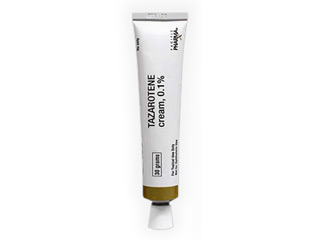
Tazorac (Tazarotene) – Patient Information (Australia)
Note: This page is written to help you understand how Tazorac (tazarotene) works, how it is commonly used, and what to consider for safe use. Always follow the instructions provided by your healthcare professional and the product label.
1) Basic product information
- Medicine name: Tazorac
- Active ingredient: Tazarotene
- Type: Topical retinoid (a vitamin A–related medicine applied to the skin)
- Common strengths: Tazorac is available in different strengths depending on the product/market packaging (often 0.05% and 0.1%). Availability can vary.
- Forms: Cream or gel (formulation varies by product)
- Therapeutic class: Keratolytic / comedolytic / anti-inflammatory retinoid
- For use: Applied to affected areas of skin for specific conditions
2) How Tazorac works (mechanism of action)
Tazarotene is a topical retinoid. After application, it helps normalise skin cell turnover and reduces processes that lead to clogged pores and rough, inflamed skin.
While details vary by condition, tazarotene generally:
- Normalises keratinisation (helps prevent overly rapid build-up of skin cells)
- Reduces comedones (helps improve blackheads/whiteheads in acne)
- Improves skin texture by promoting healthier shedding of dead skin cells
- Can reduce inflammation by modulating pathways involved in skin irritation
3) Pharmacokinetics (what the body does with it)
Tazarotene is applied to the skin. After absorption through the skin, it is converted into an active metabolite.
- Absorption: Absorption through the skin is generally limited. Factors such as amount applied, skin condition (e.g., broken/irritated skin), and use on larger areas may influence absorption.
- Metabolism: Tazarotene is metabolised in the body (primarily to an active metabolite).
- Elimination: Metabolites are eliminated mainly via urine and faeces.
- Systemic exposure: Levels are generally low when used as directed, but irritation and increased absorption may occur if applied excessively or to compromised skin.
4) Typical uses (indications)
Tazorac/tazarotene is used for skin conditions where retinoid therapy is appropriate. Indications depend on product strength and local prescribing practices.
Common indications include:
- Acne vulgaris (for example, mild to moderate acne depending on severity and guidance)
- Plaque psoriasis (often for limited areas, depending on clinical assessment)
- Other dermatological conditions may be considered under clinician guidance depending on product licence and local guidance
Important: If you are using Tazorac for a specific diagnosis, use it only for that condition and the exact area instructed.
5) Timing and how to use it
Tazorac is commonly applied once daily, often in the evening. Many people find night application reduces interference with daytime sun exposure.
Step-by-step practical routine
- Cleanse: Wash gently with a mild cleanser and pat the skin dry.
- Wait until fully dry: Apply only when skin is completely dry to reduce stinging/irritation.
- Apply a thin layer: Use enough to cover the affected area lightly (do not rub aggressively).
- Avoid sensitive areas: Keep away from eyes, lips, corners of the nose, and mucous membranes.
- Use moisturiser: If dryness occurs, a moisturiser can be applied after (or sometimes before) Tazorac depending on tolerance.
- Wash hands: After applying, wash hands thoroughly unless your hands are the treated area.
How long until you see results?
- Initial changes: Irritation or redness may appear early, often within the first 1–2 weeks.
- Skin improvement: For acne, improvement may take several weeks; for psoriasis, changes may be gradual.
- Consistency matters: Follow the recommended schedule rather than increasing frequency to “speed it up”.
6) Food interactions
Topical medicines like Tazorac are not usually associated with food interactions because they are applied to the skin and systemic absorption is limited.
However, general considerations still apply:
- If your healthcare professional has advised avoiding certain foods due to another condition or medication, follow their advice.
- Do not apply Tazorac to areas of skin that are affected by other treatments (for example, waxing, chemical peels, or sunburned skin) without professional guidance.
7) Alcohol and medicine interactions
Alcohol: There is no well-established direct interaction between topical tazarotene and alcohol. The main “interaction” for retinoids is usually about skin irritation and overall skin sensitivity, which can be indirectly affected by dehydration or skin-barrier disruption. If you notice increased irritation after alcohol, consider moisturising and avoiding excessive sun.
Other medicines (topical): Using Tazorac together with other skin-irritating products may increase dryness, redness, or burning.
- Be cautious with: products containing strong exfoliants (e.g., high-strength acids), benzoyl peroxide (may be used in some acne routines but can increase irritation), or other retinoids.
- Consider spacing products: If you use additional acne/psoriasis treatments, separate them in time (e.g., different nights) if your clinician or pharmacist recommends.
- Sun protection matters: Sunscreens and gentle moisturisers reduce irritation and may help prevent post-inflammatory pigment changes.
Oral medicines: Because systemic absorption is limited, significant interactions are less common than with oral retinoids. Still, it’s sensible to inform your pharmacist about all medicines you use, including supplements and other topical treatments.
8) Dosing guidance (general information)
Dosing must match your specific diagnosis, product strength, and tolerance. Below is general guidance; your healthcare professional may adjust it.
| Condition | Typical dosing frequency | Common approach to starting | Maximum/adjustment |
|---|---|---|---|
| Acne vulgaris | Often once daily (commonly evening) | Start with a thin layer; some people begin at a lower strength or alternate nights to reduce irritation | Do not increase frequency beyond what is recommended; increase only if advised and tolerated |
| Plaque psoriasis | Often once daily (commonly evening) | Thin layer on affected plaques; moisturiser may be used to support skin barrier | Adjust based on response and irritation; avoid excessive application |
| Other uses | As directed for the specific condition | Follow the product-specific instructions | Only use as directed |
Starting if you have sensitive skin
- Consider “less often at first” (for example, every second night) if irritation occurs—this may improve adherence.
- Use a moisturiser regularly.
- Avoid applying to eczematous, sunburnt, or broken skin.
What if you miss a dose?
- Apply the next dose at the usual time.
- Do not apply extra to make up for the missed dose.
9) Safety profile and side effects
Like all topical retinoids, tazarotene can cause local skin reactions. Many side effects are related to irritation and can improve with correct use and moisturising.
Common side effects
- Dryness or flaking
- Redness
- Burning or stinging
- Itching
- Peeling or skin tightness
Less common but important reactions
- Severe irritation or painful inflammation
- Swelling or blistering
- Allergic-type reactions (rare)
When to seek medical advice promptly
- Severe swelling, blistering, or intense burning
- Signs of infection at treated areas (worsening pain, pus, spreading redness)
- Eye irritation (if accidentally applied near eyes)
10) Practical use tips (to minimise irritation and get the best results)
Skin care routine suggestions
- Use a gentle cleanser (avoid harsh scrubbing).
- Moisturise with a non-comedogenic moisturiser.
- Introduce gradually if you are new to retinoids.
- Use sunscreen daily: retinoid-treated skin may be more sun-sensitive.
- Apply to dry skin after washing.
- Use the “pea-sized” approach for smaller areas (you typically need only a thin layer).
Avoid common mistakes
- Applying too much (can increase irritation without improving results)
- Using on wet skin (increases stinging)
- Combining with strong exfoliants without guidance
- Over-treating irritated areas during flares
Sun exposure and weather
- Use sunscreen and protective clothing.
- Cold, windy weather can worsen dryness—consider a richer moisturiser.
- During heatwaves, watch for more irritation; adjust your skincare routine if needed.
11) Alcohol and retinoid caution (skin-focused)
While alcohol does not commonly interact directly with topical tazarotene, alcohol may contribute to overall dehydration and can make skin feel drier or more sensitive in some people. The key is to focus on skin barrier care:
- Hydrate and use moisturiser
- Protect from sun
- Avoid additional irritants (strong acids/exfoliants) during times when you notice increased dryness
12) Alternative options for acne or psoriasis
If tazarotene isn’t suitable due to irritation, preference, or product availability, there are other treatment approaches. Choice depends on your condition, severity, and skin type.
For acne
- Topical retinoids: e.g., adapalene or tretinoin (availability and strength depend on local products)
- Benzoyl peroxide (often used for inflammatory acne)
- Topical antibiotics in selected cases (under clinician guidance)
- Azelaic acid (can help with acne and redness in some people)
For plaque psoriasis
- Topical corticosteroids (anti-inflammatory, strength varies)
- Vitamin D analogues (often used for psoriasis plaques)
- Coal tar or keratolytics in certain formulations
- Phototherapy or systemic treatments for more extensive disease (clinician-led)
Tip: Ask your pharmacist or dermatologist about a combination plan that reduces irritation (for example, alternating nights or using moisturisers strategically).
13) Market and legal context in Australia (overview)
Medicines in Australia are regulated under the Australian Therapeutic Goods Administration (TGA). Availability can depend on product listing and scheduling, and individual brands may be restricted to certain supply channels depending on formulation and strength.
For online purchasing:
- Ensure the product is legitimately sourced and supplied in accordance with Australian requirements.
- Check pack size, strength, and formulation before ordering.
- Always review the instructions for use and warnings on the packaging.
14) Recent guidance and practical updates (general)
In recent years, public and clinician education has increasingly focused on:
- Sun protection when using retinoids
- Improving adherence through gradual initiation and moisturising
- Safety in pregnancy planning for retinoid medicines (see safety section below)
- Reducing irritation by spacing treatments and avoiding over-application
Because guidance can change as products and recommendations are updated, check the most current advice available from your prescriber, pharmacist, or reputable Australian health sources.
15) Delivery and availability (online pharmacy)
Availability of Tazorac/tazarotene products may vary by strength and formulation. When ordering online in Australia:
- Confirm your strength and form (cream vs gel) before checkout.
- Check stock updates: popular strengths can sell out.
- Delivery times: vary by location and courier service. Orders are typically processed during business hours.
- Storage: store as directed on the packaging (generally at controlled room temperature, away from heat and direct sunlight).
If your preferred product is temporarily unavailable, many pharmacies can suggest appropriate alternatives or comparable options within the same therapeutic category (depending on what is suitable for your condition).
16) Safety essentials: who should be extra careful?
Retinoids require careful attention to safety, especially regarding pregnancy and skin reactions.
Pregnancy and breastfeeding (important)
- Pregnancy: Retinoids are generally avoided during pregnancy due to concerns related to retinoid exposure. If you are pregnant, planning pregnancy, or could become pregnant, discuss options urgently with your pharmacist or clinician.
- Breastfeeding: Discuss use with a healthcare professional. Avoid applying to areas that could contact the baby’s skin or mouth.
Other cautions
- Broken or irritated skin: Avoid using on skin that is cut, sunburned, severely inflamed, or significantly eczematous unless specifically advised.
- Children: Use only if appropriate for age and indication per local product guidance and clinician advice.
- Extra sensitive skin: Consider lower frequency and moisturiser support.
17) Frequently Asked Questions (FAQ)
Is Tazorac safe for daily use?
It is commonly used once daily as tolerated. However, some people need a gradual start or less frequent application to reduce irritation. Do not increase frequency beyond what your healthcare professional advises.
How much Tazorac should I apply?
Use a thin layer over the affected area. Applying excessive amounts can worsen irritation without improving results.
Can I use moisturiser with Tazorac?
Yes. Many people use a moisturiser to reduce dryness and peeling. Apply moisturiser according to tolerance—commonly after Tazorac or at a different time of day. If you experience stinging with layered products, spacing them out may help.
Will Tazorac make my skin peel?
Peeling and dryness can occur, especially when starting or when the skin barrier is irritated. This is often manageable with moisturising and a slower introduction schedule.
Can I shave or use hair removal products where I apply Tazorac?
Avoid applying Tazorac to freshly shaved or irritated areas. Shaving can increase irritation and improve absorption. Wait until the skin is calm before resuming treatment.
What should I do if it burns a lot?
Stop and avoid further applications until the skin settles. Once comfortable, restart at a lower frequency or strength if appropriate. Seek advice if burning is severe, persistent, or accompanied by swelling or blistering.
Can I use Tazorac with benzoyl peroxide or other acne products?
Some acne routines combine therapies, but irritation risk can increase. If you use other actives, consider spacing them out and consult your pharmacist or clinician for a plan that suits your skin.
Does Tazorac stain clothes or bedding?
Typically, the product should absorb and dry after application. Still, allow time for it to dry before sleep. If staining occurs, use clean bedding and review whether you are applying too much.
How long does Tazorac last once opened?
Check the package for expiry and any “use before” instructions. Some topical products include guidance for shelf life after opening. Follow the label instructions.
Can I go to the beach or tanning salon?
Try to avoid excessive sun exposure. Use sunscreen and protective clothing. Tanning and high UV exposure can increase irritation and worsen pigmentation changes.
Summary
Tazorac (tazarotene) is a topical retinoid used for conditions such as acne vulgaris and plaque psoriasis. It works by helping normalise skin cell turnover and reducing the processes that contribute to clogged pores and inflamed, thickened skin. When used correctly—usually once daily in the evening on clean, dry skin—many people experience gradual improvement. The most common challenge is irritation (dryness, redness, peeling), which can often be managed through a thin application, moisturising, and sun protection. If you have concerns about safety, irritation, or how to combine Tazorac with other skincare treatments, speak with a pharmacist for guidance.