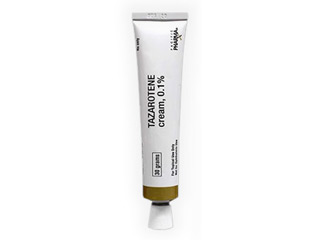
Tazarotene (Topical Gel/Cream) — Patient Information for Australia
Tazarotene is a topical medicine used to treat skin problems such as acne and certain inflammatory conditions. This guide explains what tazarotene is, how it works, how to use it safely and effectively, what to expect, and important interactions and precautions—tailored for people using products commonly available in Australia.
Key product information
| Category | Details |
|---|---|
| Generic name | Tazarotene |
| Common form(s) | Topical gel or cream (formulation strength varies by product) |
| Where it is applied | Skin (typically affected areas such as face, chest, or back depending on indication) |
| Typical action | Normalises skin cell growth and reduces inflammation |
| Brand examples | May be sold under different brand names depending on the market and manufacturer |
| Medicine type | Topical retinoid (a vitamin A–derived medication) |
Note: Availability, strengths, and brand names can vary. Always check the specific product label and consumer medicine information (CMI) supplied with your medicine.
How tazarotene works (mechanism of action)
Tazarotene belongs to the retinoid family. Once applied to the skin, it helps correct abnormal processes that contribute to acne and other skin conditions.
- Normalises keratinisation: it can help reduce the abnormal build-up of dead skin cells and decrease blockage of hair follicles.
- Reduces inflammation: it can influence inflammatory pathways within skin, which may lessen redness and irritation associated with acne.
- Promotes more even skin turnover: it supports healthier, more consistent shedding of skin cells.
Because tazarotene affects how skin cells behave, it may take time to notice full benefits. Early effects such as dryness or mild peeling can occur as your skin adapts.
Pharmacokinetics (what happens in the body)
Topical absorption: Tazarotene is designed to act locally in the skin. Only a small amount is typically absorbed through intact skin.
- Conversion to active metabolite(s): after absorption, it is converted to its active form(s).
- Distribution and elimination: the active metabolite(s) are processed by the body and eliminated primarily through normal metabolic pathways.
- Systemic exposure is generally low: the goal is local skin action, not whole-body medication.
Your overall absorption can increase if you apply to larger areas, use more than recommended, apply under occlusion (e.g., covered with non-breathable dressings), or use on broken/irritated skin.
Typical uses in practice
Tazarotene is used for specific dermatological conditions. The exact indication depends on the product strength and formulation.
- Acne vulgaris: for improvement of acne lesions (severity and body areas vary by product).
- Other skin conditions where retinoids are indicated: in some formulations, tazarotene may be used for certain inflammatory or keratinisation disorders as directed by the product guidance.
Always use tazarotene only for the condition described in your product’s instructions and medical guidance. If you are unsure which product strength or indication applies to you, check the label or ask a pharmacist.
When and how to use tazarotene (timing and application)
Best time to apply
- Usually in the evening: many topical retinoids are applied once daily at night.
- Start slowly: if you are new to retinoids or have sensitive skin, you may get better tolerance by using it every other night for the first 1–2 weeks (then move to daily if tolerated, based on instructions).
Step-by-step practical application tips
- Cleanse gently: wash with a mild cleanser, then pat dry (avoid rubbing).
- Apply to dry skin: wait until skin is completely dry before applying.
- Use a pea-sized amount: apply a thin layer to the entire affected area, not just individual spots. Too much can increase irritation without improving results.
- Avoid sensitive areas: keep away from eyes, lips, corners of the nose, and skin folds unless your product guidance specifies otherwise.
- Wash hands after use: to prevent transfer to eyes or other sensitive skin.
- Moisturise if needed: applying a moisturiser before or after can reduce dryness.
“Sandwich” method for sensitive skin
If irritation occurs, many people reduce dryness by using moisturiser before and/or after tazarotene:
- Apply a moisturiser to clean, dry skin.
- After it’s absorbed, apply a thin layer of tazarotene.
- Apply another moisturiser after tazarotene has settled.
Food interactions
Because tazarotene is applied to the skin, food interactions are not a typical concern. Systemic absorption is generally low when used as directed.
However, if you are using other medicines—especially those that can affect skin, hormones, or photosensitivity—please review them with a pharmacist.
Alcohol and medicine interactions
Alcohol
There is no direct, well-established alcohol–tazarotene interaction for topical use. Alcohol can cause dehydration and may worsen skin dryness for some people, which can make retinoid irritation more noticeable.
- If you drink alcohol and notice increased dryness or irritation, consider reducing alcohol intake and increasing moisturising.
- Avoid applying tazarotene to skin that is already inflamed or very dry.
Other medicines and product interactions
Tazarotene can be irritating, and combining it with other products that also irritate the skin may increase side effects such as redness, peeling, burning, or swelling.
Be cautious when using:
- Other strong acne treatments (e.g., high-strength exfoliants or harsh scrubs)
- Skin disinfectants or irritant cleansers (e.g., very strong salicylic acid products if you are sensitive)
- Products containing alcohol (some toners) that may dry the skin
- Other retinoids (topical vitamin A products)
- Combination “peeling” routines (e.g., retinoid + chemical exfoliant on the same night)
If you use other acne or skincare actives (benzoyl peroxide, salicylic acid, glycolic acid, etc.), you may be able to use them on alternate nights or in a stepwise routine—this can improve tolerability. A pharmacist can help you build a compatible routine.
Indications and who it is for
Tazarotene is generally intended for people who need a topical retinoid for their specific skin condition. Suitability depends on factors such as the area treated, skin sensitivity, age, and pregnancy status.
- Adults and some adolescents may use tazarotene depending on the specific product guidance.
- Pregnancy and breastfeeding considerations are critical for retinoids. If you could become pregnant, discuss contraception and safety with a healthcare professional before use.
Important: The safest approach is to confirm the indication and suitability with your pharmacist or doctor, especially if you are pregnant, planning pregnancy, or breastfeeding.
Dosing (typical regimen)
Dosing depends on the exact product strength, formulation, and condition. Many regimens follow a once-daily schedule. Always follow the instructions on your medicine label and CMI.
Common dosing pattern
- Frequency: typically once daily (often at night).
- Amount: a thin layer; avoid applying more than directed.
- Titration (getting used to it): start every other night if you have sensitive skin.
What to do if you miss a dose
- Apply it when you remember if it is close to the usual time.
- If it’s nearly time for the next dose, skip the missed dose.
- Do not double the amount.
How long until you see results?
- Early changes: some people notice less oiliness or fewer new blemishes in several weeks.
- Full benefit: often requires 8–12 weeks or longer, depending on severity and adherence.
Safety profile and side effects
Like other retinoids, tazarotene commonly causes skin irritation during the adjustment period. Most side effects are mild to moderate and improve with dose reduction and moisturising.
Common side effects
- Dryness or flaking
- Redness
- Burning or stinging
- Peeling
- Itching
Less common but important effects
- Significant swelling or severe irritation
- Blistering or skin cracking
- Worsening rash
When to seek medical advice urgently
Stop using tazarotene and seek urgent advice if you experience signs of a severe reaction such as:
- Severe swelling of the face/eyes
- Breathing difficulty
- Widespread blistering or rapidly spreading rash
- Severe pain, weeping sores, or signs of infection
Pregnancy, contraception, and breastfeeding
Retinoids are known for potential risk in pregnancy. If you are pregnant, think you may be pregnant, or are planning pregnancy, you must not use tazarotene unless specifically advised by a healthcare professional.
- If you could become pregnant, use reliable contraception as advised by your pharmacist or doctor.
- If breastfeeding, discuss safety and best options with a healthcare professional.
Sun sensitivity and skin protection
Tazarotene can increase sensitivity to sunlight and may worsen irritation with UV exposure. Use sun protection daily:
- Wear broad-spectrum sunscreen (SPF 30+)
- Use hats or shade where possible
- Avoid tanning beds
Practical use tips (getting the best results with fewer side effects)
- Start low, go slow: use every other night at first if irritation occurs.
- Moisturise regularly: choose a gentle, fragrance-free moisturiser.
- Avoid over-cleansing: washing more than twice daily can worsen dryness.
- Use sunscreen: irritation and hyperpigmentation can be more likely with sun exposure.
- Don’t scrub: exfoliating scrubs can increase irritation. If using chemical exfoliants, consider separating them from tazarotene by several days.
- Be consistent: sporadic use often delays improvements and can prolong the adjustment phase.
- Watch for “retinoid purge”: Some acne users experience temporary increase in breakouts early on. This is not always the case; severe worsening should be discussed.
Alcohol skin routines and skincare compatibility
Many skincare products (especially some toners and astringents) contain alcohol or strong fragrance. These can increase dryness and stinging when combined with tazarotene.
Consider switching to:
- Fragrance-free cleansers
- Gentle moisturisers
- Non-alcoholic toners or hydrating serums
Alternative options for acne or related conditions
If tazarotene doesn’t suit you due to irritation, availability, or personal preference, there are alternative treatments. Options depend on your skin type, severity, and other medicines you use.
Common alternatives
- Other topical retinoids: for similar mechanisms, sometimes with different irritation profiles.
- Topical benzoyl peroxide: helpful for inflammatory acne and can reduce bacterial burden.
- Topical salicylic acid: a keratolytic that can reduce pore blockage.
- Azelaic acid: can help with redness and uneven tone for some people.
- Non-retinoid anti-acne regimens: may be recommended for very sensitive skin.
A pharmacist or dermatologist can help you compare options and build a routine that balances effectiveness and tolerability.
Australia market and legal context (consumer guidance)
In Australia, access to medicines depends on scheduling and whether the product is registered and supplied through approved channels. Many topical treatments may be available as non-prescription products, while others may require professional involvement depending on strength, indication, and formulation.
- Use only approved products: Choose a product supplied by a reputable Australian pharmacy.
- Check the label and CMI: confirms the correct active ingredient, strength, and directions for use.
- Follow local advice: Australian guidance and product labels govern how the medicine should be used in this market.
If you are unsure whether a tazarotene product is appropriate for your condition, ask a pharmacist to review the indication, strength, and usage instructions.
Recent guidance and best-practice considerations
While product-specific instructions always take priority, broader dermatology best practices commonly include:
- Start gradually to reduce irritation and improve adherence.
- Use moisturisers and sunscreen to minimise dryness and sun sensitivity.
- Avoid stacking irritants (multiple exfoliants/harsh cleansers) unless advised.
- Monitor for intolerance and adjust frequency rather than stopping abruptly after a short period.
For the most up-to-date product instructions, always refer to the CMI supplied with your specific tazarotene product.
Delivery, availability, and what to expect when ordering online in Australia
Availability can vary by brand and strength. When ordering online, you can typically expect:
- Product verification: reputable pharmacies confirm correct active ingredient and strength.
- Discreet packaging: many pharmacies offer plain packaging for privacy.
- Clear directions: the product insert/CMI should be provided or linked for reference.
- Delivery timelines: depend on your location and shipping service; regional delivery can take longer.
To ensure safety and compliance, choose an online pharmacy that operates within Australian regulations and provides appropriate product information for your medicine.
Frequently Asked Questions (FAQ)
1) Can I use tazarotene every day?
Many people use it once daily, usually at night. If your skin is sensitive, start every other night to improve tolerance, then increase frequency only if you can use it comfortably as described in the product directions.
2) What should I do if my skin becomes very dry or burns?
Reduce the frequency (e.g., use every other night or pause briefly), moisturise more consistently, and avoid other irritants. If severe symptoms occur—such as blistering, swelling, or intense pain—stop using and seek professional advice.
3) Will tazarotene make my acne worse at first?
Some people notice temporary worsening early in treatment as skin turnover changes. This is not guaranteed, and severe deterioration should be discussed. Using a gentle routine and starting slowly can help.
4) Can I apply moisturiser before tazarotene?
Yes, many people benefit from moisturising before (or after) tazarotene using the “sandwich” method. Ensure the skin is dry before applying tazarotene.
5) Can I use sunscreen while on tazarotene?
Yes—and it’s strongly recommended. Tazarotene can increase sun sensitivity, so daily broad-spectrum sunscreen and protective clothing can reduce irritation and the risk of dark marks.
6) Can I combine tazarotene with other acne treatments?
Sometimes, but combinations can increase irritation. If you use benzoyl peroxide, salicylic acid, or other actives, consider spacing them out (for example, using one on alternate nights) and introduce one change at a time. A pharmacist can help tailor a routine.
7) Is it safe to drink alcohol while using tazarotene?
There is no typical direct interaction. However, alcohol can dry the body and make irritation feel worse. If you notice worsening dryness, reduce alcohol intake and focus on moisturising and sun protection.
8) How long does it take to see results?
Some improvement may appear within several weeks, but full benefits often take 8–12 weeks or longer. Consistency is important.
9) Can I use tazarotene on my whole face?
Often, yes—depending on the condition and where lesions occur. The general principle is to apply a thin layer over the affected area, not just individual pimples. Avoid eyes and corners of the nose.
10) Who should avoid tazarotene or discuss it first?
People who are pregnant, trying to conceive, or breastfeeding should discuss retinoid safety with a healthcare professional. Also check before use if you have eczema or very sensitive skin, or if you are using other potentially irritant topical medicines.
Disclaimer: This information is provided for general education and does not replace the instructions on your specific product label or advice from a pharmacist or healthcare professional. If you have questions about suitability, side effects, or interactions with your current medicines, please speak to a pharmacist.