
Tacrolimus (for systemic and topical use) — Patient-Friendly Guide (Australia)
Tacrolimus is a medicine used to reduce the activity of the immune system. It is commonly prescribed to help prevent organ rejection after transplantation and, in selected conditions, to treat certain immune-mediated diseases. This guide explains how tacrolimus works, how it behaves in the body, when it’s taken, important food and medicine interactions, and practical tips to help you use it safely.
Note: Tacrolimus comes in different formulations (for example, oral capsules or prolonged-release capsules, and topical ointment for skin conditions). The exact dose, timing, and precautions can vary by formulation and your personal treatment plan.
Basic product information
- Generic name: Tacrolimus
- Common forms (Australia):
- Oral tacrolimus (immediate-release capsules and/or prolonged-release capsules such as “Advagraf” depending on brand)
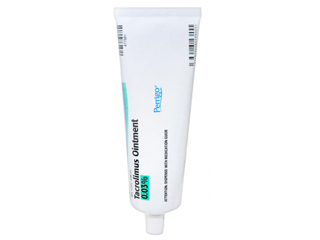
- Topical tacrolimus ointment (available for certain inflammatory skin conditions)
- Drug class: Calcineurin inhibitor (a type of immunosuppressant)
- Key requirement: Many oral tacrolimus regimens require therapeutic drug monitoring (blood tests to measure tacrolimus levels), especially after transplant.
How tacrolimus works (mechanism of action)
Tacrolimus works by suppressing key immune pathways. Specifically, it interferes with the signalling inside certain immune cells (T-lymphocytes). This leads to reduced production of immune “messages” that drive inflammation and immune rejection.
- Primary action: Inhibits calcineurin, reducing activation of T-cells.
- Clinical effect: Lowers immune attack on a transplanted organ and/or reduces immune-driven inflammation in certain diseases.
Pharmacokinetics: what the body does to tacrolimus
Pharmacokinetics describes how a drug is absorbed, distributed, metabolised, and eliminated. Tacrolimus has complex handling in the body, which is why drug levels may be monitored.
Absorption
- Oral tacrolimus is absorbed from the gut.
- Absorption can vary between people and can be affected by food and other medicines.
- Different oral formulations may have different release patterns, influencing timing and monitoring.
Distribution
- Tacrolimus binds extensively to blood proteins and distributes widely into tissues.
- The apparent distribution can contribute to delayed changes in blood levels after dose changes.
Metabolism
- Most tacrolimus is metabolised in the liver and intestinal wall by enzymes (notably CYP3A-related pathways).
- This is a major reason why interactions with other medicines and certain foods matter.
Elimination
- Elimination occurs mainly through metabolism and bile-related pathways.
- Because metabolism varies, dose adjustments are often guided by blood level results.
Therapeutic drug monitoring (TDM)
- Many patients need regular blood tests measuring tacrolimus concentration.
- Levels help balance effectiveness (prevent rejection/inflammation) with safety (reduce risk of toxicity).
Typical use in Australia
Tacrolimus is used in specialist and chronic care settings. The most common uses include:
- Organ transplantation: Prevention of organ rejection in recipients.
- Immune-mediated skin disease: Topical tacrolimus ointment for certain inflammatory conditions (for example, atopic dermatitis/eczema in selected patients).
Other uses may occur depending on specialist assessment and local practice.
When and how to take tacrolimus (timing and dosing principles)
Timing is important for tacrolimus because its blood levels can change with absorption and metabolism. Your clinician may prescribe a schedule tailored to your formulation and blood test targets.
Oral tacrolimus — general timing
- Take at the same times every day to maintain consistent levels.
- If you miss a dose, do not double the next dose unless your doctor/pharmacist advises it.
- Follow instructions on consistent relation to meals (see food interactions below).
Topical tacrolimus — general timing
- Use a thin layer on the affected skin as directed.
- Wash your hands after application (unless treating the hands).
- Avoid covering treated areas with occlusive dressings unless instructed.
Food interactions and what to avoid
Food can affect how much tacrolimus your body absorbs. For oral tacrolimus, consistency is key.
- Grapefruit and grapefruit juice: Avoid. They can increase tacrolimus levels.
- St John’s wort: Avoid. It can reduce tacrolimus levels (interaction via enzyme induction).
- Meal timing: Many patients are advised to keep a consistent approach to meals (e.g., take tacrolimus either on an empty stomach or with a consistent relationship to food). Follow your specific instructions.
If you change your diet pattern (for example, significant changes in meal timing or type), discuss it with your pharmacist or clinician because it may influence tacrolimus levels.
Alcohol and medicine interactions
Alcohol
- Moderate alcohol intake may be tolerated for some people, but tacrolimus is metabolised by the liver and alcohol can affect liver function.
- Ask your pharmacist or doctor if alcohol is safe for you, especially if you have liver problems or if you are taking multiple medicines.
Medicine interactions (major categories)
Tacrolimus interacts with many medications, largely because of effects on CYP3A enzymes and drug transporters. Some interactions can raise tacrolimus levels (increasing risk of side effects), while others can lower levels (reducing effectiveness).
Common examples to discuss with your clinician/pharmacist:
- Antifungals: e.g., fluconazole, voriconazole, itraconazole, ketoconazole (may increase tacrolimus levels).
- Macrolide antibiotics: e.g., clarithromycin, erythromycin (may increase levels).
- Calcium channel blockers: e.g., diltiazem, verapamil, some others (can increase levels).
- Anticonvulsants: e.g., phenytoin, carbamazepine, phenobarbital (may reduce levels).
- HIV medicines: some protease inhibitors and boosters can strongly affect tacrolimus levels.
- Rifamycins: e.g., rifampicin (may reduce levels).
- Herbal products: avoid St John’s wort; other herbal supplements may also affect levels.
- Other immunosuppressants: may increase the risk of infections and certain toxicities when combined.
Always tell your healthcare team about:
- All prescription medicines
- Pharmacy medicines and supplements
- Herbal products and traditional medicines
Indications: what tacrolimus is used for
Indications depend on the formulation and your clinical situation.
| Formulation | Common indications | Typical setting |
|---|---|---|
| Oral tacrolimus | Prevention of organ rejection in transplant recipients | Specialist/ongoing long-term management |
| Topical tacrolimus ointment | Inflammatory skin conditions such as atopic dermatitis/eczema in selected patients | Dermatology/primary care management |
Your pharmacist can help confirm which formulation you have and outline the relevant usage instructions.
Dosing: how much tacrolimus you may take
Dosing must be individualised. Oral tacrolimus dosing is often adjusted based on blood tests and your clinical response.
Oral dosing (general principles)
- Start dose: determined by your specialist according to transplant type, time since transplant, and other medicines.
- Maintenance dose: adjusted to reach a target tacrolimus concentration range.
- Monitoring: blood tests help guide dose adjustments.
Topical dosing (general principles)
- Apply a thin layer to affected areas.
- Frequency and duration depend on the skin condition and severity.
- Follow “step-down” approaches if recommended by your clinician (for example, reducing frequency after flare control).
Important: Do not switch between brands, formulations, or dosing schedules without advice, because exposure can differ.
Safety profile: what to watch for
Tacrolimus can be very effective, but it suppresses immune activity and can affect organs such as the kidneys and nervous system. Safety monitoring is an important part of treatment.
Common or expected effects (varies by formulation)
- Possible oral effects: headache, tremor, elevated potassium, gastrointestinal upset (nausea/diarrhoea) may occur in some people.
- Possible topical effects: mild burning, stinging, or warmth at the application site may occur, usually improving over time.
Serious side effects — seek urgent medical help
If any of the following occur, seek urgent advice from a healthcare professional:
- Signs of severe infection: fever, chills, persistent cough, shortness of breath, severe sore throat, or unusual infections.
- Severe allergic reactions: swelling of face/lips, hives, difficulty breathing.
- Severe kidney problems (oral): reduced urine output, marked swelling, or sudden worsening of blood test results (your clinician will monitor labs).
- Neurological warning signs: confusion, severe weakness, seizures (rare but important).
Long-term considerations
- Infection risk: Immune suppression can increase susceptibility to infections.
- Blood and metabolic effects: Regular blood tests may be needed.
- Skin concerns: In transplant and general immunosuppression, there can be an increased risk of certain skin changes over time; sun protection is especially important.
Practical use tips for patients
Make adherence easier
- Use a medication routine tied to daily habits (e.g., after breakfast or before bedtime—consistent with your instructions).
- Consider a pill organiser if approved for your specific formulation and schedule.
- Keep track of blood test appointments if you’re on oral tacrolimus.
Avoid accidental double dosing
- If you realise you’ve missed a dose close to the next one, follow your clinician/pharmacist guidance.
- Do not attempt to “catch up” without advice, because tacrolimus levels matter.
Travel and supply planning
- Bring enough medicine for the entire trip plus a buffer for delays.
- Keep medicines in their original packaging and protect from excessive heat.
Topical-specific tips
- Use gently and avoid getting ointment into eyes or mouth.
- Avoid applying directly on infected or severely irritated skin unless your clinician advises.
- Plan sun protection because topical immunomodulators can still require attention to skin safety (and your overall immune status may increase skin risks in some patients).
Alternative options (depending on the condition and formulation)
“Alternative” depends on what tacrolimus is being used for:
For transplant-related immunosuppression
- Other calcineurin inhibitors may be used in some cases (e.g., cyclosporine) depending on individual factors.
- Other immunosuppressive medicine classes may be part of combination regimens.
For inflammatory skin conditions (topical)
- Other topical anti-inflammatory treatments may be considered by your clinician, such as topical corticosteroids or other non-steroid options.
- Choice depends on age, severity, affected area, and history of treatment response.
Because alternatives can differ substantially in monitoring needs and side effect profiles, discuss options with your healthcare professional before changing treatment.
Market and legal context in Australia
In Australia, tacrolimus is used under healthcare supervision in accordance with local regulatory requirements. Medicines containing tacrolimus are generally available through pharmacy supply channels and are supplied based on the appropriate regulatory category and clinical requirements for your specific formulation.
- Repackaging and brand consistency: Switching between products may affect exposure; pharmacists and prescribers can guide safe substitution practices.
- Monitoring expectations: Oral tacrolimus commonly requires scheduled laboratory tests to support safe and effective therapy.
- Quality and supply: Ongoing supply is supported by standard Australian pharmaceutical supply processes.
Always check that your medicine matches the exact formulation and strength you were instructed to use.
Recent guidance and monitoring themes
While exact recommendations may vary by transplant type, specialist society, and patient profile, recent clinical themes for tacrolimus commonly include:
- Emphasis on therapeutic drug monitoring for oral therapy, particularly when doses change, medicines interact, or the patient’s absorption may be affected.
- Careful management of interactions with CYP3A-related medicines and supplements (especially antifungals, antibiotics, antivirals, and herbal products).
- Focus on kidney function monitoring and general safety labs, as tacrolimus can affect renal function in some people.
- Adherence to consistent dosing/meal relationship to maintain stable blood levels.
If you have questions about your targets or test schedule, your pharmacist can help interpret general guidance and direct you to your clinician for personalised targets.
Delivery and availability
Availability can depend on which tacrolimus formulation and strength you need. Many pharmacies in Australia can supply tacrolimus through standard ordering processes.
- Stock status: Ask the pharmacy website or customer support for real-time availability.
- Delivery times: Delivery schedules vary by location and courier service.
- Packaging: Medicines are supplied in appropriate packaging for safe transport.
- Storage: Store according to the label instructions. Protect from excessive heat and keep out of reach of children.
If you’re planning travel, consider ordering early to ensure continuity of therapy.
FAQ: Tacrolimus questions patients often ask
1) Is tacrolimus a steroid?
No. Tacrolimus is a calcineurin inhibitor (immunosuppressant). It is not a corticosteroid, although it can reduce inflammation and immune activity.
2) Why do I need blood tests with oral tacrolimus?
Because tacrolimus levels can vary between people and are influenced by food and other medicines. Monitoring helps maintain the level high enough to prevent rejection/inflammation but low enough to reduce toxicity risk.
3) Can I take tacrolimus with food?
Food can change tacrolimus absorption. Follow the specific instructions given to you for your formulation. In many cases, consistency in the relationship to meals is recommended. Avoid grapefruit products.
4) What should I do if I miss a dose?
Do not double the next dose. Contact your pharmacist or prescriber for guidance on what to do based on your schedule and the formulation you’re taking.
5) Are there vaccines I should avoid?
Because tacrolimus suppresses the immune system, vaccine recommendations may differ for you. Discuss vaccination plans with your clinician—especially before receiving live vaccines.
6) Can I use topical tacrolimus on large areas of skin?
Topical use is typically limited to affected areas as directed. Your clinician will advise how much is safe for your condition and situation.
7) How long does topical tacrolimus take to work?
Many people notice improvement within days, but complete control can take longer. Continue using as directed and seek advice if there’s no improvement or if symptoms worsen.
8) Can I drink alcohol while taking tacrolimus?
Alcohol may not be suitable for everyone. Tacrolimus is metabolised in the liver and alcohol can affect liver health and hydration. Ask your pharmacist or clinician for personalised advice.
9) What are “drug interactions” in simple terms?
Some medicines can increase or decrease tacrolimus levels. If levels rise too high, side effects may increase; if levels fall too low, the medicine may not work well. This is why it’s important to tell healthcare providers about all medicines and supplements you take.
10) Can I stop tacrolimus suddenly if I feel better?
No. Stopping tacrolimus without advice can lead to worsening of the condition or, in transplant recipients, increased risk of rejection. Always discuss changes with your healthcare team.
Need help choosing or using tacrolimus safely?
If you have questions about your exact tacrolimus formulation, how to take it, or how to manage interactions with other medicines, speak with a pharmacist. They can help you check your regimen, review food and medicine interaction risks, and support you with practical strategies to stay on track.