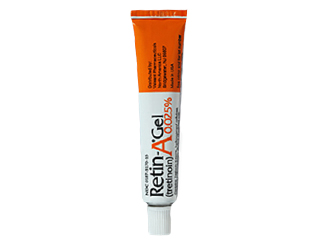
Retin-A Gel (Tretinoin) – Patient Information (Australia)
Retin-A Gel contains tretinoin, a vitamin A–derived medicine used to treat certain skin conditions and to improve the appearance of acne and uneven texture. This patient-friendly guide explains how Retin-A Gel works, how to use it safely, what to expect, and how to minimise side effects.
Please note: product strength and formulation can vary by brand and country. Always follow the instructions provided with your product and consult your healthcare professional if you are unsure.
Quick overview
- Active ingredient: Tretinoin
- Medicinal form: Topical gel for skin
- Common uses: Acne (including comedonal acne) and related conditions as advised by a clinician
- How it works: Helps normalise skin cell turnover and reduce formation of comedones
- Typical application: Once daily (often at night), after the skin is fully dry
Basic product information
Retin-A Gel is designed for external use only. Tretinoin is an active retinoid that influences how skin cells grow and shed. When used consistently, it can help prevent clogged pores and improve the look of acne lesions over time.
| Category | Details |
|---|---|
| Medicine name | Retin-A Gel (tretinoin) |
| What it is | Topical retinoid gel applied to affected skin |
| Main skin action | Normalises keratinisation; reduces comedone formation; improves microcomedo and inflammation patterns |
| Typical schedule | Once daily at night (follow product/doctor instructions) |
| Common timeline | Early changes may start in 2–6 weeks; maximal improvement often 8–12 weeks or longer |
| Who should use caution | Pregnant or planning pregnancy; sensitive skin; eczema/very irritated skin; those using other strong skincare actives |
How Retin-A Gel works (mechanism of action)
Tretinoin works at the skin-cell level. In acne, clogged pores form when dead skin cells and sebum block hair follicles. Retin-A Gel helps:
- Increase cell turnover in the outer skin layer so pores are less likely to become clogged.
- Reduce microcomedone formation (very small clogged pores that can later become visible acne).
- Improve the process of skin keratinisation (how skin cells form and shed).
- Support smoother, clearer skin texture over time as comedones gradually reduce.
You may notice a temporary “worsening” or increased breakout early in treatment. This can occur as clogged pores start to turn over. With correct use and patience, many people see improvement as treatment continues.
Pharmacokinetics (what happens in the body)
When applied to intact skin as directed, tretinoin is absorbed to a limited extent. Most of the medicine remains on the skin surface and within superficial layers, where it exerts its local effects.
- Absorption: Typically low through healthy skin when used properly.
- Distribution: Primarily local action in the skin.
- Metabolism and elimination: Any absorbed drug is processed by normal body pathways and eliminated mainly via metabolism.
Because systemic absorption is usually limited, interactions based on bloodstream levels are generally less significant than interactions involving skin irritation. However, it is still important to use caution with other topical products and to follow safety guidance.
What Retin-A Gel is typically used for
Retin-A Gel is commonly used for acne, especially:
- Comedonal acne (blackheads and whiteheads)
- Mild to moderate acne, as part of a broader acne plan if needed
- Prevention of new comedones when used consistently
Your exact indication may depend on your skin type, severity, and the formulation strength. If you are unsure whether Retin-A Gel is suitable for your condition, seek professional advice.
Dosing and how to apply (timing included)
Typical use is once daily, usually at night. Start gently to reduce irritation and build tolerance.
Recommended dosing approach (common practice)
- Start: Apply a thin layer to the affected areas (and sometimes a small surrounding area) once daily.
- Adjust: If tolerated, some people may increase frequency only as advised by their healthcare professional.
- Do not over-apply: More is not better and can increase irritation without improving results.
Step-by-step practical application tips
-
Wash your face gently with a mild cleanser. Pat dry completely.
- Let skin dry fully before applying tretinoin.
-
Use the right amount
- Often a “pea-sized” amount is enough for the whole face (or follow clinician instructions for your area).
-
Apply lightly
- Spread thinly over the acne-prone areas.
- Avoid the corners of the nose, lips, eyes, and any broken/eczema-like skin unless advised.
-
Use moisturiser if needed
- Apply a non-comedogenic moisturiser before or after (see “Practical use tips” below).
-
Wash hands after application
- Prevent product transfer to eyes or other sensitive areas.
How long until results?
- Early signs: Some people notice reduced clogged pores in 2–6 weeks.
- More visible improvement: Often 8–12 weeks or longer.
- Consistency matters: Sporadic use can reduce effectiveness and increase irritation.
Alcohol and medicine interactions
Retin-A Gel is applied to the skin. Alcohol does not have a known systemic “blood” interaction in the way some medicines do, but alcohol-containing products may increase skin dryness or irritation.
Alcohol (topical and lifestyle)
- Topical alcohol-based products: Avoid applying alcohol toners or harsh astringents on the same skin area, especially when starting tretinoin.
- Skin barrier protection: Keeping skin moisturised and calm reduces stinging and peeling.
- Oral alcohol: There is no direct medication interaction commonly cited for tretinoin, but excessive alcohol can worsen inflammation and dehydration, which may affect acne for some people.
Medicine interactions (topical products)
Interactions with other medicines are mainly about skin irritation. Avoid using multiple strong actives at the same time unless your healthcare professional advises it.
- Other topical retinoids (or high-strength vitamin A products): higher irritation risk.
- Topical benzoyl peroxide: often compatible for acne, but it can increase dryness for some. Use in alternating routines if irritation occurs (e.g., benzoyl peroxide in the morning, tretinoin at night).
- Topical salicylic acid, glycolic acid, and strong exfoliants: may cause excessive peeling and burning.
- Resurfacing treatments (e.g., chemical peels, microdermabrasion): pause during a sensitive period and follow professional guidance.
- Topical antibiotics: may be combined for acne plans, but follow instructions carefully to avoid over-irritation.
If you are using other prescription or over-the-counter skin medications, bring the product names (or photos) to your pharmacist or clinician for a compatibility check.
Food interactions
Because Retin-A Gel is a topical medicine, it has minimal relevance to food interactions. No significant food–tretinoin interactions are typically expected.
That said, overall acne control may improve with a balanced diet and adequate hydration. If you use dietary supplements, discuss them with a healthcare professional—especially if you are taking high-dose vitamin A or other retinoid-related supplements.
Safety profile and precautions
Retin-A Gel is generally well tolerated when used correctly, but it can cause irritation—particularly at the start of treatment.
Common side effects
- Dryness
- Redness
- Peeling or flaking
- Stinging or burning sensation
- Itching
- Temporary worsening of acne early on (sometimes called “purging”)
Less common but important effects
- Severe irritation or intense burning—stop and seek advice.
- Allergic skin reactions (e.g., rash beyond typical irritation).
- Sun sensitivity—increased risk of irritation with sun exposure.
When to stop and seek medical advice promptly
- Swelling of the face/eyes, hives, or difficulty breathing
- Severe skin pain, blistering, or widespread rash
- Signs of infection in irritated skin (increasing pain, pus, crusting with worsening redness)
Pregnancy and breastfeeding considerations
Tretinoin is a vitamin A derivative. Because of potential risks to an unborn baby with vitamin A–related medicines, people who are pregnant, planning pregnancy, or breastfeeding should seek tailored advice from a healthcare professional before using tretinoin products.
If you become pregnant while using tretinoin, contact your healthcare professional promptly to discuss next steps.
Sun protection is essential
- Use broad-spectrum sunscreen (SPF 30 or higher) daily.
- Consider a hat and shade for prolonged exposure.
- Use extra care on windy/cold days—dry air can worsen irritation.
Practical use tips to reduce irritation
Many side effects are manageable. The key is using the product consistently but gently, allowing your skin barrier to adapt.
Start “low and slow”
- Begin with every second night or a few nights per week if you are prone to sensitivity.
- Increase to nightly use only as tolerated.
Moisturiser strategy
- Before tretinoin: Apply moisturiser to slightly damp skin may reduce initial stinging for some people.
- After tretinoin: Apply a moisturiser once the gel has absorbed (usually after a few minutes).
- Choose a non-comedogenic, fragrance-free product if possible.
Cleanser and skincare choices
- Use a gentle cleanser and avoid scrubs or rough cloths.
- Avoid strong exfoliants and “acne washes” that contain multiple harsh ingredients during the initiation period.
- Keep makeup and hair products from rubbing on treated areas.
What about “spot treating”?
Depending on the pattern of your acne, it may help to apply to acne-prone zones rather than only individual spots, especially for comedonal acne. However, if your skin is very sensitive, you can start by treating the most affected areas first, then broaden coverage.
Timing considerations (including night use)
Many people apply Retin-A Gel at night because it can increase skin sensitivity to sunlight. If you use it at other times, ensure your skin is well protected from sun exposure.
- Night application: Most common; allows sunscreen to be the focus during the day.
- If you miss a dose: Apply when you remember only if it is close to the normal time. Otherwise skip and continue the next day—do not double up.
Food, lifestyle, and acne support
While Retin-A Gel is a targeted acne treatment, overall routines can influence results. Consider:
- Gentle cleansing twice daily (or once daily if very dry)
- Non-comedogenic moisturiser and sunscreen
- Avoid picking or squeezing lesions
- Changing pillowcases regularly
- Discussing hormonal acne triggers with a clinician if acne is persistent or cyclical
Alternative options to consider
Acne management is individual. Depending on your skin type and severity, alternatives may include:
- Other topical retinoids (different strengths or formulations)
- Benzoyl peroxide (often used to reduce acne-causing bacteria)
- Topical antibiotics in selected cases, usually as part of a plan to reduce resistance
- Oral treatments for moderate to severe acne (your clinician will advise based on your health and severity)
- Azelaic acid for some people, particularly if sensitive to retinoids
- Physical/laser approaches where appropriate (typically clinician-guided)
If tretinoin causes unacceptable irritation, speak with a healthcare professional about stepping down frequency, adjusting moisturiser routines, or switching to an alternative.
Market and legal context for Australia
In Australia, medicines are regulated under the Therapeutic Goods Administration (TGA) framework. Availability of specific strengths and formulations can vary based on classification, approved indications, and packaging requirements.
When buying online, ensure the pharmacy is reputable and operates within Australian regulations. Product descriptions should clearly state active ingredients, strength, dosage form, and expiry date information where required.
Recent guidance and clinical practice (general)
Current acne care commonly emphasises:
- Gradual retinoid introduction to improve tolerability
- Sun protection to reduce irritation
- Barrier support with moisturisers and gentle cleansing
- Combination plans where appropriate (for example, pairing retinoids with benzoyl peroxide) to improve outcomes and reduce inflammatory lesions
Local recommendations may be updated over time. Your pharmacist or clinician can provide current, Australia-specific advice for your situation.
Delivery and availability (online pharmacy)
Retin-A Gel may be available through online pharmacies depending on local supply and medicine classification. Delivery options generally include standard and express shipping across Australia, with tracking and secure packaging.
- Check stock: Availability can vary by strength and pack size.
- Inspect on arrival: Confirm the product name, strength, expiry date, and gel seal integrity.
- Storage: Store below 25°C if the label allows; keep out of direct sunlight and away from children.
If you need help selecting a product strength or formulation, consult your pharmacist using your intended treatment plan and skin history.
How to use Retin-A Gel safely (summary checklist)
- Apply a thin layer to clean, fully dry skin.
- Use at night and wear sunscreen during the day.
- Start slowly if you have sensitive skin.
- Moisturise to reduce dryness and peeling.
- Avoid eyes, lips, corners of the nose, and broken skin.
- Do not combine with other strong exfoliants or irritants at the same time.
- Give it time: improvement usually takes 8–12 weeks.
FAQ about Retin-A Gel (tretinoin)
1. Is Retin-A Gel the same as retinol?
No. Tretinoin is a prescription-strength topical retinoid (vitamin A derivative) with a more direct, potent effect on skin cell turnover. Retinol products are generally milder and often found in cosmetics, with different strength and performance.
2. When will I see results?
Many people notice changes within 2–6 weeks, but clearer results typically take 8–12 weeks or longer. Consistency and correct application are key.
3. Can I use Retin-A Gel every day?
Often it’s used once daily, usually at night. However, if you experience strong irritation, you may need to start with every second night and increase gradually. Follow your product instructions and professional advice.
4. What should I do if my skin becomes very dry or burns?
Reduce frequency (e.g., apply every second or third night), use moisturiser more consistently, and avoid other irritating actives. If irritation is severe, stop and seek advice from a healthcare professional.
5. Can I apply moisturiser and sunscreen with tretinoin?
Yes. Moisturiser can reduce dryness and improve comfort. Sunscreen is essential during daytime because skin may be more sensitive.
6. Can I use benzoyl peroxide or salicylic acid at the same time?
Some acne regimens combine tretinoin with benzoyl peroxide, but others may be too irritating for the same routine. Salicylic acid and strong exfoliants often increase irritation—especially during the first weeks. If you want to combine products, consider alternating morning and night routines and consult a pharmacist or clinician if unsure.
7. Is it safe to shave, wax, or use hair removal products?
Avoid applying tretinoin on freshly shaved or irritated areas. If you experience irritation, wait until skin calms before continuing. When in doubt, choose gentle grooming methods.
8. Does tretinoin work for acne scars?
Tretinoin can help with texture and may gradually improve the appearance of some acne-related marks by speeding normal skin turnover. However, for established scars, additional treatments may be needed. A clinician can advise based on scar type.
9. Can I use Retin-A Gel if I’m pregnant or trying to conceive?
People who are pregnant or trying to conceive should seek medical advice before using tretinoin. Discuss risks and safer alternatives with a healthcare professional.
10. What if I miss a dose?
Apply your next dose at the usual time. Don’t apply extra gel to make up for a missed dose.
11. How should I store Retin-A Gel?
Keep it at controlled room temperature as directed on the packaging, protect it from light, and ensure the cap is closed. Keep out of reach of children.
12. Can I use Retin-A Gel on the whole face?
Many acne patients apply it to acne-prone areas. If your skin is sensitive, you may start by treating the affected zones only, then expand coverage gradually.
Final tips for successful treatment
Retin-A Gel can be a powerful acne treatment when used correctly. To get the best balance of effectiveness and comfort:
- Use a gentle cleanser and moisturiser.
- Start slowly and increase as your skin adapts.
- Apply to fully dry skin at night.
- Protect from sun exposure daily.
- Be patient—results usually develop over weeks to months.
If you have questions about suitability, side effects, or combining products, speak with your pharmacist or healthcare professional for advice tailored to your skin and health needs.