

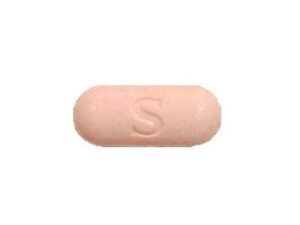
Avelox (Moxifloxacin) — Patient-Friendly Information (Australia)
Avelox is a brand of moxifloxacin, an antibiotic medicine from the fluoroquinolone group. It is used to treat certain bacterial infections in adults, and in some circumstances when an appropriate clinician decides it is suitable.
This page explains how Avelox works, how it is used, common safety considerations, and what to expect. Always follow the instructions given with your medicine and read the consumer medicine information (CMI) provided by the manufacturer.
1) Basic product information
| Medicine | Active ingredient | Group | Common forms |
|---|---|---|---|
| Avelox | Moxifloxacin | Fluoroquinolone antibiotic | Tablets (oral); brand availability may vary by supplier |
What Avelox is used for: bacterial infections where moxifloxacin is considered appropriate. It is not effective against viruses such as the common cold or flu.
2) How Avelox works (mechanism of action)
Moxifloxacin works by targeting enzymes bacteria need to copy and repair their DNA. Specifically, it inhibits:
- DNA gyrase (topoisomerase II)
- Topoisomerase IV
By blocking these enzymes, moxifloxacin disrupts bacterial DNA replication and leads to bacterial death. The result is a bactericidal (bacteria-killing) antibiotic.
Moxifloxacin has activity against many common respiratory pathogens and some atypical organisms, which is why it may be selected for certain infections. Antibiotic choice still depends on the infection type, severity, local resistance patterns, allergy history, kidney/liver function, and other medicines.
3) Pharmacokinetics (how the body handles it)
Pharmacokinetics describes how the medicine is absorbed, distributed, metabolised and eliminated. While individual factors vary, key practical points include:
- Absorption: moxifloxacin is absorbed after oral dosing and reaches therapeutic levels relatively quickly.
- Distribution: it penetrates multiple tissues, which supports its use for certain infections.
- Protein binding: it binds to blood proteins to a certain extent (this influences distribution and drug interactions).
- Metabolism and excretion: it is cleared from the body via metabolic pathways and elimination processes (including renal and non-renal routes).
Why this matters: consistent dosing helps maintain effective drug levels. If you miss a dose, the next dose should be taken as directed in the medicine instructions or by a clinician/pharmacist. Do not double up unless specifically advised.
4) Typical use and timing
Typical adult dosing frequency
Avelox is commonly taken as once-daily oral dosing for the duration of the planned treatment course. The exact dose and duration depend on the infection being treated.
How to take it
- Take the tablet at about the same time each day.
- Swallow the tablet whole with water.
- Complete the full course unless your clinician tells you to stop.
Timing around food
Moxifloxacin tablets can generally be taken with or without food. However, certain minerals and supplements can affect absorption (see “Food interactions” below).
When you should start to feel better
- Many people notice improvement within a few days for responsive infections.
- If symptoms do not improve or worsen, contact your clinician or pharmacist promptly.
5) Indications (what Avelox is used to treat)
In Australia, moxifloxacin products may be used for specific bacterial infections where appropriate. Indications can vary depending on local approvals and clinical guidance at the time. Common areas where a clinician may consider moxifloxacin include:
- Community-acquired pneumonia (certain cases)
- Acute bacterial sinusitis (in selected situations)
- Complicated skin and skin structure infections (depending on local policy)
- Other bacterial infections where moxifloxacin is considered an appropriate option
Because antibiotic stewardship is important, fluoroquinolones are typically reserved for cases where benefits outweigh risks or where other antibiotics are not suitable.
6) Dose and duration
Important: Doses must be individualised. The recommended dose and course length depend on the infection type, severity, and patient factors. Always use the instructions provided with your medicine.
Common course approach
- Once daily dosing is typical.
- Treatment duration may range from several days to about a week or longer depending on the diagnosis and response.
Your pharmacist can help confirm your schedule and advise on what to do if you miss a dose.
7) Food interactions and absorption
Most foods are not a major issue for moxifloxacin, but certain minerals can interfere with absorption.
Key interactions to know
- Antacids and mineral supplements containing aluminium or magnesium
- Iron supplements
- Zinc supplements
- Multivitamins that contain these minerals
If you take these products, separate them from Avelox by a sufficient time interval (commonly at least 4 hours, depending on the product). Check with your pharmacist for the safest spacing based on what you take.
Probiotics and dairy
- Dairy foods (milk, yoghurt) usually do not pose the same problem as mineral tablets, but supplements are more likely to interfere.
- Probiotics may be considered to support gut comfort during antibiotic therapy, but they are not a substitute for appropriate medical care. Follow product directions.
To minimise absorption issues, keep an updated list of supplements and over-the-counter products and share it with your pharmacist.
8) Alcohol and medicine interactions
Alcohol
While moderate alcohol may not directly “cancel out” Avelox, it can:
- worsen dehydration or fatigue
- increase stomach irritation in some people
- add to side effects such as dizziness or nausea
For the best tolerance, consider avoiding or limiting alcohol during treatment, especially if you feel unwell. Discuss your situation with a healthcare professional if you have liver disease or other risk factors.
Important medicine interactions
Moxifloxacin can interact with some medicines. Tell your doctor/pharmacist if you are taking any of the following:
- Medicines that prolong the QT interval (a heart rhythm-related measure), such as certain antiarrhythmics, some antipsychotics, and some antidepressants.
- Other drugs that can affect heart rhythm or cause low potassium/magnesium (which can increase rhythm risk).
- Warfarin or other blood thinners (may increase bleeding risk in some cases).
- Anti-diabetic medicines (can affect blood glucose—both high and low sugar have been reported with fluoroquinolones).
- Non-steroidal anti-inflammatory drugs (NSAIDs) in some contexts (may increase risk of certain side effects, such as seizures, in predisposed people).
Always provide a complete list of prescriptions, pharmacy medicines, and supplements. Pharmacists can check for interactions before you collect your medicine.
9) Safety profile and who should take extra care
Like all antibiotics, Avelox can cause side effects. Many people tolerate it well, but some reactions require prompt medical attention.
Common side effects
- Nausea, diarrhoea
- Headache, dizziness
- Stomach discomfort
- Changes in appetite
Seek urgent medical help if you have
- Allergic reaction: swelling of the face/lips, breathing difficulty, severe rash, or hives
- Severe or persistent diarrhoea, especially if watery or bloody (could indicate a serious bowel condition)
- Heart rhythm symptoms: fainting, severe palpitations, or new chest symptoms
- Tendon pain or swelling, especially in the ankle/Achilles region
- Signs of nerve problems: burning, tingling, numbness, or weakness
- Severe mood or behavioural changes, confusion, or agitation
- Severe dizziness or neurologic symptoms
Boxed/important fluoroquinolone precautions (general)
Fluoroquinolones have been associated with rare but serious adverse effects. Your clinician may avoid or use extra caution if you have risk factors, such as:
- history of tendon disorders related to fluoroquinolones
- known prolonged QT or significant heart rhythm disease
- previous serious adverse reactions to similar antibiotics
- neurologic conditions that increase risk of seizures
- certain electrolyte imbalances (low potassium/magnesium)
Pregnancy and breastfeeding
If you are pregnant, trying to conceive, or breastfeeding, discuss risks and benefits with a clinician. Antibiotic selection often depends on the specific infection and your health history.
Older adults
Older adults may be more sensitive to some fluoroquinolone side effects (for example, effects on tendons or heart rhythm). Dose adjustments are not always simple; review your medicines and risk factors with a pharmacist or clinician.
10) Practical use tips (to get the best outcomes)
- Finish the course: stopping early can contribute to treatment failure and resistance.
- Stay hydrated: especially if you experience nausea or diarrhoea.
- Consider sun sensitivity: some people develop increased sensitivity to sunlight; use sun protection if you notice redness or discomfort.
- Watch for tendon symptoms: if you develop pain/swelling, rest the area and contact a clinician promptly.
- Track blood sugar if diabetic: fluoroquinolones can affect glucose levels; monitor as advised.
- Use consistent timing: set an alarm to help you take the dose daily at the right time.
11) Missed dose advice
If you miss a dose, take it as soon as you remember on the same day. If it is close to the time of the next dose, skip the missed dose and take the next dose at your regular time. Do not double unless a clinician or pharmacist advises you to.
If you are unsure, ask your pharmacist to guide you based on your dosing schedule.
12) Alternative options
The “best” antibiotic depends on the infection and the bacteria causing it. Depending on diagnosis and severity, alternatives may include other antibiotic classes.
Examples of alternative antibiotics (may vary by indication)
- Amoxicillin or amoxicillin/clavulanate (for certain respiratory/sinus infections)
- Doxycycline (sometimes for certain respiratory or skin infections, depending on local guidance)
- Macrolides such as azithromycin (in selected cases)
- Cephalosporins (for specific infections when appropriate)
- Other fluoroquinolones in certain contexts (chosen carefully due to class-related risks)
Because resistance patterns differ, and because fluoroquinolones have important safety considerations, alternatives may be preferred when suitable. Your clinician can discuss options tailored to your condition.
13) Market and legal context for Australia (general overview)
In Australia, antibiotics are regulated medicines and are subject to prescribing and dispensing requirements. Availability and exact product presentation (strengths, pack sizes) can vary depending on the supplier.
Antibiotic use is guided by principles of antimicrobial stewardship:
- Antibiotics should be used only when bacterial infection is likely or confirmed.
- Choice of antibiotic should reflect likely organisms and local resistance.
- Duration should be the shortest effective course to reduce resistance and side effects.
Australia also follows relevant healthcare guidance through public health bodies and clinical practice. Fluoroquinolones are generally approached with careful risk assessment due to their safety profile.
14) Recent guidance (high-level)
Over recent years, regulators and clinical bodies have emphasised:
- Careful patient selection for fluoroquinolones (benefit vs risk)
- awareness of tendon, nerve, mood/behaviour, and heart rhythm risks
- caution in patients with risk factors (e.g., certain heart conditions, electrolyte abnormalities, older age)
- appropriate antibiotic stewardship to limit unnecessary use
Your clinician may consider alternative treatments or additional monitoring depending on your risk factors and the infection being treated.
15) Delivery and availability (Australia)
Availability depends on supply and the pharmacy’s ordering process. When you order online, you may receive:
- clear dosing instructions with your packaged medicine
- relevant consumer information (CMI)
- support from a pharmacist if you ask about interactions or side effects
Delivery timeframes vary by location and courier services. If your treatment has an urgent timeline, consider checking: dispatch times, delivery estimates, and stock availability before placing an order.
16) A quick safety checklist before you start
Before taking Avelox, review the following with a pharmacist or clinician if you can:
- Have you ever had an allergic reaction to moxifloxacin or other quinolone antibiotics?
- Do you have a history of heart rhythm problems or fainting?
- Are you taking medicines known to affect heart rhythm (QT) or blood thinning medicines?
- Do you have a history of tendon problems with previous antibiotics?
- Do you have conditions affecting nerves, seizures, or severe kidney/medical issues?
17) FAQ
Can I take Avelox with food?
Generally, yes. Moxifloxacin tablets can usually be taken with or without food. However, avoid taking it at the same time as supplements containing iron, zinc, magnesium, or aluminium.
What if I forget a dose?
Take it when you remember if it’s still the same day. If it’s close to the next dose time, skip the missed dose and take your next dose at the usual time. Do not double up.
How long does it take to work?
Some improvement may occur within a few days if the infection is responsive. If you don’t improve or you feel worse, contact your clinician or pharmacist promptly.
Is Avelox safe for children?
Moxifloxacin is typically used in adults for specific indications. Suitability for children depends on clinical judgement and local guidelines. Discuss with a clinician for individual cases.
Can I drink alcohol while taking Avelox?
Limiting alcohol is a sensible approach during antibiotic therapy. Alcohol can worsen side effects such as dizziness, nausea, and stomach upset. If you have liver disease or other risk factors, ask a clinician or pharmacist.
What side effects are most concerning?
Seek urgent help for severe allergy symptoms, severe/persistent diarrhoea, heart rhythm symptoms (fainting/palpitations), tendon pain/swelling, or new nerve symptoms (numbness/tingling/weakness).
Does Avelox treat viral infections like colds or flu?
No. Antibiotics like moxifloxacin treat bacterial infections only. Colds and flu are caused by viruses.
What medicines commonly interact with Avelox?
Key categories include medicines that affect heart rhythm (QT prolongation), blood thinners like warfarin, some diabetes medicines, and supplements/minerals such as iron or antacids containing magnesium/aluminium.
Should I stop Avelox if I feel better?
Usually, you should complete the full prescribed course unless a clinician advises stopping. Stopping early can lead to relapse and contribute to resistance.
What if I get diarrhoea?
Mild diarrhoea can occur, but severe or persistent diarrhoea—especially if watery or bloody—should be assessed urgently.
Need more help?
If you have questions about side effects, interactions, or whether Avelox is appropriate for your situation, speak with a pharmacist. Keeping a list of all medicines and supplements you take helps ensure safe advice.