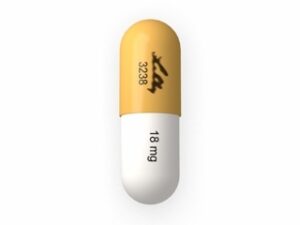



Loxitane (Loxapine) — Patient-Friendly Medicine Information (Australia)
Loxitane contains loxapine, an antipsychotic medicine used to treat certain mental health conditions. This guide is designed to help you understand how Loxitane works, how it’s usually taken, and what to watch for. Always follow the instructions provided by your healthcare professional and the product label.
Quick Overview
| Topic | What to know |
|---|---|
| Medicine | Loxitane (loxapine) |
| Type | Typical (first-generation) antipsychotic |
| Main uses | Psychotic symptoms (e.g., schizophrenia, mania associated with bipolar disorder—depending on clinician assessment and product availability) |
| How it works | Helps balance brain dopamine (and also affects other receptors) |
| How to take | Usually taken 1–4 times daily, depending on the formulation and your plan |
| Key safety points | Sedation, dizziness, movement-related side effects, and rare serious effects (e.g., neuroleptic malignant syndrome) |
| Important interactions | Alcohol and sedating medicines; some medicines can increase side effects or change drug levels |
Basic Product Information
- Brand name: Loxitane
- Active ingredient: loxapine
- Medicine class: Antipsychotic
- Common formulations: Typically tablets (available strengths may vary by product/market supply)
Note: Availability, strengths, and specific product presentation can vary. Your local pharmacy can confirm what’s currently stocked.
How Loxitane Works (Mechanism of Action)
Loxapine helps reduce certain symptoms related to overactivity of brain pathways involved in psychosis. It works mainly by:
- Dopamine receptor blockade: Loxapine blocks dopamine receptors (especially D2), which can help reduce hallucinations, delusions, disorganised thinking, and agitation.
- Effects on other receptors: It can also influence other neurotransmitter systems (including serotonin-related pathways), which may contribute to symptom improvement and side-effect profile.
Because dopamine signalling is involved in movement control, some people experience movement-related side effects. That’s why monitoring for side effects is important.
Pharmacokinetics (Absorption, Distribution, Metabolism, Excretion)
Understanding pharmacokinetics can help you anticipate how the medicine behaves in the body.
- Absorption: After oral dosing, loxapine is absorbed from the gastrointestinal tract.
- Distribution: It distributes into body tissues, including the brain.
- Metabolism: Loxapine is metabolised primarily in the liver. The body breaks it down into metabolites which may also have activity.
- Elimination: Metabolites are eliminated mainly via the kidneys and/or bile/feces (depending on metabolism pathways).
- Onset and duration: Some effects may be noticed within days, but fuller benefits for psychosis often take weeks. Individual response varies.
Practical tip: If you feel worse soon after starting or adjusting a dose, contact your healthcare professional promptly rather than stopping suddenly.
Typical Uses and Indications
Loxitane is used for conditions where reduction of psychotic symptoms is needed. Indications can vary based on local product information and clinical judgement.
Common clinical indications include:
- Schizophrenia and other psychotic disorders (to help reduce hallucinations, delusions, and thought disorder)
- Acute agitation or behavioural disturbances associated with psychosis (depending on clinical scenario)
- Bipolar disorder–related symptoms in some cases (your clinician will decide suitability)
Only use Loxitane for the condition that your healthcare professional has assessed.
When to Take It (Timing and Consistency)
Regular dosing helps maintain symptom control and minimises peaks and troughs that can affect side effects.
- Consistency matters: Try to take your doses at the same times each day.
- Daytime vs evening: If you feel drowsy, your clinician may recommend taking a larger portion of the dose in the evening (depending on your regimen).
- Do not double up: If you miss a dose, take it when you remember unless it’s near your next dose. Do not take extra to “catch up.”
How long until it helps? Many people require several weeks to see substantial improvement. Side effects may appear earlier; monitoring is important during the first days to weeks.
Food Interactions
For many antipsychotics, food usually does not significantly change overall exposure. However, individual products can differ, and appetite changes are common in people taking antipsychotics.
General guidance:
- Take with or without food if your local product instructions allow it.
- If nausea occurs: Taking a dose with food (or after a meal) may help.
- Maintain hydration and nutrition: Some people experience weight changes; balancing meals and activity can help.
If you have specific dietary concerns or take other medicines, ask your pharmacist whether any timing changes are recommended.
Alcohol and Medicine Interactions
Alcohol: It’s generally advisable to avoid or minimise alcohol while taking loxapine because both can increase sedation, impair coordination, and worsen dizziness.
Common medicine interaction risks: Loxapine can interact with medicines that affect the brain or nervous system. Tell your healthcare professional and pharmacist about all medicines you use, including:
- Sedatives and hypnotics (e.g., benzodiazepines, sleeping tablets)
- Opioid pain medicines
- Antihistamines that cause drowsiness
- Some antidepressants (interaction potential varies by medicine)
- Other antipsychotics
- Medicines that affect liver enzymes (can alter drug metabolism)
- Medicines that can affect heart rhythm or cause electrolyte changes
Do not start, stop, or change doses of other medicines without advice. If you feel overly sleepy, faint, unusually agitated, or experience abnormal movements, seek prompt medical guidance.
Dosing (General Guidance)
Dosing of loxapine is individualised. A healthcare professional will decide the starting dose and titrate based on symptom severity, tolerability, age, and other health factors.
General principles:
- Start low, go slow: To reduce side effects such as drowsiness and dizziness.
- Regular review: Dose adjustments are typically reviewed after assessing response and side effects.
- Do not stop suddenly: Abrupt stopping can cause withdrawal symptoms and relapse of symptoms. Any change should be supervised.
Because dosing varies: the exact number of tablets, strength, and frequency should match your personal plan. Check the label or your dispensing instructions for your dose schedule.
Safety Profile: What to Know and What to Watch For
Like all medicines, loxapine can cause side effects. Many are manageable, but some require urgent medical attention.
Common or Frequently Reported Side Effects
- Drowsiness, sedation
- Dizziness or light-headedness (especially when standing)
- Dry mouth
- Constipation
- Blurred vision
- Weight gain (varies by person)
- Blurred thinking or slowed reaction time
Movement-Related Side Effects
Loxapine affects dopamine pathways involved in movement. Some people may experience:
- Extrapyramidal symptoms (EPS): tremor, stiffness, restlessness (akathisia)
- Dystonia: painful muscle spasms
- Tardive dyskinesia: long-term involuntary movements (may develop after prolonged use)
Seek medical advice promptly if you notice new or worsening involuntary movements, unusual restlessness, muscle spasms, or tremor.
Serious (Urgent) Side Effects
Get urgent medical help if you experience symptoms such as:
- Neuroleptic malignant syndrome (NMS): high fever, severe muscle stiffness, confusion, fast heart rate, or unstable blood pressure
- Severe allergic reaction: swelling of face/lips, difficulty breathing, hives
- Severe heart rhythm symptoms: fainting, severe palpitations, or chest pain
- Uncontrolled high blood sugar symptoms (especially if you have diabetes): excessive thirst, frequent urination, unexplained weight loss
- Seizures (not common, but important to report)
Practical Use Tips
These tips can help you use Loxitane more safely and comfortably.
- Be cautious when driving or operating machinery: Loxapine can impair reaction time and coordination, especially at the start or after dose changes.
- Stand up slowly: Dizziness and blood pressure changes can occur. Move gradually from lying to sitting to standing.
- Manage constipation early: Drink water, include fibre, and discuss stool softeners if needed.
- Hydration and temperature awareness: Some antipsychotics can affect thermoregulation. Seek advice if you get unusually hot or sweaty.
- Track symptoms and side effects: Note changes in sleep, agitation, movement symptoms, and mood. This helps clinicians adjust the dose.
- Do not stop suddenly: Sudden discontinuation can worsen symptoms. Any changes should be gradual and supervised.
- Keep follow-up appointments: Regular reviews support early detection of adverse effects.
Monitoring and Follow-Up
While taking loxapine, your healthcare professional may recommend monitoring such as:
- Weight and metabolic health (glucose, lipids) in line with local clinical practice
- Movement symptom checks for EPS and tardive dyskinesia
- Blood pressure (especially for dizziness or falls risk)
- General wellbeing and ability to function
If you experience side effects, do not ignore them—many can be managed by dose adjustment or supportive treatment.
Alternative Options
Different antipsychotics and other mental health treatments may be appropriate depending on your diagnosis, symptom pattern, and side-effect tolerance. Possible alternatives may include:
- Other antipsychotics (typical and atypical classes)
- Adjunct medicines for anxiety, depression, agitation, or mood stabilisation when appropriate
- Psychological therapies such as cognitive behavioural therapy for psychosis (CBTp) or supportive counselling
- For bipolar disorder: mood-stabilising medicines in combination strategies (as clinically indicated)
Your clinician can discuss the most suitable option based on your history, previous response, and risk of side effects.
Market and Legal Context for Australia
In Australia, medicines like loxapine are regulated and supplied under the national medicines framework. Many antipsychotics require appropriate prescribing and careful patient counselling due to potential adverse effects and the need for ongoing monitoring.
What this means for you:
- Buy medicines only through legitimate Australian pharmacy channels.
- Ensure the product you receive is from a verified supplier and matches the exact strength and form you need.
- Keep your contact details updated so your pharmacy can reach you about supply, safety, or repeat information.
Recent guidance (general theme): Across mental health care in Australia, there is ongoing emphasis on careful assessment, shared decision-making, regular monitoring for metabolic and movement-related side effects, and reviewing medicine choice when symptoms or tolerability change.
Delivery and Availability (Online Pharmacy)
Availability of Loxitane can vary due to manufacturing schedules, wholesaler supply, and local demand. If the product is temporarily unavailable, your pharmacy may offer alternatives or notify you about expected restock timing.
Delivery considerations:
- Dispatch times: Orders are typically processed during business hours.
- Packaging: Medicines are usually packed to protect tablets and maintain safety and confidentiality.
- Storage on arrival: Follow the label instructions for temperature and storage conditions.
- Plan ahead: If you’re nearing the end of your supply, order early to avoid delays.
If you have urgent symptom management needs, contact your pharmacy for advice on the fastest appropriate option and whether an alternative can bridge the gap.
FAQ — Common Questions About Loxitane
1) What is Loxitane used for?
Loxitane (loxapine) is an antipsychotic medicine used to treat psychotic symptoms such as hallucinations or delusions, as determined by your clinician’s assessment.
2) How quickly will I feel better?
Some people notice changes in days, but significant improvement in psychosis often takes several weeks. Your response may vary, and dose adjustments may be made based on tolerability and symptom control.
3) Can I take Loxitane with food?
In many cases, it can be taken with or without food. If you experience nausea, taking it with meals may help. Follow your product label and clinician instructions.
4) Can I drink alcohol while taking Loxitane?
It’s generally recommended to avoid or minimise alcohol because it can increase sedation, dizziness, and coordination problems when combined with loxapine.
5) What are the most important side effects to watch for?
Common effects include drowsiness, dizziness, dry mouth, constipation, and weight changes. Seek prompt medical attention for serious symptoms such as fever with severe muscle stiffness, confusion, or signs of an allergic reaction.
6) Will it cause movement problems?
Some people may develop movement-related side effects (EPS). If you notice tremor, stiffness, restlessness, painful muscle spasms, or involuntary movements, contact a healthcare professional promptly.
7) What should I do if I miss a dose?
Take the missed dose when you remember unless it’s close to your next scheduled dose. Do not take an extra dose to make up for it. If you’re unsure, ask your pharmacist for advice based on your schedule.
8) Can I stop Loxitane suddenly?
Do not stop suddenly unless directed by your healthcare professional. Stopping abruptly can worsen symptoms and may cause withdrawal effects. Dose changes should be supervised and gradual.
9) Are there alternatives if Loxitane doesn’t suit me?
Yes. Depending on your condition and side effects, clinicians may consider other antipsychotics, mood-stabilising strategies, or non-medicine supports such as psychological therapies.
10) Is Loxitane available throughout Australia?
Supply can vary. Online pharmacies may offer delivery across Australian locations depending on stock and logistics. If it’s not currently available, ask about expected restock or suitable alternatives.
Important Reminder
This information is provided to help you understand Loxitane (loxapine) and prepare questions for your healthcare professional. It is not a substitute for medical advice. If you’re concerned about side effects, medication safety, or changing your regimen, speak with your pharmacist or healthcare provider for personalised guidance.