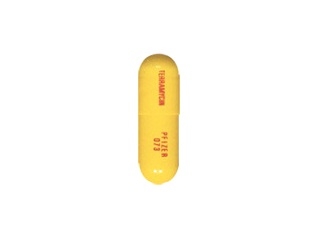
Terramycin (Oxytetracycline) — Patient Information (Australia)
Terramycin is a well-known antibiotic medicine containing oxytetracycline. It is used to treat certain bacterial infections. This page explains how it works, how it’s used, what to expect, and important safety information for people in Australia.
Please use this information alongside the advice of your healthcare professional and the product label. If you are unsure whether Terramycin is suitable for your condition, speak with a pharmacist or doctor.
Basic Product Information
- Medicine name: Terramycin
- Active ingredient: Oxytetracycline
- Medicines class: Tetracycline antibiotic
- Common formulations: Depending on brand and local supply (tablets/capsules and other forms may vary)
- How it is used: Treats specific infections caused by susceptible bacteria
Brand availability and formulation details can vary between pharmacies and suppliers. Your pharmacist can confirm the exact strength and form available at the time of purchase.
How Oxytetracycline Works (Mechanism of Action)
Oxytetracycline works by stopping bacteria from making essential proteins they need to grow and multiply. It does this by binding to the bacterial ribosome (the “protein-building machinery” inside bacteria), which blocks the normal attachment of transfer RNA. Without proper protein synthesis, bacterial growth slows and the infection can resolve.
Oxytetracycline is generally bacteriostatic (it inhibits bacterial growth rather than directly killing bacteria outright). In many infections, the body’s immune system then clears the bacteria.
Pharmacokinetics (Absorption, Distribution, Metabolism, Elimination)
Pharmacokinetics describes what the body does to a medicine (and what the medicine does to the body). While exact figures may differ by formulation and patient factors, the overall pattern for tetracyclines such as oxytetracycline is:
- Absorption: Oxytetracycline is absorbed from the gastrointestinal tract, but absorption can be reduced by certain foods and minerals.
- Protein binding & distribution: It distributes into many tissues and body fluids. It may accumulate in areas such as bone and teeth during growth.
- Metabolism: It is not extensively metabolised in the liver.
- Elimination: Mostly eliminated through the kidneys (urine). Kidney function can affect drug levels.
If you have impaired kidney function or take interacting medicines, your pharmacist or doctor may advise adjustments.
Typical Use in Practice
Terramycin/oxytetracycline is used for infections caused by susceptible bacteria. The exact choice of antibiotic depends on the infection type, local resistance patterns, and any allergies or previous antibiotic use.
Common clinical scenarios where tetracyclines may be considered include some respiratory, skin, and certain other bacterial infections. However, not all infections are suitable for this antibiotic.
Your healthcare professional will determine whether oxytetracycline is appropriate based on:
- Possible source of infection (e.g., skin, respiratory tract)
- Likely bacteria involved
- Past antibiotic use and treatment response
- Allergies and other health conditions
- Drug interactions (including mineral supplements/antacids)
Indications (When Terramycin May Be Used)
“Indications” refer to conditions where oxytetracycline is used. The specific labelled indications depend on the product and local regulatory status. In general, tetracyclines like oxytetracycline may be used for:
- Some bacterial infections where oxytetracycline is active against the causative organism
- Certain sexually transmitted or other specialist infections (depending on local guidance and organism susceptibility)
- Skin and soft-tissue infections caused by susceptible bacteria
- Other targeted infections where an appropriate antibiotic choice has been made
Because bacterial resistance varies, it’s important not to self-select an antibiotic. If symptoms worsen or do not improve, seek medical advice promptly.
Dosing: What to Expect
Dosing depends on the specific infection, severity, age, kidney function, and other medicines. Your pharmacist can confirm the prescribed or labelled dose for your particular product and strength.
Common general dosing patterns for tetracyclines include taking the medicine in divided doses to maintain effective levels during the day. For many adult regimens, the total daily dose is split into two or more administrations.
General guidance on how to take it
- Follow the instructions on your label exactly.
- Do not skip doses, and complete the full course as directed.
- Take with a full glass of water to help reduce stomach/esophageal irritation.
- Avoid lying down immediately after taking (for example, wait at least 30 minutes) if you experience reflux or swallowing discomfort.
Missed dose
- If you miss a dose, take it as soon as you remember.
- If it’s close to the next dose, skip the missed one and continue as normal.
- Do not take double doses to make up for a missed tablet.
If you are unsure what to do after missing a dose, ask your pharmacist.
Timing: When to Take Terramycin
Timing matters because oxytetracycline absorption can be affected by food and minerals. Many people are advised to take it:
- With an empty stomach when possible, or
- Away from dairy, antacids, and supplements that contain minerals
If your label instructions allow it, a practical schedule is:
- Take your dose at consistent times each day
- Take it either 1–2 hours before food or 2–3 hours after food (your product label and pharmacist advice may differ)
In some cases, taking oxytetracycline with a small amount of food may reduce nausea. If you choose this for tolerance, keep the timing consistent and avoid dairy/multivitamins with minerals near the dose.
Food Interactions (What to Avoid)
Oxytetracycline can bind to minerals in the gut, reducing absorption and effectiveness. Pay special attention to:
- Dairy products (milk, yoghurt, cheese, calcium-fortified drinks)
- Mineral supplements (calcium, magnesium, iron, zinc)
- Multivitamins containing minerals
- Antacids and products containing aluminium or magnesium
To reduce interaction risk:
- Separate oxytetracycline from mineral-containing products by at least 2 hours before or 4–6 hours after, depending on your label and pharmacist advice.
- If your schedule includes morning dairy or supplements, consider taking oxytetracycline later or earlier to maintain separation.
Please follow the specific instruction on your pack or from your healthcare professional, as spacing recommendations can vary by formulation and local guidance.
Alcohol and Medicine Interactions
Moderate alcohol may not directly “cancel out” oxytetracycline, but alcohol can worsen side effects such as stomach upset, nausea, dizziness, and dehydration. It may also affect recovery, especially if you’re ill with an infection.
For best results, it’s generally recommended to avoid or limit alcohol while taking antibiotics, particularly if you experience gastrointestinal symptoms or feel unwell.
Other medicine interactions to be aware of
Oxytetracycline can interact with several medicine types. Always tell your pharmacist about your current medicines, including over-the-counter products. Examples include:
- Isotretinoin / retinoids: increased risk of raised pressure in the skull (intracranial hypertension) has been reported with other tetracyclines.
- Antacids and mineral supplements: may reduce absorption.
- Warfarin (blood thinner): some antibiotics can affect bleeding risk; close monitoring may be needed.
- Oral contraceptives: antibiotic use can occasionally reduce effectiveness in some circumstances (additional contraception may be advised).
- Other antibiotics: may be synergistic or antagonistic depending on the combination.
- Anticonvulsants and enzyme inducers: may alter tetracycline levels.
This is not an exhaustive list. If you’d like, tell us what medicines you take and a pharmacist can check likely interactions.
Safety Profile: Key Risks and When to Seek Help
Most people tolerate oxytetracycline well, but side effects can occur. The sections below highlight important safety considerations for consumers in Australia.
Common side effects
- Gastrointestinal upset: nausea, vomiting, stomach pain, diarrhoea
- Reduced appetite
- Headache
- Skin sensitivity to sunlight (photosensitivity)
- Temporary change in taste (sometimes)
Serious side effects — get urgent medical advice
Stop the medicine and seek urgent medical help if you experience:
- Signs of an allergic reaction: swelling of face/lips, difficulty breathing, widespread rash, severe itching
- Severe or persistent diarrhoea (especially with fever or blood/mucus)
- Severe blistering rash or peeling skin
- Severe dizziness, vision changes, or severe persistent headache (possible raised intracranial pressure—rare but important)
- Yellowing of the eyes/skin or severe upper abdominal pain (possible liver problems)
Special populations
- Pregnancy: Tetracyclines can affect developing teeth and bones. Use in pregnancy should only be considered when specifically advised by a healthcare professional.
- Breastfeeding: Some tetracyclines may pass into breast milk. Advice should be sought before use.
- Children: Tetracyclines can affect tooth development in young children. Use should follow age-appropriate guidance.
- Kidney impairment: Because elimination is largely renal, kidney function may affect dosing and side effect risk.
Photosensitivity tips
- Avoid direct sunlight and sunbeds.
- Use protective clothing and broad-spectrum sunscreen.
- Stop and seek advice if you develop an unusually severe sunburn or rash.
Practical Use Tips (How to Get the Best Results)
- Take it the same way each time: consistent timing and separation from minerals improves reliability.
- Hydrate: a full glass of water can reduce irritation.
- Separate from dairy and minerals: milk, antacids, and supplements should not be taken close to your dose.
- Complete the course: even if you feel better early, finish as directed.
- Track symptom changes: note if fever or pain improves; if not, contact your healthcare professional.
- Consider stomach protection strategies: if your label permits, taking with a small, non-dairy snack may reduce nausea (avoid mineral-containing foods/fluids).
Alternative Options
Alternatives depend on the infection, bacterial susceptibility, and your medical history. Depending on the situation, clinicians may consider:
- Other antibiotic classes (e.g., penicillins, cephalosporins, macrolides) when appropriate
- Targeted therapies after cultures or susceptibility testing
- Topical treatments for certain skin infections (if suitable)
- Supportive care (hydration, pain control) alongside antibiotics
Your pharmacist can suggest questions to ask your doctor about suitable alternatives and clarify whether an alternative might better match your infection type or risk factors.
Market and Legal Context in Australia
Medicines availability in Australia is regulated under the Australian regulatory framework. Antibiotics are managed to support safe, effective treatment and reduce antimicrobial resistance.
Key points for customers:
- Quality and supply: Only purchase medicines from reputable, approved Australian suppliers or pharmacies.
- Antimicrobial stewardship: Correct antibiotic selection and completion of course helps reduce resistance.
- Safety checks: Pharmacists may ask questions about symptoms, allergies, pregnancy/breastfeeding status, age, kidney function, and interacting medicines before dispensing.
The availability of specific Terramycin/oxytetracycline products can change over time. Your pharmacy can confirm whether the requested strength/form is currently stocked or can be ordered in.
Recent Guidance and Antimicrobial Resistance Considerations
Over recent years, antimicrobial guidance in Australia and globally has emphasised:
- Use antibiotics only when needed and when a bacterial cause is likely.
- Choose the narrowest effective antibiotic whenever possible.
- Review treatment response early and reassess if symptoms don’t improve.
- Minimise unnecessary antibiotic exposure to help reduce resistance and side effects.
Tetracyclines may still be used in appropriate circumstances, but suitability depends on local resistance patterns and the likely organism. If you have concerns about whether oxytetracycline remains a good choice for your infection, ask your pharmacist or doctor to explain the reasoning.
Delivery and Availability
Online pharmacy delivery in Australia typically includes:
- In-stock dispatch: items are usually packed and sent promptly once payment and verification are completed.
- Dispensing checks: pharmacists may perform safety checks before dispatch.
- Shipping timeframes: delivery times vary by location (metro vs regional/remote areas).
- Packaging: medicines are sent in appropriate packaging to protect product quality.
Availability can vary by strength and formulation. If Terramycin/oxytetracycline is temporarily unavailable, your pharmacy may:
- Offer an alternative equivalent product (same active ingredient/strength) if appropriate, or
- Arrange ordering through established supply channels.
FAQ — Terramycin (Oxytetracycline)
1) What is Terramycin used for?
Terramycin contains oxytetracycline, an antibiotic. It’s used for certain bacterial infections where the bacteria are susceptible. Your healthcare professional determines suitability based on your symptoms and likely cause.
2) How long does it take to work?
Many infections show improvement within 24–72 hours. If you do not feel better within this timeframe (or symptoms worsen), contact your healthcare professional for review.
3) Can I take Terramycin with food?
For best absorption, oxytetracycline is often taken away from food—especially dairy and mineral-rich products. If nausea occurs, follow your label and pharmacist advice. Consistency is important.
4) Why can’t I take it with milk or calcium?
Calcium and other minerals can bind oxytetracycline in the gut, reducing absorption and lowering effectiveness.
5) What supplements should I avoid?
Avoid taking oxytetracycline at the same time as supplements containing calcium, magnesium, iron, or zinc. Separate doses by several hours; ask your pharmacist for the best spacing for your routine.
6) Can I drink alcohol while taking Terramycin?
Alcohol may increase stomach upset and can slow recovery. It’s best to avoid or limit alcohol during treatment, especially if you’re feeling unwell.
7) Is Terramycin safe for children?
Tetracyclines can affect tooth development in young children. Use in children should follow specific age and safety guidance from a healthcare professional.
8) What if I miss a dose?
Take it when you remember unless it’s near the next dose. Do not double up. If you’re unsure, ask your pharmacist.
9) What should I do if I get diarrhoea?
Mild diarrhoea can occur with antibiotics. However, seek medical advice urgently if diarrhoea is severe, persistent, or contains blood/mucus, or if you develop fever or significant abdominal pain.
10) Are there any warnings about sun exposure?
Yes. Oxytetracycline can make your skin more sensitive to sunlight. Use sunscreen, protective clothing, and avoid sunbeds.
11) Can I stop early because I feel better?
It’s important to complete the course as directed. Stopping early can contribute to treatment failure and antibiotic resistance.
Summary
Terramycin (oxytetracycline) is a tetracycline antibiotic used to treat certain bacterial infections. It works by blocking bacterial protein synthesis. To get the best effect, follow dosing instructions, separate from dairy and mineral-containing products, and complete the full course. If you develop severe diarrhoea, signs of allergy, or significant side effects, seek urgent medical advice.
If you have questions about how to take Terramycin with your specific routine (including supplements, antacids, or other medicines), consult a pharmacist for personalised guidance.
Note: This product information is for general guidance only and cannot replace advice from a healthcare professional or the medicine’s pack instructions.