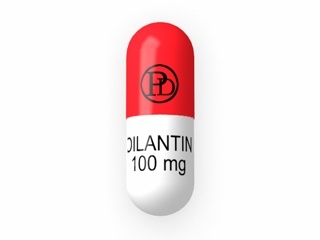

Dilantin® (Phenytoin) — Patient Information (Australia)
Dilantin is a brand of phenytoin, an antiepileptic medicine used to help control certain types of seizures. This guide explains how phenytoin works, how it behaves in the body, typical uses and timing, interactions (including food, alcohol and other medicines), dosing considerations, safety information, and practical tips for everyday use in Australia.
Always follow the directions given by your doctor and the product label. If you have questions about your specific situation, ask a pharmacist.
Key product information
| Medicine | Dilantin® (phenytoin) |
|---|---|
| Active ingredient | Phenytoin |
| Medicine type | Antiepileptic (antiepileptic/antiepileptic drug, AED) |
| Common dosage forms | Typically oral capsules and/or tablets (form and strength may vary by brand/stock) |
| How it’s used | To treat and prevent seizures, including certain seizure types |
| Important feature | Phenytoin levels can be sensitive to dose changes—monitoring may be needed |
How Dilantin (phenytoin) works (mechanism of action)
Phenytoin helps reduce abnormal electrical activity in the brain. It primarily works by:
- Stabilising neuronal membranes by limiting repetitive firing of neurons.
- Modulating sodium channels (it reduces the spread of seizure activity).
- Increasing the threshold required for a neuron to trigger a seizure.
In simpler terms, phenytoin helps make it harder for brain neurons to “fire too much” in a way that causes seizures.
Pharmacokinetics: how phenytoin moves through the body
Understanding pharmacokinetics can help explain why timing and consistency matter.
Absorption
- Phenytoin is absorbed from the gut after oral dosing.
- Food and stomach conditions may affect absorption for some formulations, so follow the product instructions and your clinician’s advice.
Distribution
- Phenytoin binds strongly to plasma proteins (albumin).
- Because of this, changes in albumin levels (for example, in serious illness or liver disease) may alter how much active medicine is available.
Metabolism
- Phenytoin is mainly metabolised by the liver (cytochrome P450 enzymes).
- It shows non-linear (saturable) pharmacokinetics—meaning small dose increases can lead to disproportionately higher blood levels.
Elimination
- Phenytoin is eliminated mostly via metabolites.
- The half-life can vary widely between people, and may change over time depending on liver function and other medicines.
Due to non-linear behaviour and interactions, doctors may monitor phenytoin blood levels and adjust dose carefully.
Typical uses of Dilantin (indications)
Phenytoin is used to treat and prevent certain seizure types, depending on clinical judgement and guidelines. Common indications include:
- Focal seizures (sometimes referred to as partial-onset seizures), especially when other treatments are not suitable or have not achieved control.
- Tonic-clonic seizures (including generalised tonic-clonic seizures), often in specific situations.
- Status epilepticus and other urgent seizure situations: in hospital settings, phenytoin may be used as part of emergency management (this section is informational; product forms and protocols vary).
Your doctor will choose the most appropriate seizure medicine based on seizure type, age, overall health, other conditions, and potential interactions.
Timing and how to take Dilantin
Consistency is important with phenytoin. Try to take your doses at the same times each day.
When to take doses
- If you take it once daily, choose a time that is easy to maintain daily.
- If you take it twice daily (or more frequently), space doses evenly.
- If you miss a dose, do not take a double dose to make up for it. Ask your pharmacist for advice based on how many doses you missed.
Starting and dose changes
When phenytoin is started or when the dose is adjusted, steady levels may take time. Your prescriber may consider blood level testing and/or symptom monitoring to fine-tune dosing.
Food interactions and what to expect
Food interactions with phenytoin can depend on the specific formulation. In general:
- It’s often recommended to take phenytoin consistently with regard to meals (for example, always with food or always on an empty stomach) unless your clinician tells you otherwise.
- A sudden change from taking it with food to not taking it with food may affect absorption for some people.
If you experience side effects such as dizziness, nausea, or unsteadiness after a schedule or food pattern change, contact your pharmacist. They can help review whether timing with meals might be relevant.
Alcohol interactions
Alcohol can increase the risk of side effects such as:
- Drowsiness or dizziness
- Impaired coordination (increased risk of falls)
- Worsening seizure control in some people, particularly with heavy or binge drinking
For safest use, it’s generally recommended to limit alcohol and avoid drinking if you notice that it affects your seizure control or makes you feel unwell on phenytoin.
Medicine interactions (important)
Phenytoin interacts with many medicines because it affects liver enzymes and is also metabolised by them. Some medicines can raise phenytoin levels (increasing toxicity risk), while others can lower levels (reducing seizure protection).
Examples of medicines that may increase phenytoin levels
- Some antibiotics/anti-microbials (e.g., certain macrolides, isoniazid, and others)
- Some antifungal medicines
- Cimetidine and some other medicines that can affect metabolism
- Valproate in some cases (and other antiepileptics can have complex effects)
Examples of medicines that may decrease phenytoin levels
- Rifampicin (tuberculosis medicine)
- Some other antiepileptics or medicines that increase metabolism
- St John’s wort (herbal supplement) can reduce levels and seizure control
Other interaction considerations
- Oral contraceptives: some seizure medicines can affect hormone levels. Do not rely on this information alone—ask a pharmacist about your specific product and regimen.
- Warfarin: phenytoin can change warfarin effect; frequent monitoring is often needed.
- Antacids and stomach medicines: some can change absorption. Follow your pharmacist’s advice.
Always tell your pharmacist and other healthcare providers about all medicines and supplements you take, including over-the-counter products and herbal remedies.
Dosing: how much is used and why it can be adjusted
Dosage varies widely based on seizure type, age, body size, and individual response. Because phenytoin has non-linear pharmacokinetics, dosing typically needs careful titration.
General principles (not personal dosing)
- Treatment often starts at a lower dose and is adjusted to achieve seizure control.
- Dose changes can produce large changes in blood concentration—so adjustments are usually gradual.
- Blood tests may be used to guide therapy, especially if control is incomplete or if side effects occur.
Missed doses
- If you miss a dose, take it when you remember unless it’s close to the next dose.
- Do not take extra doses to compensate. Ask your pharmacist for a personalised plan.
Stopping phenytoin
Do not stop phenytoin suddenly without medical advice. Stopping abruptly can increase the risk of seizures. If discontinuation is considered, it should be done gradually under clinician guidance.
Safety profile: side effects and warning signs
Like all medicines, phenytoin can cause side effects. Some are dose-related, and risk can be higher with high blood levels or interactions.
Common side effects
- Dizziness or unsteadiness
- Nausea or stomach discomfort
- Headache
- Blurred vision or changes in coordination
- Sleepiness or fatigue
- Gingival (gum) overgrowth (a known effect with long-term use in some people)
- Skin changes such as rash (see warnings below)
Serious and urgent warning signs
Seek urgent medical help if you develop signs of a serious reaction, such as:
- Severe rash, blistering, peeling skin, or mouth sores
- Fever, swollen glands, or signs of widespread illness with rash
- Unusual bruising/bleeding or extreme weakness
- Confusion, severe drowsiness, or worsening balance problems
- Signs of liver problems (yellowing of skin/eyes, dark urine, persistent upper abdominal pain)
Long-term considerations
- Some people may experience changes in blood counts or liver function; monitoring may be recommended.
- Rarely, prolonged use may be associated with bone health effects in some patients. Your clinician may consider vitamin D/calcium status and lifestyle measures.
Practical use tips for everyday life
- Be consistent: take your doses at the same times each day.
- Keep a medication list: include all prescriptions, over-the-counter medicines, vitamins and herbal products.
- Use a pill organiser if helpful, and avoid mixing up strengths/formulations.
- Pay attention to side effects early: dizziness and unsteadiness can be signs of high levels or interactions.
- Oral hygiene: gum overgrowth risk can be reduced with regular dental care and good brushing/flossing. Ask your dentist for advice.
- Driving and machinery: if phenytoin makes you drowsy or unsteady, avoid driving or operating machinery until you’re sure it doesn’t affect you.
Alternative options (if you need a different approach)
If phenytoin is not suitable due to side effects, interactions, or seizure control, there are other antiepileptic medicines available. The best alternative depends on seizure type and your medical history.
Common alternative antiepileptic medicines (examples)
- Levetiracetam
- Lamotrigine
- Carbamazepine
- Valproate (where appropriate)
- Oxcarbazepine
- Topiramate
Your clinician will assess benefits and risks. Some alternatives have fewer interactions or a different side-effect profile, but each medicine has its own considerations.
Market and legal context in Australia
In Australia, antiepileptic medicines are regulated medicines. The ability to supply and dispense Dilantin/phenytoin depends on local scheduling and the dispensing model used by pharmacies. Requirements may include verification of appropriate clinical information and adherence to medicines legislation.
Supply arrangements can also vary by manufacturer and stock availability. If you have difficulty obtaining phenytoin, speak with your pharmacist early—there may be options such as ordering in advance or discussing equivalent formulations.
Recent guidance and practical updates (what matters for patients)
While specific recommendations may change over time, the following themes are consistently emphasised in clinical practice:
- Maintain seizure control with consistent dosing and avoid abrupt changes.
- Be alert to drug–drug interactions, especially with antibiotics, antifungals, and other seizure medicines.
- Monitor for side effects and seek help promptly for serious rash or symptoms of toxicity.
- Consider blood level monitoring when dose changes occur, seizure control is not optimal, or side effects suggest high levels.
- Stay informed about formulation changes (brand and product form) and ask a pharmacist if switching products.
Your pharmacist can also check whether any Australian product information (for example, consumer medicine information) has updates relevant to you.
Delivery and availability in Australia (online pharmacy)
Availability may depend on local pharmacy supply and the specific strength/formulation requested. When ordering online, you may be able to choose home delivery or pick-up (depending on the service).
What to expect
- Stock status: some strengths or formulations may be temporarily unavailable.
- Delivery timeframes: vary by location and pharmacy dispatch schedules.
- Packaging: medicines are typically dispatched in secure packaging with patient information included.
If you need the medicine urgently, contact customer support so the pharmacy can advise on the fastest option.
FAQ about Dilantin (phenytoin)
1) How long does it take for phenytoin to start working?
Many people notice benefit within days, but full seizure control may take longer depending on dose and individual response. Blood levels can influence onset. If you have persistent seizures after starting or adjusting phenytoin, contact your clinician promptly.
2) Can I take Dilantin with food?
You can generally take phenytoin according to the product instructions and your clinician’s guidance. If your prescriber recommends a certain way (with or without food), try to keep that routine consistent.
3) What should I do if I miss a dose?
If you miss a dose, take it when you remember unless it’s near the next scheduled dose. Do not take double doses. Ask your pharmacist for advice based on your dosing schedule and how many doses you missed.
4) What signs suggest my phenytoin level might be too high?
Common signs of excessively high levels can include dizziness, unsteadiness, blurred vision, nausea, and severe drowsiness. If you experience these, especially after dose changes or new medicines, seek medical advice.
5) Can alcohol affect my seizures or medication?
Alcohol may worsen seizure control and can increase dizziness or drowsiness. It’s usually best to limit alcohol and avoid binge drinking. If alcohol affects you, speak with a pharmacist or clinician.
6) Are there interactions with antibiotics or antifungal medicines?
Yes. Some antibiotics/antifungal medicines can change phenytoin levels, leading to toxicity or reduced effectiveness. Always check with your pharmacist when starting any new medicine, including short courses.
7) Do I need blood tests?
Blood tests may be recommended for phenytoin levels and/or liver function and blood counts, especially when starting, adjusting dose, or if side effects or control issues occur. Your clinician will determine what is appropriate.
8) Is it safe to stop phenytoin suddenly?
No. Stopping suddenly can increase seizure risk. If you want to stop or change treatment, do so only with clinician guidance.
9) Can I switch between brands or formulations?
Switching between brands or formulations can sometimes affect blood levels and how you respond. If a switch is necessary, ask your pharmacist to review the equivalence and advise on monitoring and timing.
10) What should I do if I develop a rash?
Any rash should be taken seriously. Seek medical help urgently if the rash is severe, blistering, involves the mouth/eyes, or is accompanied by fever or feeling very unwell.
Summary
Dilantin (phenytoin) is a well-established antiepileptic medicine used to help prevent certain seizure types. It works by stabilising neuronal activity, but it has non-linear pharmacokinetics and can interact with many medicines and (to a lesser extent) food. Consistent daily timing, careful attention to side effects, and checking interactions when starting new medicines are key to safe use.
For personalised advice about your dosing schedule, interactions, or whether a change in food, alcohol, or another medicine might affect you, speak with a pharmacist.