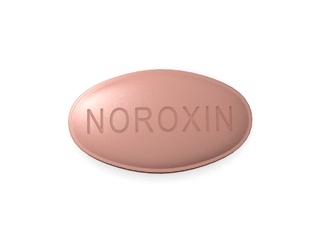
Noroxin (Norfloxacin) – Patient Information for Australia
Noroxin contains norfloxacin, an antibiotic medicine used to treat certain bacterial infections. This guide is written to help you understand how it works, how it’s usually taken, what to watch for, and what to consider to use it safely and effectively.
Important: Always follow the directions provided with your medicine and any advice from a healthcare professional.
1) Basic Product Information
- Medicine name: Noroxin
- Active ingredient: Norfloxacin
- Medicine type: Antibiotic (fluoroquinolone class)
- Uses: Selected bacterial infections, particularly some urinary tract infections
- Brand availability: Brand names may vary; Noroxin is known internationally, and availability depends on Australian supply
How it comes: Norfloxacin is commonly supplied as tablets. Your pack will state the strength (for example, 400 mg) and dosing instructions.
2) How Noroxin Works (Mechanism of Action)
Norfloxacin belongs to the fluoroquinolone antibiotic group. It works by interfering with essential bacterial enzymes required for DNA replication.
- Inhibits DNA gyrase (topoisomerase II): This prevents bacteria from copying and repairing their DNA.
- Inhibits topoisomerase IV: This blocks bacterial cell division and growth.
Result: The infection-causing bacteria cannot multiply, allowing the immune system to clear the infection.
Note on effectiveness: Antibiotics work against bacteria, not viruses. Noroxin will not treat common colds or influenza.
3) Pharmacokinetics (Absorption, Distribution, Metabolism, Excretion)
Understanding how the body handles norfloxacin can help explain dosing and food interactions.
- Absorption: Norfloxacin is absorbed after oral dosing, but absorption can be reduced by certain foods and supplements.
- Peak levels: After taking a dose, blood levels rise to a highest (“peak”) concentration before gradually declining.
- Distribution: Norfloxacin can reach relevant body fluids and tissues, including urinary tract tissues, which is why it has been used for urinary infections.
- Metabolism: A portion may be metabolised in the body.
- Elimination: Most is eliminated via the kidneys, contributing to its effect in the urine.
Why this matters: Because norfloxacin is largely eliminated through the kidneys, kidney function can affect dosing needs.
4) Typical Uses and Indications
Norfloxacin has historically been used for certain infections caused by susceptible bacteria. In practice, it’s mainly associated with treatment of:
- Uncomplicated urinary tract infections (UTIs) caused by susceptible organisms (as directed by local clinical guidance and testing where appropriate)
- Some complicated urinary tract infections in selected situations, depending on organism susceptibility and clinical assessment
- Other bacterial infections when a clinician determines fluoroquinolone therapy is appropriate and benefits outweigh risks
Susceptibility matters: The effectiveness of any antibiotic depends on whether the bacteria are sensitive to it. When feasible, culture and sensitivity testing improves the chance of correct treatment.
5) Dosing – What “Typical” Looks Like
Dosing must be individualised. The information below is provided to help you understand common patterns described in prescribing information and clinical practice. Always use your specific prescription label directions.
Typical adult dosing patterns (general guidance)
Common regimens reported for norfloxacin in urinary infections may include:
- Uncomplicated UTIs: often taken twice daily (e.g., every 12 hours)
- Some other indications: may involve different schedules (for example, more frequent dosing) depending on the infection and susceptibility
How to take doses
- Try to take doses evenly spaced: If your schedule is twice daily, aim for morning and evening doses.
- Don’t skip doses: If you miss a dose, take it when you remember if it’s close to the next dose; otherwise, skip and continue your schedule.
- Complete the course: Finishing the prescribed number of days helps reduce relapse and resistance.
Kidney considerations
If you have reduced kidney function, your prescriber may adjust the dose or dosing interval. Let your clinician know if you have any kidney problems or are on dialysis.
6) Timing – Best Times of Day and How Long to Take
Follow the schedule on your medicine label. In general:
- Twice daily regimens: often correspond to every 12 hours.
- Once daily regimens (if advised): take at the same time each day.
- Duration: varies by infection type and severity. Many antibiotic courses for urinary infections last only a few days, while others may be longer.
Seek advice if you’re not improving: If symptoms (such as burning with urination, urgency, or fever) do not start to improve within the expected timeframe, contact your healthcare provider.
7) Food Interactions and What to Avoid
Food and dietary supplements can affect norfloxacin absorption. To improve consistency, consider the following practical guidance.
General advice
- Take with water.
- Follow label directions regarding food. Some antibiotic regimens are taken with meals to reduce stomach upset; others require spacing from certain foods or minerals.
Minerals and supplements
Norfloxacin may bind with certain minerals, reducing absorption. Be cautious with:
- Antacids containing aluminium or magnesium
- Iron supplements
- Zinc supplements
- Calcium supplements
- Multivitamins containing iron, zinc, or calcium
Practical spacing tip: If your regimen allows, separate norfloxacin from these products by at least 2–4 hours (or as instructed by your pharmacist/label). This spacing helps ensure proper absorption.
Dairy (milk/cheese) and beverages
Dairy products may interfere with absorption for some antibiotics, especially those affected by minerals and calcium. If you’re unsure, ask a pharmacist whether dairy needs to be separated for your specific norfloxacin regimen.
8) Alcohol and Medicine Interactions
Alcohol
While norfloxacin is not always described as having a direct “alcohol-disulfiram-like” reaction, drinking alcohol can:
- Worsen side effects such as dizziness or nausea
- Make it harder to stay hydrated (important during urinary infections)
- Potentially delay recovery
Recommendation: It’s best to limit or avoid alcohol while you’re taking an antibiotic, and especially if you experience any side effects.
Other medicine interactions (important)
Some medicines can interact with norfloxacin by affecting absorption, kidney clearance, or heart rhythm.
- Antacids and mineral-containing products (aluminium/magnesium) – reduce absorption
- Iron, zinc, calcium supplements – reduce absorption if taken too close together
- Warfarin or other blood thinners – may increase bleeding risk (your clinician may monitor clotting more closely)
- Diabetes medicines (such as insulin or sulfonylureas) – fluoroquinolones may affect blood sugar levels
- Antiarrhythmics or other medicines that affect heart rhythm – may increase risk of QT prolongation
- Non-steroidal anti-inflammatory drugs (NSAIDs) – may increase risk of certain central nervous system effects in some people
- Theophylline – may increase risk of side effects
Always tell your pharmacist/doctor about every medicine you take, including over-the-counter products, herbal supplements, and vitamins.
9) Safety Profile – Common and Serious Side Effects
Most people tolerate norfloxacin reasonably well, but all medicines can cause side effects. Below are common and potentially serious effects to recognise early.
Common side effects
- Nausea
- Stomach discomfort or mild abdominal pain
- Headache
- Dizziness
- Diarrhoea (mild, short-lasting)
- Vaginal yeast infection in some people
Serious side effects – get urgent medical advice
Seek urgent medical attention if you experience any of the following:
- Allergic reaction (swelling of face/lips, hives, severe rash, wheezing, trouble breathing)
- Severe or persistent diarrhoea, especially if watery or bloody (possible antibiotic-associated colitis)
- Tendon pain or swelling (e.g., Achilles tendon) or difficulty walking (rare but serious risk of tendon injury)
- Severe nerve symptoms such as tingling, burning pain, numbness, or weakness
- Heart rhythm symptoms (fainting, marked palpitations, severe dizziness)
- Severe central nervous system symptoms (confusion, hallucinations, seizures)
- Worsening mood or behaviour changes
Who may be at higher risk?
- People with a history of tendon problems
- Older adults
- People taking corticosteroids
- People with kidney disease
- People with certain heart rhythm risks
If you fall into one of these groups, discuss the risk/benefit of norfloxacin with your healthcare provider.
10) Practical Use Tips (How to Get the Best Outcome)
- Stay hydrated: Drink adequate water unless you’ve been told to restrict fluids.
- Take at consistent times: Helps maintain reliable antibiotic levels.
- Separate mineral supplements: Keep an interval from iron/zinc/calcium/antacids unless your pharmacist advises otherwise.
- Monitor symptoms: If urinary symptoms worsen, fever develops, or pain in the back/flank occurs, seek medical advice promptly.
- Don’t stop early: Stopping early increases the chance of treatment failure and resistance.
- Use gentle measures: For UTI discomfort, consider fluids and symptom relief strategies discussed with a pharmacist (e.g., urinary analgesics where appropriate in Australia).
Driving and machinery: If you feel dizzy or lightheaded, avoid driving or operating machinery until you know how the medicine affects you.
11) Alternative Treatment Options
Antibiotic choice depends on:
- the type of infection
- likely bacteria and local resistance patterns
- your kidney function
- allergies and previous antibiotic exposures
Possible alternatives for urinary infections may include antibiotics from different classes (for example, depending on the clinical scenario):
- Nitrofurantoin (commonly used for uncomplicated cystitis in appropriate patients)
- Trimethoprim or trimethoprim-sulfamethoxazole (where appropriate based on susceptibility)
- Amoxicillin-clavulanate (selected cases)
- Cephalosporins (selected infections)
- Other fluoroquinolones (in specific situations where benefits outweigh risks)
Why options differ: Some antibiotics are preferred over others because of safety profiles, effectiveness for the infection site, and resistance considerations.
Non-antibiotic strategies: For uncomplicated lower urinary tract symptoms, clinicians may consider supportive care and testing (e.g., urinalysis/culture) before or alongside antibiotics, depending on severity and guidelines.
12) Market, Regulatory and Legal Context in Australia
In Australia, antibiotic medicines are regulated to ensure appropriate use and safety. Medicines can be listed under different scheduling categories depending on the product and strength.
- Antibiotic stewardship: Australia follows antimicrobial stewardship principles to reduce resistance and ensure patients receive the right antibiotic for the right infection.
- Clinical assessment: Correct diagnosis and selection of treatment is important, particularly for urinary symptoms that may overlap with other conditions.
- Availability: Stock may vary between pharmacies and suppliers due to demand and supply constraints.
Recent practice trends: For many infections, fluoroquinolones are used more selectively than in the past due to risk considerations and evolving resistance patterns.
13) Recent Guidance and Stewardship Considerations
Australian clinical guidance and broader international stewardship efforts generally emphasise:
- Using antibiotics only when needed and when bacterial infection is likely
- Matching antibiotic choice to local resistance patterns
- Limiting broad-spectrum antibiotics when narrower options are suitable
- Reviewing treatment response (e.g., if symptoms are not improving)
Because fluoroquinolones can cause uncommon but serious side effects, clinicians may prefer other options for uncomplicated urinary infections when appropriate. Your healthcare provider will determine the best choice for your situation.
14) Delivery and Availability (Online Pharmacy Experience in Australia)
Availability of Noroxin can vary. When ordering online through an Australian pharmacy:
- Confirm product details: Check that the medicine strength and form match what you need.
- Check delivery times: Delivery speed can vary by state and postcode.
- Cold chain: Norfloxacin tablets are typically stored at room temperature (follow pack instructions).
- Packaging: Your order is typically supplied in secure, tamper-evident packaging.
Store safely: Keep tablets in the original container, protected from moisture and heat, and out of reach of children.
15) FAQ – Frequently Asked Questions
How soon will I feel better after starting Noroxin?
Many people notice some improvement within 24–48 hours. If your symptoms are not improving after this time, or if they worsen (especially fever or back/flank pain), contact your healthcare provider promptly.
Can I take Noroxin with food?
Food can affect absorption. Follow the instructions on your medicine label or pharmacist advice. If you experience stomach upset, taking with food may be helpful in some regimens—confirm this with your pharmacist for your specific product.
Should I avoid dairy or antacids while taking Noroxin?
Because minerals can interfere with absorption, antacids and supplements containing aluminium/magnesium and minerals like iron, zinc, or calcium are commonly recommended to be taken at a separate time. Dairy may also matter depending on the regimen. Ask your pharmacist for the exact spacing guidance.
Is it safe to drink alcohol while taking Noroxin?
It’s generally best to limit or avoid alcohol during treatment. Alcohol can worsen side effects like dizziness and nausea and can interfere with recovery.
What if I miss a dose?
Take it when you remember if it is close to your next dose. If it’s near the next scheduled dose, skip the missed dose and continue as usual. Do not double up to make up for a missed dose.
Can I take Noroxin if I have kidney problems?
Your dose may need adjustment. Inform your healthcare provider if you have kidney impairment or reduced kidney function.
Are there any signs that mean I should stop and seek help?
Seek urgent medical advice if you develop severe rash, difficulty breathing, significant allergic symptoms, severe or persistent diarrhoea (especially with blood), tendon pain/swelling, or symptoms affecting nerves or the heart rhythm.
How do I prevent antibiotic-associated diarrhoea?
Stay hydrated and contact your healthcare provider if diarrhoea is severe, persistent, or bloody. Avoid anti-diarrhoeal medicines unless a clinician advises you, especially if you suspect severe antibiotic-associated colitis.
What should I do if my symptoms return after finishing the course?
Do not repeat antibiotics on your own. Contact your healthcare provider. Recurrence may require urine testing, different antibiotic selection, or evaluation for contributing factors.
Summary
Noroxin (norfloxacin) is an oral antibiotic in the fluoroquinolone class used to treat certain bacterial infections, particularly some urinary tract infections caused by susceptible organisms. It works by disrupting bacterial DNA processes. Because absorption and safety can be influenced by food supplements, other medicines, and individual risk factors, it’s important to take it exactly as directed and to be alert to side effects—especially allergic reactions, tendon pain, nerve symptoms, and severe diarrhoea.
If you have questions about dosing timing, interactions with vitamins/minerals, or whether Noroxin is appropriate for your specific symptoms, speak with a pharmacist or healthcare professional.
| Topic | Key Points |
|---|---|
| Medicine | Noroxin (norfloxacin) – fluoroquinolone antibiotic |
| How it works | Inhibits bacterial enzymes needed for DNA replication |
| Where it acts | Reaches urinary tract tissues; largely eliminated via kidneys |
| Typical use | Selected bacterial UTIs and other susceptible infections as guided clinically |
| Timing | Take at consistent times; spacing may be needed from minerals/antacids |
| Food interactions | Avoid taking close to antacids and mineral supplements (iron/zinc/calcium); ask about dairy if unsure |
| Alcohol | Limit/avoid alcohol; may worsen side effects and recovery |
| Important interactions | Blood thinners (e.g., warfarin), diabetes medicines, antacids/minerals, and some heart-rhythm medicines |
| Safety watch-outs | Allergy, tendon pain, nerve symptoms, severe diarrhoea, heart rhythm symptoms—seek urgent advice if they occur |