Ampicillin (Acillin) – Patient Guide (Australia)
Ampicillin, sold under brand names such as Acillin, is a well-known penicillin-class antibiotic used to treat certain bacterial infections. This guide is written in patient-friendly language to help you understand what it’s for, how it works, how it behaves in the body, and how to use it safely.
Always follow the instructions given by your doctor or healthcare professional. If you have any questions about suitability for you, check with a pharmacist.
Basic product information
- Active ingredient: Ampicillin (often available as ampicillin trihydrate or similar forms)
- Medicine class: Penicillin (beta-lactam) antibiotic
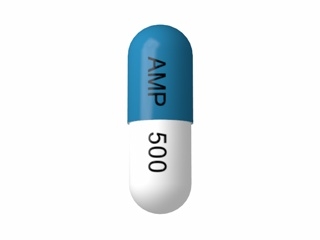
- Common formulation types: Oral capsules/tablets, oral suspensions (brand and strength vary)
- Typical storage: Store as directed on the pack (commonly at room temperature; keep dry)
- Brand name example: Acillin (product availability and formulations can vary)
Note: Exact strength, formulation, and dosing schedules vary by product and by the infection being treated. Choose the correct product strength and follow the prescribed instructions for your situation.
How ampicillin works (mechanism of action)
Ampicillin kills susceptible bacteria by interfering with their ability to build a strong cell wall. Bacteria need cell-wall “cross-linking” to survive; ampicillin inhibits the enzymes (commonly referred to as penicillin-binding proteins) involved in that process. As a result, the bacterial cell wall becomes unstable and the bacteria die or stop growing.
- Class effect: Beta-lactam antibiotics (penicillins)
- Best for: Certain Gram-positive and some Gram-negative bacteria
- Not effective for: Viral infections (e.g., colds and flu) and bacteria resistant to penicillins
Pharmacokinetics (how ampicillin moves through the body)
Pharmacokinetics describes how a medicine is absorbed, distributed, metabolised, and eliminated. While individual responses vary, the following overview reflects typical ampicillin behaviour.
Absorption
- Ampicillin is generally absorbed after oral dosing, though absorption may be affected by food.
- Oral dosing is commonly used for susceptible infections when appropriate.
Distribution
- Ampicillin distributes into many body tissues and fluids.
- Penetration into certain sites (e.g., inflamed areas or specific body spaces) can be improved by local inflammation.
Metabolism
- Ampicillin is not extensively metabolised by the liver compared with some other drug classes.
Elimination
- Most of the drug is eliminated via the kidneys.
- Your healthcare professional may adjust the dose if you have kidney impairment.
Practical takeaway: Because elimination relies heavily on the kidneys, kidney function matters for dosing and safety.
Typical uses (indications)
Ampicillin is used for infections caused by bacteria that are susceptible to it. In practice, it may be selected based on the likely bacteria involved, local resistance patterns, and (when available) culture results.
Common categories of infections where ampicillin may be considered include:
- Respiratory tract infections caused by susceptible bacteria (specific diagnoses depend on local guidance)
- Urinary tract infections (UTIs) due to ampicillin-susceptible organisms
- Ear, nose, and throat infections in appropriate cases
- Skin and soft tissue infections caused by susceptible bacteria
- Some gastrointestinal and other bacterial infections as determined by clinical assessment
The exact use depends on the infection site, severity, patient factors (including allergies), and antibiotic resistance. Some infections may require broader-spectrum antibiotics or amoxicillin/clavulanate, depending on suspected pathogens.
When and how to take ampicillin (timing)
Taking ampicillin at consistent times helps maintain appropriate antibiotic levels in the body. The exact schedule may vary, but typical regimens are two to four times daily depending on the product strength and infection.
General timing guidance
- Take at regular intervals (e.g., every 6, 8, or 12 hours, depending on your directions).
- Finish the full course unless your prescriber tells you to stop early.
- Do not skip doses. If you miss one, follow the “Missed dose” guidance below.
Missed dose
If you miss a dose:
- Take it as soon as you remember.
- If it is close to the next dose, skip the missed dose.
- Do not double to make up for the missed dose.
If you’re unsure what to do, consult a pharmacist for advice specific to your dosing schedule.
Food interactions and taking with meals
Food can influence how well ampicillin is absorbed. As a general practical approach:
- Many patients are advised to take ampicillin with food if it causes stomach upset.
- However, absorption and effectiveness may differ between products; follow the instructions on your specific pack or those given by your clinician.
If your pack instructions say to take on an empty stomach: follow those directions. If your pack does not specify, or if you experience nausea, taking with light food is often a practical strategy—ask a pharmacist if you have concerns.
Alcohol and medicine interactions
Alcohol: While ampicillin does not have a classic “disulfiram-like” reaction, alcohol can still be problematic. It may worsen side effects such as stomach irritation, headache, and tiredness, and it can also reduce your ability to recover from infection.
- Recommended: avoid or minimise alcohol while you’re unwell and taking antibiotics.
- If you choose to drink, keep it modest and stop if you feel unwell.
Other medicine interactions: Ampicillin can interact with certain medicines. Examples include:
- Allopurinol: may increase the risk of rash when combined with certain penicillins.
- Oral anticoagulants (e.g., warfarin): antibiotics may affect gut bacteria and vitamin K balance, which can alter INR in some people.
- Probenecid: can affect kidney handling of penicillins and may increase ampicillin levels.
- Other antibiotics: combinations depend on the infection and intended effect; avoid self-mixing antibiotic regimens.
- Oral contraceptives: the evidence is mixed; severe diarrhoea or vomiting can reduce absorption and effectiveness.
Provide your pharmacist with a list of all medicines, vitamins, and supplements you take, including over-the-counter products.
Safety profile (who should be careful)
Common side effects
Like all medicines, ampicillin can cause side effects. Common ones include:
- Gastrointestinal upset (nausea, vomiting, diarrhoea)
- Rash or skin irritation
- Headache
- Oral thrush or other yeast overgrowth in some people
Serious side effects (seek urgent medical help)
Contact urgent care or emergency services immediately if you experience signs of a severe allergic reaction. These may include:
- Swelling of the face, lips, tongue, or throat
- Difficulty breathing or wheezing
- Severe widespread rash or blistering
- Fainting or severe dizziness
Also seek medical attention promptly if you develop:
- Severe or persistent diarrhoea (especially with fever or blood/mucus), which may indicate antibiotic-associated colitis
- Signs of liver problems (e.g., yellowing of the skin/eyes, dark urine, severe fatigue)
- Severe blistering skin reactions
Allergy considerations
- People with a known penicillin allergy or previous severe beta-lactam reactions should not take ampicillin unless a clinician advises otherwise.
- If you have had a mild rash with a penicillin before, your healthcare professional may still assess risk carefully.
Kidney function
Because ampicillin is cleared by the kidneys, dose adjustment may be necessary if you have reduced kidney function. Tell your clinician/pharmacist if you have kidney disease.
Mononucleosis (glandular fever)
Ampicillin is generally avoided in patients with suspected or confirmed infectious mononucleosis, because it can increase the likelihood of rash. If you’ve been told you may have glandular fever, ask your healthcare provider before taking antibiotics.
Dosing (general information)
Dosing depends on the specific infection, severity, patient age/weight, kidney function, and the product strength. Your prescription directions and the instructions on the medication pack should always be followed.
Typical adult dosing patterns (illustrative)
Ampicillin regimens commonly involve multiple daily doses due to dosing frequency requirements. A clinician may choose a schedule such as:
- Every 6 hours (four times daily)
- Every 8 hours (three times daily)
- Every 12 hours (twice daily) depending on formulation and indication
Important: The correct dose in milligrams (mg) and the exact schedule must be determined for your situation. Do not self-adjust doses.
Children and special populations
- Paediatric dosing is usually weight-based.
- Older adults and those with kidney impairment may require adjustments.
If you are using a liquid suspension, confirm the correct measurement method (e.g., oral syringe). Avoid guessing—incorrect dosing is a common cause of treatment failure or side effects.
Practical use tips for best results
- Start promptly once you have the medicine (when appropriate for your clinician’s plan).
- Keep consistent timing to maintain effective antibiotic levels.
- Complete the full course even if you feel better early.
- Use good hydration especially if you’re experiencing mild diarrhoea or nausea.
- Track side effects. If diarrhoea, rash, or vomiting becomes significant, contact a pharmacist or doctor.
- Don’t share antibiotics. The right drug and dose depend on diagnosis and lab results.
About bacterial resistance: Finishing the course and using antibiotics only when needed helps reduce the risk of resistance. If symptoms do not improve after a reasonable time, seek medical advice rather than extending the antibiotic on your own.
Alternative options (depending on infection and susceptibility)
If ampicillin is not suitable due to allergy, resistance, or infection type, clinicians may consider other antibiotics or management strategies. Alternatives may include:
- Amoxicillin (similar class; often used for many common infections)
- Amoxicillin/clavulanate (adds beta-lactamase inhibition for certain resistant bacteria)
- Cephalosporins (selected based on the likely organism and allergy history)
- Macrolides (e.g., for certain respiratory infections or penicillin allergy scenarios)
- Other targeted antibiotics based on culture results
The best alternative depends on the infection, local resistance, and your medical history. A pharmacist can help you understand which options may be appropriate in general terms.
Market and legal context in Australia
In Australia, antibiotics are regulated under the Therapeutic Goods Administration (TGA) and controlled through the Australian regulatory and prescribing frameworks to support safe and effective use. Availability can vary by brand, formulation, and classification rules.
The Australian healthcare approach emphasises antibiotic stewardship—using the right antibiotic, at the right dose, for the right duration, to limit resistance and adverse outcomes.
Online pharmacies may provide medicines subject to the relevant Australian rules and safety checks. Always ensure the medicine you purchase is suitable for you. If you are uncertain about whether ampicillin is appropriate, consult a healthcare professional.
Recent guidance and antibiotic stewardship (general)
Antibiotic guidance continues to focus on:
- Using antibiotics only when bacterial infection is likely or confirmed
- Choosing narrowest effective therapy whenever possible
- Reviewing treatment if there is no clinical improvement
- Reducing unnecessary antibiotic exposure
If your symptoms do not improve or worsen, contact a healthcare professional rather than continuing antibiotics indefinitely. They may reassess the diagnosis or arrange tests such as cultures to guide therapy.
Delivery and availability (online pharmacy)
Availability of ampicillin/Acillin products can vary by formulation strength and supply. When ordering online in Australia, delivery time depends on the pharmacy’s processing workflow and your location.
- Dispatch: commonly occurs after verification and processing
- Delivery timeframe: varies; typical residential delivery may be within a few business days
- Tracking: many services offer tracking updates
- Packaging: medicines should arrive in secure, tamper-evident packaging
For the most accurate information, check the delivery options and estimated timeframes shown at checkout. If you need the medicine urgently, contact customer support before placing the order.
Storage, handling, and disposal
- Store at the temperature and conditions stated on the label.
- Keep out of reach of children.
- For suspensions, follow reconstitution instructions and note any “discard after” dates on the label.
- Do not use medicine after the expiry date.
- Return unused medicine to a pharmacy collection point where available, or dispose according to local guidance.
FAQ
1) What infections is ampicillin used for?
Ampicillin is used for infections caused by bacteria that are susceptible to it, as determined by clinical assessment and, when available, culture and sensitivity results. Your clinician selects it based on the likely organisms and your specific situation.
2) How soon will I feel better?
Some improvement can occur within 24–48 hours, depending on the infection and severity. If there is no improvement or symptoms worsen, contact a healthcare professional for reassessment.
3) Can I take ampicillin with food?
Food may affect absorption. Many people are advised to take antibiotics with food if they cause nausea, but follow the instructions on your specific product label. If you were told to take it on an empty stomach, follow those directions.
4) Is it safe to drink alcohol while taking ampicillin?
There is no widely used “dangerous interaction” like some other drug combinations, but alcohol can still worsen side effects and delay recovery. It’s generally best to avoid or limit alcohol while you’re unwell and taking antibiotics.
5) What should I do if I miss a dose?
Take it as soon as you remember unless it is close to the next dose. Do not take a double dose. If you are unsure, ask a pharmacist.
6) Can I stop early if I feel better?
You should usually complete the full course to reduce the risk of relapse and antibiotic resistance. Only stop early if a clinician advises you.
7) What if I develop diarrhoea?
Mild diarrhoea can occur. Seek medical advice promptly if diarrhoea is severe, persistent, or contains blood/mucus, or if you develop fever or significant abdominal pain.
8) What if I get a rash?
A mild rash may be monitored with advice, but any rash that is severe, widespread, accompanied by breathing difficulties, facial swelling, or blistering should be treated as urgent—seek immediate medical help.
9) Who should not take ampicillin?
People with a known allergy to penicillins or a history of severe beta-lactam reactions should avoid ampicillin unless a clinician specifically advises otherwise. Also take extra care if you have kidney disease and if you might have glandular fever.
10) Are there alternatives if ampicillin isn’t suitable?
Yes. Depending on the infection and your medical history, healthcare professionals may choose other antibiotics such as amoxicillin, amoxicillin/clavulanate, or different classes. The choice depends on suspected bacteria and susceptibility.
Quick reference table
| Topic | What to know |
|---|---|
| Medicine type | Penicillin-class antibiotic (beta-lactam) |
| How it works | Stops bacterial cell-wall formation by inhibiting enzymes involved in cross-linking |
| Food effects | Food may affect absorption; follow pack instructions (with food if advised for stomach upset) |
| Alcohol | Generally best to avoid/limit; can worsen side effects and recovery |
| Key safety risks | Allergic reactions; antibiotic-associated diarrhoea/colitis; possible severe skin reactions |
| Typical use | Bacterial infections caused by susceptible organisms (varies by diagnosis) |
| Timing | Take at regular intervals and complete the full course |
| Elimination | Primarily by the kidneys; dose may require adjustment in kidney impairment |
Important: If you experience any severe allergic symptoms, signs of serious diarrhoea, or concerning reactions, seek medical help immediately. For questions about your specific infection, dosing schedule, or interactions with your current medicines, speak with a pharmacist or healthcare professional.