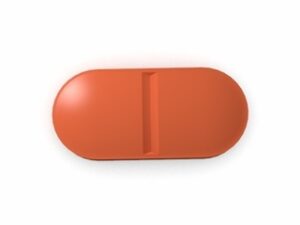
Minomycin (Minocycline) — Patient-Friendly Guide (Australia)
Minomycin contains minocycline, a member of the tetracycline group of antibiotics. It is used to treat a range of bacterial infections and is also prescribed for certain inflammatory skin conditions. This guide explains how Minomycin works, how it behaves in the body, common uses, dosing considerations, important interactions, and practical tips to help you use it safely.
| What it is | Minomycin (minocycline) |
|---|---|
| Drug class | Tetracycline antibiotic |
| Common forms | Oral tablets or capsules (strength varies by product) |
| How it works | Stops bacteria from making essential proteins |
| Typical uses | Bacterial infections; sometimes acne/rosacea depending on clinician assessment |
| Key food/interaction issue | Minerals (dairy, iron, antacids) can reduce absorption |
| Important safety notes | Avoid with pregnancy; watch for serious side effects (see Safety section) |
Basic product information
Minomycin is a brand of minocycline, a prescription-only medicine in Australia (as are most antibiotics). The exact strength and formulation (for example, immediate-release tablets/capsules) can vary by product packaging.
Minocycline works against many bacteria by interfering with their ability to grow and multiply. Depending on the condition being treated, your clinician may use it alone or with other medicines.
Mechanism of action (how Minomycin works)
Minocycline is a bacteriostatic antibiotic, meaning it primarily slows or stops bacterial growth rather than directly killing bacteria outright.
- Protein synthesis inhibition: Minocycline binds to the 30S ribosomal subunit of susceptible bacteria.
- Prevents growth: By blocking attachment of amino acids during protein production, bacteria can’t produce essential proteins needed for survival and replication.
In some infections, this bacteriostatic effect is sufficient for the immune system to clear the infection over time.
Pharmacokinetics (how the body processes it)
Pharmacokinetics describes what the body does to a medicine—how it’s absorbed, distributed, metabolised, and eliminated.
- Absorption: Minocycline is absorbed after oral dosing. Absorption can be reduced by substances that bind the drug in the gut.
- Distribution: It distributes into many tissues, which is why it can be used for certain systemic infections.
- Metabolism: Minocycline undergoes hepatic (liver) processing to some extent.
- Elimination: It is eliminated mainly via hepatic and biliary routes and to a lesser extent via renal (kidney) routes.
Because minocycline can persist in the body for a period, adherence to the prescribed schedule is important to maintain effective levels.
Typical uses and indications
Minomycin may be recommended for certain bacterial infections where the responsible organism is susceptible to tetracyclines. It may also be used for some inflammatory conditions involving bacteria and immune/inflammatory pathways.
Common indications may include (depending on local guidance and clinician assessment):
- Acne vulgaris or other acneiform eruptions (where appropriate)
- Some skin and soft tissue infections caused by susceptible bacteria
- Respiratory tract infections in selected cases
- Other specific bacterial infections determined by diagnosis and susceptibility
- Diseases where minocycline is specifically effective (e.g., certain tick/atypical pathogens may be treated with tetracyclines)
Not every infection is suitable for minocycline. The choice depends on the likely bacteria, severity, patient factors, and possible alternatives.
When to take Minomycin (timing and routine)
Follow the dosing schedule provided with your medicine. If you need a simple routine:
- Take at the same time each day to help maintain consistent blood levels.
- With water: Swallow tablets/capsules with a full glass of water.
- Remain upright: To reduce the risk of throat irritation or heartburn, stay upright for at least 30 minutes after taking.
- Duration matters: Even if you feel better, complete the course unless your clinician advises otherwise.
If you miss a dose: Take it as soon as you remember, unless it’s close to your next dose. Do not take a double dose to catch up.
Dosing (general information)
Dose varies by condition, age, kidney/liver function, and how the medicine is tolerated. It’s important to use the dose and schedule specifically prescribed for you.
General dosing considerations:
- Adults: Common regimens involve one or two daily doses depending on the condition and severity.
- Children: Use in children is restricted because tetracyclines can affect tooth and bone development.
- Liver impairment: Use may require caution and monitoring.
Always check your product label and the instructions provided. If you’re unsure, speak with your pharmacist.
Food interactions (what to avoid with meals)
Food can affect how well minocycline is absorbed. The most important interaction is with minerals.
Mineral-containing products that can reduce absorption:
- Dairy products (milk, yoghurt, cheese) due to calcium
- Iron supplements
- Zinc supplements
- Magnesium antacids or some buffered medicines
- Multivitamins containing minerals
Practical approach:
- Try taking minocycline at least 2 hours before or 4–6 hours after mineral supplements or antacids (unless your pharmacist advises differently).
- If your doctor has advised it can be taken with food, choose a meal that doesn’t include large amounts of calcium/magnesium supplements at the same time.
Note: Some people experience stomach upset; taking with food may help, but absorption may be affected depending on meal composition. Your pharmacist can advise the best timing for your routine.
Alcohol interactions
Alcohol is not automatically contraindicated, but it can increase the risk of side effects and may worsen certain tolerability issues.
- Liver strain: Both minocycline and alcohol can stress the liver. Avoid heavy drinking.
- Dizziness/vertigo: Minocycline may cause dizziness in some individuals; alcohol can further impair balance and coordination.
- Gastrointestinal upset: Alcohol may increase nausea or stomach irritation.
Best practice: If you choose to drink, do so in moderation and monitor for symptoms such as nausea, severe dizziness, rash, or abdominal pain. Seek urgent medical advice for severe or worsening symptoms.
Interactions with other medicines
Minocycline can interact with other drugs. Tell your pharmacist or clinician about all medicines you use, including over-the-counter products and herbal supplements.
Common interaction categories include:
- Antacids and mineral supplements (calcium, magnesium, aluminium, iron, zinc): reduce absorption.
- Warfarin (and some other blood thinners): tetracyclines may affect bleeding risk in some patients; monitoring may be needed.
- Oral contraceptives: In general, some antibiotics may affect gut bacteria, but the evidence for minocycline specifically is mixed. If you have concerns, ask your pharmacist about whether backup contraception is needed.
- Isotretinoin (for severe acne): combination with tetracyclines can increase risk of intracranial hypertension (rare but serious). Avoid combining unless specifically directed.
- Retinoids or other acne therapies: Some may increase risk of certain side effects.
- Other liver-affecting medicines: Increased risk of liver-related side effects may occur.
- Anti-seizure medicines (some): can alter levels of tetracyclines and vice versa.
Always check: Your pharmacist can screen your medication list for interactions and advise timing adjustments (for example, spacing mineral products).
Safety profile (what to watch for)
Like all medicines, minocycline can cause side effects. Many are mild, but some are serious. If you experience severe symptoms or signs of an allergic reaction, seek urgent medical attention.
Common side effects
- Stomach upset, nausea, diarrhoea
- Heartburn or reflux
- Dizziness or light-headedness
- Headache
- Skin sensitivity to sunlight (photosensitivity)
Less common but important risks
- Yeast overgrowth (e.g., oral thrush or vaginal yeast) due to antibiotic effects
- Skin reactions, including rash
- Changes in skin pigmentation (e.g., blue-grey discoloration) in some cases, especially with long-term use
Serious side effects — seek urgent help
Contact a healthcare professional urgently or call emergency services if you develop:
- Signs of an allergic reaction: swelling of face/lips, wheezing, severe rash or hives
- Severe or persistent diarrhoea, especially watery or bloody diarrhoea (possible antibiotic-associated colitis)
- Severe headache with vision changes, nausea, or vomiting (rare intracranial pressure issue)
- Liver problems: yellowing eyes/skin (jaundice), dark urine, severe fatigue, upper right abdominal pain
- Unusual bruising/bleeding or signs of blood disorders
- Severe dizziness or imbalance that affects walking or driving
Pregnancy and breastfeeding
- Pregnancy: Tetracyclines are generally avoided in pregnancy because they can affect fetal tooth and bone development.
- Breastfeeding: Minocycline is not usually the first choice. Discuss individual risks and benefits with a clinician.
Sun sensitivity
Minocycline can make your skin more sensitive to sunlight. Reduce risk by:
- Using SPF 30+ broad-spectrum sunscreen
- Wearing protective clothing and sunglasses
- Avoiding prolonged midday sun
Practical use tips (make treatment easier and safer)
- Take with plenty of water and remain upright afterwards.
- Plan spacing from minerals: If you take iron, magnesium, zinc, or antacids, schedule them away from minocycline.
- Stay consistent: Use a phone alarm or medication organiser.
- Hydration helps: It can reduce irritation and support recovery.
- Monitor side effects: Mild nausea may improve after a few doses; persistent symptoms should be discussed.
- Don’t stop early: Stopping can lead to treatment failure and increased resistance.
- Use sun protection: Particularly important outdoors.
Alternative options
Alternatives depend on the diagnosis, the likely bacteria, allergy history, local resistance patterns, and your health profile. Your clinician may consider:
- Other tetracyclines (e.g., doxycycline) for similar infection patterns or acne indications
- Macrolides (e.g., azithromycin) for certain respiratory infections or specific organisms
- Penicillins or cephalosporins when appropriate and not contraindicated
- Topical therapies for localized acne or skin conditions (where relevant)
- Supportive measures and, for acne, non-antibiotic options such as benzoyl peroxide, retinoids, or other acne-directed treatments
If you have previously reacted to tetracyclines or experienced troublesome side effects, discuss options with your pharmacist or clinician.
Minomycin in Australia: market and legal context
In Australia, antibiotics including minocycline are regulated medicines. They are typically dispensed under pharmacist oversight and in line with Therapeutic Guidelines and antimicrobial stewardship principles. These guidelines help ensure antibiotics are used for appropriate conditions, with correct duration and dosing to reduce resistance and side effects.
Minocycline products may be subject to supply changes, brand availability, and periodic updates to safety information. Online pharmacies in Australia generally provide medicines only to eligible customers and require appropriate information checks for safe supply.
Important: Antimicrobial resistance is a significant public health issue. Using antibiotics when not needed, or not completing a course, can increase the risk that infections become harder to treat.
Recent guidance and safety updates (general trends)
Healthcare guidance for antibiotics often emphasises:
- Correct diagnosis before starting antibiotics where possible
- Appropriate choice and dose based on suspected organisms and susceptibility
- Short, effective courses where clinically appropriate
- Monitoring for side effects and stopping/adjusting promptly if serious reactions occur
- Stewardship to reduce resistance
Because safety information can evolve, your pharmacist or clinician can provide the most current local advice for minocycline use, including any label updates relevant to your product.
Delivery and availability (Australia)
Availability can vary by strength and formulation. Reputable online pharmacies in Australia typically offer:
- Clear stock information and delivery time estimates
- Secure packaging to protect tablets/capsules
- Tracking on many orders
- Customer support to answer questions about timing, interactions, and side effects
Delivery schedules depend on courier service, your location, and pharmacy processing times. For time-sensitive infections, consider allowing extra time for dispatch and delivery.
FAQ about Minomycin (Minocycline)
1) What is Minomycin used for?
Minomycin (minocycline) is used to treat certain bacterial infections. It may also be used for certain skin conditions such as acne, depending on clinical assessment and local guidelines.
2) How quickly will I feel better?
Some improvement may occur within 24–72 hours for some infections, but complete resolution can take longer. If you’re not improving after a few days (or symptoms worsen), contact your clinician.
3) Can I take Minomycin with milk?
Dairy can reduce absorption because of calcium. If your clinician/pharmacist allows it with food, try to avoid taking it at the same time as high-calcium products or mineral supplements. Spacing doses usually helps.
4) What should I do if I forget a dose?
Take it when you remember unless it’s close to the next dose. Don’t take a double dose. If you’re unsure, ask your pharmacist for advice specific to your schedule.
5) Is Minomycin safe to use with other medicines?
Minocycline interacts with some medicines—especially antacids/minerals and certain blood thinners. Provide your full medication list to your pharmacist so they can check for interactions.
6) Can I drink alcohol while taking Minomycin?
Moderate alcohol may be tolerated by some people, but heavy drinking is not recommended due to possible increased liver strain and dizziness. If you experience side effects, avoid alcohol and seek advice if symptoms persist.
7) Does Minomycin cause sun sensitivity?
Yes. Minocycline may cause photosensitivity. Use sunscreen (SPF 30+), wear protective clothing, and avoid prolonged sun exposure.
8) What are warning signs that mean I should stop and get help?
Seek urgent medical care for signs of allergy (swelling, wheeze, severe rash), severe diarrhoea, yellowing of the skin/eyes, severe headache with vision changes, or severe persistent dizziness.
9) Who should not take Minomycin?
Minocycline is generally avoided in pregnancy and is not recommended for young children due to risks to developing teeth/bones. People with prior serious reactions to tetracyclines should not take it. Your clinician/pharmacist can confirm suitability.
10) Are there alternatives if Minomycin isn’t suitable?
Yes. Alternatives may include other antibiotics (depending on the infection) or non-antibiotic acne therapies (depending on the condition). Your clinician/pharmacist can recommend the most appropriate option.
Summary
Minomycin (minocycline) is a tetracycline antibiotic used for selected bacterial infections and sometimes certain skin conditions. It works by blocking bacterial protein production. To use it safely, take it consistently, avoid taking it at the same time as mineral-containing products, protect your skin from sun exposure, and be alert for side effects—especially serious symptoms such as severe diarrhoea, allergic reactions, or signs of liver problems.
If you have questions about timing, interactions, or side effects, your pharmacist can help you tailor a safe routine that fits your medicines and lifestyle.