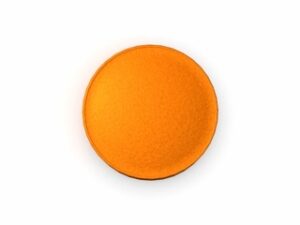
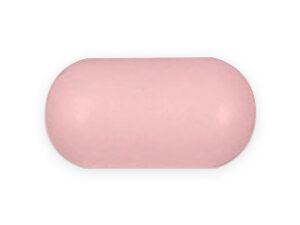
Floxin (Ofloxacin) — Patient-Friendly Medicine Information (Australia)
Floxin contains ofloxacin, an antibiotic from the fluoroquinolone group. It is used to treat certain bacterial infections. This page explains how Floxin works, how it’s typically taken, important safety information, and practical tips to help you use it correctly.
Important: Antibiotics only work against bacteria. They do not treat viral illnesses such as colds or flu.
Basic product information
| Category | Details |
|---|---|
| Medicine name | Floxin (ofloxacin) |
| Active ingredient | Ofloxacin |
| Medicine class | Fluoroquinolone antibiotic |
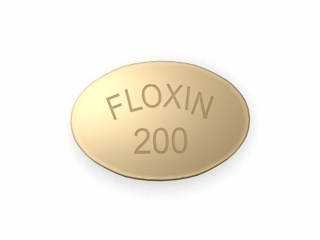
| Common forms | Tablets (brand presentation may vary by supplier) |
| Typical use | Specific bacterial infections as determined by a clinician |
Note for Australian shoppers: Brand availability, tablet strengths, and pack sizes can vary by supplier and region. Always check the product label for strength and directions.
How Floxin works (mechanism of action)
Ofloxacin kills bacteria primarily by interfering with two key bacterial enzymes:
- DNA gyrase (topoisomerase II)
- Topoisomerase IV
These enzymes are essential for bacterial DNA replication and repair. By blocking them, ofloxacin prevents bacteria from multiplying and leads to bacterial death (a bactericidal effect).
Pharmacokinetics: what the body does to the medicine
Pharmacokinetics describes how ofloxacin is absorbed, distributed, metabolised, and eliminated.
- Absorption: Ofloxacin is generally absorbed from the stomach and intestines after oral dosing. Absorption can be affected by certain minerals (see Food and mineral interactions below).
- Distribution: It spreads into body tissues and fluids, helping it reach infection sites.
- Metabolism: Some of the dose is metabolised in the body, though a substantial portion remains active.
- Elimination: Most of the drug is cleared through the kidneys via urine.
- Half-life (general): The time the body takes to reduce drug levels by half is typically around several hours (exact value varies by person and kidney function).
Kidney function matters: Because the medicine is largely removed by the kidneys, people with reduced kidney function may need dose adjustments to reduce side effects and maintain effective treatment.
Typical uses and indications
Floxin (ofloxacin) is used to treat bacterial infections caused by susceptible organisms. Common infection categories may include:
- Urinary tract infections (UTIs) (certain types)
- Prostatitis (bacterial inflammation of the prostate)
- Some respiratory tract and other bacterial infections when appropriate
- Other susceptible bacterial infections as guided by local treatment recommendations and test results
Susceptibility is important: Your clinician may use culture and sensitivity testing (where available) to ensure the bacteria are likely to respond to ofloxacin.
When fluoroquinolones are considered: In Australia, fluoroquinolones are typically reserved for situations where other first-line options are not suitable, because of the risk of serious adverse effects in some people.
Dosing: how Floxin is usually taken
Always follow the directions on your medicine label. The correct dose and treatment length depend on the specific infection, severity, kidney function, and other individual factors.
Below are typical adult dosing patterns used in practice (information may vary by indication and local guidance):
- Once or twice daily regimens are commonly used, depending on the infection and strength of tablets.
- Treatment duration can range from a few days to longer courses for deeper or more complicated infections.
Example timing pattern (illustrative)
- Twice daily: try to space doses evenly (e.g., morning and evening).
- Once daily: take at approximately the same time each day.
Illustrative only: Your actual regimen may differ. If you’re unsure, check your label or pharmacist advice.
When to take Floxin: timing and missed doses
General timing tips
- Take Floxin at the same time(s) each day to maintain effective levels.
- You may be able to take it with or without food, but see the food interaction section below.
- Stay well hydrated unless you’ve been told to restrict fluids.
If you forget a dose
- Take it as soon as you remember, unless it’s close to the next dose.
- If it’s near the next dose, skip the missed dose.
- Do not double up to make up for a missed tablet.
Do not stop early
Even if you feel better, complete the course unless a clinician tells you to stop. Stopping early can lead to incomplete bacterial eradication and relapse.
Food and mineral interactions
Certain foods and supplements can reduce absorption of ofloxacin or alter how much reaches the bloodstream. The most important interactions involve cations (minerals) that bind to the medicine in the gut.
Avoid taking at the same time as:
- Antacids containing aluminium or magnesium
- Sucralfate
- Iron supplements
- Zinc supplements
- Calcium supplements or high-dose mineral drinks
- Multivitamins that contain these minerals
Practical spacing tip
A commonly used approach is to separate these products from ofloxacin by at least 2 hours before or 4 to 6 hours after ofloxacin (follow your pharmacist’s advice). This helps reduce binding in the digestive tract.
Food (general)
Food itself usually does not eliminate the medicine’s effect, but taking it with meals can sometimes improve tolerance for some people. If your label or clinician has specific instructions, follow those.
Alcohol and medicine interactions
Alcohol
It’s generally best to avoid alcohol while taking antibiotics, especially if you notice side effects such as dizziness, nausea, or headaches. Alcohol may worsen these effects and can reduce sleep quality, which may slow recovery.
Other medicines that may interact with Floxin
Ofloxacin can interact with several medicine classes. Tell your pharmacist about everything you take, including supplements and “over-the-counter” medicines.
- Warfarin and other blood thinners (increased bleeding risk): fluoroquinolones may increase the effect of anticoagulants.
- Caffeine-containing products: fluoroquinolones may increase caffeine levels in some people.
- Diabetes medicines (risk of blood sugar changes): ofloxacin may affect glucose control.
- Antiarrhythmics and QT-prolonging medicines: can increase risk of rhythm changes.
- Non-steroidal anti-inflammatory drugs (NSAIDs) and certain pain medicines: combined use may increase risk of central nervous system side effects in some people.
- Probenecid: may alter kidney clearance of the antibiotic.
Crucial point: Interaction risk depends on your specific regimen and medical history. A pharmacist can provide tailored guidance.
Safety profile: what to watch for
Most people tolerate Floxin well, but like all medicines it can cause side effects. Some adverse effects are uncommon but serious. Learn what to watch for.
Common or expected side effects
- Nausea
- Diarrhoea
- Headache
- Vaginal yeast infection (in some cases)
- Stomach discomfort
- Dizziness
Stop and get urgent medical help if you experience:
- Signs of allergy: swelling of face/lips, rash with blistering, wheezing, severe hives, or trouble breathing
- Severe or persistent diarrhoea, especially with fever or blood/mucus (possible antibiotic-associated colitis)
- Tendon pain, swelling, or pain in the Achilles or other tendons, especially with sudden activity changes (possible tendon injury)
- Severe nerve symptoms: tingling, burning, numbness, or weakness
- Changes in mood or mental state that are severe or rapidly worsening (e.g., agitation, confusion)
- Irregular heartbeat, fainting, or severe dizziness (possible rhythm effects)
- Symptoms of low blood sugar (sweating, shakiness, confusion) or high blood sugar (excessive thirst/urination) if you have diabetes
- Severe skin reactions (widespread rash, blistering, peeling, mouth sores)
Who may be at higher risk of fluoroquinolone side effects?
Risk varies by person. Some groups may be more susceptible to serious adverse effects:
- Older adults
- People with kidney impairment
- Those taking medicines that affect heart rhythm (QT prolongation)
- People with a history of tendon disorders or tendon injury
- People using corticosteroids
- People with neurological conditions or predisposition to seizures
Do not ignore symptoms: If you develop tendon pain, nerve symptoms, or severe CNS effects, seek medical advice promptly.
Practical use tips for safer, more effective treatment
- Hydrate: drink adequate fluids unless restricted.
- Complete the course: even if symptoms improve early.
- Separate minerals: keep at least several hours distance from antacids, iron, zinc, or calcium supplements (ask a pharmacist for your specific schedule).
- Monitor for diarrhoea: report persistent diarrhoea, especially if severe.
- Be cautious with driving or machinery if you feel dizzy or drowsy.
- Avoid strenuous exercise if you notice tendon discomfort; stop activity and seek advice.
- Keep a medication list (including supplements) to review with a pharmacist.
Recent guidance and important clinical context in Australia
In Australia and internationally, fluoroquinolones are used with increased caution due to concerns about serious side effects. Prescribers may consider:
- Whether alternative antibiotic options are available and appropriate for the infection
- Local antimicrobial stewardship recommendations
- Patient-specific risk factors (e.g., tendon injury risk, heart rhythm risk, kidney function)
- Results from cultures/susceptibility tests when available
As a result, fluoroquinolones like ofloxacin may be reserved for certain infections where benefits outweigh risks, or where other options are unsuitable.
Alternative options
Alternative antibiotics depend on the infection type, suspected organism, local resistance patterns, and your personal medical history. Common alternatives that clinicians may consider include:
- Nitrofurantoin (often for certain uncomplicated UTIs)
- Trimethoprim-sulfamethoxazole (where appropriate)
- Amoxicillin-clavulanate or other beta-lactams (for certain infections)
- Doxycycline (for specific bacterial infections)
- Cefalexin (for some bacterial infections)
Choosing an alternative: If ofloxacin is not suitable for you (for example, due to interactions or side effect risk), a pharmacist or clinician can help identify the most appropriate option.
Delivery and availability (Australia)
Availability of Floxin can vary depending on stock levels and supplier arrangements. When purchasing online, look for:
- Correct strength and form (e.g., tablet strength as listed)
- Expiry date (preferably with a reasonable time remaining)
- Shipping timeframes to your location in Australia
- Packaging that protects tablets from moisture and damage
Cold/heat considerations: Antibiotic tablets generally do not require refrigeration, but you should keep them within the recommended temperature range stated on the pack and avoid leaving them in hot cars.
After delivery: store Floxin in a cool, dry place away from direct sunlight, and keep it out of reach of children.
FAQ
1. Is Floxin used for urine infections?
It may be used for certain urinary tract infections or related conditions depending on the type of infection and the bacteria involved. Your clinician decides the most appropriate antibiotic based on your situation and local guidance.
2. How quickly should I feel better?
Many people notice improvement within 1–3 days, but this varies by infection and severity. If you do not improve after a few days, or symptoms worsen, seek medical advice.
3. Can I take Floxin with food?
In general, ofloxacin can be taken with or without food. If you experience stomach upset, taking it with a meal may help. The most important interactions are with certain minerals and antacids, not typical meals.
4. What should I avoid while taking Floxin?
Avoid taking it at the same time as antacids, iron, zinc, or calcium supplements. Also limit or avoid alcohol and be careful with activities requiring alertness if you feel dizzy or unwell.
5. Can I drink alcohol during my course?
It’s best to avoid alcohol while taking antibiotics. Alcohol can worsen side effects and may delay recovery. If you choose to drink, keep it minimal and stop if you feel unwell.
6. What if I get diarrhoea?
Mild diarrhoea can occur with antibiotics. However, seek urgent medical advice if diarrhoea is severe, persistent, watery, or contains blood/mucus, or if you have fever or severe cramps.
7. Are there any warning signs I should not ignore?
Yes. Get urgent help for suspected allergic reactions, severe skin reactions, tendon pain/swelling, significant nerve symptoms (tingling/numbness/weakness), severe mood changes, or signs of abnormal heart rhythm (fainting, severe dizziness, palpitations).
8. Who should be extra cautious with ofloxacin?
People with kidney impairment, older adults, those with a history of tendon problems, people taking corticosteroids, and those on medications affecting heart rhythm or glucose control should use extra caution and discuss risk factors with a pharmacist or clinician.
9. Will Floxin prevent future infections?
No. Antibiotics treat the current infection. Prevention involves reducing exposure risks, completing treatment, and following general hygiene measures. Recurrent infections should be assessed by a clinician.
10. How should I store Floxin?
Store tablets in a cool, dry place, away from direct sunlight, and keep them out of reach of children. Follow the storage instructions on the pack.
Summary
Floxin (ofloxacin) is a fluoroquinolone antibiotic used to treat specific bacterial infections. It works by blocking bacterial enzymes needed for DNA replication. For best outcomes, take it at the right times, complete the full course, and avoid interactions with minerals and antacids. Be vigilant for serious side effects such as tendon injury, severe diarrhoea, nerve symptoms, or signs of allergy, and seek urgent medical advice if they occur.