Karela (Bitter Melon) – Patient-Friendly Guide for Australia
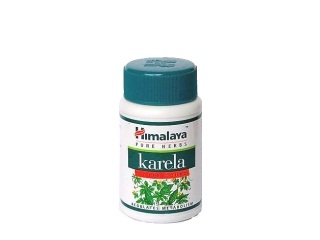
Karela is the common name used for bitter melon (also known as Momordica charantia). In many communities across Asia and other parts of the world, bitter melon has been used traditionally as a supportive natural remedy for general well-being. Today, products marketed as “Karela” are commonly available in Australia in forms such as capsules, tablets, powders, or teas depending on the brand and formulation.
This page provides practical, plain-language information about Karela to help you understand what it is, how it may work, typical uses, timing, interactions, dosing considerations, and key safety points—so you can make informed choices.
Basic Product Information
| Feature | What you’ll typically see |
|---|---|
| Common name | Karela (Bitter Melon) |
| Scientific name | Momordica charantia |
| Common forms | Capsules/tablets, powder, tea, sometimes extracts |
| Typical key constituents | Charantin, polypeptide-p, vicine/plant compounds, and various polyphenols (varies by product) |
| Primary focus in use | Dietary support for healthy glucose metabolism and metabolic wellbeing |
| Regulatory status (general) | Often sold as a complementary medicine or health supplement; classification depends on the product |
Important note: The exact dose and ingredients can differ between brands and between capsule strengths and extracts. Always check the Supplement Facts or product label and use the brand-specific directions.
How Karela May Work (Mechanism of Action)
Karela contains naturally occurring plant compounds that may influence glucose handling and metabolic processes in the body. While human evidence varies by product and study design, proposed mechanisms include:
- Glucose-lowering support: Certain bitter melon constituents (such as charantin and a plant-related polypeptide) are thought to help support insulin sensitivity or insulin-like activity.
- Improving uptake and utilisation: Some compounds may encourage glucose uptake into cells and improve how the body uses glucose.
- Modulating digestive effects: Bitter melon may influence carbohydrate digestion and absorption in the gut.
- Antioxidant and anti-inflammatory effects: Polyphenols and other antioxidants may help reduce oxidative stress that can affect metabolic health.
What this means for you: Karela is generally used as a supportive approach alongside diet, physical activity, and—where relevant—your usual medical care. It should not be viewed as a direct replacement for prescribed diabetes medicines.
Pharmacokinetics (Absorption, Distribution, Metabolism, Excretion)
Pharmacokinetics describe what the body does to a substance—how it is absorbed, broken down, and eliminated. For bitter melon products, detailed pharmacokinetic data can be limited and vary between different extracts, doses, and formulations.
- Absorption: Active constituents may be absorbed from the gastrointestinal tract, but absorption can vary widely between whole fruit powders, teas, and concentrated extracts.
- Distribution: Plant compounds and their metabolites may distribute into tissues, particularly where metabolic processes occur.
- Metabolism: Like many dietary phytochemicals, bitter melon components are likely metabolised in the liver and other tissues.
- Excretion: Metabolites are typically removed through urine and/or bile, depending on the compound.
Practical takeaway: Because products differ, the “best timing” may vary. If you’re using Karela to support blood sugar balance, many people take it with meals (or as directed on the label) to better align with carbohydrate intake.
Typical Use & Indications
In Australia, Karela products are usually marketed for general metabolic support, particularly for:
- Support for healthy glucose metabolism (helpful alongside lifestyle measures)
- General wellbeing for people looking to support dietary health
Indications on labels: The specific “indications” or permitted claims depend on the product’s classification and regulatory approval. Some products may carry broad wellness claims rather than specific medical indications.
For people with diabetes or prediabetes: Karela is sometimes chosen as a complementary approach. If you have diabetes, it’s especially important to monitor your glucose and discuss changes with a healthcare professional due to potential additive effects with diabetes medicines.
How and When to Take Karela (Timing)
Timing can affect how comfortable you feel and how consistent your intake is with meals.
- With meals: Many people take Karela with or shortly before meals, especially if the goal is to support post-meal glucose handling.
- Once or twice daily: Common regimens include once daily or twice daily, depending on the label and product strength.
- Consistency: For supplements, benefits—if any—are usually expected over time rather than immediately.
Starting tip: If you’re new to Karela, start with the lowest recommended dose and reassess tolerance before increasing. Some people experience mild stomach upset.
Dosing (General Guidance)
Always follow your product’s label instructions. Karela dosing varies by formulation (whole fruit powder vs extract) and by capsule strength.
Because product strengths differ, here are general approaches that may be seen, rather than exact universal dosing:
- Powder/tea: Doses are commonly measured in teaspoons or grams per serving. Use brand directions for preparation and daily limits.
- Capsules/tablets: Many brands recommend a set number of capsules per day (commonly 1–2 daily), sometimes with a titration schedule.
- Extract products: Extracts may contain concentrated bitter melon constituents; these are often taken in lower capsule numbers but require careful label adherence.
Missed dose: If you miss a dose, take it when you remember unless it’s close to your next dose. Avoid doubling.
Food Interactions & Meal Effects
Karela interacts most meaningfully with dietary patterns by influencing glucose metabolism. For practical purposes:
- High-carbohydrate meals: If you’re using Karela for glucose support, consider taking it with the meal to align timing with carbohydrate intake.
- Gastrointestinal comfort: Taking Karela with food may reduce the chance of nausea or stomach discomfort compared with taking it on an empty stomach.
- Overall diet matters: The most important drivers of glucose balance remain your overall diet quality, portion sizes, fibre intake, and activity level.
Note for different forms: Bitter melon tea or powders may taste bitter and can affect appetite or stomach sensitivity. Capsules may be easier to tolerate for some people.
Alcohol & Medicine Interactions
Alcohol
There isn’t a universal “hard” interaction like you’d see with specific pharmaceutical drugs, but there are practical reasons to be cautious:
- Blood sugar effects: Alcohol can raise or lower blood glucose depending on the amount and the type of drink, and this can complicate monitoring.
- Stomach irritation: Bitter melon may cause mild gastrointestinal upset in some people; alcohol can worsen irritation.
- Liver considerations: If taken in higher amounts or with other substances, alcohol may increase stress on the liver. Many supplements are metabolised by the body; moderation is sensible.
Practical advice: If you choose to drink alcohol, consider keeping amounts moderate and remain attentive to how you feel. If you have diabetes or use glucose-lowering medication, monitor glucose more closely.
Interactions with Medicines
Karela may interact with medications that affect blood glucose. This is especially important for people taking diabetes therapies.
- Diabetes medicines (e.g., insulin, metformin, sulfonylureas, and others): Karela may increase the risk of hypoglycaemia (low blood sugar) when used alongside glucose-lowering drugs.
- Blood pressure medicines: Some people monitor less related parameters, but if you also use antihypertensives, be mindful of how you feel (dizziness, fatigue). Evidence is less clear than for glucose interactions, but caution is prudent.
- Other supplements: Combining multiple “blood sugar support” products can unintentionally increase additive effects.
- Medications affecting the liver or coagulation: If you have liver disease or take medicines that depend on liver metabolism or clotting pathways, consult a healthcare professional before starting.
What to do: If you take any regular medication—especially for diabetes—check with a healthcare professional or pharmacist before using Karela. If you already started, watch for symptoms of low blood sugar such as shakiness, sweating, dizziness, confusion, or unusual hunger.
Safety Profile & Who Should Be Cautious
Karela is generally considered safe when used appropriately as a complementary product, but side effects and risks can occur. Safety depends on the individual, dose, and formulation quality.
Common possible side effects
- Gastrointestinal effects: nausea, diarrhoea, stomach cramps, or bloating
- Headache (less commonly)
- Changes in appetite or taste sensitivity
Low blood sugar risk
The most clinically important concern for many users is hypoglycaemia, particularly if you use diabetes medications. Symptoms can include:
- Shakiness or tremor
- Sweating
- Light-headedness or dizziness
- Confusion or difficulty concentrating
- Sudden hunger
If you suspect low blood sugar: check your glucose if possible, and follow your diabetes action plan. Seek medical advice if symptoms are severe or persistent.
Who should avoid or seek medical advice first
- Pregnant or breastfeeding people: Bitter melon products may not be suitable. Discuss with a healthcare professional first.
- People with diabetes using medication: Increased risk of additive glucose lowering—requires careful monitoring.
- People with liver or kidney conditions: Ask a healthcare professional before use.
- People planning surgery: If you take supplements with metabolic effects, inform your surgeon/anesthetist and discuss timing with your healthcare team.
Practical Use Tips (Getting the Best Experience)
- Choose a reputable product: Look for clear ingredient lists, standardisation information (if available), batch details, and quality testing claims.
- Start low, go slow: Particularly if you have a sensitive stomach or are new to bitter melon.
- Take with food if tolerated: This can improve comfort and consistency.
- Track your response: If your goal relates to glucose support, keep notes of how you feel and—if you have diabetes—monitor glucose more frequently initially.
- Don’t stack too many “blood sugar” products: Combining multiple supplements increases uncertainty and may increase the risk of side effects.
- Hydration: If you use powders or teas, drink water and ensure adequate daily fluids.
Alternative Options
Depending on your goals, you may consider other evidence-informed lifestyle and supplement approaches. Options that some people explore for metabolic support include:
- Dietary approaches: Mediterranean-style eating pattern, increased fibre (vegetables, legumes, whole grains), and reducing refined sugars.
- Exercise: Regular aerobic activity plus resistance training can improve insulin sensitivity.
- Other supplements (where appropriate): Some people consider products such as psyllium fibre, chromium, berberine-containing supplements, or omega-3 fatty acids—however these may also interact with medications and require caution.
Important: “Natural” does not automatically mean “risk-free.” Always check interactions and discuss with a healthcare professional if you take medications.
Market & Legal Context for Australia
In Australia, complementary medicines and health supplements are regulated through a framework that involves the Therapeutic Goods Administration (TGA). The regulatory pathway depends on product type and intended claims. Many “Karela” products are sold as complementary medicines or supplements with permitted wellness claims, rather than as medicines for treating disease.
What to look for when buying:
- TGA listing or approval information where applicable
- Clear labelling including dosage instructions, ingredients, and warnings
- GMP (Good Manufacturing Practice) or quality assurances referenced by the brand
- Transparent claims that match what’s permitted for the product category
Recent guidance considerations: Regulatory expectations around quality, labelling accuracy, and safety monitoring continue to evolve. Before purchase, choose products with clear documentation and avoid those making exaggerated or disease-specific claims.
Delivery & Availability in Australia
Karela is commonly available through online pharmacies and supplement retailers across Australia. Availability can vary by season, formulation, and supplier.
- Typical delivery: Many online pharmacies offer standard and express shipping within Australia.
- Packaging: Capsules and tablets are usually shipped in sealed containers; powders may be packed in moisture-protective materials.
- Cold-chain: Usually not required for dry supplement forms.
- Stock variability: Some brands or extract strengths may sell out—especially during periods of increased demand.
Tip: Check estimated delivery times at checkout and store the product in a cool, dry place away from direct sunlight.
FAQ – Frequently Asked Questions
1) What is Karela?
Karela is the common name for Momordica charantia (bitter melon). In supplement form, it’s typically sold as capsules, tablets, powder, or tea.
2) What is Karela used for?
It’s commonly used for supporting healthy glucose metabolism and overall metabolic wellbeing as part of a lifestyle routine. Specific indications depend on the product’s permitted claims in Australia.
3) How long does it take to work?
For supplements, changes—if any—may take days to weeks. Individual responses vary. If you’re using it for glucose support, monitor how you feel and, if relevant, track blood glucose during the first few weeks.
4) Should I take Karela with food?
Many people take it with or around meals for comfort and to align with post-meal carbohydrate intake. If you experience stomach upset, taking it with food may help.
5) Can Karela be taken with diabetes medication?
Because Karela may lower blood glucose, it may increase the risk of hypoglycaemia when combined with diabetes medicines. If you use insulin or other glucose-lowering medications, speak with a healthcare professional and monitor glucose closely.
6) Can I drink alcohol while taking Karela?
Moderation is sensible. Alcohol can affect blood sugar and may worsen stomach irritation. If you take diabetes medications or have glucose-lowering concerns, monitor more closely.
7) Does Karela have side effects?
Possible side effects include gastrointestinal upset such as nausea or diarrhoea, particularly at higher doses or in sensitive individuals. Stop use and seek advice if you develop concerning symptoms.
8) Is Karela safe during pregnancy or breastfeeding?
It’s best to avoid bitter melon supplements unless your healthcare professional advises otherwise. Pregnancy and breastfeeding require extra caution with herbal and supplement products.
9) How do I choose a good Karela product?
Look for clear ingredient lists, realistic dosing directions, reputable manufacturing practices, and labelling transparency. Avoid products with vague compositions or exaggerated disease claims.
10) What are alternatives to Karela?
Alternatives include lifestyle approaches (diet, fibre, exercise) and other supplements—depending on your goals and safety profile. Always consider interactions with your current medicines.
Final Reminder
Karela (bitter melon) may offer supportive benefits for metabolic wellbeing, particularly related to glucose balance. However, effects vary by product and individual, and interactions—especially with diabetes medications—can be important. If you have any medical conditions, take regular medication, or are pregnant or breastfeeding, seek professional advice before starting.
For best results, choose a reputable product, follow label directions, start gradually, and pay attention to how your body responds.