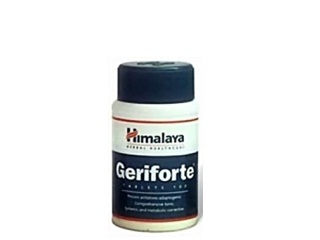


Geriforte (Topical/Suppository Medicine) – Patient-Friendly Guide (Australia)
Geriforte is a medicine used for specific inflammatory and infectious conditions of the rectum and anal area. If you’re looking for clear information before using it, this guide explains what Geriforte is, how it works, how to use it, what to watch for, and practical tips to make treatment easier.
Important: Always follow the instructions provided with your product and consult a healthcare professional if you’re unsure whether Geriforte is suitable for you.
Basic product information
- Medicine name: Geriforte
- Common forms: Typically used as a rectal/topical product (availability can vary by brand and pack).
- Therapeutic area: Anti-inflammatory and/or anti-infective treatment of rectal/anal conditions (depending on the formulation).
- Who may use it: Adults and adolescents where appropriate to the product indication and instructions.
- Where it works: Local action at the site of application.
Always check your specific pack: Geriforte products can differ by formulation (for example, active ingredients and strength). Read the label for the exact active ingredients and dosing instructions.
How Geriforte works (mechanism of action)
Geriforte is designed to help relieve symptoms caused by inflammation and irritation in the anal/rectal area. Depending on the exact formulation, it may include one or more of the following types of medicines:
- Anti-inflammatory action to reduce swelling, redness, and discomfort.
- Antimicrobial activity when infection contributes to symptoms.
- Barrier/soothing effects that can help protect irritated tissue and improve comfort.
Because Geriforte generally acts locally, it targets the affected area directly, which can help reduce symptoms where they occur.
Pharmacokinetics (how the medicine moves through the body)
Local medicines are usually absorbed to a limited extent compared with oral medications. For rectal/topical products like Geriforte, the majority of the effect is expected at the application site.
- Absorption: Typically limited systemic absorption (small amounts may enter the bloodstream depending on formulation, condition of the mucosa, and frequency of use).
- Distribution: Any systemic exposure is generally low.
- Metabolism & excretion: Small absorbed fractions would be handled by normal bodily processes and cleared primarily through metabolism and/or elimination pathways.
What this means for you: Many people experience mainly local effects. However, individual absorption can increase if the rectal lining is inflamed or damaged, so safety precautions still matter.
Typical uses and indications
Geriforte is commonly used for conditions affecting the rectal/anal area where inflammation and/or infection are involved. Indications vary by product strength and formulation, but may include:
- Inflammation of the anal/rectal lining (proctitis/rectal inflammation) when consistent with the product’s label.
- Anal irritation associated with inflammatory processes.
- Infection-related inflammation where the medicine’s ingredients target the likely organisms (as per label and clinician advice).
When to seek medical advice: If symptoms are severe, persistent, recurrent, or accompanied by bleeding, fever, significant pain, or discharge, speak to a healthcare professional promptly.
When to use it (timing) and how to fit it into your day
Correct timing can make treatment more comfortable and effective.
- Best time of day: Often recommended at bedtime or after bowel movements, depending on your specific instructions.
- After passing stool: Many users find symptoms improve when they apply the medicine after a bowel movement.
- Consistency matters: Use it regularly as directed, even if symptoms improve quickly.
Practical suggestion: If you are applying a rectal product, consider emptying your bowel first (if appropriate). This can improve comfort and help the medication remain in contact with the target area.
Dosing (how much to use)
Dosing depends on the formulation and the severity of symptoms. Always follow the schedule on your Geriforte packaging or the instruction provided by a clinician.
Typical dosing patterns (example guidance):
- Adults: Usually applied once or twice daily, often for a short, defined course.
- Duration: Commonly a limited number of days as indicated on the label. Do not extend use beyond the recommended course without medical advice.
Do not exceed the recommended dose. If you miss a dose, apply it when you remember unless it’s close to your next scheduled dose—follow the label directions or seek advice.
Food interactions
Because Geriforte is typically used rectally/topically, food is unlikely to directly interact with the medicine in the way oral drugs sometimes do. However, your overall comfort and bowel habits can be influenced by diet.
- Hydration: Drink adequate fluids to support comfortable bowel movements.
- Gentle fibre approach: For some people, avoiding constipation helps reduce irritation (e.g., gradual fibre intake).
- Spicy or irritating foods: Some individuals notice symptom flares after specific foods; consider tracking triggers if advised by your clinician.
Advice: There are generally no specific “must-avoid” foods for topical/rectal formulations, but personal triggers may exist.
Alcohol and medicine interactions
For rectal/topical medicines like Geriforte, systemic alcohol interactions are usually less likely than with oral medicines. Still, it’s wise to consider overall safety and symptom management.
- General recommendation: Avoid alcohol if it worsens your symptoms (for example, if alcohol triggers diarrhoea, irritation, or poor sleep).
- Multiple medicines: If you take other medications, check for alcohol interactions with those medicines specifically.
- Important: Stop and seek advice if you experience unexpected reactions such as severe burning, swelling, rash, or significant bleeding.
Safety profile and side effects
Most side effects from local rectal/topical medicines are mild and related to the area of application.
Common or expected side effects
- Mild burning or stinging at application site
- Temporary irritation or redness
- Unpleasant taste or sensation if product leaks or contacts surrounding tissues
- Light discharge or messiness due to the formulation
Less common but important adverse effects
- Allergic reactions (itching, rash, swelling, hives)
- Worsening pain or increased bleeding
- Severe local irritation that does not settle
When to get urgent medical help
Seek urgent care or contact emergency services if you experience:
- Severe swelling of face/lips or trouble breathing
- Heavy bleeding
- High fever or signs of severe infection
- Severe pain that rapidly worsens
Practical use tips (step-by-step)
Using rectal/topical medicines carefully can improve comfort and effectiveness.
- Wash your hands before and after use.
- Use in a comfortable position (often lying on your side or as directed by the packaging).
- If recommended, clean the area gently using water or mild, unscented products.
- Apply the product carefully as directed. Avoid forcing if there is resistance—stop and seek advice.
- Try to stay still briefly after application (some people find bed rest or remaining in a side-lying position helpful).
- Use a liner or protective pad if leakage occurs—this can reduce mess and irritation.
Hygiene note: Keep the tip/insert clean and don’t share the applicator with others.
Course management: Use the full recommended course unless you’re advised otherwise. Stopping early can lead to symptom return.
Alternative options
Depending on the underlying cause of rectal/anal symptoms, different treatments may be more appropriate. Alternatives may include:
- Other rectal anti-inflammatory treatments (based on the suspected cause)
- Barrier/protective creams for irritation and to reduce friction
- Suppositories or enemas with different active ingredients
- Antimicrobial treatment when infection is confirmed or strongly suspected
- Symptom relief options such as soothing topical agents
Non-medicine measures that may help:
- Warm baths (if appropriate)
- Gentle wiping or using water instead of harsh soaps
- Managing constipation or diarrhoea with diet and fluids
Best approach: If you’re unsure of the cause of symptoms (e.g., haemorrhoids vs proctitis vs infection), ask a pharmacist or clinician for guidance before switching products.
Geriforte in the Australian market: legal and practical context
In Australia, access to medicines is regulated under the Therapeutic Goods Administration (TGA). Whether a medicine is available over the counter or requires specific authority depends on its classification, active ingredients, and formulation.
- Product status: Availability can vary by strength and indication.
- Quality and safety: Registered medicines in Australia must meet manufacturing and quality standards.
- Online pharmacy rules: Reputable suppliers follow Australian requirements for lawful supply and appropriate customer information.
Recent guidance: Australian clinicians and regulators continue to emphasize safe use of rectal therapies, attention to underlying causes, and seeking care when symptoms don’t improve.
Note: This page provides general consumer information and does not replace medical advice.
What to do if symptoms don’t improve
If you use Geriforte as directed but your symptoms are not improving within the expected timeframe, it may indicate:
- Incorrect diagnosis (for example, a different cause of inflammation)
- Inadequate course duration (or need for reassessment)
- Complication or more serious underlying condition
Action: Contact a healthcare professional if symptoms persist, recur frequently, or worsen.
Delivery and availability (Australia)
Online pharmacies in Australia typically provide delivery options across metropolitan and regional areas. Availability depends on stock levels, formulation, and pack size.
- Dispatch: Orders are usually dispatched within 1–2 business days (varies by supplier).
- Delivery times: Commonly 2–7 business days depending on location and courier service.
- Packaging: Medicines are normally shipped in secure packaging with product labelling intact.
- Stock changes: If Geriforte is temporarily unavailable, you may be offered an alternative product if suitable.
Tip: Double-check that your Geriforte product is the same strength/formulation as the instructions you plan to follow.
Safety checklist before you start
Before using Geriforte, consider the following:
- Allergies: Do you have a history of allergy to any component of Geriforte?
- Current symptoms: Are you experiencing severe bleeding, fever, or intense pain?
- Other conditions: Inflammatory bowel disease, fistulas, or recent surgery can affect how rectal medicines should be used.
- Other medicines: Tell your pharmacist about any current treatments, including topical or rectal products.
Stop and seek advice if you experience a significant allergic reaction or worsening symptoms.
FAQ about Geriforte
1) What is Geriforte used for?
Geriforte is used for specific inflammatory and/or infectious conditions affecting the rectal and anal area, depending on the exact formulation and active ingredients. Always confirm the indication on your product label.
2) How long should I use Geriforte?
Use Geriforte for the duration stated on the packaging instructions. If symptoms don’t improve within the expected period, seek advice from a pharmacist or clinician rather than extending use indefinitely.
3) When is the best time to apply it?
Many people use rectal therapies at bedtime or after a bowel movement to help the medicine remain in contact with the affected area. Follow the schedule provided for your specific product.
4) Can I eat normally while using Geriforte?
Food interactions are generally not expected with rectal/topical medicines. However, some people find that certain foods worsen bowel symptoms (such as diarrhoea or irritation). Listen to your body and maintain hydration.
5) Is it safe to drink alcohol while using Geriforte?
Significant alcohol interactions are usually unlikely with local rectal/topical use. Still, alcohol can worsen diarrhoea or irritation for some people. If alcohol affects your symptoms, avoid it during treatment.
6) What side effects are common?
Mild burning, stinging, temporary irritation, or discharge/leakage from the rectal product are among the more common local effects. Contact a healthcare professional if symptoms become severe or you suspect an allergy.
7) What should I do if I miss a dose?
Apply it when you remember unless it’s close to the time of your next dose. Do not double up. Follow the product’s instructions or ask your pharmacist for guidance.
8) Can I use Geriforte with other creams or rectal products?
Using multiple rectal/topical products at the same time may increase irritation. It’s best to space treatments as advised and ask a pharmacist if you’re using other rectal or skin products.
9) When should I stop using Geriforte and seek help?
Seek medical advice if you experience an allergic reaction, severe or worsening pain, heavy bleeding, fever, or if your symptoms fail to improve within the timeframe stated on the label.
10) Are there alternatives to Geriforte?
Depending on the cause of your symptoms, alternatives may include other rectal anti-inflammatory treatments, barrier/protective products, or antimicrobial therapy. A pharmacist can help you select a suitable option based on your symptoms and product details.
Summary
Geriforte is a local medicine used for certain rectal and anal conditions where inflammation and/or infection may be involved. It generally works by targeting the affected tissue directly, with limited systemic absorption. For best results, apply it correctly (often after bowel movements or at bedtime), follow the recommended course, and watch for side effects.
If you have bleeding, severe pain, fever, or no improvement after the expected period, it’s important to seek medical advice to ensure the right diagnosis and treatment plan.
| Topic | What to know |
|---|---|
| Primary use | Rectal/anal inflammatory and/or infectious conditions (depends on formulation) |
| How it works | Local anti-inflammatory and/or antimicrobial action to reduce irritation and swelling |
| Timing | Often after bowel movements or at bedtime, per label instructions |
| Food interactions | Generally unlikely with rectal/topical use; diet may affect symptoms indirectly |
| Alcohol | Major direct interactions are unlikely; avoid alcohol if it worsens symptoms |
| Common side effects | Mild burning/stinging, irritation, temporary discharge |
| Seek urgent help | Allergic reaction, heavy bleeding, fever, severe worsening pain |
| Duration | Use the course length stated on packaging; seek advice if not improving |