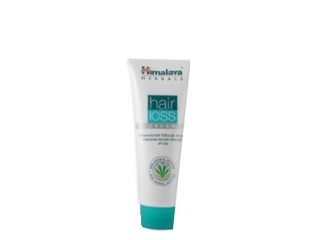

Hair Loss Cream — Patient Guide (Australia)
Hair Loss Cream is a topical medicine designed to help manage certain types of hair loss. Applied directly to the scalp, it works where hair follicles need support. This guide explains what the cream does, how to use it effectively, what to expect, and important safety information for people in Australia.
Please note: product formulations can vary by brand. Always read your specific pack and follow the instructions provided with your medicine.
Quick product facts
| Category | Topical hair loss medicine (scalp cream) |
|---|---|
| Common goal | Helps reduce hair thinning and supports hair regrowth in suitable cases |
| How it’s used | Applied to the scalp in measured amounts and left on |
| Typical timeframe | Initial changes may take months; best results usually after consistent use |
| Where applied | Affected scalp areas (follow directions on your product) |
| Who it may suit | People with androgenetic hair loss (pattern hair loss), where topical therapy is appropriate |
What is Hair Loss Cream?
Hair Loss Cream is a medicine applied directly to the scalp to help treat hair loss. It is commonly used for pattern hair loss (androgenetic alopecia), which can affect both men and women. When used correctly over time, topical treatment can improve hair density and thickness in some people.
The active ingredient in many “hair loss creams” used in Australia is typically the same active molecule found in well-known topical treatments. However, products differ. Check the active ingredient and strength on your label.
How it works (mechanism of action)
Pattern hair loss often involves hair follicles becoming progressively smaller (miniaturisation), leading to thinner, shorter hair growth. Hair Loss Cream works by supporting follicle activity and helping shift the balance away from miniaturisation.
In practical terms, the medicine:
- Supports hair follicle function to encourage healthier growth cycles.
- May prolong the growth phase of the hair cycle for some individuals.
- Improves hair thickness and density gradually when used consistently.
You may not see results immediately because hair growth cycles take time. Ongoing, correct use is essential.
Pharmacokinetics (how the body handles it)
Because Hair Loss Cream is applied to the scalp, absorption occurs mostly through the skin. The extent of absorption can vary depending on:
- Scalp condition (for example, irritation, inflammation, or broken skin)
- How much cream is used
- Whether the scalp is washed recently
- Application technique and hair coverage
General principles (may vary by product):
- Absorption through the scalp is typically limited compared with oral medicines.
- Active ingredients may enter the bloodstream in small amounts.
- Metabolism and elimination occur mainly through normal body processes (commonly including liver metabolism and kidney excretion).
If you have kidney or liver disease, you may need extra caution. Speak with a pharmacist for product-specific guidance.
Indications — when it’s used
Hair Loss Cream is typically intended for:
- Androgenetic alopecia (pattern hair loss), including thinning at the crown or hairline receding patterns
- People seeking non-surgical management of hair thinning when topical therapy is appropriate
It may not be suitable for all causes of hair loss (for example, sudden patchy loss, hair loss due to nutritional deficiency, or scalp conditions). If your hair loss is sudden, rapidly worsening, or accompanied by scalp symptoms (itching, pain, redness, scaling), consult a healthcare professional.
Typical use and timing
How often
Use Hair Loss Cream exactly as directed on the label or by your pharmacist. Many topical hair treatments are applied once or twice daily depending on strength and formulation.
Best timing of application
- Consistency is key: choose a time you can maintain daily.
- After washing: for many people, applying to a dry scalp after showering improves adherence and comfort.
- Before bed: evening application can be convenient—just allow it to dry before lying on a pillow if the product instructions require.
Avoid applying to areas that are irritated or freshly shaved unless your product instructions allow it.
Dosing — how much to apply
Dosing depends on the concentration/strength of the product and the delivery method (pump, applicator, or measuring device). Always follow the labelled dose.
Typical dosing patterns for topical hair loss products include applying a measured amount to the affected scalp area once or twice daily, spreading evenly and avoiding excess.
- Measure correctly: use the provided applicator or measure.
- Cover the thinning areas: apply to areas with thinning—not the entire scalp unless instructed.
- Hands wash: wash hands after application unless the product instructions say otherwise.
Do not exceed the recommended dose. Using more does not necessarily speed results and may increase side effects.
Practical instructions for use (step-by-step)
- Prepare the scalp: start with a dry scalp (unless your label instructs otherwise). Ensure the application area is free of heavy oils or styling products.
- Apply the cream: part the hair to expose the scalp, then apply the measured amount directly to the thinning areas.
- Spread gently: use fingertips to spread lightly over the scalp area if instructed, avoiding vigorous rubbing.
- Allow to dry: let it dry before styling your hair or touching the area.
- Wash hands: thoroughly wash hands after use.
- Store properly: keep the product at room temperature and protect from heat and moisture.
What about hair styling? You may want to wait until the product is fully absorbed/dried before applying hair products to reduce transfer or irritation.
Mechanism expectations — what results look like
Hair growth occurs in cycles. Because of this, improvements are often gradual. Common expectations include:
- Early weeks: you may notice minimal change.
- Possible “shed” period: some people experience increased shedding early on as growth cycles shift.
- After several months: hair may look thicker or denser.
- Longer-term: ongoing benefit depends on continuing use.
If you stop treatment, effects may gradually diminish over time.
Food interactions
Since Hair Loss Cream is applied to the scalp, food interactions are not expected to be significant for most people. However, if a product component is systemically absorbed in small amounts, overall interaction potential is generally lower than oral medicines.
Still, it’s wise to:
- Follow general medication advice provided by your pharmacist.
- Inform your healthcare professional about all medicines and supplements you use.
Alcohol and medicine interactions
Alcohol
Topical application usually results in limited systemic absorption, so moderate alcohol intake is generally not expected to cause direct interactions. However, if you notice dizziness, palpitations, headache, or skin irritation, avoid alcohol and seek advice.
Other medicines
Some topical hair loss medicines may interact with medications that affect blood pressure, heart rhythm, or blood flow in certain individuals. Although the risk is often lower with topical therapy, it is important to review your medication list.
Tell your pharmacist if you are taking any of the following (examples):
- Medicines that can affect blood pressure or heart rate
- Medicines used for heart conditions
- Other topicals applied to the scalp
A pharmacist can check for product-specific interaction risk and advise on safe use.
Safety profile — who should use with caution
Common side effects
Many side effects are related to the scalp or application. Possible reactions include:
- Scalp irritation, itching, dryness, or redness
- Flaking or increased dandruff-like symptoms
- Headache or mild dizziness
- Contact-type irritation (especially if the product touches the face or eyes)
Seek medical advice urgently if you experience
- Chest pain, fainting, or severe dizziness
- Rapid heartbeat or palpitations that persist
- Shortness of breath or swelling of the face/lips
- Severe scalp rash, blistering, or widespread skin reaction
When to stop and get advice
If you develop significant irritation, stop using the product and contact a healthcare professional promptly. Do not “push through” severe symptoms.
Special populations
- Children: Not typically for use in children unless specifically advised.
- Pregnancy and breastfeeding: Use requires careful consideration. Speak with a healthcare professional before use.
- Heart or blood pressure conditions: Use with caution; discuss with a pharmacist or doctor.
- Kidney or liver disease: Discuss suitability and monitoring needs.
Practical use tips for better results
- Be consistent: results depend on ongoing daily use.
- Apply to the right area: focus on thinning regions rather than random spots.
- Correct scalp prep: apply to a clean, dry scalp (unless otherwise directed).
- Avoid washing too soon: follow “wash off” or timing instructions on the pack to reduce product loss.
- Don’t combine immediately: if using other scalp treatments, separate timing or ask your pharmacist.
- Track progress: take photos every 4–6 weeks under similar lighting to monitor change.
- Manage expectations: hair improvement is usually gradual, not instant.
If you miss a dose, apply it when you remember unless it’s close to the next scheduled application. Do not double up.
Alternative options for hair loss
Hair loss can have many causes, and results vary. Depending on the cause and your preferences, options may include:
Other topical treatments
- Different strengths or formulations of topical hair growth medicines
- Scalp-targeted treatments for inflammation or seborrhoeic dermatitis where appropriate
Oral treatments (discuss with a professional)
- Certain prescription oral medicines for pattern hair loss may be appropriate for some people
- These require medical review to match risk profile and monitor safely
Non-medicine options
- Low-level laser therapy devices (where available)
- Microneedling protocols (ensure sterile technique and safe practice)
- Hair transplant surgery for selected cases
- Cosmetic solutions such as scalp camouflage or hair fibres
A pharmacist can help you understand which options align best with your pattern of hair loss and how to use them safely.
Market and legal context in Australia
In Australia, hair loss products may be classified differently depending on their active ingredients and strength. Products sold through pharmacies may include:
- Over-the-counter options for eligible uses
- Pharmacy-only availability where required
- Medicines that must be supplied under specific regulatory conditions
For any medicine, it’s important to rely on reputable sources. When buying online, choose Australian-licensed pharmacies and check product details such as:
- Active ingredient and strength
- Manufacturer and batch information
- Expiry date
- Clear usage instructions in English
Regulations and product categories can change. If you’re unsure about suitability, consult a pharmacist.
Recent guidance and best-practice approach
In general, hair loss guidance emphasises:
- Identifying the cause (pattern hair loss vs. reactive or inflammatory hair shedding)
- Using treatments consistently for an adequate trial period
- Monitoring for side effects, especially scalp irritation
- Seeking medical assessment if hair loss is sudden, patchy, or associated with scalp symptoms
If you’re not seeing improvement after an appropriate trial period, it’s reasonable to reassess with a clinician to confirm diagnosis and consider other options.
Delivery and availability (Australia)
Hair Loss Cream may be available through online pharmacies that deliver within Australia. Delivery times can vary by location and shipping service. When ordering:
- Confirm your suburb/postcode for an estimated delivery window.
- Check that the product quantity and supply align with your usage schedule.
- Ensure the parcel is delivered to a safe location if you’re not home.
Stock availability may vary. If the cream is temporarily unavailable, you may be offered alternatives with similar active ingredients (subject to pharmacist review and suitability).
Frequently Asked Questions (FAQ)
1) When will I see results?
Results are gradual. Some people notice changes after a few months, but the most meaningful improvements typically require consistent use for several months. Hair growth cycles take time.
2) Will I experience extra shedding at the beginning?
A temporary increase in shedding can occur as hair follicles shift growth phases. This is not the same as allergic reaction. If shedding is extreme, or you develop scalp redness and burning, stop and seek advice.
3) How do I apply it correctly if I have long hair?
Part your hair to expose the scalp, apply to the thinning areas, and then avoid re-applying product unnecessarily. Let it dry before styling.
4) Can I wash my hair after applying?
Follow the timing guidance on your pack. Washing too soon may reduce effectiveness and increase scalp irritation.
5) Can I use Hair Loss Cream with other scalp products?
Some products may increase irritation or reduce absorption. If you use medicated shampoos, exfoliants, or styling gels, separate application times or ask a pharmacist for safe scheduling.
6) Is it safe to use if I have sensitive skin?
Sensitivity varies. If you have a history of eczema, contact dermatitis, or frequent scalp reactions, use carefully and consider patch-testing only if your product guidance allows. Stop if irritation becomes significant.
7) Does it work for both men and women?
Topical hair loss medicines are commonly used for pattern hair loss in both sexes, though the most appropriate strength and dosing may differ. Use the product intended for your situation and follow the label directions.
8) What if I miss a dose?
Apply when you remember unless it’s close to the next dose. Do not double up to catch up.
9) Can I drink alcohol while using it?
Alcohol is generally not expected to interact directly with a scalp-applied treatment. However, if you notice dizziness, palpitations, or headaches, reduce alcohol intake and seek advice if symptoms persist.
10) Are there any red flags that mean I should stop and get help?
Stop using and seek urgent advice if you experience signs of serious allergic reaction (such as swelling of the face/lips, trouble breathing) or severe dizziness, chest pain, or persistent palpitations.
Important note
Hair loss can have multiple causes. If you are unsure whether your hair loss is compatible with topical treatment, or if you have sudden or patchy hair loss, consult a healthcare professional for assessment. Always follow the instructions on the product label and discuss any medical conditions or medicines you take with a pharmacist.