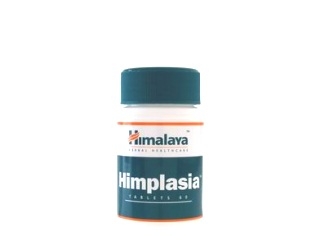
Himplasia (Australia): Patient Information Guide
Himplasia is an herbal medicine used by some people to help support urinary comfort and prostate health. This page explains how Himplasia works, when it’s typically taken, how the body absorbs it, important safety information, and practical tips for use. It is written to be clear and helpful for people shopping online in Australia.
Note: Always read the label and any consumer medicine information (CMI) supplied with your product. If you have questions about your situation—such as other medicines you take, existing conditions, or pregnancy/breastfeeding—speak with a pharmacist or doctor.
Basic Product Information
| Product name | Himplasia |
|---|---|
| Type | Herbal medicine (traditionally used/supportive therapy) |
| Common purpose | Helps support urinary comfort and prostate health |
| How it’s taken | Oral (tablets/capsules/liquid depending on formulation) |
| Typical schedule | Often once or twice daily (follow your product label) |
| Where it’s used | Australia (availability varies by supplier) |
What’s in Himplasia? Product formulations can vary by brand and manufacturing updates. Check your pack for the exact ingredients, strengths, and recommended dose.
What Himplasia Is Used For (Indications)
Himplasia is commonly used to help relieve symptoms associated with benign prostate enlargement (often called BPH—benign prostatic hyperplasia). People may use it to support:
- Urinary frequency
- Difficulty starting urination
- Weak urine stream
- Night-time urination (nocturia)
- General urinary discomfort
Important: If you have severe or rapidly worsening urinary symptoms, blood in urine, fever, pain, or trouble passing urine, seek medical attention promptly.
How It Works: Mechanism of Action (Moa)
Himplasia is a herbal product, and its benefits are thought to come from a combination of plant-based effects. Depending on the exact ingredients in your formulation, typical proposed mechanisms include:
- Anti-inflammatory activity: helping reduce inflammation in tissues involved in urinary function.
- Antioxidant support: supporting protective processes against oxidative stress.
- Support for smooth muscle tone: helping maintain comfortable urine flow.
- Support for normal prostate function: aiming to reduce bothersome lower urinary tract symptoms.
Patient-friendly takeaway: The goal is to support urinary comfort rather than provide an instant “on/off” effect.
Pharmacokinetics: What Happens in the Body
Pharmacokinetics describes how the body absorbs, distributes, metabolises, and eliminates ingredients in a medicine. For herbal products, exact pharmacokinetic data may be limited or ingredient-specific.
In general, for oral herbal medicines:
- Absorption: Active constituents are typically absorbed from the gastrointestinal tract.
- Onset: Some people notice early changes in comfort, but most benefits build with continued use.
- Metabolism: Constituents may be metabolised in the liver and other tissues.
- Elimination: Ingredients and metabolites are removed mainly via urine and/or bile pathways.
Practical meaning for you: Stick to the dosing schedule on the label. Herbal medicines are usually taken consistently to achieve the best results.
Typical Timing and How to Take Himplasia
When to take Himplasia depends on your formulation and the dosing instructions on the product label. In many cases, it’s taken daily for ongoing support.
Common timing approaches
- Daily dosing: Often morning and/or evening.
- Consistency: Try taking it at the same times each day.
- Follow-up period: Benefits may take days to weeks, depending on the ingredients and your symptoms.
How long should you take it?
Herbal urinary support products are typically trialled for a period to assess symptom improvement. If symptoms do not improve, or they worsen, stop and talk to a pharmacist or doctor. If you have a condition such as BPH with complications, you may require additional evaluation.
Tip: Set a reminder on your phone to help you take it consistently.
Food Interactions
Food interactions can affect absorption and tolerability. For many herbal medicines, there is no strict requirement to take them with or without food, but this can vary.
General guidance:
- Take Himplasia as directed on the label.
- If you get stomach upset, try taking it with food.
- Do not exceed the recommended dose even if you feel symptoms persist.
If your pack includes specific instructions (for example, “take with meals”), follow those exactly.
Alcohol Interactions and Medicine Interactions
Alcohol
There is no one-size-fits-all rule, but alcohol may:
- Increase urinary frequency or bladder irritation in some people.
- Worsen dehydration, which can make urinary symptoms feel more noticeable.
- Increase the chance of dizziness or stomach discomfort if you also experience mild side effects.
Practical advice: Limit alcohol if you notice it worsens urinary symptoms. If you drink, consider spacing drinks and staying hydrated.
Interactions with other medicines
Herbal medicines can potentially interact with other treatments, particularly those affecting:
- Blood clotting/anticoagulation
- Liver metabolism (some herbal constituents may influence certain metabolic pathways)
- Blood pressure or urinary function
Important: If you take medicines for urinary symptoms, prostate disease, blood thinners, diabetes, blood pressure, or cholesterol, speak with a pharmacist before starting Himplasia. This is especially important if you are using multiple herbal or supplement products.
Dosing: How Much to Take
Always use the dose stated on the product label or CMI for your specific Himplasia version and strength.
General dosing principles
- Use the labelled dose; do not change without advice.
- Do not double up if you miss a dose—take the next dose at the scheduled time.
- Keep track of your dosing time to avoid missed doses.
Example schedule (for illustration only)
Many products are taken once or twice daily. If your label says, for example, “take one capsule twice daily,” follow that exactly. Because formulations can differ, please confirm your pack instructions.
Safety Profile and Side Effects
Most herbal products are generally well tolerated when taken as directed. However, side effects can still occur.
Possible side effects
- Gastrointestinal discomfort (e.g., nausea, upset stomach, bloating)
- Headache or dizziness (uncommon)
- Allergic reactions in sensitive individuals (rare)
When to stop and seek help
Seek urgent medical help if you experience:
- Swelling of the face, lips, or throat
- Difficulty breathing
- Severe rash or blistering skin
- Severe abdominal pain or persistent vomiting
Special populations
- Pregnancy/breastfeeding: Herbal medicines may not be suitable—check with a healthcare professional.
- Children: Follow label directions and professional advice; many prostate-support products are intended for adults.
- Older adults: Usually well tolerated but review all medications to reduce interaction risk.
Medical red flags related to urinary symptoms include pain with urination, blood in urine, fever, back/flank pain, inability to urinate, or rapid symptom decline. These require prompt assessment.
Practical Use Tips
- Track your symptoms: Note changes in frequency, urgency, nighttime urination, and stream strength.
- Give it time: Herbal urinary support is often gradual. If there’s no improvement after the trial period recommended on the label/CMI, consider discussing options.
- Stay hydrated appropriately: Avoid both dehydration and excessive fluid overload, particularly in the evening.
- Reduce bladder irritants: Some people benefit from limiting caffeine and alcohol.
- Take consistently: Same time each day can help maintain steady intake.
- Review your other products: Don’t stack multiple supplements with similar aims without checking safety.
Alternative Options (Within Australia)
Depending on your symptoms and medical history, there are alternative approaches people may consider:
1) Lifestyle measures
- Limit caffeine and alcohol
- Manage fluid intake, especially late evening
- Regular physical activity
- Bladder training techniques (if appropriate)
2) Other complementary/OTC options
There are other non-prescription products marketed for urinary comfort. Always compare:
- Active ingredients
- Evidence and safety profile
- Directions for use
- Potential interactions
3) Medical treatment options
For moderate to severe BPH symptoms, doctors may use medicines that relax prostate/bladder neck muscles or reduce hormone-related prostate growth. If symptoms are significant, persistent, or complicated, medical assessment may be necessary.
Tip: If you’re unsure which option fits, consult a pharmacist. They can help you compare products and assess interaction risk.
Market and Legal Context for Australia
In Australia, herbal and complementary medicines are generally regulated through the Therapeutic Goods Administration (TGA) framework. Products may be supplied as:
- Listed medicines or registered medicines (depending on their regulatory status and claims)
- Sometimes marketed under specific indications permitted by the TGA
What this means for you: Reputable suppliers provide clear product labels, dosage instructions, and safety information. When shopping online, choose suppliers that display:
- Product name and description
- Active ingredients and strength
- Directions for use
- Warnings and contraindications (if any)
- Batch/expiry information where applicable
Always check compliance information on the product page or packaging. Avoid products with vague dosing or missing ingredient details.
Recent Guidance and Evidence Considerations
Guidance for urinary symptom management can evolve over time. Common themes in medical and consumer information include:
- Monitoring symptoms using recognised questionnaires or simple tracking
- Reviewing for complications (e.g., urinary retention, infection, or kidney issues)
- Ensuring safe use alongside other medicines
- Considering medical assessment if symptoms are severe or worsening
What to do: Use Himplasia as directed, monitor changes, and do not ignore red-flag symptoms. If you’re already receiving treatment, discuss any supplement additions with a healthcare professional.
Delivery, Availability, and Ordering in Australia
Availability of Himplasia can vary by online pharmacy and stock levels. When ordering, you can expect:
- Online ordering with a product page listing pack details
- Secure dispatch to Australian addresses (delivery times depend on courier and location)
- Tracking information for many deliveries
Delivery tips:
- Check the estimated delivery timeframe at checkout.
- Ensure your delivery address is correct and accessible.
- Consider ordering in advance if you’re planning to take it consistently.
Packaging and storage: Store according to label instructions (typically in a cool, dry place away from direct sunlight). Keep out of reach of children.
FAQ: Himplasia (Australia)
1) What is Himplasia used for?
Himplasia is used by some people to help support urinary comfort and prostate health, commonly in the context of benign prostate enlargement symptoms.
2) How long does it take to work?
Some people notice early comfort changes, but many experience gradual improvement over days to weeks. Follow the dosing instructions and give it a fair trial. If symptoms worsen or you’re not seeing any change after the trial period described on the label/CMI, seek advice.
3) Should I take it with food?
Check your specific product label. If you experience stomach upset, taking it with food may improve tolerability. If the label provides specific instructions, follow those.
4) Can I drink alcohol while taking Himplasia?
Alcohol may worsen urinary symptoms in some people and may irritate the bladder. If you choose to drink, consider limiting intake and staying hydrated. Stop and seek help if you experience adverse effects.
5) Can Himplasia interact with other medicines?
Potential interactions depend on the ingredients in your formulation and your other treatments. Review all medicines (including blood thinners, blood pressure medicines, diabetes medicines, and other supplements) with a pharmacist to reduce interaction risk.
6) What side effects should I watch for?
Common issues can include gastrointestinal upset or mild headache. Seek medical help for signs of allergy (swelling, breathing difficulty, severe rash) or severe symptoms.
7) Who should not use Himplasia?
People with known allergies to ingredients should avoid it. Pregnancy and breastfeeding require professional advice. If you have complex urinary symptoms, complications, or other medical conditions, talk to a healthcare professional before use.
8) When should I see a doctor urgently for urinary symptoms?
Seek urgent care if you cannot urinate, have blood in urine, fever, significant pain, or rapidly worsening symptoms.
9) Can I take Himplasia long-term?
Long-term use should be guided by the label/CMI and your response to treatment. If symptoms persist or progress, a healthcare professional should reassess your condition and ensure no complications are developing.
10) Is Himplasia suitable for everyone with prostate symptoms?
Not necessarily. While it may help some people, the best approach depends on symptom severity, underlying conditions, and other medicines. If symptoms are moderate to severe or complicated, medical evaluation may be needed.
Summary
Himplasia is a herbal medicine used to support urinary comfort and prostate health, particularly in people experiencing symptoms associated with benign prostate enlargement. When taken consistently and safely, it may help relieve bothersome urinary symptoms for some individuals. As with any medicine or supplement, follow the label instructions, be mindful of potential interactions, and seek medical help for red-flag symptoms.