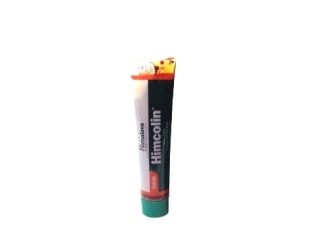
Himcolin (for Australia)
Himcolin is a medicine used for the treatment of certain painful inflammatory conditions. This page provides patient-friendly information about how it works, how it’s typically used, key safety considerations, and what to expect when taking it. Always follow the directions provided by your clinician or pharmacist and read the product label carefully.
Quick overview
- Medicine name: Himcolin
- What it’s used for: Management of specific inflammatory and pain-related conditions (see “Typical use / Indications” below)
- How it works: Helps reduce inflammation and associated pain by affecting inflammatory pathways
- How to take: Commonly taken orally, with timing depending on the condition and your dosing schedule
- Common considerations: Take with food if advised to reduce stomach upset; avoid mixing with alcohol and review interactions with other medicines
Note: Formulation strength(s), exact indications, and dosing may vary depending on the product presentation available in Australia. Your pharmacist can confirm the correct product details for your specific item.
Basic product information
| Category | Details |
|---|---|
| Medicine | Himcolin |
| Route | Oral administration (tablets/capsules/similar, depending on product) |
| Therapeutic use | Inflammation and pain management for selected conditions |
| Availability | May be supplied through pharmacies where authorised and in line with Australian regulations |
| Key safety focus | Stomach irritation risk, liver/kidney considerations (depending on medicine and patient risk factors), and drug interactions |
How Himcolin works (mechanism of action)
Himcolin works by reducing inflammation and the release of inflammatory mediators. In many inflammatory conditions, pain and swelling are driven by chemical signals and biological processes that promote inflammation.
While the exact pathway may depend on the active ingredient in your specific Himcolin product, medicines in this category generally:
- Lower the activity of substances that promote inflammation
- Reduce pain sensitivity linked to inflammation
- Help improve mobility and comfort in affected areas
The effect you feel may build over the first days of treatment for some conditions, while others may respond more quickly.
Pharmacokinetics (how the body handles Himcolin)
Pharmacokinetics describes how the body absorbs, distributes, metabolises, and eliminates a medicine. While individual response varies, the general steps include:
- Absorption: Himcolin is absorbed after oral dosing. Taking it consistently at the same time each day helps maintain steadier effects.
- Distribution: It reaches tissues involved in the inflammatory process. Some medicines distribute into areas beyond the bloodstream, which can influence effectiveness.
- Metabolism: The active compound is processed (metabolised) primarily by the liver or other metabolic pathways.
- Elimination: The medicine and/or its metabolites are eliminated mainly through the kidneys and/or bile. Your kidney or liver function may affect how long the medicine stays in your system.
What this means for you: If you have kidney or liver disease, are elderly, or take multiple medicines, your pharmacist may advise closer monitoring, dose adjustments, or additional safety checks.
Typical use and indications
Himcolin is commonly used for the management of inflammatory and painful conditions such as:
- Joint and musculoskeletal inflammation
- Pain associated with inflammatory flare-ups
- Conditions where reducing inflammation helps improve comfort and function
Important: The exact approved indications depend on the formulation and regulatory listing for the particular product in Australia. Always confirm the intended use for the specific Himcolin pack you have.
When and how to take Himcolin (timing and dosing)
Follow your label instructions or pharmacist’s advice. Dosing can vary based on age, the condition being treated, and your risk profile (for example, stomach sensitivity or other health conditions).
Typical timing
- With food: Many anti-inflammatory pain medicines are better tolerated when taken with food or after meals. If your pack instructions say “take with food,” do so to reduce stomach irritation.
- At regular intervals: Keeping doses evenly spaced can help maintain consistent symptom relief.
- Missed dose: If you miss a dose, take it when you remember unless it’s close to the next dose. Do not take a double dose.
Common dosing approach
Dose strength and schedule differ by patient and formulation. Your healthcare professional may choose:
- Lowest effective dose for the shortest duration needed
- Adjustments based on symptom response and side effects
- Review of therapy if symptoms persist or worsen
Practical tip: If you’re using Himcolin daily for a flare, set an alarm and keep track of doses on a calendar to avoid accidental missed or extra doses.
Food interactions
Food can influence comfort and, in some cases, how well a medicine is tolerated.
- Taking with food may reduce stomach upset (such as nausea, heartburn, or stomach pain).
- Empty stomach: Some people find symptoms like indigestion worse if they take anti-inflammatory pain medicines without food.
- Consistency matters: If your doctor/pharmacist advises taking it with food, try to keep this consistent each day.
If you have reflux, a history of ulcers, or sensitive stomach, ask your pharmacist whether a particular timing (with meals, at a certain time of day) is recommended for your specific product.
Alcohol interactions
Avoid alcohol while taking Himcolin unless your pharmacist has specifically said it’s okay.
- Increased stomach irritation: Alcohol can worsen irritation and increase the risk of gastritis or bleeding in susceptible individuals.
- Added strain on the liver: Alcohol may increase liver-related risk when combined with medicines that are metabolised in the body.
- Safety and symptom control: Alcohol can also affect how you judge pain or side effects, making it harder to manage your treatment safely.
If you choose to drink, keep it minimal and discuss your individual risk factors with a pharmacist.
Interactions with other medicines
Drug interactions can be complex. Always tell your pharmacist about:
- All prescription and non-prescription medicines
- Herbal products and supplements
- Vitamins and “natural” remedies
Examples of interaction categories to discuss
- Other anti-inflammatory pain medicines: Combining similar medicines may increase side effects, especially stomach irritation and kidney strain.
- Blood thinners and antiplatelet medicines: Some medicines that affect blood clotting can increase bleeding risk when used with anti-inflammatory pain medicines.
- Medicines affecting kidneys: Certain blood pressure drugs or diuretics may interact indirectly by influencing kidney function.
- Some antidepressants (SSRIs/SNRIs): May increase the risk of bleeding when combined with medicines that affect the stomach lining.
- Diuretics (water tablets): Can affect hydration and kidney function, which may change safety.
- Metabolic interactions: Some medicines can change how fast Himcolin is broken down, altering its effect and side effects.
What to do: If you’re starting or stopping any medicine, check with a pharmacist or healthcare professional first.
Safety profile and side effects
Most people tolerate Himcolin well, but like all medicines it can cause side effects. Some side effects are mild and temporary, while others require urgent medical attention.
Common side effects
- Stomach discomfort, heartburn, nausea
- Headache or dizziness
- Indigestion
Less common but important risks
- Gastrointestinal effects: ulcers or bleeding can occur in some people, especially those with a history of stomach ulcers or who take other medicines that raise bleeding risk.
- Kidney-related issues: reduced kidney function can occur, particularly if you are dehydrated or have existing kidney problems.
- Liver effects: rarely, abnormal liver function may occur. Seek advice if you notice warning signs (see “Seek urgent help” below).
- Allergic reactions: rash, swelling, or breathing difficulties require urgent action.
Seek urgent medical help if you notice
- Black, tarry stools or vomiting blood (possible gastrointestinal bleeding)
- Severe stomach pain or persistent vomiting
- Yellowing of the skin/eyes (jaundice) or dark urine
- Swelling of face/lips, wheezing, or trouble breathing
- Chest pain, weakness on one side, or sudden severe symptoms (call emergency services)
If you experience bothersome side effects, contact your pharmacist promptly. Do not stop or change the dose without advice unless you suspect an emergency reaction.
Practical use tips
- Take consistently: If your pack says “with food,” take it after meals and aim for similar times each day.
- Hydration helps: Staying well-hydrated can support kidney safety—especially during hot weather or if you’re unwell.
- Use heat/cold for comfort: For musculoskeletal pain, gentle heat or cold packs may complement medicine.
- Track symptoms: Note pain levels and any side effects to help decide whether the treatment is working.
- Protect your stomach if advised: If you have risk factors, ask your pharmacist whether stomach-protecting strategies are appropriate.
- Avoid doubling up: Do not combine with other products that contain similar anti-inflammatory ingredients unless directed.
Who should use Himcolin with extra caution?
Caution may be needed if you have:
- A history of stomach ulcers or gastrointestinal bleeding
- Kidney disease or reduced kidney function
- Liver disease or previous abnormal liver tests
- Asthma or a history of allergic reactions to similar medicines
- High cardiovascular risk (some inflammatory pain medicines can influence cardiovascular risk in certain people)
- Are older, frail, or dehydrated
- Take multiple interacting medications (especially blood thinners)
Always discuss your medical history with a pharmacist to confirm the safest approach.
Alternative options
Depending on your condition and health history, a pharmacist or clinician may suggest alternatives. These may include:
- Other anti-inflammatory pain medicines: Different active ingredients may suit different patients.
- Non-steroidal anti-inflammatory gels or topical treatments: For some localised pain, topical options may reduce overall side effects.
- Physiotherapy and exercise programs: Strengthening and mobility work can improve inflammation-related pain long term.
- Non-medicine approaches: Weight management, ergonomics, heat/cold therapy, and activity modification.
- Paracetamol (acetaminophen): For pain relief where anti-inflammatory action is not essential (always check interaction and dosing limits).
Alternative choice depends on your symptoms, diagnosis, and risk factors. A pharmacist can help you compare options and suitability.
Market and legal context for Australia
In Australia, medicines must meet regulatory requirements and be supplied according to their listed schedule and safety classification. Availability can vary based on:
- The active ingredient and strength
- Whether the product is listed on the Australian Register of Therapeutic Goods (ARTG)
- The required level of pharmacist involvement or consumer information
Online pharmacy services in Australia typically follow strict sourcing and supply standards. Reputable suppliers provide clear information on:
- Product identity and strength
- Packaging and expiry date
- Clear dosing instructions and consumer medicine information
- Safety messages and interaction warnings
If you are unsure whether Himcolin is appropriate for you, speak to a pharmacist—especially if you have complex medical conditions or take other medicines regularly.
Recent guidance and best-practice reminders
Australian safety messaging for anti-inflammatory pain medicines generally emphasises:
- Use the lowest effective dose for the shortest necessary time
- Consider stomach and kidney risk in people with risk factors
- Be cautious with combinations of multiple pain/anti-inflammatory products
- Seek prompt advice if you develop red-flag symptoms (such as gastrointestinal bleeding or signs of allergy)
Guidance may be updated as new safety information becomes available. Always refer to the latest information provided by your pharmacy and the product packaging/consumer medicine information.
Delivery and availability (Australia)
Many Australians access medicines through approved online pharmacy channels. Availability of Himcolin can depend on stock levels and packaging formats. When ordering online, a reliable pharmacy should:
- Confirm the correct product and strength before dispatch
- Include the correct consumer medicine information
- Deliver in protective packaging
- Provide tracking or clear delivery estimates where available
Delivery times: Delivery timeframes may vary by location and courier service. Check the checkout page or the pharmacy’s delivery policy for the most accurate estimates.
Stock updates: Some products may be temporarily out of stock due to demand or supply changes. If Himcolin is unavailable, a pharmacist may offer comparable alternatives where appropriate.
FAQ: Common questions about Himcolin
1) What is Himcolin used for?
Himcolin is used to manage inflammation and pain associated with selected conditions. The exact approved indications depend on the product listing and formulation. Your pharmacist can confirm how it applies to your situation.
2) How quickly will Himcolin start working?
Many people begin to notice symptom relief within the first day or two, while for some inflammatory conditions the full benefit may take several days. If you don’t see improvement or symptoms worsen, seek advice.
3) Should I take Himcolin with food?
Often, taking it with food improves comfort and reduces stomach upset. If your pack instructions say “with food,” follow that guidance. If you experience indigestion, speak to your pharmacist for advice.
4) Can I drink alcohol while taking Himcolin?
It’s generally recommended to avoid alcohol while using Himcolin due to increased risk of stomach irritation and potential liver-related strain. Ask a pharmacist if you have questions about your individual risk.
5) What should I do if I miss a dose?
Take it when you remember unless it’s close to the next dose. Do not take two doses at once to make up for the missed dose.
6) Can I take other pain medicines with Himcolin?
You should check before combining medicines. Some combinations increase side effects, particularly stomach bleeding risk or kidney strain. If you’re considering paracetamol or another anti-inflammatory, ask your pharmacist first.
7) Who should be extra careful when using Himcolin?
Extra caution is advised if you have a history of stomach ulcers or bleeding, kidney or liver disease, asthma, or if you take blood thinners or multiple medicines that may interact.
8) What side effects are most concerning?
Seek urgent help if you notice signs of serious allergy (swelling, wheezing, trouble breathing) or potential gastrointestinal bleeding (black/tarry stools, vomiting blood), or signs of liver problems (yellow skin/eyes).
9) Is Himcolin suitable for long-term use?
Many inflammatory pain medicines are intended for the shortest time needed. Ongoing use should be reviewed regularly with a healthcare professional, especially if you need it beyond a short course.
10) How can I reduce side effects while taking Himcolin?
Use the lowest effective dose, take with food if advised, stay well hydrated, avoid alcohol, and avoid double-dosing or combining with similar medicines. Report persistent or severe symptoms promptly.
Final reminders
Himcolin may help reduce inflammation-related pain for many people. To use it safely and effectively:
- Follow the dosing instructions on the label and in your accompanying information.
- Take it consistently at the recommended times.
- Be cautious with alcohol and other medicines.
- Contact your pharmacist if you have risk factors or experience concerning symptoms.
If you’d like, share the strength and form of your Himcolin pack (for example, tablet strength) and what condition you’re treating, and I can help you interpret the dosing directions and safety considerations for that specific product.