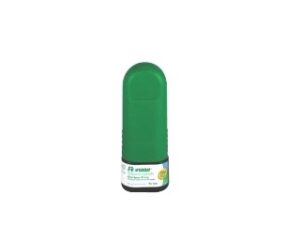
Fluticasone (Inhaled/Nasal) – Patient Guide (Australia)
Fluticasone is a corticosteroid medicine used to reduce inflammation in the airways or the nose. Depending on the product you use, it can help treat conditions such as asthma, allergic rhinitis, and other steroid-responsive inflammatory problems. This guide explains how fluticasone works, how it’s used in everyday practice, and important safety information.
Note: Different fluticasone products exist (for example, inhalers for asthma and nasal sprays for hay fever). The right device, dose, and timing depend on the specific formulation.
1) Basic product information
| Feature | What you should know |
|---|---|
| Generic name | Fluticasone |
| Common forms | Inhaled fluticasone (asthma/COPD), fluticasone nasal spray (rhinitis) |
| Medicine group | Glucocorticoid (steroid) anti-inflammatory |
| How it works | Reduces airway/nasal inflammation over time |
| Typical onset | Some relief in hours; best effect often takes days to 1–2 weeks (depends on condition and product) |
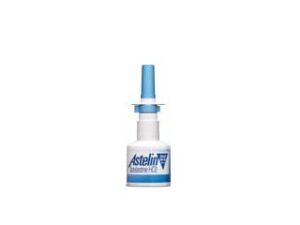
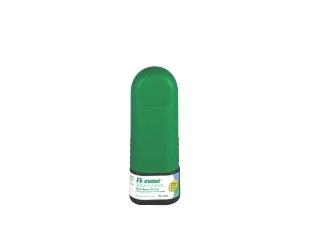
Brand names: In Australia, fluticasone is available under various brand names depending on the product type and strength. Your pharmacy can confirm the exact brand and strength you have selected.
2) How fluticasone works (mechanism of action)
Fluticasone is a corticosteroid. In the body, it binds to glucocorticoid receptors in cells involved in inflammation. This helps to:
- Lower inflammatory signalling in the airways or nasal passages
- Reduce swelling and mucus-related congestion
- Decrease airway hyper-responsiveness, which can help reduce symptoms like wheeze and breathlessness in asthma
- Improve airflow over time by reducing chronic inflammation
Important: Fluticasone is a preventive medicine. It is not usually used to quickly stop sudden asthma attacks. For sudden symptoms, people commonly use a separate “reliever” medicine (for example, a fast-acting bronchodilator) as directed by their asthma plan.
3) Pharmacokinetics (absorption, distribution, metabolism, elimination)
“Pharmacokinetics” describes what the body does to a medicine: how it’s absorbed, processed, and removed.
Inhaled fluticasone
- Absorption: A portion of the inhaled dose deposits in the lungs; some may be swallowed.
- Systemic exposure: Because inhaled steroids act mainly locally, overall body exposure is typically lower than with oral steroids, though it can still occur—especially with high doses.
- Metabolism: Fluticasone is primarily broken down in the liver by CYP3A4 enzymes.
- Elimination: Metabolites are eliminated mainly via the faeces and urine to a lesser extent.
Nasal fluticasone
- Absorption: Most of the dose acts locally in the nasal passages.
- Metabolism: Also mainly via CYP3A4 in the liver.
- Systemic exposure: Generally low, but higher exposure may occur with strong inhibitors of CYP3A4.
Clinical implication: Interactions with medicines that inhibit CYP3A4 (such as certain antifungals and some antibiotics) can increase fluticasone levels and the risk of steroid-related effects.
4) Typical uses and indications
Fluticasone may be indicated for several inflammatory conditions. The correct product type and strength depends on your diagnosis and age.
Common indications
- Asthma (inhaled fluticasone): maintenance treatment to reduce symptoms and flare-ups
- Allergic rhinitis (nasal fluticasone): hay fever symptoms such as sneezing, itchy nose, runny nose, and nasal blockage
- Non-allergic rhinitis and other steroid-responsive nasal inflammatory conditions (depending on local assessment and product guidance)
In some cases, inhaled fluticasone may be used in chronic obstructive pulmonary disease (COPD) depending on the product and clinical assessment.
5) Timing and how to take fluticasone
Timing depends on the condition and formulation. Fluticasone works best when used regularly as directed.
For asthma (inhaled fluticasone)
- Typical schedule: Often once or twice daily depending on dose and product.
- Consistency matters: Try to take it at the same times each day.
- Expected response: Some improvement may be noticed within days; full benefit may take longer.
For allergic rhinitis (nasal fluticasone)
- Typical schedule: Usually once daily for many nasal preparations (some may be twice daily depending on dose).
- Best use: Begin before or at the start of seasonal symptoms if you know your triggers (for example, pollen season).
- Expected response: Relief can start within hours to a day, but the strongest improvement often develops over several days.
What to do if you miss a dose
- If you miss a dose, take it when you remember unless it’s close to the next scheduled dose.
- Do not double up to make up for a missed dose.
6) Food interactions
For most people, fluticasone has no major clinically significant food interactions, particularly with inhaled or nasal routes because the action is mainly local.
- Swallowed portion: Some inhaled doses may be swallowed; this generally does not require dietary changes.
- Take with or without food: There are typically no dietary restrictions for inhaled or nasal fluticasone.
If your product instructions differ (for example, specific combination medicines), follow the instructions provided with your exact product.
7) Alcohol interactions
There are typically no direct alcohol interactions with inhaled or nasal fluticasone. However, alcohol can indirectly affect conditions treated by fluticasone:
- Asthma control: Alcohol may trigger symptoms in some people (individual sensitivity varies).
- Sleep and recovery: Heavy drinking can worsen overall health and may reduce adherence to daily medication routines.
If you notice alcohol worsens wheeze, breathlessness, or nasal symptoms, consider reducing intake and discuss this with your healthcare professional.
8) Medicine interactions (including key warnings)
The most important interactions relate to how fluticasone is metabolised by CYP3A4.
Medicines that may increase steroid levels
- Strong CYP3A4 inhibitors can raise fluticasone exposure, increasing the risk of systemic steroid effects (for example, Cushing-like features or adrenal suppression, especially with higher doses or long-term use).
- Examples can include some antifungal medicines (e.g., ketoconazole, itraconazole) and some macrolide antibiotics (e.g., clarithromycin), though availability and suitability vary.
Other possible interactions
- Corticosteroids (other forms): Using additional steroids (oral or long-term steroid tablets) may increase overall steroid exposure. Your clinician may adjust your plan.
- Other respiratory medicines: Fluticasone is often used alongside relievers and bronchodilators. Using them correctly is essential for symptom control.
What to do
- Tell your pharmacist or doctor about all medicines you use, including herbal products and over-the-counter remedies.
- If you start or stop a medicine that affects CYP3A4, ask whether your fluticasone dose should be reviewed.
9) Dosing guidance (general information)
Dose recommendations depend on:
- Your condition (asthma vs allergic rhinitis)
- Your age and severity
- The exact product (type, device, and strength)
- Whether fluticasone is used alone or combined with another medicine
Follow the instructions on your specific product label or the guidance provided by your clinician. Below is general dosing information to help you understand how fluticasone products are typically used.
Inhaled fluticasone (asthma)
- Typical dosing frequency: often once or twice daily.
- Titration: Many people start at a dose appropriate for symptom control, then clinicians may step up or down based on response.
- Technique matters: Correct inhaler technique improves how much medicine reaches the lungs.
Fluticasone nasal spray (allergic rhinitis)
- Typical dosing frequency: commonly once daily; some products may require more frequent use depending on dose/age.
- Priming: Some nasal sprays require a priming routine before first use or after long breaks. This helps deliver the correct initial dose.
- Adjusting dose: Some people find symptom improvement at a lower dose once stable; discuss changes with a healthcare professional.
Children: Doses vary by age and product. Always use the formulation intended for children and confirm dosing instructions with a healthcare professional.
10) Safety profile and side effects
Most people tolerate fluticasone well when used as directed. Because it is a steroid, side effects are more likely with higher doses, incorrect technique, or long-term use—especially if systemic absorption increases.
Common side effects
- Inhaled fluticasone: hoarseness/voice change, throat irritation, cough after inhalation
- Oral thrush (candida): white patches or sore mouth; risk is reduced with proper rinsing
- Nasal fluticasone: nose dryness, irritation, sneezing, mild nosebleeds
Serious (seek advice promptly)
- Severe allergic reaction (swelling of face/lips, difficulty breathing, hives)
- Frequent or heavy nosebleeds (for nasal products)
- Signs of systemic steroid effects, especially with high doses or interacting medicines (for example, unusual bruising, marked weight gain, persistent fatigue, muscle weakness)
- Worsening breathing that does not respond to your usual asthma action plan
Special considerations
- Eye health: Long-term corticosteroid use can be associated with eye effects in some people (for example, glaucoma or cataracts). If you use high-dose steroids or have risk factors, ask your clinician about monitoring.
- Infections: Steroids can affect local immunity. If you suspect fungal infection in the mouth or nose, seek advice.
- Tuberculosis and viral infections: Individuals with certain infections should be carefully assessed by a clinician.
11) Practical use tips (to get the best results)
Inhaled fluticasone: technique checklist
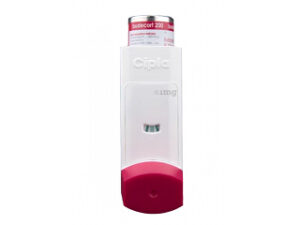
- Use the correct inhaler device: Different devices (for example, press-and-breathe vs breath-actuated) have different steps.
- Shake if required: Some inhalers need shaking; follow product instructions.
- Prime correctly: Some devices require priming after long breaks.
- Inhale slowly and deeply (as advised) to deliver medicine to the lungs.
- Hold your breath briefly after inhalation (if advised) to improve deposition.
- Rinse and spit after use: Especially for inhaled steroids—this lowers the risk of thrush.
- Track your symptoms: If you’re using reliever medication more often, discuss whether your controller plan needs adjustment.
Nasal fluticasone: technique checklist
- Gently blow your nose before using the spray.
- Angle the nozzle correctly (usually slightly outward toward the ear) to reduce irritation.
- Aim away from the centre of the nose to help prevent nosebleeds.
- Use consistent daily timing for best results.
- Wipe the nozzle and keep it clean according to instructions.
What to expect
- Asthma: you should feel better over time—less wheezing, fewer symptoms, improved control.
- Allergies: congestion and sneezing typically improve with regular use during the season.
12) Alternative options (depending on your condition)
Alternatives to fluticasone may include other anti-inflammatory medicines or different corticosteroids. Options vary by diagnosis and severity.
Asthma controller alternatives
- Other inhaled corticosteroids (e.g., budesonide, beclometasone)
- Combination inhalers that pair an inhaled steroid with a long-acting bronchodilator (used in selected patients)
Allergic rhinitis alternatives
- Other intranasal corticosteroids (different agents within the same class)
- Oral or intranasal antihistamines for symptom relief
- Saline rinses and nasal moisturising sprays to support symptom control
Your pharmacist or doctor can discuss which option best suits you based on symptom pattern, previous response, and preference for device type.
13) Market and legal context for Australia
In Australia, the availability of fluticasone products depends on the specific formulation and strength. Some fluticasone medicines may be pharmacist-only or available from pharmacies under particular conditions. Other strengths or combinations may be regulated differently.
- Always check the product listing for the exact strength and form you are purchasing.
- Your pharmacy may ask screening questions to ensure the medicine is suitable and used safely.
- Follow packaging instructions and any Australian product-specific consumer medicine information (CMI) provided with your purchase.
For asthma, many Australians rely on personal asthma action plans and regular follow-up. For rhinitis, ongoing symptom monitoring helps determine whether continuing daily therapy is beneficial.
14) Recent guidance and evolving best practice (general themes)
Across Australia and internationally, recent years have emphasised several themes in controller treatment:
- Controller adherence: Regular use of anti-inflammatory preventers is key for long-term symptom control.
- Correct inhaler/nasal technique: Poor technique is a common reason for reduced benefit.
- Stepping therapy: Clinicians may adjust dose based on control (step up if not controlled; step down if stable).
- Safety monitoring: Ongoing review for side effects (especially with higher doses) supports safe long-term use.
Guidance may vary by condition severity, age group, and product type. If your symptoms change, it’s important to reassess treatment rather than stopping abruptly.
15) Delivery and availability
Fluticasone products are commonly stocked by Australian pharmacies, and online pharmacies may offer delivery within Australia. Availability can vary based on:
- Strength and device type (inhaler vs nasal spray)
- Formulation and brand
- Current pharmacy stock levels
When ordering online, choose the exact product that matches your needs (for example, nasal spray for rhinitis versus inhaler for asthma). For the fastest guidance, keep your preferred brand and strength ready when contacting support.
16) Frequently Asked Questions (FAQ)
1. Is fluticasone a reliever medicine?
No. Fluticasone is an anti-inflammatory controller. It usually works gradually. For sudden symptoms in asthma, you typically need a fast-acting reliever as part of your asthma action plan.
2. How long does it take for fluticasone to work?
Some people notice improvement within hours to days, but the best results often take several days (sometimes up to 1–2 weeks), especially for allergic rhinitis. For asthma, consistent use over time is important.
3. Can I stop fluticasone once my symptoms improve?
Do not stop suddenly unless your healthcare professional advises it. Many patients do better with a planned “step down” if symptoms stay controlled.
4. Will fluticasone cause weight gain?
Weight gain is more common with oral steroids than with inhaled or nasal steroids at appropriate doses. Systemic effects are still possible, particularly at higher doses or with strong interacting medicines. If you notice concerning changes, seek advice.
5. What can I do to prevent thrush with inhaled fluticasone?
Rinse your mouth and spit after each inhalation (unless your product instructions say otherwise). Using correct inhaler technique and the lowest effective dose also helps.
6. My nose bleeds sometimes when using fluticasone—what should I do?
Light nosebleeds can occur. Ensure the nozzle is aimed away from the centre of the nose, use gentle technique, and avoid aggressive blowing immediately after. If nosebleeds are frequent, heavy, or worsen, seek medical advice.
7. Are there food restrictions?
Typically no. Fluticasone inhaled or nasal products usually do not require dietary changes.
8. Can I drink alcohol while using fluticasone?
Direct interactions are uncommon. However, alcohol may worsen symptoms for some people. If you notice your asthma or rhinitis becomes worse after alcohol, consider reducing intake and discuss with your pharmacist or doctor.
9. What medicines should I be careful with?
Tell your pharmacist if you take medicines that affect CYP3A4, especially certain antifungals and antibiotics. Also mention any other steroid medicines.
10. What’s the best way to ensure correct inhaler/nasal use?
Ask your pharmacist to demonstrate the technique. Incorrect use is a common issue and can reduce effectiveness.
17) When to seek urgent medical help
Get urgent medical attention if you experience signs of a serious allergic reaction (swelling of face/lips, severe rash, trouble breathing) or if your breathing rapidly worsens and you’re not responding to your usual action plan.
Disclaimer: This information is general and not a substitute for personalised medical advice. Always refer to the consumer medicine information (CMI) supplied with your specific fluticasone product and consult a healthcare professional if you’re unsure about use, side effects, or interactions.