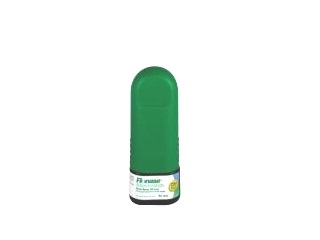
Flonase Nasal Spray (Fluticasone) — Patient Guide (Australia)
Flonase Nasal Spray contains fluticasone, a corticosteroid medicine used to relieve symptoms of hay fever (allergic rhinitis) and other inflammatory nasal conditions. It works locally in the nose to reduce swelling and irritation, helping you breathe more comfortably and manage sneezing, runny nose, blocked nose and itching.
This guide explains how Flonase works, when to use it, what to expect, important safety information, and how it fits into treatment options available in Australia.
Key Product Information
- Active ingredient: Fluticasone (fluticasone propionate)
- Medicine type: Intranasal corticosteroid
- Form: Nasal spray
- Common uses: Allergic rhinitis (hay fever), nasal inflammation (including non-allergic rhinitis in some situations)
- Route: Inhaled into the nose (topical, local action)
Brand availability and pack strength can vary. Always check your specific product label for the correct strength and number of sprays per device.
How Flonase Works (Mechanism of Action)
Fluticasone is a corticosteroid that reduces inflammation in the nasal passages. Allergens and irritants trigger your immune system, leading to:
- swelling of nasal tissues
- increased mucus production
- itching and sneezing
- congestion (blocked nose)
Fluticasone acts locally by:
- inhibiting inflammatory pathways
- reducing release of inflammatory mediators
- improving nasal airflow over time
Important: Unlike quick-relief decongestants, intranasal steroids often take several hours to a few days to show clear improvement, with best results often after 2–3 days (sometimes longer for severe symptoms).
Pharmacokinetics (Absorption, Distribution, Metabolism and Excretion)
When used as directed, Flonase is designed for local effect in the nose. However, a small amount may be absorbed into the body.
- Absorption: Most of the medication remains in the nasal area. A small fraction may be swallowed or absorbed.
- Distribution: Any absorbed fluticasone is carried in the bloodstream.
- Metabolism: Fluticasone is primarily metabolised in the liver by CYP3A4.
- Excretion: Metabolites are eliminated mainly via bile/faeces (and some via kidneys).
Clinical meaning: Because systemic absorption is limited, many people experience mostly local side effects. Nevertheless, interactions with medicines that strongly affect CYP3A4 can increase fluticasone levels, which is why certain drug combinations require caution.
What Is Flonase Typically Used For?
Common indications
- Hay fever / allergic rhinitis: sneezing, itchy nose, watery runny nose, nasal blockage related to allergens (e.g., pollen, dust mites).
- Non-allergic nasal symptoms (inflammation): some people use intranasal corticosteroids when nasal symptoms are driven by inflammation rather than classic allergy.
- Chronic nasal congestion linked to inflammation: when symptoms persist and the nose lining remains swollen.
Note: The exact approved indications can depend on the product and local regulatory status. Refer to your specific pack information and advice from a healthcare professional if you’re unsure.
When to Start and How Quickly It Works (Timing)
Best results often come from consistent use. For seasonal allergies, consider starting Flonase before the pollen season if your symptoms are predictable.
- First relief: may begin within hours to a day.
- More noticeable improvement: typically within a few days.
- Maximum effect: may take around 2–3 days (sometimes longer for more severe or long-standing symptoms).
Daily routine: Many people use it once daily or split into twice daily depending on symptom severity and label directions.
Dosing — How Much to Use
Always follow the dosing instructions on your Flonase package. Dosing may vary by age group and product strength.
Typical adult use (general guidance)
- Common regimen: 1–2 sprays in each nostril once daily, depending on symptom control.
- If symptoms are not controlled, some regimens adjust frequency or number of sprays—only according to label instructions or professional guidance.
Children
- Dosing for children should be based on the specific product label and age.
- Ask a pharmacist for the correct formulation and dosing for your child.
Missed dose
- Use it when you remember unless it’s close to the next dose.
- Do not use double the dose to catch up.
Tip: If you need to use Flonase for more than a few weeks, ongoing symptoms should be reviewed. Persistent blockage, worsening symptoms, or frequent bleeding may indicate a different cause or need for another treatment approach.
Food Interactions
Because Flonase is used in the nose, food interactions are unlikely. Any medication swallowed in small amounts is typically not influenced significantly by meals.
- You can generally take Flonase with or without food.
- If you experience throat irritation or a bitter taste, try gentle technique and ensure proper head position (see practical tips below).
Alcohol and Medicine Interactions
Alcohol
Fluticasone nasal spray has no direct alcohol interaction in most patients. However, alcohol can worsen allergy symptoms for some people indirectly (e.g., by affecting sleep quality or triggering reflux), which may make congestion feel worse.
If you notice that alcohol worsens your nasal symptoms or causes heartburn, consider limiting alcohol and discuss it with your pharmacist if symptoms persist.
Medicine interactions (important)
Fluticasone is metabolised by CYP3A4. Strong inhibitors of CYP3A4 can increase fluticasone levels, potentially increasing side effects (such as nose irritation, systemic steroid effects in rare circumstances).
- Strong CYP3A4 inhibitors: Examples include some antifungals (e.g., ketoconazole, itraconazole) and some HIV medicines (e.g., ritonavir-containing regimens). Use generally requires caution.
- Other medicines affecting metabolism: Certain antibiotics and other drugs may also interact, depending on their effect on CYP3A4.
- Other nasal medicines: Using multiple nasal sprays (e.g., antihistamine or saline) may be appropriate, but spacing and technique matter.
What to do: Tell your pharmacist about all medicines you use, including over-the-counter products, herbal supplements, and occasional treatments.
Safety Profile — Common and Serious Side Effects
Flonase is generally well tolerated when used as directed. Because it acts in the nose, many side effects are local.
Common side effects
- Nose dryness or irritation
- Minor nosebleeds
- Sore throat or throat irritation
- Headache
- Unpleasant taste (from drainage backwards into the throat)
Less common but important
- Persistent or severe nosebleeds
- Signs of nasal infection (worsening pain, fever, crusting, or unusual discharge)
- Changes in vision (rare; seek advice if you have eye pain or vision changes)
Seek urgent medical help if
- You develop symptoms of a severe allergic reaction (swelling of face/lips, difficulty breathing, widespread rash).
- There is significant bleeding that does not stop.
- You experience severe headache or other concerning symptoms.
Long-term considerations
Most people can use intranasal corticosteroids long-term for chronic allergic rhinitis if needed. However, it’s still important to:
- use the lowest effective dose
- have your symptoms reviewed periodically
- monitor for ongoing nasal irritation or frequent bleeding
Practical Use Tips (How to Use Flonase Correctly)
Using the correct technique can improve symptom relief and reduce side effects like nosebleeds and throat irritation.
Before first use (priming the pump)
- If the device is new or has not been used for a while, it may need priming according to the instructions in your pack.
- Priming ensures consistent dosing with each spray.
Each time you use it
- Gently blow your nose to clear mucus.
- Shake the bottle if your product instructions say to.
- Insert the nozzle into one nostril.
- Point the nozzle slightly outwards (towards the outer side of your nostril), not straight up the middle.
- Breathe in gently through your nose as you press the pump.
- Repeat for the other nostril (and/or second spray if required).
- Try not to sniff hard immediately after spraying to reduce backflow into the throat.
After spraying
- Wipe the nozzle and replace the cap.
- If you feel irritation, ensure your technique is correct and consider using a saline rinse before steroid spray.
Cleaning the nozzle
- Clean according to the pack instructions to prevent blockage and maintain accurate dosing.
Managing common issues
- Frequent nosebleeds: check technique, avoid aiming directly at the nasal septum, use humidification, consider saline, and consult a pharmacist or doctor if it persists.
- Sore throat or bitter taste: don’t sniff hard; keep your head slightly forward during spraying; use gently and evenly.
- Dryness: saline spray or irrigation can help, but follow spacing and label directions.
Alternative Options (If Flonase Doesn’t Fully Control Symptoms)
Depending on your symptoms and diagnosis, other treatments may be considered. Alternatives are often used alone or in combination.
Other nasal treatments
- Saline rinses/sprays: can help clear allergens and moisturise nasal lining.
- Antihistamine nasal sprays: may provide faster relief for sneezing and itching.
- Oral antihistamines: help with itchiness, sneezing and runny nose for many people.
- Decongestant sprays: can relieve congestion short-term, but prolonged use can cause rebound congestion (tachyphylaxis). Use only as directed and for limited periods.
Non-medicine strategies
- Allergen avoidance: keep windows closed during high pollen days, consider air filtration, wash bedding regularly.
- Hair and clothing hygiene: shower after outdoor exposure if pollen triggers you.
- Humidification: may help reduce dryness and nosebleeds.
When to review your plan: If you’ve used Flonase correctly for a week or two and symptoms remain severe, consult your pharmacist or GP to confirm the cause and consider a combination strategy.
Market and Legal Context for Australia
In Australia, medicines are supplied under the Therapeutic Goods Administration (TGA) framework and are classified according to regulatory requirements. Flonase Nasal Spray is supplied in accordance with its approved status and may be available through pharmacies and/or specific retail channels depending on product formulation and scheduling.
- Pharmacist support: Pharmacists can help you select the correct product strength and dosing, especially for children, pregnancy, or multiple health conditions.
- Product information: Always refer to the pack insert and label for approved instructions for use in Australia.
- Safety monitoring: If symptoms change, worsen, or you develop unusual side effects, seek advice.
Recent guidance note: Clinical practice commonly emphasises that intranasal corticosteroids should be used consistently for inflammatory nasal symptoms and that technique matters. For ongoing or complicated symptoms (e.g., chronic sinus issues, recurrent nosebleeds, severe or unilateral blockage), medical evaluation is recommended to rule out other causes.
Delivery, Availability and What to Expect When Ordering Online
When available, Flonase Nasal Spray can be ordered from online pharmacies in Australia. Availability may depend on stock levels and the specific pack strength. Delivery times are typically shown at checkout, along with standard postage options.
- Check your pack size: Different devices provide different numbers of doses.
- Confirm the strength: Ensure you’re buying the intended Flonase formulation.
- Store correctly: Keep at room temperature, away from direct sunlight and heat. Keep the device cap on to protect the nozzle.
Tip: If you have seasonal symptoms, consider ordering ahead to avoid running out during peak pollen periods.
Dosing Summary (Quick Reference)
| Group | Typical use pattern | Notes |
|---|---|---|
| Adults | Often once daily; may be 1–2 sprays per nostril depending on label | Use consistently; peak effect may take several days |
| Children | Depends on age and product; follow label closely | Ask a pharmacist to confirm correct strength and dosing |
| Missed dose | Use when remembered | Don’t double the dose |
Always follow the directions provided with your specific product.
Frequently Asked Questions (FAQ)
1) How long does it take for Flonase to work?
Some improvement may occur within hours to a day, but clearer relief often takes a few days. For many people, best results are achieved after about 2–3 days of consistent daily use.
2) Can I use Flonase every day?
Yes, many people use intranasal steroids daily during allergy seasons or when symptoms persist. Use the lowest effective dose and follow the package directions. If symptoms continue despite correct use, speak with a pharmacist or doctor.
3) Will Flonase make me sleepy?
No. Fluticasone nasal spray is designed for local nasal action and is not typically associated with drowsiness.
4) What if I get nosebleeds?
Minor nosebleeds can occur, especially if the nasal lining is dry or if technique is off. Try improving nozzle direction (slightly outward), gentle breathing, and consider saline moisturising. If nosebleeds are frequent, heavy, or persistent, seek medical advice.
5) Can I take Flonase with other cold or allergy medicines?
Often, yes. Many allergy regimens combine intranasal steroids with antihistamines or saline. However, check for medicine interactions (especially with drugs that affect liver enzymes like CYP3A4) and follow label instructions.
6) Are there any food interactions?
Food interactions are unlikely because Flonase is used in the nose. You can generally use it with or without meals.
7) Does alcohol affect Flonase?
There is usually no direct interaction. However, alcohol may worsen reflux or sleep, which can indirectly worsen symptoms. If you notice consistent worsening, reduce alcohol and discuss with a pharmacist.
8) Can I use Flonase in pregnancy or while breastfeeding?
Many people can use intranasal corticosteroids during pregnancy or breastfeeding when benefits outweigh risks, but the best choice depends on your health history. Consult a healthcare professional for personalised advice.
9) Is Flonase safe for long-term use?
Intranasal fluticasone is widely used long-term for chronic allergic rhinitis. Safety depends on correct technique and dosing. If you experience ongoing side effects (nosebleeds, severe irritation, or vision changes), seek advice.
10) What should I do if my symptoms don’t improve?
First, check you’re using the spray correctly and consistently. Allergies, sinus conditions, nasal polyps, or other causes can mimic hay fever. If symptoms are not improving after proper use or are worsening, consult a pharmacist or GP.
When to Get Advice (Red Flags)
Seek medical attention if you experience:
- Severe or persistent nosebleeds
- Severe facial pain, fever, or suspected nasal infection
- Worsening symptoms despite correct use
- Eye pain or vision changes
- Signs of a serious allergic reaction
If you’re unsure whether Flonase is right for your symptoms, a pharmacist can help you choose the most appropriate option for your situation.